China Expands Influence in Pacific; US-Ukraine Peace Talks Advance; Global Food Security Affected by China's Agricultural Reforms; China's Soft Power in Culture and Sports Rises
China Strengthens Strategic Ties with Pacific Island Nations Amid Global Power Shifts
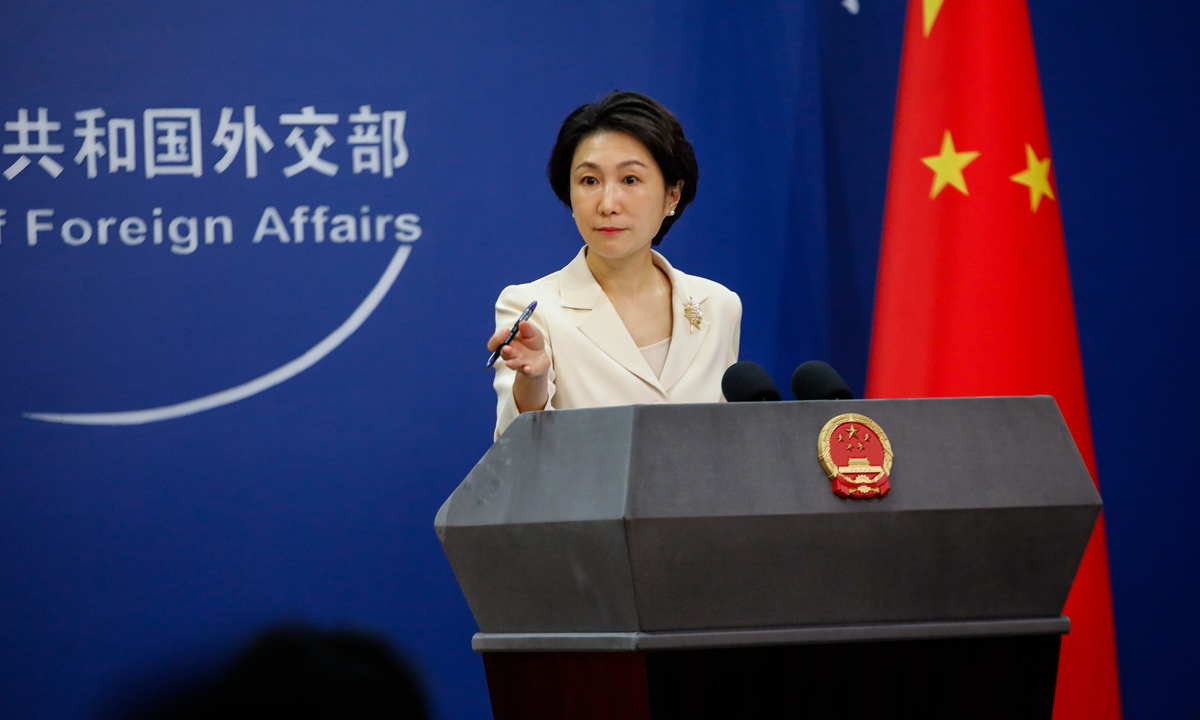
Recent developments indicate that China is intensifying its diplomatic and strategic engagements with Pacific Island nations, as highlighted by the meetings between Wang Yi, a senior Chinese political figure, and a delegation led by the Deputy Prime Minister of Tonga. The meeting, covered by China's Ministry of Foreign Affairs, underscores China's commitment to deepening relations with these nations under the leadership of Xi Jinping and the regional leaders.
These engagements are framed as part of a broader strategy to build a 'community of shared destiny' between China and the Pacific Islands. Wang Yi emphasized China's willingness to support the development paths chosen by these nations, which reflects China's strategic intention to bolster its influence in the Pacific region. The gratitude expressed by the Tongan delegation for China's longstanding economic and social support further solidifies these ties.
The implications of this development are significant for international markets and geopolitical dynamics. For investors and businesses, China's growing influence in the Pacific could mean increased regional stability and potential opportunities in infrastructure and development projects driven by Chinese investment. However, it also signals a shift in the balance of power in the Asia-Pacific region, which may prompt responses from other major powers, particularly the United States and Australia, who have historically exerted influence in the Pacific Islands.
For policymakers in the US and EU, China's strategic moves necessitate a reassessment of foreign policy and engagement strategies in the Pacific. The strengthening of China-Pacific Island relations could lead to increased military and economic presence in the region, challenging the traditional influence of Western powers and potentially reshaping regional alliances.
Overall, the narrative presented by Chinese state media emphasizes a cooperative and mutual development approach, likely intended to project an image of China as a benevolent partner rather than a hegemonic power. This aligns with China's broader soft power strategy to gain influence without direct confrontation, a narrative that international observers should consider when analyzing China's role in global geopolitics.
US and Ukraine Seek Peace Talks Amid Energy Crisis Concerns
In a concerted diplomatic effort, the United States is engaging with Ukraine and European representatives to propose a new framework for peace talks as winter approaches. This initiative is highlighted in reports from both Liberty Times and Sina, which discuss the meetings held in Washington, D.C., involving key U.S. diplomats and Jared Kushner, aiming to develop a unified proposal to halt the ongoing conflict between Ukraine and Russia.
Liberty Times emphasizes the involvement of high-level officials from the U.S., Ukraine, and NATO, highlighting discussions on security guarantees for Ukraine and post-war recovery plans. This is crucial for international markets as stability in the region could lead to more predictable energy prices, which have been volatile due to disruptions in supply chains caused by the conflict. European officials have expressed concerns about soaring energy prices and the potential for a severe financial impact, underscoring the global economic stakes.
Sina sheds light on the U.S. intention to introduce a 'new point' in the negotiations, suggesting a partial ceasefire that focuses on halting attacks on energy infrastructure and grain transport. This strategic move comes as the U.S. eyes diplomatic breakthroughs ahead of its midterm elections and before Ukraine enters the challenging winter months. For international readers, this development is significant as it may ease global food security concerns and stabilize commodity markets, particularly in Europe and developing nations dependent on Ukrainian grain exports.
Both articles reflect a shared narrative of diplomatic urgency and the potential for substantive dialogue, though they present varying emphases. Liberty Times focuses more on the broader geopolitical implications and the involvement of European allies, suggesting a comprehensive approach to the conflict. In contrast, Sina highlights the tactical aspects of the negotiations, including potential direct talks with Russia, which could recalibrate power dynamics in the region.
The broader strategic implications of these developments are profound. They indicate a potential shift toward more stable international relations and economic conditions, which is critical for global investors and policymakers seeking predictability in energy and commodity markets. The outcome of these talks could redefine U.S.-Russia relations and set a precedent for conflict resolution in other geopolitical hotspots.
China's Agricultural Infrastructure Overhaul: Implications for Global Food Security and Investment
Recent developments in China's agricultural infrastructure highlight a concerted effort to enhance food security and streamline governance. Two articles from Sina News underscore the local initiatives and oversight mechanisms being implemented in Langxi and Fuyang counties.
In Langxi County, a rigorous monitoring system has been established to ensure the efficacy of high-standard farmland construction. This initiative, described in the article titled "Langxi: Follow-up Supervision Protects High-standard Farmland Construction", emphasizes the importance of addressing irrigation and water usage issues to safeguard agricultural productivity. Local authorities have integrated supervision with governance, focusing on project quality, fund utilization, and land protection. This comprehensive approach not only aims to enhance local agricultural output but also to fortify food security—a critical concern given global supply chain vulnerabilities.
Similarly, the article "Fuyang: Precision Supervision Strengthens Agricultural Infrastructure" details Fuyang County's efforts to rectify infrastructure deficiencies, specifically targeting the repair of pivotal structures like bridges and safety barriers. The county's commitment to resolving common infrastructure issues reflects a broader strategy to ensure safe and efficient agricultural operations, integral to maintaining stable food production.
The international implications of these developments are significant. For global markets and investors, China's emphasis on agricultural infrastructure could lead to increased agricultural output, potentially stabilizing food prices and reducing volatility in international markets. This aligns with global priorities in food security, especially as climate change and geopolitical tensions threaten food supply chains.
Moreover, for policymakers in the US, EU, and other regions, China's approach offers a model for integrating infrastructure development with stringent oversight, a strategy that could be adapted to enhance their own agricultural sectors. The focus on governance and accountability in these projects serves as a reminder of the importance of transparency and efficiency in public investments.
For international audiences, China's agricultural infrastructure advancements are not merely domestic concerns but are pivotal to understanding global agricultural trends and their potential impacts on food security and economic stability worldwide.
Cultural Celebrations and Sports Triumphs: China’s Soft Power and Global Sports Impact
In the realm of cultural celebrations, an article from Tencent News highlights the personal and familial relationships of Chinese celebrities, showcasing a side of China that emphasizes personal connections and cultural values. The piece centers around the birthday celebration of actress Gao Lu, attended by her close friends and fellow celebrities, Ye Liyao and Dong Yan. This narrative of enduring friendships and family ties serves to humanize Chinese celebrities, presenting a relatable image to international audiences. While the article might seem trivial at first glance, it subtly underscores the soft power that China wields through its entertainment industry, which can influence perceptions globally. This aspect is crucial for international businesses and policymakers as it reflects the cultural narratives that shape international relations and public diplomacy.
In contrast, a report from Sina News shifts focus to the sports arena, detailing a significant victory in women's tennis. The article covers Zheng Qinwen's performance in the quarterfinals of the China Open, where she secured a win against her opponent, cementing her place in the semifinals. This sporting achievement not only highlights the rising stars in Chinese sports but also positions China as a formidable player in global sports. For international markets and investors, this indicates potential growth areas in sports marketing and sponsorships within China. Additionally, it could influence regional sports policies in the EU and the US, as these regions consider how to engage with a sports industry in China that is increasingly gaining international attention.
These developments collectively illustrate how China is leveraging both cultural narratives and sports achievements to expand its influence and soft power globally. For readers in the US, EU, and other regions, these stories offer insights into the multifaceted strategies China employs to enhance its global image and the implications for cultural diplomacy and international sports relations.