
China's AI Governance Ambitions; US-Iran Tensions Escalate; Economic Transparency Debates Emerge
China's AI Governance Proposals Signal Strategic Moves with Global Implications
On July 17, Chinese President Xi Jinping addressed the 2026 World Artificial Intelligence Conference, emphasizing China's commitment to global AI governance. He outlined four key principles: open collaboration, innovation-driven development, risk awareness, and inclusive growth. These principles are designed to guide the establishment of a fair and reasonable global AI governance system, reflecting China's strategic intent to position itself as a leading contributor to international AI development. The speech was well-received internationally, with UN Secretary-General António Guterres endorsing the focus on AI's ethical, inclusive, and safe development, aligning with the UN's strategic goals.
The Qiushi Journal article highlights China's proactive role in promoting global AI governance, portraying it as a responsible major power. The narrative underscores China's efforts to provide public goods in AI and its pursuit of international cooperation, positioning its initiatives as beneficial to humanity. This approach suggests China's strategic aim to influence global AI norms and standards, potentially impacting international markets and businesses by setting precedents in AI policies and practices.
In a similar vein, Xinhua reports on the collaborative spirit of the AI conference, reinforcing the idea that AI development should be a global endeavor. This perspective is crucial for international readers, highlighting the potential for cross-border partnerships and innovation that could arise from China's initiatives. Such collaborations could reshape global supply chains and technology ecosystems, offering new opportunities for businesses and investors worldwide.
Meanwhile, CCTV briefly mentions AI's role in supporting green energy initiatives, indicating China's commitment to integrating AI into sustainable development. This aligns with global trends towards green technologies, suggesting potential shifts in energy markets and investment strategies as AI-driven efficiencies are realized.
Overall, these developments indicate China's strategic positioning in the global AI landscape. For international markets, this means potential shifts in technology standards and regulatory environments. For policymakers in the US, EU, and other regions, understanding China's AI governance proposals is critical for shaping competitive strategies and fostering international cooperation. As China continues to push for a collaborative approach to AI development, its influence on global technology norms and practices is likely to grow, with significant implications for innovation, security, and economic growth worldwide.
Discovery of Han Dynasty Tombs in Shanxi Highlights China's Archaeological Riches and Cultural Diplomacy
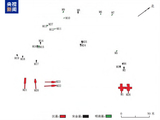
Recent archaeological discoveries in Shanxi Province have brought to light a series of Han Dynasty family tombs, offering significant insights into ancient Chinese burial practices and social organization. This finding, reported by both CCTV and Sina, underscores China's ongoing efforts to preserve and promote its cultural heritage, which has broader implications for international cultural diplomacy and tourism.
The discovery was made by the Shanxi Provincial Institute of Archaeology, revealing a total of 27 tombs, including six from the Han Dynasty. The excavation unearthed numerous burial artifacts such as pottery, bronze, and iron items, which are crucial for understanding the customs and technological advancements of the period. As Sina detailed, these tombs provide new data on the funerary customs and familial burial practices of the Eastern Han period, contributing to the broader narrative of China's historical development.
While CCTV focused on the archaeological techniques and preservation efforts, Sina provided a more detailed account of the artifacts and their potential historical significance. Both narratives highlight the importance of these findings in enhancing our understanding of Han Dynasty China, which remains a pivotal era in Chinese history.
Globally, such discoveries enhance China's soft power by showcasing its rich cultural history, potentially boosting tourism and international academic interest. For international markets and investors, this emphasis on cultural heritage can translate into increased opportunities in sectors like tourism, education, and cultural exchanges. Furthermore, these developments may influence policies in regions with significant Chinese cultural heritage, encouraging similar archaeological and preservation efforts.
For readers outside China, the significance of these discoveries lies in their ability to deepen global understanding of China's historical influence, which continues to shape cultural and economic exchanges today. As China positions itself as a steward of its ancient heritage, these efforts can foster greater international collaboration in cultural preservation and historical research.
Escalating US-Iran Military Tensions Impact Global Security and Markets
Recent developments highlight the escalating military tensions between the United States and Iran, with significant implications for global security and economic stability. Xinhua reports that the US military launched a new round of strikes against Iran on July 17, aiming to weaken Iran's military capabilities. This operation marks the seventh consecutive night of such actions, indicating a sustained US military strategy in the region. The strikes targeted multiple Iranian military installations, including maritime surveillance and air defense systems, with the US employing fighter jets, drones, and precision-guided missiles.
The implications of these actions are profound. For international markets, heightened tensions in the Middle East could lead to volatility in oil prices, given the region's critical role in global energy supplies. Investors and businesses worldwide should monitor these developments closely as they could disrupt supply chains and affect market stability.
From a policy perspective, these military maneuvers could influence US and EU foreign policies, potentially leading to increased diplomatic efforts to de-escalate tensions or, conversely, to further military posturing. The situation underscores the need for strategic dialogue between major powers to prevent broader regional destabilization.
In a related event reported by Sina, Iran responded by launching coastal defense cruise missiles at a US naval vessel in the northern Indian Ocean on July 17. Although the missiles did not cause damage, this action demonstrates Iran's willingness to counter US military activities and could signal a broader strategy to assert its influence in the region.
For international readers, understanding the dynamics of US-Iran relations is crucial, as these tensions could affect global geopolitical stability and economic conditions. The potential for miscalculation or escalation remains a significant concern for policymakers and market participants worldwide. Overall, these developments indicate a critical juncture in US-Iran relations with far-reaching implications for global security and economic interests.
China Allocates $30 Million for Chongqing Landslide Recovery: Implications for Infrastructure and Economy
Recent reports from CCTV reveal that China's National Development and Reform Commission has allocated 30 million yuan (approximately $4.6 million) for emergency recovery efforts following a landslide in Chongqing. This funding aims to support infrastructure repair and community recovery after the disaster, highlighting China's proactive approach to disaster management and its commitment to regional stability.
These developments indicate a significant state-level intervention to mitigate the impacts of natural disasters, which are becoming increasingly frequent due to climate change. International markets and investors should take note of China's rapid mobilization of resources, which underscores the country's prioritization of infrastructure resilience—a critical factor for supply chain stability. This move may signal potential opportunities for foreign firms specializing in construction, engineering, and disaster recovery services looking to enter or expand in the Chinese market.
The news highlights how China's internal policy decisions can have cascading effects on global economic patterns. For example, prompt recovery efforts in key industrial hubs like Chongqing ensure minimal disruption to manufacturing and logistics networks that serve both domestic and international demands. As China continues to invest in disaster recovery and infrastructure modernization, it may influence other countries to adopt similar strategies, potentially leading to increased global demand for technology and expertise in sustainable infrastructure development.
For policymakers in the US, EU, and other regions, China's investment in disaster recovery could serve as a model for enhancing infrastructure resilience against natural disasters. Moreover, this initiative may reflect China's broader strategic goals of maintaining economic stability and social cohesion, which are crucial for sustaining its growth trajectory and competitive position in the global economy.
The Passing of Gao Shanwen Sparks Debate on China's Economic Transparency and Global Implications
The recent passing of Gao Shanwen, a prominent Chinese economist, has ignited discussions about the transparency of China's economic data and the political challenges faced by those who speak candidly about it. Gao, who passed away at the age of 55 from pancreatic cancer, was known for his outspoken views on China's economic growth figures. He famously argued that China's real GDP growth in recent years was only about 2%, contrary to the 5% reported by the Beijing government. This claim reportedly angered Chinese President Xi Jinping, leading to a ban on Gao's public commentary.
The Liberty Times highlights the political ramifications of Gao's assertions, noting how his revelations about the true state of China's economy were seen as a threat by the Chinese Communist Party (CCP). This reaction underscores the sensitive nature of economic data in China and the potential consequences for those who challenge the official narrative. The article further discusses how Gao's observations on the post-COVID-19 Chinese society—characterized by a vibrant older generation and a disillusioned youth—resonated widely on social media, leading to his censorship.
For international markets and policymakers, Gao's passing and the subsequent discourse raise critical questions about the reliability of China's economic data. Investors and businesses worldwide rely on accurate data to make informed decisions, and discrepancies can lead to misjudgments about market conditions and economic stability. The skepticism surrounding China's reported growth figures may prompt international analysts to seek alternative data sources or adjust their models to account for potential inaccuracies.
Moreover, the global community should be aware of the broader strategic implications of this development. As China continues to play a significant role in the global economy, any perceived lack of transparency can affect trade negotiations, investment flows, and economic partnerships. It also highlights the challenges faced by economists and analysts within China who strive to provide accurate assessments amidst political constraints.
Gao's story serves as a reminder of the complex interplay between politics and economics in China, and why international observers must remain vigilant in their assessment of Chinese economic data. The implications extend beyond China's borders, influencing global economic strategies and policy decisions.