China's Ambitious Five-Year Plan; US-Iran Tensions Persist; Global Sports and Safety Concerns
NBA Match Ups and Their Global Impact: Understanding the International Implications of US Sports
The recent NBA games covered by Sina highlight the competitive nature of the league and the international interest in basketball as a global sport. The matchup between the Orlando Magic and the Miami Heat, where the Magic secured a narrow 121-117 victory, underscores the growing parity within the league. The Magic's win ended the Heat's seven-game winning streak and moved them up in the Eastern Conference standings. For international markets, this indicates the lucrative potential of NBA teams' performances influencing merchandise sales, broadcasting rights, and sponsorship deals. The game showcased players like Ben Carroll, whose 27 points, 8 rebounds, and 7 assists were pivotal, reflecting the importance of individual star power in attracting global fanbases.
Another article from Sina discusses a soccer match between Miami International and Charlotte FC, ending in a 0-0 draw. While this might seem less impactful, it highlights the growing influence of American soccer on the global stage. Such events stress the importance of strategic investments in sports infrastructure and talent development, which can influence international perceptions and investments in U.S. sports.
In another NBA game, the Charlotte Hornets' victory over the Detroit Pistons, reported by Sina, ended an 11-game losing streak for the Pistons. This result not only affects team morale and standings but also impacts international betting markets and viewership patterns. The Hornets' win, driven by strong performances from players like LaMelo Ball, emphasizes the global appeal of dynamic, young players and their potential to drive international audience engagement.
Overall, these sports narratives highlight the global interconnectedness of sports leagues like the NBA and MLS. They demonstrate how team performances can influence international markets, sponsorships, and fan engagement across different regions, particularly in markets like China that have a strong interest in basketball. For policymakers and investors, understanding these dynamics is crucial for capitalizing on sports as a tool for cultural diplomacy and economic engagement.
Iran's Decoy Tactics and the Strategic Race for Space-Based Data Centers
Recent developments highlight Iran's continued use of decoy tactics in military operations, as reported by Sina. The article discusses Iran's use of painted decoy aircraft to mislead incoming missiles, a strategy dating back to World War II. This underscores the enduring relevance of cost-effective military deception techniques in draining adversaries' resources. For international markets, this means heightened risk assessments for defense contractors and potential shifts in military technology investments.
In a parallel narrative, Tencent reports on a significant cyber-physical attack by Iran on Amazon Web Services (AWS) data centers in the Middle East, which disrupted a vast array of services. This incident marks a new frontier in cyber warfare, targeting major cloud service providers and highlighting vulnerabilities in global digital infrastructure. Businesses and investors worldwide must now reassess the resilience of cloud-dependent operations, while policymakers in the US and EU might push for stricter cybersecurity regulations and international cooperation to safeguard digital economies.
The same report from Tencent also delves into the global race for space-based data centers, revealing ambitions from China, the US, and private enterprises like SpaceX to establish data processing capabilities in orbit. This race is driven by the promise of leveraging abundant solar energy and the natural cooling environment of space, potentially revolutionizing data center economics. For international readers, this signals a transformative shift in the tech industry, with implications for energy consumption, data latency, and the geopolitical landscape of tech dominance. The strategic importance of space-based infrastructure could redefine global power dynamics, influencing future trade policies and international alliances.
Overall, these stories collectively illustrate a landscape where military tactics, cybersecurity, and technological advancements intersect with global economic and geopolitical strategies. As nations and corporations vie for technological superiority, the outcomes will shape international market trends, regulatory environments, and the strategic calculus of global powers.
US-Iran Tensions: Trump's Stance on Ceasefire Talks and Strategic Implications
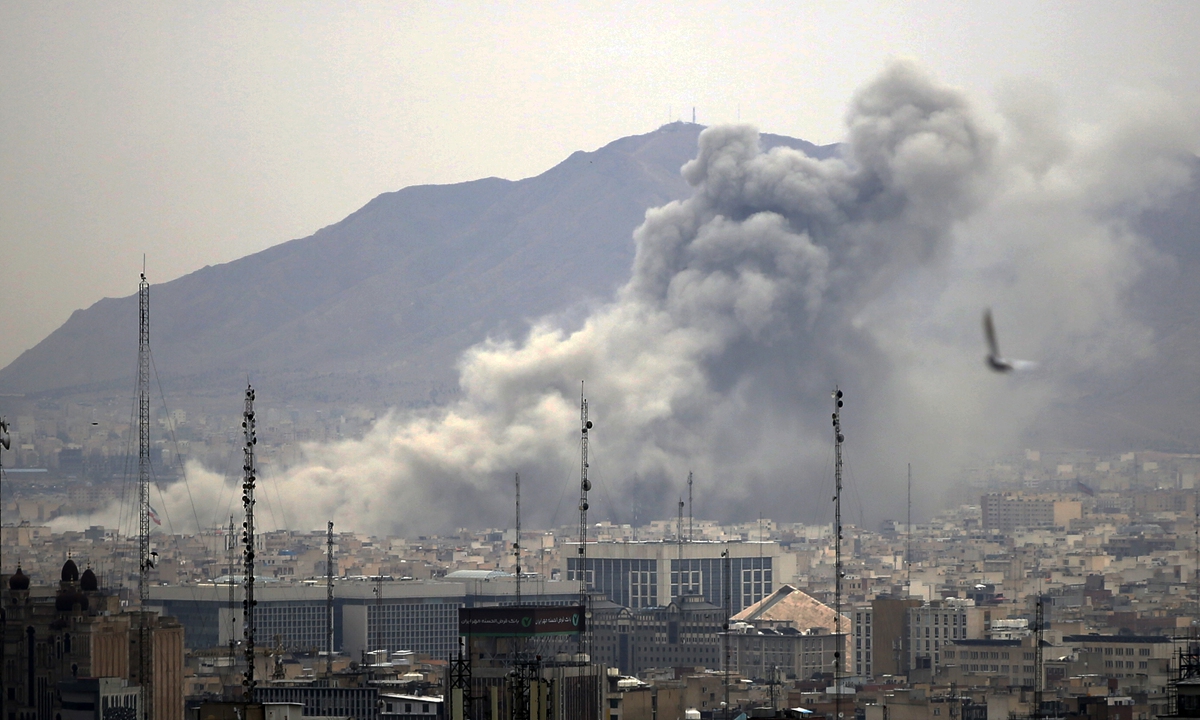
In recent developments, the ongoing tensions between the US and Iran have been highlighted by statements from former US President Donald Trump. During an interview with Sina News, Trump dismissed rumors about the death of Iran's new supreme leader, Mojtaba Khamenei, labeling them as falsehoods. This narrative serves to underscore the complexity of US-Iran relations, where misinformation can quickly escalate tensions and influence diplomatic strategies.
Further analysis from Sina News reveals Trump's position on ceasefire negotiations with Iran. Despite Iran's willingness to engage in talks, Trump stated that the current conditions are inadequate for an agreement. This highlights a critical impasse in US-Iran relations, where strategic conditions and military capabilities play a significant role in shaping diplomatic outcomes.
These developments have substantial global implications. For international markets and investors, the uncertainty in US-Iran relations can affect oil prices and energy security, particularly given the strategic significance of the Hormuz Strait. Trump's comments about US military actions weakening Iran's capabilities further emphasize the potential for disruption in the region. This could lead to volatility in global energy markets, impacting businesses and economies worldwide.
For policymakers in the US and EU, the stance taken by Trump underscores the challenges of negotiating with Iran, especially concerning its nuclear ambitions. The insistence on Iran abandoning its nuclear program as a precondition for any agreement reflects broader concerns about nuclear proliferation and regional security in the Middle East.
International readers should note that these tensions are not isolated but part of a broader geopolitical struggle involving multiple actors. The US's strategic partnerships with other countries to ensure the security of the Hormuz Strait indicate a collective approach to regional stability, albeit with undisclosed partners.
Overall, the situation requires careful monitoring as it evolves, given its potential to influence global energy supplies, international diplomatic relations, and the strategic balance in the Middle East.
Hotel Fire in Seoul Highlights Safety Concerns and Diplomatic Coordination
In a recent incident, a fire broke out at a hotel in the Myeongdong area of Seoul, South Korea, causing injuries to 10 people, including a Chinese national. The fire was extinguished swiftly, but the event has raised concerns about safety protocols in international travel destinations. The Chinese Embassy in South Korea has urged local authorities to provide full medical assistance to the injured and to expedite the investigation into the cause of the fire.
CCTV and Sina both reported on the incident, highlighting the embassy's active role in ensuring the welfare of its citizens abroad. While CCTV emphasized the embassy's immediate response and coordination with South Korean authorities, Sina focused on the overall impact of the incident on foreign visitors, noting that all the injured were tourists.
For international markets and businesses, this incident underscores the importance of robust safety measures in the hospitality industry, particularly in regions heavily frequented by international tourists. It also highlights the role of diplomatic missions in crisis management and the potential for such events to affect bilateral relations and tourism policies.
From a policy perspective, this situation might prompt countries to review and strengthen their consular services and emergency response protocols for citizens traveling abroad. It also serves as a reminder of the interconnectedness of global travel and the need for international cooperation in ensuring traveler safety.
China's '15th Five-Year Plan' Sets Ambitious Economic and Technological Goals with Global Implications
Recent developments surrounding China's '15th Five-Year Plan' highlight the country's strategic focus on achieving high-quality economic growth and advancing technological capabilities. This plan, officially released on March 13, 2026, outlines significant economic and social development goals for the next five years, emphasizing innovation and digital transformation as core themes.
According to CCTV, the plan's emphasis on high-quality development is not merely a domestic agenda but signals China's intent to bolster its global economic influence. The plan's focus on innovation-driven growth and digital economy advancements suggests that China is positioning itself as a leader in the next wave of technological evolution. This development could have substantial implications for international markets, as global investors and businesses may need to recalibrate their strategies to account for China's enhanced role in technology sectors.
Another CCTV article delves into the dual themes of smart development and high-quality population growth, indicating a strategic pivot towards sustainable and inclusive economic policies. This aligns with global trends towards sustainable development, potentially influencing international policy frameworks, particularly in the EU and other regions focused on green growth. For investors, this means increased opportunities in sectors aligned with these themes, such as renewable energy, biotechnology, and digital services.
These developments indicate that China's domestic policies will have far-reaching effects beyond its borders. As the country continues to advance its technological capabilities, particularly in AI and digital infrastructure, it is likely to exert greater influence in global tech competition. This could prompt other nations, including the US, to reassess their own technological policies and competitive strategies, especially regarding supply chain resilience and innovation ecosystems.
Overall, the '15th Five-Year Plan' not only charts a course for China's domestic growth but also underscores the country's ambition to shape global economic and technological landscapes. International stakeholders should closely monitor these developments, as they will undoubtedly impact global trade dynamics, investment flows, and strategic alliances.