
China's Strategic Role in APEC 2026; Youth Employment Initiatives; AI's Global Impact on Sustainable Development
APEC 2026: A Glimpse into China's Leadership and Strategic Partnerships
Recent events show China's active preparation for leading the APEC 2026 summit, as reported by Xinhua. The article highlights China's commitment to fostering economic growth and cooperation in the Asia-Pacific region by promoting free trade, digital economy, and AI integration. This narrative underscores China's longstanding dedication to regional integration, drawing historical parallels with previous APEC summits hosted by China.
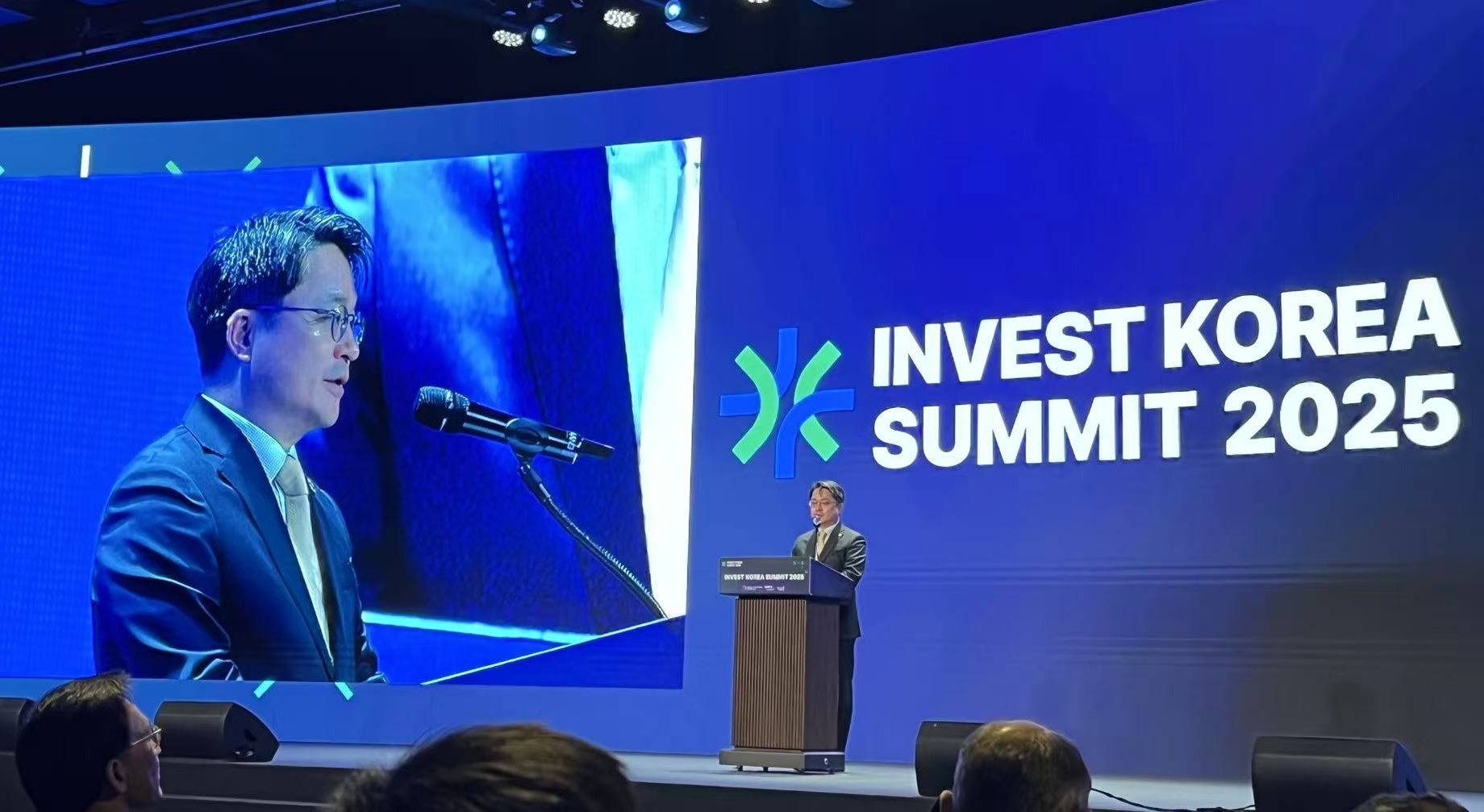
Meanwhile, CGTN reports on the Invest Korea Summit, held concurrently with the APEC CEO Summit, emphasizing South Korea's ambition to become a leading AI powerhouse. The summit, marked by substantial foreign investment commitments, showcases South Korea's strategic focus on AI and advanced industries as growth engines.
These developments indicate a shared regional emphasis on technological advancement and economic collaboration. However, Xinhua's narrative underscores China's leadership role and vision for a unified Asia-Pacific community, while CGTN highlights South Korea's strategic initiatives to enhance its global competitiveness in AI and technology sectors.
The news highlights the strategic positioning of both China and South Korea within the APEC framework, each leveraging their strengths to foster regional growth and innovation. It appears that both nations are aligning their economic strategies with broader technological trends, aiming to drive regional prosperity through advanced industry leadership.
Beijing Expands Support for Youth Employment and Innovation
Recent events show Beijing is intensifying its focus on youth employment and entrepreneurship, particularly targeting recent graduates and young job seekers. According to Tencent News, Beijing has announced an expanded policy framework to support university graduates and young people in job placements and entrepreneurship. This initiative is part of a broader strategy involving multiple city departments, including the Municipal Human Resources and Social Security Bureau and the Municipal Finance Bureau.
The news highlights several key measures, such as extending the scope of one-time employment expansion subsidies to include graduates within two years of leaving school and unemployed youth aged 16-24. These developments indicate a strategic push to stabilize employment by incentivizing companies to hire young graduates, with businesses eligible for subsidies upon signing labor contracts and paying mandatory social insurances.
It appears that the city is also enhancing its infrastructure for job placement by establishing a network of guidance and support centers within universities. This move aims to integrate policy consultations and career planning services into the academic environment, making them more accessible for students nearing graduation.
Moreover, the city plans to bolster housing support for young talent, addressing cost-of-living challenges that deter graduates from settling in Beijing. This aligns with the city's broader goals of attracting and retaining young professionals, particularly in emerging sectors like AI and biotechnology.
Overall, the article from Tencent portrays Beijing's initiatives as comprehensive and multifaceted, with a clear emphasis on practical support mechanisms and policy integration to facilitate youth employment and entrepreneurship. The narrative suggests a proactive government stance, aiming to leverage young talent to drive economic growth and innovation.
AI and Global Cooperation: Bridging Technological Innovations for Sustainable Development
Recent events highlight the 2025 World Technology and Development Forum held in Beijing, a significant gathering organized by the China Association for Science and Technology. The forum, part of China's 'Open Cooperation Month,' focused on the theme of 'Artificial Intelligence Promoting Technology and Development.' It brought together global scientists and industry leaders for in-depth discussions over three days, emphasizing AI's role in addressing global developmental challenges and the urgent need for international scientific collaboration amidst climate change, biodiversity loss, and developmental imbalances.
These developments indicate that the forum underscored the importance of AI as both a catalyst for scientific breakthroughs and an enabler of economic and social transformation. The call for global technological cooperation was strong, with China showcasing its contributions to sustainable development. The report from the Sustainable Development Big Data International Research Center highlighted the global development crisis, revealing that out of 18 monitored indicators, only 'wetland area' showed no net loss, while others faced significant challenges.
The news highlights China's leading role in contributing to global development, with China ranking first globally for its contributions, alongside Canada, Brazil, and Norway. The forum also stressed AI's dual role as an accelerator of scientific progress and a subject of governance challenges, requiring careful management to avoid amplifying human biases. The narrative from Xinhua News emphasizes the need for a balanced approach to AI, integrating human wisdom with machine intelligence to maximize potential while acknowledging limitations.
It appears that the forum's discussions on AI governance and global scientific cooperation were crucial, with calls for establishing ethical standards and safety norms while maintaining openness. The emphasis was on building a new ecosystem for global science and technology governance through open collaboration. The forum, in its essence, reflected the belief that 'Science Knows No Borders,' advocating for international dialogue and cooperation as the path to a better future.
In conclusion, the 2025 World Technology and Development Forum served as a platform for reinforcing the idea that AI and open collaboration are essential for addressing technological challenges and promoting human welfare. The forum's outcomes suggest that AI's true potential lies in its ability to drive systemic changes in society, illuminating every corner of the world with the light of technology.