
Global Defense Shifts; Hormuz Tensions Threaten Energy Stability; China's Cultural Diplomacy Expands
US Missile Shortages and Global Security Dynamics Amidst Ukraine Conflict
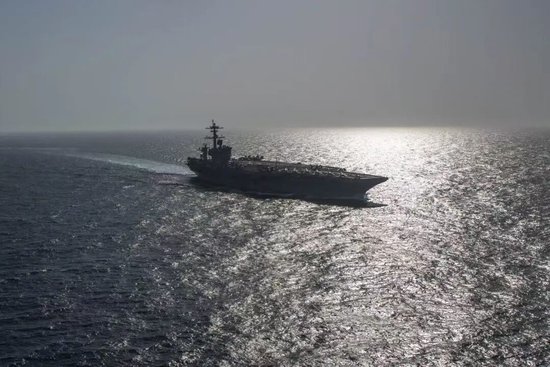
Recent reports have highlighted a significant depletion in the US military's stockpile of 'Patriot' missiles, as echoed by multiple Chinese media outlets including Xinhua and Sina. These outlets report that the US has exhausted over 1,500 missiles in the ongoing conflict with Iran, leading to a shortfall of around 1,700 units. Despite efforts by the Trump administration to ramp up production, it is projected that it could take over two years to replenish these stocks.
The global implications of this development are profound. For international markets and defense contractors, this signals potential opportunities for increased production contracts and a boost in defense-related stocks. However, for US and EU policymakers, it raises concerns about military readiness and the ability to respond to multiple global threats simultaneously.
Moreover, Xinhua reports that Ukraine has reached an agreement with the US for a steady supply of these missiles, although it still falls short of meeting Ukraine's air defense needs. This highlights the ongoing strategic alliance between the US and Ukraine amidst the latter's conflict with Russia, which has broader implications for NATO's security posture and the US's strategic commitments in Eastern Europe.
In contrast, the Liberty Times focuses on a separate but related incident involving a drone carrying explosives at a German airport, suspected to be linked to Russian activities. This incident underscores the potential for escalated proxy conflicts and the testing of NATO's resolve, which could lead to increased tensions and security measures within Europe.
Lastly, Sina also covers Russia's recent military maneuvers, including attacks on Ukrainian infrastructure and military assets. This continuous aggression by Russia further complicates the geopolitical landscape, affecting energy markets and prompting a reevaluation of security strategies by NATO members.
Collectively, these articles paint a picture of a complex global security environment where the depletion of US missile stocks, ongoing US-Ukraine defense cooperation, and Russian military activities are interlinked, with significant implications for global stability and international policy frameworks.
Iran's Strait of Hormuz Standoff: Global Implications for Energy and Diplomacy
The recent developments surrounding the Strait of Hormuz, a critical maritime chokepoint, have drawn significant international attention. As reported by multiple sources, Iran has issued a series of demands to the United States, linking the reopening of the Strait to the lifting of sanctions and military withdrawals. This standoff holds substantial implications for global energy markets and geopolitical dynamics.
World Journal highlights Iran's insistence that the U.S. must meet specific conditions, such as ending the blockade and withdrawing military forces, before the Strait can be fully reopened. This move is seen as a strategic maneuver by Iran to leverage its control over a vital oil transit route, which could disrupt global oil supplies and increase prices if unresolved.
Sina echoes this sentiment, emphasizing Iran's six conditions, including compensation for war damages and the unfreezing of assets. The article suggests that these demands are a response to internal pressures and a strategic play to test the limits of U.S. resolve, potentially impacting U.S. domestic politics, especially with upcoming elections.
World Journal further reports on the progress of negotiations between Iran and Oman, indicating a potential breakthrough. However, Iran's Revolutionary Guard's hardline stance presents a significant barrier, reflecting internal divisions and complicating diplomatic efforts.
Liberty Times provides insights into the broader geopolitical implications, noting that any prolonged closure of the Strait could severely affect international shipping and energy prices, thereby influencing global economic stability. The report also highlights the strategic importance of the Strait, through which a substantial portion of the world's oil supply transits.
Xinhua underscores the technical complexities of the negotiations, suggesting that while Iran and Oman are close to an agreement, the reopening of the Strait is contingent upon U.S. concessions. This highlights the intricate balance of power and the potential for escalating tensions if diplomatic solutions are not found.
These articles collectively illustrate the high stakes involved in this geopolitical standoff. For international markets, the uncertainty surrounding the Strait's status could lead to volatile oil prices, impacting global economic conditions. For policymakers in the U.S. and EU, the situation demands careful navigation to avoid exacerbating tensions while securing energy supplies. The broader strategic implications underscore the interconnected nature of global energy security and geopolitical stability, making this development one of global concern.
Hunter Biden's Health Struggles: Global Implications and Domestic Reactions
The recent revelations about Hunter Biden, son of former U.S. President Joe Biden, and his battle with prostate cancer have captured significant media attention. This situation not only highlights personal and familial challenges but also raises questions about political dynamics and public perception in the United States and beyond.
Liberty Times reports that Hunter Biden has disclosed the spread of cancer cells to his bones, significantly impacting his life. The article emphasizes the emotional toll on the Biden family, highlighting a personal struggle that resonates with many families dealing with similar health issues. The narrative here is one of vulnerability and resilience, painting a picture of a family facing adversity with dignity.
Similarly, another Liberty Times article underscores the emotional impact on Hunter Biden, describing his distress upon witnessing his father's health decline. The focus here is on the personal and emotional dimensions of the situation, which may elicit sympathy from the public while also raising questions about the political implications of Joe Biden's health as a leader.
Sina provides a more clinical account, detailing the medical aspects of the diagnosis and treatment plans. This approach offers a factual perspective that might appeal to audiences interested in the specifics of medical interventions and their effectiveness.
These articles collectively reveal how personal health issues of prominent figures can have wide-ranging implications. For international markets and investors, the health of a political figure like Joe Biden can influence perceptions of stability and continuity in U.S. policy, potentially affecting market confidence and economic forecasts. In the context of U.S.-China relations, any perceived vulnerability in the U.S. leadership might alter diplomatic dynamics, impacting negotiations and strategic decisions.
For policymakers in the U.S. and EU, understanding the domestic pressures and public sentiment surrounding such personal issues is crucial for crafting responsive and empathetic policies. Hunter Biden's situation also serves as a reminder of the human element in political leadership, which can influence both domestic politics and international relations.
This narrative underscores the interconnectedness of personal, political, and international spheres, illustrating why readers worldwide should pay attention to these developments. The broader strategic implications include potential shifts in U.S. foreign policy priorities and the need for allied countries to recalibrate their diplomatic strategies accordingly.
Recent Earthquakes in Japan and Xinjiang: Implications for International Preparedness and Response
Recent seismic activities in Japan and China's Xinjiang region underscore the importance of international cooperation in disaster preparedness and response strategies. On August 9th, a 4.2 magnitude earthquake struck Japan's Kumamoto Prefecture, with the epicenter located in the Tenryu and Ryuhoku regions at a depth of 10 kilometers, as reported by Sina. Although relatively minor, such events remind us of Japan's vulnerability to seismic activities, given its location on the Pacific Ring of Fire.
Similarly, the same day saw a 3.2 magnitude earthquake in Kucha, located in Xinjiang's Aksu Prefecture, with a depth of 16 kilometers, as reported by Sina. While this event was less intense, it highlights the seismic risks present in China's western regions.
For international investors and businesses, these events signal the need for robust contingency planning, especially in regions prone to natural disasters. The global supply chain could be impacted if significant disruptions occur, affecting industries reliant on Japanese and Chinese manufacturing and exports.
From a policy perspective, these earthquakes emphasize the necessity for the U.S., EU, and other regions to collaborate with China and Japan on enhancing early warning systems, sharing best practices in earthquake engineering, and bolstering emergency response capabilities. Such cooperation is crucial not only for humanitarian reasons but also for maintaining economic stability in an interconnected world.
Overall, while individually these earthquakes were not catastrophic, they serve as a timely reminder of the ongoing need for international dialogue and cooperation in disaster risk reduction and management.
Chinese Military Shakeup: Implications for Global Security and Governance
Recent reports from Radio France Internationale (RFI) highlight a significant restructuring within China's military leadership, with several high-ranking officers being dismissed or disappearing from public view. This development underscores the Chinese government's ongoing anti-corruption campaign within the People's Liberation Army (PLA), which has seen waves of purges since the 20th Party Congress.
According to the reports, at least six senior military leaders, including three top generals, have been removed from their posts due to alleged "serious violations of discipline and law." This shakeup raises questions about the stability and operational capacity of China's military, especially given the absence of many senior leaders during key events and ceremonies.
For international markets and businesses, this internal upheaval could signal potential shifts in China's defense and foreign policy strategies. With new, less experienced leaders at the helm, there may be a period of adjustment that could affect China's military readiness and its approach to regional conflicts, including those in the South China Sea and Taiwan Strait. Investors and companies with interests in China should monitor these changes closely, as they could impact geopolitical stability and trade dynamics in the Asia-Pacific region.
From a policy perspective, these developments are crucial for the US, EU, and other regional powers. The ongoing anti-corruption drive within the PLA might indicate a tightening grip by President Xi Jinping on the military, potentially leading to more assertive or unpredictable military posturing. This could necessitate recalibrations in foreign policy and defense planning by other nations to address both the risks and opportunities presented by a potentially more centralized Chinese military command.
Globally, the Chinese military's restructuring could have broader strategic implications. As China continues to assert its influence, the effectiveness and integrity of its military leadership will play a critical role in shaping the regional security architecture. Understanding these internal dynamics is essential for international policymakers and analysts who seek to anticipate China's future moves on the world stage.
China's Cultural Diplomacy: Navigating Global Influence with Inclusivity and Respect
The recent article from Xinhua provides an in-depth look at China's approach to cultural diplomacy, emphasizing President Xi Jinping's philosophy of inclusivity and respect for diverse cultures. The piece highlights China's historical contributions to global culture, such as paper-making and the compass, and underscores Xi's call for mutual respect among civilizations.
Xi's vision of cultural diplomacy is portrayed as a strategic effort to foster global cooperation and understanding. By advocating for the appreciation of different cultures while maintaining one's own identity, China positions itself as a leader in promoting a harmonious international order. This approach aligns with China's broader geopolitical strategy to enhance its soft power, offering an alternative to Western-centric global narratives.
For international markets and investors, China's cultural diplomacy signifies an effort to create a more predictable and stable global environment. This could lead to increased economic opportunities and partnerships, as cultural exchanges often pave the way for trade agreements and business collaborations. Additionally, as China promotes cultural inclusivity, it may influence global consumer markets, driving demand for culturally diverse products and services.
From a policy perspective, Xi's emphasis on cultural respect may challenge Western policies that often prioritize democratic values over cultural relativism. This could lead to nuanced diplomatic engagements, where countries might reconsider their foreign policies to accommodate or counter China's rising influence.
For readers outside China, understanding China's cultural diplomacy is crucial as it impacts global narratives and power dynamics. By appreciating the strategic underpinnings of China's cultural initiatives, international audiences can better navigate the complexities of global interactions in an era where cultural diplomacy plays a pivotal role in shaping international relations.