Global Security Challenges: From Russia-Ukraine Tensions to Louvre Museum Heist; Implications for International Stability
Russia-Ukraine Conflict: Global Reactions and Strategic Implications
The recent coverage surrounding the Russia-Ukraine conflict, as it marks its fourth anniversary, presents varying narratives from different publications, reflecting a spectrum of geopolitical stances and implications for international stakeholders.
Liberty Times highlights the Ukrainian President's emphasis on Ukraine's resilience and lack of defeat despite Russian aggression. This narrative underscores the ongoing support from European nations and calls for continued defense of European lifestyles, suggesting a strategic push towards deeper EU integration. For international markets and policymakers, this signals potential shifts in European defense spending and a continued focus on regional stability.
The World Journal reports on the Kremlin's assertion that Western intervention has escalated the conflict into a larger-scale confrontation. This perspective reflects Russia's narrative of external aggression and highlights the sustained geopolitical tensions between Russia and the West. For investors and businesses, this suggests ongoing volatility in Eastern European markets and the potential for extended sanctions impacting global supply chains.
Liberty Times also covers an analysis by a UK military think tank, noting Russia's capacity to sustain its military operations throughout 2026, despite economic strains. This points to a protracted conflict that requires sustained attention from NATO and EU countries, potentially affecting defense budgets and strategic alliances. The think tank's report on Russia's drone and missile capabilities further emphasizes the evolving nature of warfare, with implications for defense technology investments worldwide.
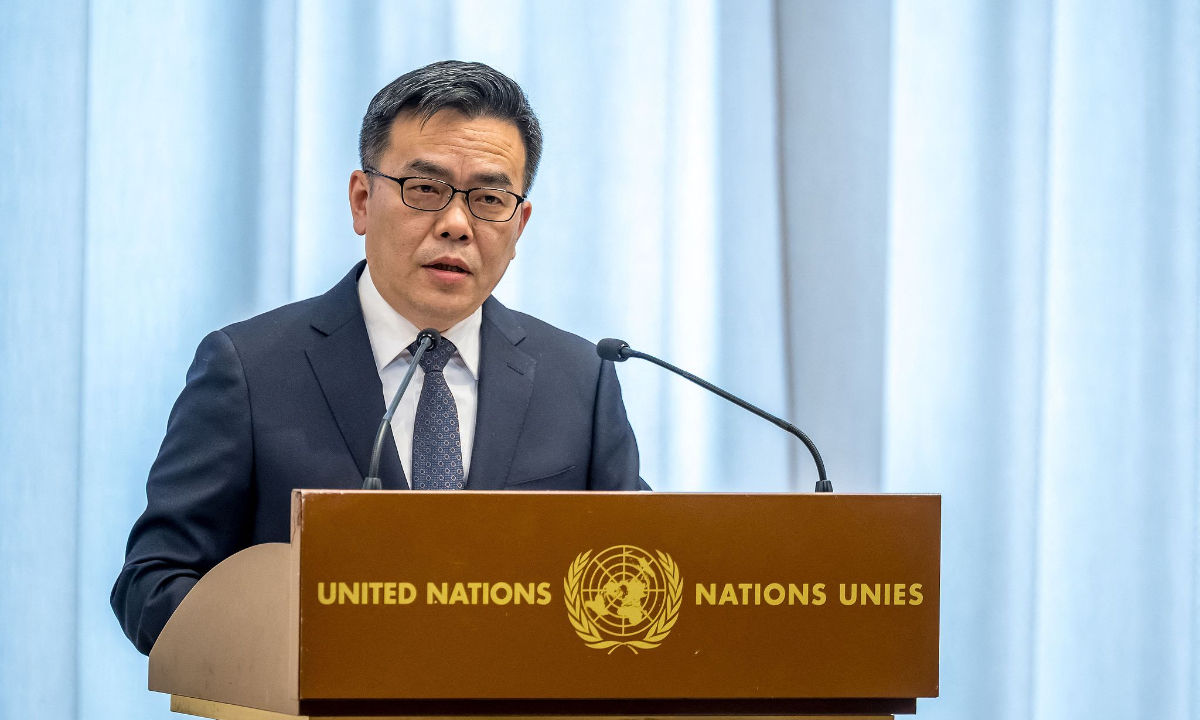
Further coverage by Liberty Times describes a walkout at the United Nations by multiple countries during a Russian representative's speech. This diplomatic gesture illustrates the deepening isolation of Russia on the global stage and highlights the international community's unified stance against Russian actions. Such developments could influence diplomatic relations and international law discussions, affecting global governance structures.
Lastly, Liberty Times reports on a UN resolution supporting Ukraine's territorial integrity, with the US abstaining from the vote. This abstention marks a significant shift in US foreign policy, potentially indicating a recalibration of its stance on international conflicts. For global policymakers and investors, this suggests a nuanced approach to US engagement in international disputes, which could affect bilateral relations and economic policies.
Overall, these articles collectively highlight the multifaceted nature of the Russia-Ukraine conflict and its far-reaching implications. The ongoing tensions and strategic realignments underscore the critical need for international stakeholders to closely monitor developments, which could have profound effects on global political dynamics, economic stability, and security frameworks.
US-Iran Nuclear Negotiations Loom Large Amid Diplomatic Maneuvers and Military Tensions
The recent surge in diplomatic and military activities between the United States and Iran has captured global attention. As negotiations on a potential nuclear agreement continue, various media outlets provide differing perspectives on the unfolding events.
Liberty Times highlights the optimism of Iran's Foreign Minister Abbas Araghchi, who expressed that reaching a nuclear agreement with the United States is 'within reach.' This statement underscores the potential for historic diplomatic breakthroughs that could have significant ramifications for international markets and geopolitical stability, particularly in the energy sector.
Similarly, World Journal echoes this sentiment, emphasizing the importance of prioritizing diplomatic channels. Both articles suggest a mutual interest in avoiding escalation and achieving a peaceful resolution, which could influence US and EU policies towards Iran, potentially easing economic sanctions and impacting global oil prices.
In contrast, Sina paints a bleaker picture, suggesting that military conflict with Iran is merely a matter of time. The article discusses potential military actions and their strategic implications, highlighting the precarious balance of power in the Middle East. This narrative could incite concerns among international investors about regional stability and the security of global energy supplies.
Meanwhile, CCTV reports on Iran's military readiness and its capability to inflict significant damage if provoked by the US. Such rhetoric underscores the risks of military miscalculation and the potential for broader regional conflict, which could have far-reaching consequences for global security and economic stability.
These developments indicate a complex interplay of diplomacy and military posturing, with significant implications for international markets and geopolitical strategies. For international readers, understanding the dynamics of US-Iran relations is crucial, as outcomes could affect energy prices, security policies, and regional alliances, impacting global economic and political landscapes.
Tensions Flare as Afghanistan and Pakistan Engage in Border Skirmishes, Highlighting Regional Instability
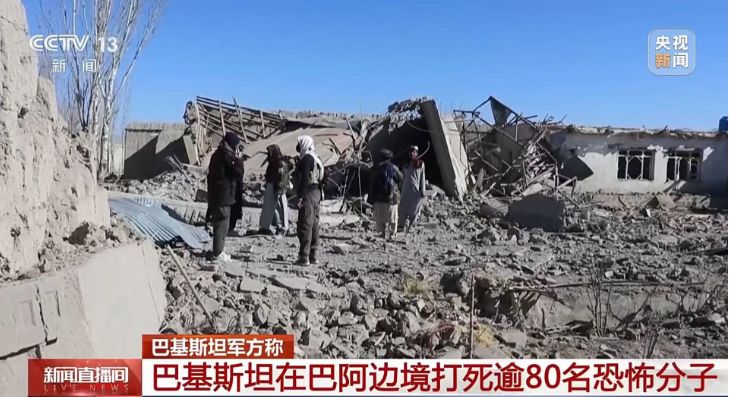
Recent reports from CCTV and Sina confirm that Afghanistan and Pakistan experienced brief but intense border skirmishes on February 24th. According to Afghanistan's Ministry of Defense, the confrontation was provoked by Pakistani forces firing on Afghan personnel during a routine patrol. This incident underscores ongoing tensions between the two nations, which have a history of border disputes and mutual distrust.
Sina's coverage emphasized the use of heavy weaponry by both sides, raising concerns about potential escalation. This detail points to a significant risk for regional stability, which could disrupt the already fragile security landscape in South Asia. The use of such weaponry, while not resulting in immediate casualties, signals a heightened state of alert and readiness for conflict, which could deter international investors wary of instability in the region.
Both articles from Sina and CCTV noted that the situation has since returned to normal, with no further exchanges reported. However, this temporary resolution does little to alleviate the underlying tensions that could reignite at any moment. The potential for future conflicts remains, posing a continuous threat to regional economic development and trade routes critical to global supply chains.
For international readers, these developments are particularly relevant given the strategic importance of Afghanistan and Pakistan in the context of U.S. and EU foreign policy. The United States, having recently concluded its military engagement in Afghanistan, continues to monitor the region closely due to its implications for counterterrorism and regional security. The EU, on the other hand, may see this as an opportunity to assert its influence through diplomatic channels, advocating for peaceful resolutions to such disputes.
Overall, the skirmishes between Afghanistan and Pakistan serve as a reminder of the delicate geopolitical balances in South Asia. They highlight the need for sustained diplomatic efforts to prevent further escalation and ensure stability, which is crucial for maintaining the flow of international trade and investment in the region.
Louvre Leadership Resignation Amid Security Concerns: Global Implications for Cultural Heritage
Recent developments at the Louvre Museum in Paris, a globally renowned cultural institution, have attracted significant attention following the resignation of its Director, Laurence des Cars. The resignation was officially accepted by French President Emmanuel Macron, highlighting the ongoing challenges the museum faces, notably after a high-profile heist in October 2025. This incident involved the theft of French crown jewels valued at approximately $1 billion, underscoring vulnerabilities in the museum's security infrastructure.
CCTV's coverage focuses on the administrative aspects of des Cars' resignation, emphasizing the museum's outdated security systems and internal coordination issues, which were spotlighted by an investigation into the heist. The reporting suggests that des Cars' departure is a responsible act in light of these persistent security challenges.
World Journal provides a broader context, linking des Cars' resignation to systemic failures within the museum. The article highlights ongoing labor strikes and additional operational disruptions such as ticket fraud and facility maintenance issues, painting a picture of widespread organizational challenges.
For international markets and businesses, these developments at the Louvre serve as a cautionary tale about the importance of robust security measures in cultural institutions. The incident may prompt increased scrutiny and investment in security technologies, potentially benefiting sectors specializing in surveillance and cybersecurity. Additionally, this situation underscores the importance of operational stability in maintaining the reputation and financial health of cultural entities, which are vital to tourism economies.
From a policy perspective, the Louvre's challenges may influence cultural heritage management standards globally, prompting other countries to reassess their security protocols in museums and heritage sites. This is particularly relevant for regions heavily reliant on cultural tourism, such as Europe and parts of Asia.
Readers outside China should note that the Louvre's struggles reflect broader strategic and economic implications for cultural institutions worldwide. The incident highlights the need for international collaboration in cultural heritage preservation and the potential for technology-driven solutions to enhance security and operational efficiency in the sector.