Iranian Official's Assassination; US-China Tensions Over Iran; Argentina Exits WHO; China's Modernization Strategy
Assassination of Iran's Security Chief Larijani: Global Impact and Strategic Implications
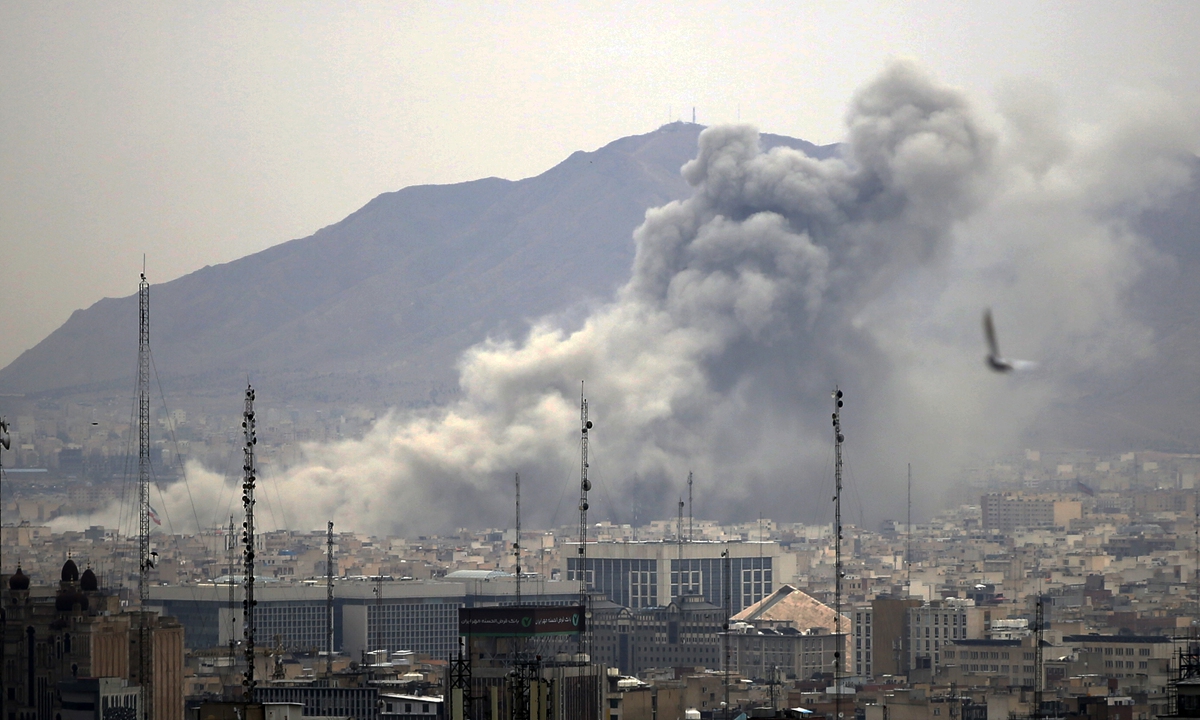
The assassination of Iran's top security official, Ali Larijani, has drawn significant international attention, given its potential to alter geopolitical dynamics in the Middle East. Multiple news outlets, including Sina, Liberty Times, and CCTV, report on the incident with varying narratives.
The Sina article highlights Larijani's role as a key figure in Iran's leadership, emphasizing his contributions to regional peace and security. The report underscores the profound loss to Iran's political landscape, framing the assassination as a significant blow to the country's strategic stability. The narrative suggests a potential for increased tensions in the region, which could have ramifications for international markets and global oil prices.
According to the Liberty Times, Larijani's death marks a critical escalation in the covert conflict between Iran, Israel, and the United States. The report asserts that Larijani, known for his political acumen and influence within Iran, was a pivotal figure in maintaining Iran's strategic initiatives. This development could lead to a re-evaluation of US and EU policies towards Iran, influencing diplomatic engagements and security strategies.
CCTV's coverage provides a detailed account of the assassination, confirming the involvement of Israeli military actions. The article suggests that the incident might further destabilize the region, potentially impacting international relations and security policies. The strategic implications for countries involved in Middle Eastern politics are significant, potentially reshaping alliances and military postures.
The World Journal offers an analysis of the assassination as part of a broader trend of targeted killings, indicating a shift towards more covert forms of warfare. This perspective raises concerns about the future of diplomatic solutions and the potential for increased conflict, affecting global peace efforts and security investments.
Overall, the assassination of Larijani is a pivotal event with far-reaching implications. For international readers, the incident underscores the fragility of Middle Eastern geopolitics and its potential to influence global markets, energy prices, and international security policies. As tensions escalate, the need for strategic diplomacy and international cooperation becomes increasingly critical to prevent further destabilization.
Global Ripple Effects of the Iran Conflict: US-China Dynamics and Military Sales to Taiwan
The ongoing conflict in Iran is increasingly impacting global geopolitics, with significant implications for international markets and policy decisions. The New York Times highlights how the military tensions are exacerbating US-China relations, particularly as the US seeks support from allies in the region. The report suggests that the conflict might delay a planned summit between the US and China, raising concerns about diplomatic stagnation. This development is crucial for international markets as it could lead to increased volatility and uncertainty, affecting trade and investment flows between the two largest economies.
Sina reports on South Korea's stance, noting that Seoul has not yet received a formal request from the US to send military ships to the Middle East. This highlights the complexities of alliance dynamics and the challenges in rallying international support. For businesses and investors, South Korea's cautious approach underscores the geopolitical risks associated with military conflicts and their potential to disrupt global supply chains.
The Global Times focuses on the broader strategic implications of the US-Israeli military actions against Iran, emphasizing the potential for a prolonged conflict to destabilize the region further. The article argues that this could lead to higher oil prices and increased economic strain globally, affecting energy-dependent economies in the EU and Asia.
Meanwhile, Liberty Times addresses concerns over US military sales to Taiwan amid the Iran conflict. Despite the ongoing military engagement, US officials have assured that there are no delays in arms transfers to Taiwan. This assurance is significant for Taiwan's defense strategy, especially given the increasing military pressure from China. For international policymakers, this highlights the US's commitment to supporting allies in the face of regional threats, which could influence future diplomatic and military alignments.
Overall, these articles collectively illustrate the multifaceted impacts of the Iran conflict on global geopolitics, emphasizing the interconnectedness of regional conflicts and international economic and strategic interests. For global readers, understanding these dynamics is vital as they shape the economic and political landscape in which businesses and governments operate.
USS Gerald R. Ford Fire Incident Sparks Strategic Concerns Amidst US Naval Deployments
Recent reports from multiple sources highlight an incident aboard the USS Gerald R. Ford, the newest and largest aircraft carrier in the US Navy, which has raised significant concerns about operational readiness and strategic naval deployments. The incident, involving a fire that broke out in the ship's laundry area, has caused the vessel to temporarily leave its Middle Eastern deployment for repairs in Greece. This development is noteworthy not only for its immediate impact on military operations but also for its broader implications for international security dynamics.
Xinhua reports that the fire led to injuries among crew members and required medical treatment for over 200 personnel due to smoke inhalation. The fire affected multiple compartments and destroyed over 100 bunks, which underscores the severity of the incident. Despite these challenges, the Pentagon has stated that the ship's combat capabilities remain intact.
Sina provides additional details, noting the fire lasted over 30 hours and caused significant disruptions, including forcing sailors to sleep on floors and tables. This report emphasizes the operational stresses on the crew, highlighting ongoing logistical challenges such as blocked toilets that have plagued the ship.
Liberty Times focuses on the strategic implications, pointing out that the USS Gerald R. Ford's extended deployment could break records for the longest sea duty if not for the current detour. This potential record highlights the intensity of US naval operations, particularly in strategically sensitive regions like the Middle East.
The strategic implications of this incident are manifold. For international markets and investors, the temporary withdrawal of a major US military asset from a geopolitically volatile region could signal shifts in security postures and influence energy market stability, given the ship's role in maintaining security in the Red Sea and surrounding areas. For US and EU policymakers, ensuring the operational readiness of critical military assets is vital for maintaining regional deterrence and responding to potential threats.
Globally, the incident serves as a reminder of the vulnerabilities inherent in complex military operations, potentially affecting perceptions of US naval power and readiness. It also highlights the importance of robust logistical support and maintenance capabilities in sustaining long-term military deployments. For readers outside China, understanding these dynamics is crucial as they navigate the geopolitical landscape, where shifts in military presence can have far-reaching effects on regional security and economic stability.
Argentina's Departure from WHO: Implications for Global Health and International Relations
Recent developments indicate that Argentina has officially announced its withdrawal from the World Health Organization (WHO), a decision confirmed by Argentine Foreign Minister Pablo Quirno. This move, reported by both Xinhua and CCTV, marks a significant shift in Argentina's international engagement in global health governance.
Both articles highlight that Quirno announced the decision on social media, emphasizing Argentina's intention to continue international health cooperation through bilateral agreements and regional mechanisms while maintaining autonomy over its health policy decisions. The formal withdrawal will take effect one year after the notification, in accordance with international treaty regulations.
From a global perspective, Argentina's exit from the WHO could have several implications. For international markets and businesses, this move may signal potential disruptions in the supply chains of medical supplies and pharmaceuticals, particularly in Latin America. For investors, this decision raises questions about Argentina's commitment to international standards and could impact foreign investment in the country's healthcare sector.
In terms of policy implications, the withdrawal could influence the US and EU's diplomatic strategies in the region, potentially prompting these powers to reassess their health aid and cooperation frameworks with Argentina. Moreover, it highlights a broader trend of countries reevaluating their roles in multilateral organizations, which could lead to a reshaping of global health governance.
For readers outside China, understanding Argentina's motivations behind this move is crucial. It reflects a growing sentiment of prioritizing national sovereignty over global cooperation, a theme that resonates in various geopolitical contexts. Strategically, this development could encourage other nations to reconsider their participation in international organizations, potentially leading to a more fragmented global health landscape.
Overall, while both Xinhua and CCTV provide a straightforward account of Argentina's decision, the broader implications for global health policy and international relations are significant, warranting close attention from policymakers and international stakeholders.
Assassination of Iranian Official: Implications for Global Geopolitics and Security
Two major Chinese media outlets, Tencent and Sina, have reported on the assassination of a key Iranian official, Larijani, highlighting the increasing brutality of conflict in the region. Both reports suggest that the assassination was executed by Israeli forces, a move that underscores the intensifying geopolitical maneuvers in the Middle East.
Tencent's coverage emphasizes the strategic implications of Larijani's assassination, noting that it represents a significant setback for Iran following the earlier elimination of high-ranking officials. The article suggests that this assassination could indicate the presence of internal betrayal within Iran's leadership, as the location and timing of Larijani's presence were known and exploited by Israeli operatives. This narrative suggests a potential vulnerability in Iran's internal security protocols, which could have broader implications for its regional influence.
On the other hand, Sina's report delves into the political ramifications of the assassination, portraying it as a calculated move that further destabilizes Iran's political structure. The article suggests that the removal of Larijani, a pivotal figure in Iran's decision-making hierarchy, could pave the way for more hardline elements to gain prominence within the Iranian government. This shift could lead to an escalation in retaliatory actions, thereby increasing tensions not only in the Middle East but also affecting global energy markets and international security dynamics.
The assassination of Larijani is not just a regional event; it has significant international implications. For global markets, particularly energy sectors, this development could lead to volatility as Iran might respond by targeting key oil infrastructures or disrupting shipping lanes in the Strait of Hormuz. This would likely trigger fluctuations in oil prices, impacting economies worldwide, especially those heavily reliant on energy imports.
For policymakers in the US and EU, this incident underscores the need to reassess security strategies and diplomatic engagements in the Middle East. It highlights the importance of balancing sanctions and diplomatic efforts to mitigate further escalation. Additionally, the assassination could influence US and EU policies towards Israel and Iran, potentially affecting ongoing negotiations regarding nuclear agreements and regional peace initiatives.
Overall, the assassination of an Iranian official by Israeli forces marks a pivotal moment in Middle Eastern geopolitics. It serves as a reminder of the complex interplay of regional power struggles and the potential for such events to have cascading effects on global stability and security.
China's Path to Modernization: Strategic Implications for Global Markets and Policies
Recent discussions in Chinese media highlight the country’s ambitious modernization strategy as outlined in its '15th Five-Year Plan'. This plan, which is crucial for China's economic and social development, has significant implications for global markets and international policies.
According to an article from Qiushi Journal, China's modernization efforts focus on building a strong foundation for sustained growth, emphasizing economic resilience and technological innovation. The article outlines President Xi Jinping's emphasis on the need for 'dynamic advantages' and 'integrated strengths,' suggesting an approach that balances current opportunities with future potential. This strategy is expected to address deep-seated structural issues and foster a high-quality development model, which is crucial for China as it navigates complex global economic landscapes.
Similarly, Xinhua News Agency underscores the importance of this plan in ensuring China’s stability and its role as a reliable global partner. The publication highlights China’s commitment to a 'systematic engineering' approach, which involves comprehensive planning and execution to achieve modernization goals. This reflects a broader strategy to not only strengthen China's domestic economy but also to enhance its global influence through initiatives like the Belt and Road.
For international markets and businesses, these developments suggest that China is positioning itself as a leader in technological innovation and sustainable economic practices. The emphasis on technological self-reliance and the enhancement of industrial systems indicates potential shifts in global supply chains, which could impact international trade dynamics. Companies worldwide may need to adapt to a more technology-driven Chinese market, which could present both opportunities and challenges.
For policymakers in the US, EU, and other regions, China's modernization strategy necessitates a reevaluation of economic and trade policies. As China fosters its own innovation ecosystems, there could be increased competition in sectors like AI, semiconductors, and green technology. This might prompt other nations to bolster their own industrial and technological policies to remain competitive.
The broader strategic implications are significant. China's approach to modernization could redefine global economic standards and practices, influencing everything from environmental policies to digital rights. As China continues to integrate its development with global systems, there is potential for both cooperation and competition, affecting global governance structures and multilateral relations.
Overall, China's path to modernization is not just a domestic agenda but a global one, with far-reaching impacts that international readers should closely monitor. The narrative from both Qiushi Journal and Xinhua News Agency reflects a cohesive strategy aimed at establishing China as a pivotal player in the future global order.
Iran-US Tensions Escalate with Military Actions Impacting Global Stability
Recent events highlight the escalating tensions between Iran and the United States, with significant implications for international security and geopolitical stability. According to Sina News, Iranian Foreign Minister Alireza Araghchi firmly warned that any nation allowing the U.S. or Israel to use its territory to stage attacks against Iran would be considered complicit in aggression. This declaration underscores Iran's stance on defending its sovereignty and signals potential regional escalations that could affect global energy markets and diplomatic relations.
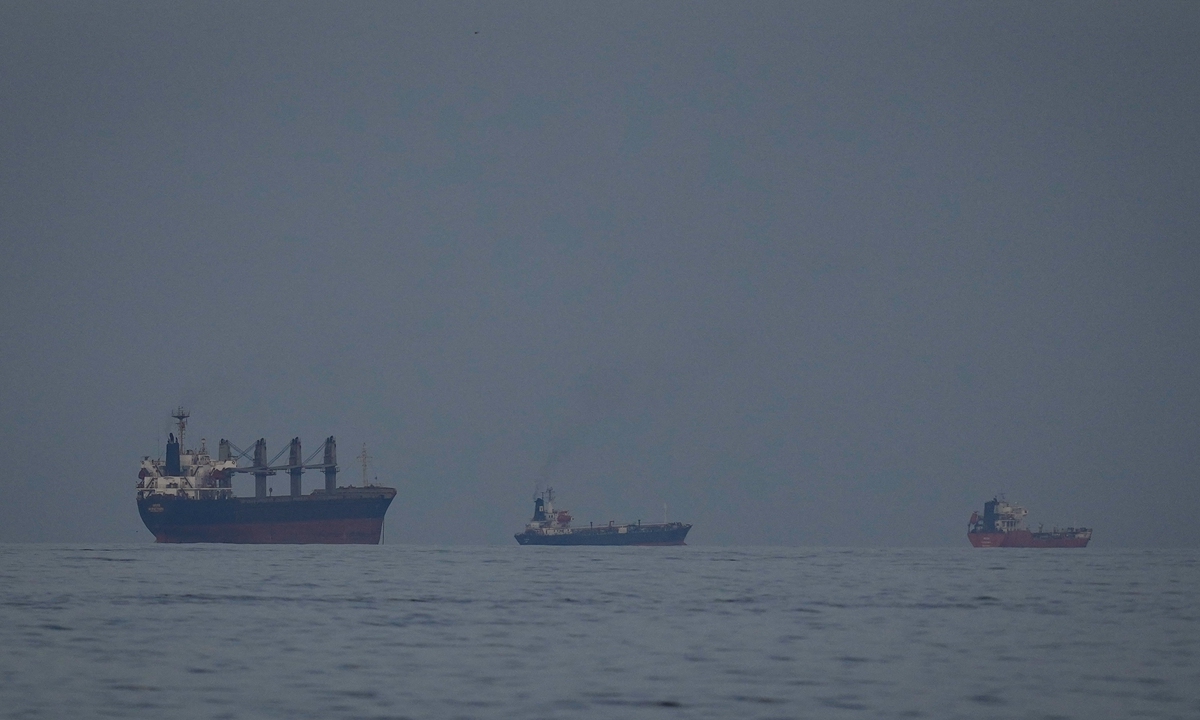
Meanwhile, another report from Sina News indicates that the U.S. military successfully deployed heavy bunker-busting bombs to destroy Iranian missile launch sites near the strategic Hormuz Strait. This military action is portrayed as a protective measure for international shipping routes, indicating the high stakes involved in maintaining open navigation in this critical oil transit corridor. The lack of immediate response from Iran suggests a strategic pause, possibly to reassess its next move amidst increasing international scrutiny.
These developments indicate a potential shift in the balance of power in the Middle East, with broader implications for international markets and energy security. For businesses and investors, the volatility in this region could lead to fluctuations in oil prices and impact global supply chains. The situation also presents challenges for U.S. and EU policymakers, who must navigate the dual objectives of deterring aggression while avoiding further destabilization. International readers should care about these developments as they reflect broader geopolitical dynamics that could influence everything from energy prices to global diplomatic alignments. The broader strategic implications suggest a need for cautious engagement and dialogue to prevent further escalation.