
Italy's Extradition Decision; Amazon's Layoffs; U.S.-China Trade Dynamics; China-U.S. Diplomatic Engagements; China's Leadership at East Asia Summit; Intelligent Transformation in Machinery Industry
Italy's Court Decision on Suspected Nord Stream Sabotage Involvement
Recent events show that Italy's Bologna Court has decided to extradite a Ukrainian man suspected of involvement in the Nord Stream pipeline explosions to Germany. According to CCTV, the suspect, captured in Italy's Rimini province in August, is considered one of the main planners behind the 2022 natural gas pipeline sabotage. The court's decision, initially made in September, faced an appeal due to procedural flaws, leading to a temporary halt by Italy's highest court before being approved again.
Sina echoes this narrative, highlighting the legal journey of the extradition process. The outlet emphasizes the suspect's alleged role as a key planner, consistent with reports from other sources, but gives less detail on the court procedures compared to CCTV.
Similarly, Xinhua provides a comparable account, stressing the suspect's involvement in the 2022 sabotage that led to massive natural gas leaks. The article reiterates the procedural appeal and subsequent court decision, aligning closely with the reports from CCTV and Sina.
These developments indicate a coordinated media effort to inform about the extradition process and highlight the legal complexities surrounding international judicial cooperation. The consistent narrative across all sources suggests a focus on transparency and legal integrity in handling such high-profile cases.
Amazon's Massive Layoffs: A Cross-Platform Analysis
Amazon's recent announcement of its largest layoff wave since the end of 2022 has captured global attention. According to United Daily News, the e-commerce giant plans to cut 30,000 corporate jobs, equating to about 10% of its white-collar workforce. This decision is a strategic move to reduce costs and adjust for the over-expansion during the pandemic peak.
In a similar vein, another United Daily News article emphasizes the widespread impact across various departments, including human resources, operations, and Amazon Web Services (AWS). The report cites insiders who reveal that key departments like logistics and cloud computing will also face reductions. Notably, Amazon CEO Andy Jassy is pushing for a streamlined corporate structure, reducing managerial layers to tackle internal inefficiencies.
Sina highlights that this layoff is the largest in the tech industry since 2020, with Amazon joining other tech giants like Microsoft and Meta in significant workforce reductions. The article points out that the rise of AI tools has been a driving force behind these layoffs, as companies seek automation to handle repetitive tasks.
While the narratives across these sources converge on the scale and rationale for the layoffs, the emphasis varies. United Daily News provides a detailed account of the internal restructuring and financial pressures, while Sina underscores the broader industry trend towards automation and efficiency. Both perspectives illustrate Amazon's balancing act between short-term financial pressures and long-term AI investments.
U.S.-China Trade Talks: A Return to Pre-Trade War Dynamics?
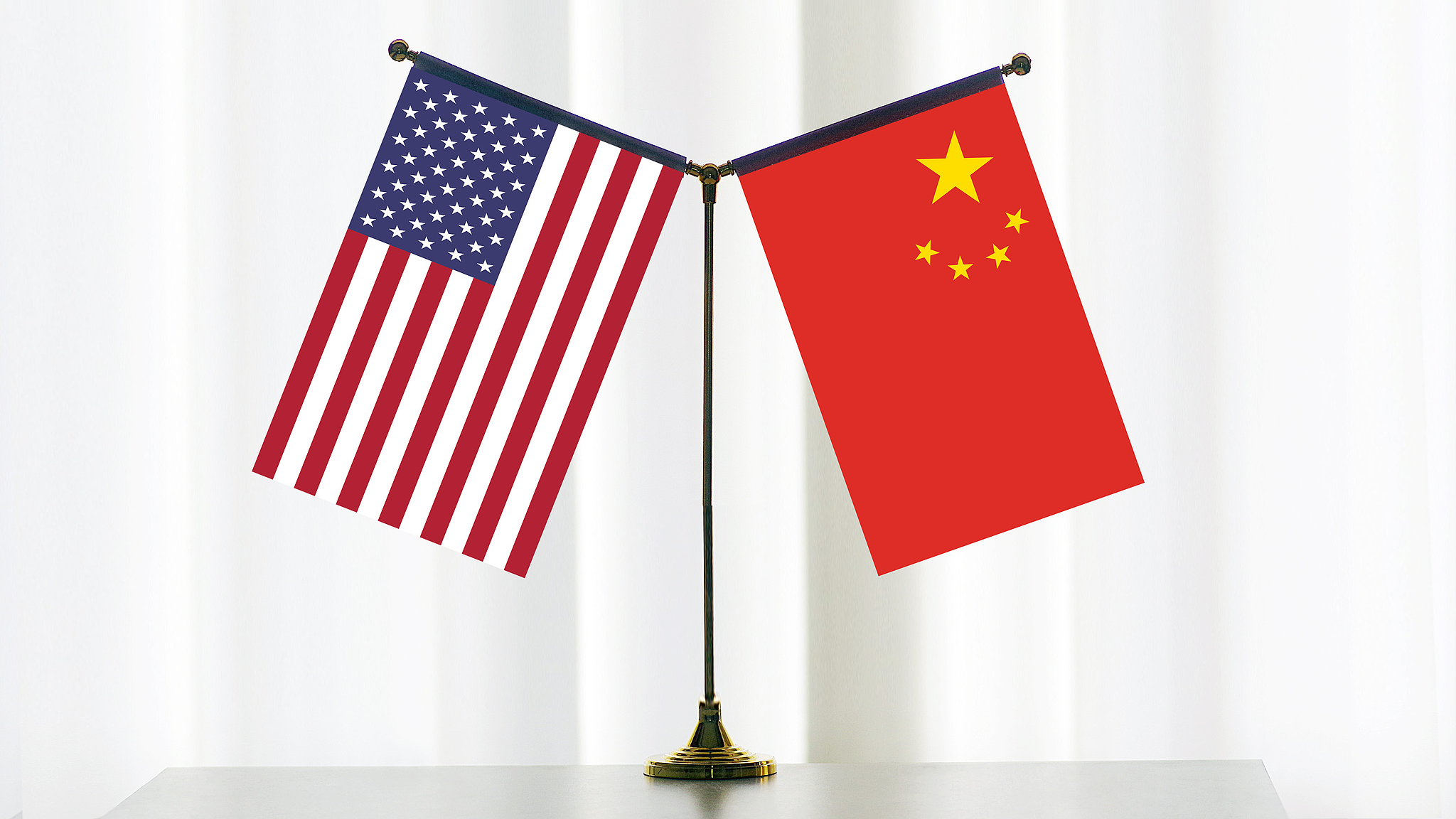
Recent developments in U.S.-China trade relations have drawn significant attention, as outlined in a series of reports from United Daily News. The discussions between U.S. President Donald Trump and China's President Xi Jinping, held on October 30, are seen as an opportunity to revisit a pre-trade war framework. This potential framework is expected to address tariffs, rare earths, soybeans, and TikTok, with both countries' leaders set to confirm their mutual understanding.
According to the New York Times, the U.S. proposal largely mirrors the state of affairs before the trade war, raising concerns about the sustainability of the new agreement. The analysis suggests that while both nations are eager to de-escalate economic tensions, the underlying issues remain unresolved, which could lead to future conflicts.
In a parallel report from United Daily News, it is noted that U.S. fiscal officials have been advocating for China to rebalance its economy and boost domestic consumption. However, Beijing's recent five-year policy plan emphasizes self-reliance in manufacturing and technology, signaling a potential divergence in economic strategies. Analysts warn that these talks might only address minor issues, leaving more profound economic and security disputes untouched.
These developments indicate a complex geopolitical landscape where both the U.S. and China are attempting to manage their bilateral relations amid broader strategic challenges. As both countries signal goodwill ahead of the Trump-Xi meeting, it remains to be seen whether these discussions will lead to a lasting resolution or merely a temporary truce.
Diplomatic Engagements: China-U.S. Relations in Focus
Recent events show a concerted effort by both China and the U.S. to stabilize and enhance their bilateral relationship. CGTN highlights a phone call between Chinese Foreign Minister Wang Yi and U.S. Secretary of State Marco Rubio, emphasizing the importance of a healthy, stable, and sustainable relationship between the two nations. Wang Yi stressed that long-term engagement and mutual respect between Chinese President Xi Jinping and U.S. President Donald Trump have been pivotal, suggesting that adherence to principles of equality and mutual benefit could resolve economic and trade issues.
Similarly, the Foreign Ministry of China reiterates Wang Yi's emphasis on strategic assets in China-U.S. relations, noting past economic and trade setbacks and the potential for dialogue to address urgent issues. This source underscores mutual understanding reached during the Kuala Lumpur talks, pointing out that abandoning coercive practices could lead to improved relations.
Both articles convey a narrative of optimism and cooperation, albeit with a focus on different aspects of the dialogue. CGTN appears to frame the conversation within a broader geopolitical context, while the Foreign Ministry of China provides a more detailed account of the economic discussions. These developments indicate a shared recognition of the bilateral relationship's global significance and a mutual desire to project a positive message to the international community.
China's Strategic Vision at the 20th East Asia Summit
Recent events show China's proactive engagement in regional leadership, as highlighted by Premier Li Qiang's participation in the 20th East Asia Summit in Kuala Lumpur. The summit, marking its 20th anniversary, served as a platform for China to advocate for peace, stability, and development in the region. Li emphasized the summit's founding principles, aligning them with China's vision for global governance that champions multilateralism, sovereign equality, and adherence to international law.
The news highlights Premier Li's call for a collective effort to address global challenges such as economic development and climate change. He underscored the importance of maintaining free trade systems and advancing regional integration through robust free trade networks. This narrative aligns with China's broader geopolitical strategy of positioning itself as a leader in global governance reform, aiming to create a more equitable international order.
It appears that the Foreign Ministry of China's report on the summit, accessible through fmprc.gov.cn, intends to showcase China's commitment to regional cooperation and its willingness to contribute positively to global challenges. By doing so, China seeks to reinforce its image as a responsible global power, promoting peace and development through collaborative efforts.
Intelligent Transformation as a Catalyst for the Machinery Industry's Advancement
Recent developments in China's machinery industry highlight the role of intelligent transformation as a key driver of industrial upgrading. The Xinhua News article discusses the strategic importance of the machinery industry in supporting national economic stability and development. This sector is crucial for providing technological equipment for national defense, civil affairs, and industrial economy, described as the "cornerstone" of industrial economics.
The news highlights a newly issued work plan for stable growth in the machinery industry for 2025-2026, emphasizing quality and scale. The plan seeks to enhance supply chain resilience and safety while aiming for a 3.5% annual revenue growth, with the goal of reaching 10 trillion yuan in operational revenue. The plan underscores a systemic approach balancing supply and demand, aiming to stabilize industry expectations and boost confidence.
The analysis also points out the necessity of industry collaboration to achieve these goals, suggesting measures such as enhancing coordination, supporting advanced manufacturing service platforms, and increasing financial support for equipment enterprises. Additionally, the plan focuses on fostering small and medium-sized enterprises with competitive capabilities, thereby strengthening industrial clusters with international competitiveness.
It appears that the article's intention is to convey optimism about the machinery industry's growth potential and the strategic measures being implemented to ensure its stability and advancement. By emphasizing collaboration, innovation, and intelligent transformation, the article aligns with China's broader industrial policy goals.