Middle East Tensions Escalate; Global Energy Markets React; China's Diplomatic Role in Focus; US Fed Holds Rates Amid Uncertainty
US Military Movements in the Middle East: Strategic Implications of Troop Deployment and Energy Infrastructure Attacks
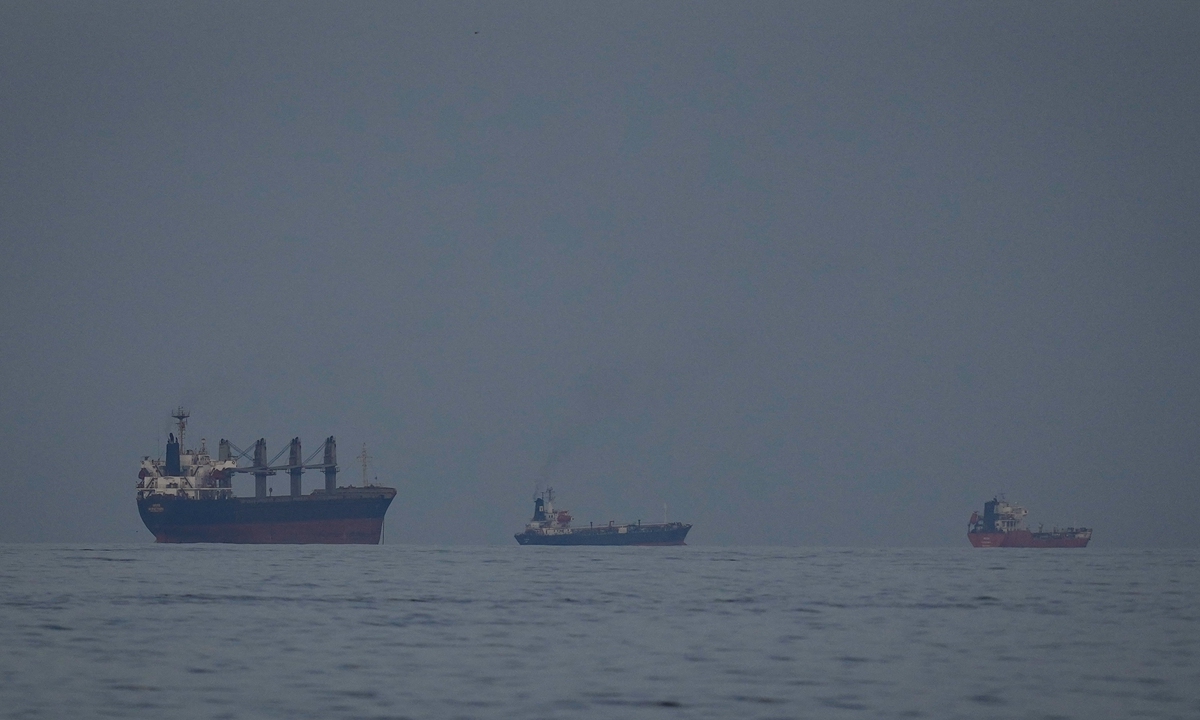
Recent reports highlight a significant escalation in military activities and geopolitical tensions in the Middle East, specifically involving the United States and Iran. The World Journal and Liberty Times both report that the US government, under President Biden, is contemplating deploying several thousand additional troops to the Middle East. This move aims to bolster US military operations and prepare for potential escalations with Iran. The strategic focus includes securing the Strait of Hormuz, a critical chokepoint for global oil shipments. This development is crucial for international markets as any disruption in this region can significantly impact oil prices and global supply chains.
Both Sina and CCTV further discuss Iran's retaliatory actions, including missile attacks on US-related energy infrastructure. Iran's recent military offensive, labeled "Epic Fury," targeted key locations such as the US airbase at Al Dhafra and other strategic sites in the region. These actions underline the volatility in the Middle East, with potential repercussions for US and allied interests, particularly regarding energy security and regional stability.
The Liberty Times also reports on Iran's missile strikes on Qatar's Ras Laffan Industrial City, the world's largest LNG production facility. This attack represents a direct threat to global energy supplies, affecting markets beyond the immediate region. The incident has already led to a spike in international oil prices, highlighting the interconnectedness of global energy markets.
Additionally, Xinhua briefly mentions the attacks on Iran's South Pars petrochemical facilities by US and Israeli forces. While this report is less detailed, it underscores the ongoing conflict's complexity and the multiple actors involved.
For international policymakers and investors, these developments suggest a need for heightened vigilance and strategic recalibration. The potential for increased military engagement in the Middle East could lead to further instability in global energy markets, necessitating contingency planning and risk assessment for businesses and governments worldwide. Moreover, the situation poses a critical test for US foreign policy, particularly in balancing military commitments and diplomatic efforts in a region fraught with historical tensions.
Iran-Israel Tensions Escalate: Implications for Global Energy Markets and Geopolitical Stability
Recent reports highlight escalating tensions between Israel and Iran, with significant global implications. German Chancellor Olaf Scholz expressed in an interview with Sina News that if he had been informed of U.S. and Israeli plans to attack Iran, Germany would have advised against such actions. Scholz emphasized the shared objective with the U.S. and Israel to prevent Iran from becoming a threat, yet he voiced concerns over the conflict's potential to destabilize the region and affect Europe's energy supply, potentially leading to large-scale migration.
According to another report, U.S. officials confirmed that President Trump was aware and supportive of Israel's attack on Iran's South Pars gas field installations. This move was seen as a warning to Iran regarding its actions in the Strait of Hormuz. The attack, which led to a fire, was quickly contained. However, the incident has raised concerns about the stability of global energy supplies and the potential for further military escalation.
An additional article from Sina News indicated that President Trump hopes for a temporary halt to Israeli airstrikes on Iranian energy facilities. The report detailed that the attack on the South Pars gas field, shared by Iran and Qatar, was carried out by the Israeli Air Force, sparking fears of further attacks on Iranian infrastructure. This has already impacted oil prices, with Brent crude futures rising by 3.83% to $107.38 per barrel.
These developments underscore the fragility of the geopolitical landscape in the Middle East and its direct impact on global energy markets. For international businesses and investors, the potential for conflict could disrupt oil supplies and lead to increased volatility in energy prices. U.S. and EU policymakers must navigate these tensions carefully to avoid exacerbating regional instability and its broader economic consequences. The situation highlights the interconnectedness of geopolitical decisions and energy market dynamics, stressing the importance for global stakeholders to remain informed and prepared for potential shifts in the geopolitical and economic environments.
Middle East Tensions and Taiwan Independence: Global Implications of China's Diplomatic and Strategic Stances
Two recent reports highlight China's evolving role in global geopolitics, with significant implications for international stakeholders. In an article from Xinhua, China’s representative to the United Nations, Fu Cong, emphasized the perilous trajectory of the Middle Eastern geopolitical landscape, indicating that ongoing conflicts could further destabilize the region. Fu called for immediate ceasefires and the resumption of dialogue, underscoring China's interest in promoting peace and stability. This stance aligns with China's broader strategy of positioning itself as a mediator in international conflicts, potentially affecting global markets by reducing regional risks and fostering a more predictable environment for international trade and investment. Such diplomatic efforts could also influence U.S. and EU policies, pushing these regions to engage more constructively in Middle Eastern affairs.
Meanwhile, World Journal focuses on tensions in East Asia, particularly concerning Taiwan's independence movement. The U.S. National Intelligence Council's annual threat assessment reportedly highlights concerns over Japanese Prime Minister Fumio Kishida's remarks, which could embolden Taiwan's independence efforts. The report suggests that these statements may exacerbate Sino-Japanese tensions, potentially leading to more assertive Chinese military posturing. This development is of global concern as it could disrupt regional stability in Asia, affecting international supply chains and leading to broader strategic realignments. For investors and policymakers in the U.S. and EU, understanding these dynamics is crucial, as they may necessitate shifts in economic and military strategies to maintain stability and protect interests in the region.
Together, these articles illustrate China's dual role as both a stabilizing force in the Middle East and a potential source of tension in East Asia. For international audiences, these developments signal the need for vigilance and adaptation in policy and investment strategies, given the interconnected nature of global geopolitics and economics.
US Federal Reserve Maintains Interest Rates Amid Middle East Uncertainty: Global Implications
Recent decisions by the US Federal Reserve to maintain its benchmark interest rate between 3.5% and 3.75% reflect ongoing global economic uncertainties, particularly those stemming from the Middle East. This decision was widely anticipated by markets and marks the second consecutive time this year that the Fed has opted to keep rates unchanged. The announcement, as reported by Xinhua, highlighted the persistent ambiguity surrounding the economic impact of Middle Eastern geopolitical developments on the US economy.
Both Xinhua and CCTV underscored the Fed's cautious stance in light of these unpredictable developments. The Fed's statement emphasized the need to evaluate upcoming economic data, changes in economic forecasts, and risk balances before any future rate adjustments. This prudent approach suggests a careful balancing act amid global uncertainties.
The decision to maintain interest rates holds significant implications for international markets and investors. For global businesses, stable US interest rates can mean more predictable borrowing costs and investment conditions. Moreover, this decision signals to international policymakers, particularly in the EU and Asia, the importance of factoring geopolitical risks into economic forecasts and decisions.
For international readers, understanding the Fed's cautious approach is crucial. It reflects broader strategic and economic considerations that extend beyond domestic US issues, affecting global trade dynamics and financial stability. The stability in rates, despite potential economic disruptions, suggests a prioritization of economic steadiness over reactive policy shifts, a message that resonates globally amidst uncertain times.
Escalating Conflict in the Middle East: Global Economic and Strategic Implications
Recent developments in the Middle East have marked a significant escalation in regional tensions, as highlighted by two major Chinese media outlets, Tencent and Sina. Both articles report on the intensifying conflict between Israel and Iran, with a focus on several key incidents: the assassination of three Iranian leaders, Israeli attacks on Iran's largest natural gas facility, and subsequent Iranian retaliatory strikes on oil facilities in Qatar, Saudi Arabia, and the UAE. This has driven global oil prices to surge, with Brent crude surpassing $110 per barrel, causing shockwaves in international markets.
Both Tencent and Sina describe the situation as entering a 'mad stage,' underscoring the potential for further destabilization that could have global ramifications. The escalation has already impacted the global economy, particularly energy markets, which are now experiencing volatility that could affect everything from inflation rates to energy supply chains worldwide.
From a geopolitical perspective, these developments are likely to influence U.S. and EU foreign policies, particularly in terms of energy security and diplomatic engagements in the Middle East. The articles suggest that the conflict could evolve into a broader confrontation, drawing in more regional and global powers, thereby increasing the geopolitical stakes.
The articles also emphasize the strategic moves by Israel, which appears to be coordinating with the U.S. in its military actions against Iran. This cooperation could reshape alliances and provoke responses from other influential actors in the region, such as Russia and China, who have vested interests in Middle Eastern stability.
For international readers, understanding these dynamics is crucial, as the conflict's outcome could affect global economic stability, the security environment, and international diplomatic relations. The situation serves as a stark reminder of how regional conflicts can have far-reaching consequences, impacting not just local populations but the global community at large.
In conclusion, the coverage by Tencent and Sina highlights the urgency of addressing the escalating tensions in the Middle East, with implications that extend well beyond the region. As the situation evolves, it will be imperative for global stakeholders to engage in diplomatic efforts to mitigate the risks of further escalation and to stabilize energy markets.