U.S. Defense and Space Ambitions; Hainan's Strategic Opening; AI's Global Impact; Epstein's Network; Nord Stream Insights; Hainan Port's Potential; Global Financial and Arms Dynamics; Cambodia's Diplomatic Shift
U.S. Defense and Space Policies Under President Trump: A Comprehensive Overview
Recent developments highlight two significant actions by President Trump, reflecting the current U.S. administration's defense and space exploration priorities. On December 18, 2025, President Trump signed the 2026 National Defense Authorization Act, a substantial $901 billion defense budget. This legislation includes provisions for increased military salaries, enhanced border security measures, and the development of advanced defense systems like the 'Golden Shield' missile defense. Notably, the act mandates a $4 billion annual military aid to Ukraine and the repeal of certain previous authorizations, indicating a shift in military focus and strategic alignment (Sina News).
Simultaneously, President Trump issued an executive order prioritizing space exploration, with a target for Americans to return to the moon by 2028 and establish a permanent lunar base by 2030. This order seeks to reinforce America's leadership in space exploration, security, and commercial ventures by upgrading launch facilities and encouraging private sector innovation and investment. The directive emphasizes coordination among federal agencies to streamline processes and ensure adequate resources are available for these ambitious goals (CCTV, Sina News).
It appears that different publications frame these narratives with varying emphases. Sina News provides a detailed account of the defense budget specifics, highlighting the legislative process and the broader implications for U.S. military strategy. In contrast, CCTV's coverage focuses more on America's renewed lunar ambitions, underscoring the technological and strategic aspects of the space directive. This divergence suggests Sina's focus on military readiness and geopolitical strategy, while CCTV emphasizes technological advancement and leadership in space.
Additionally, on December 18, the appointment of Joshua Rhodes as the Director of the National Security Agency was announced, indicating a continuity in strengthening U.S. military leadership and strategic oversight. Rhodes, currently a U.S. Army Major General, has been serving as the Deputy Commander of the U.S. Indo-Pacific Command since September 2024, showcasing his extensive experience in military operations and regional security affairs (Sina News).
Hainan's Island-Wide Customs Closure: A New Chapter in China's Opening-Up
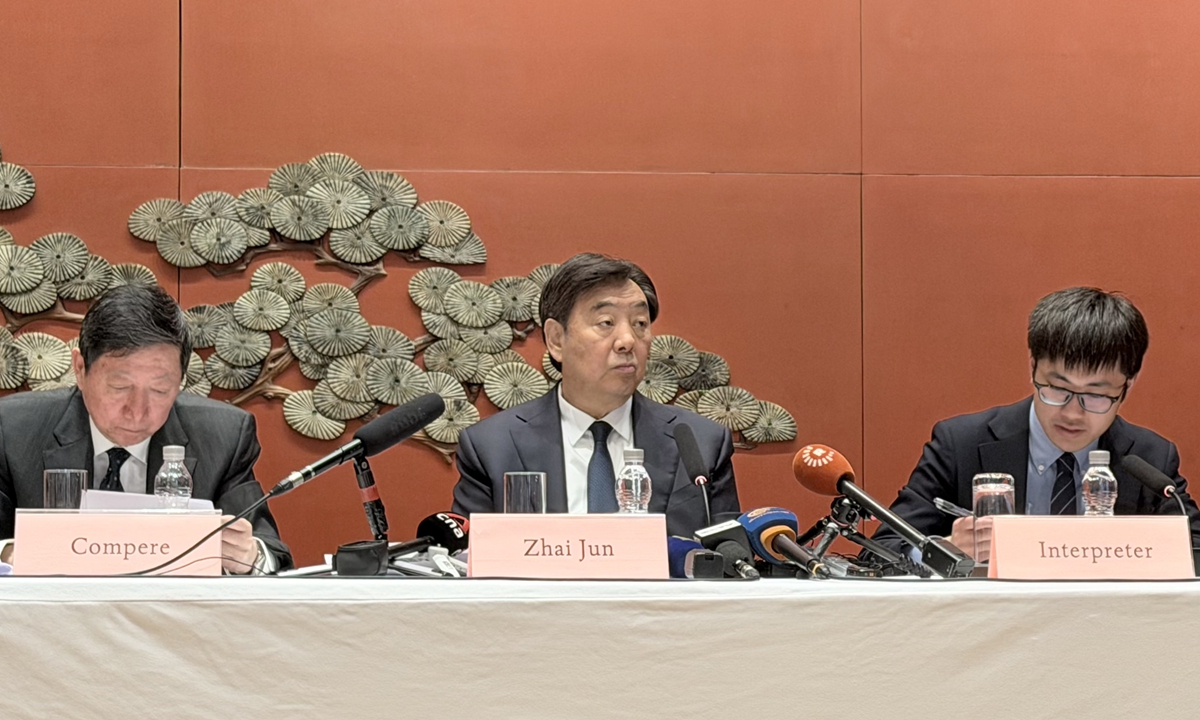
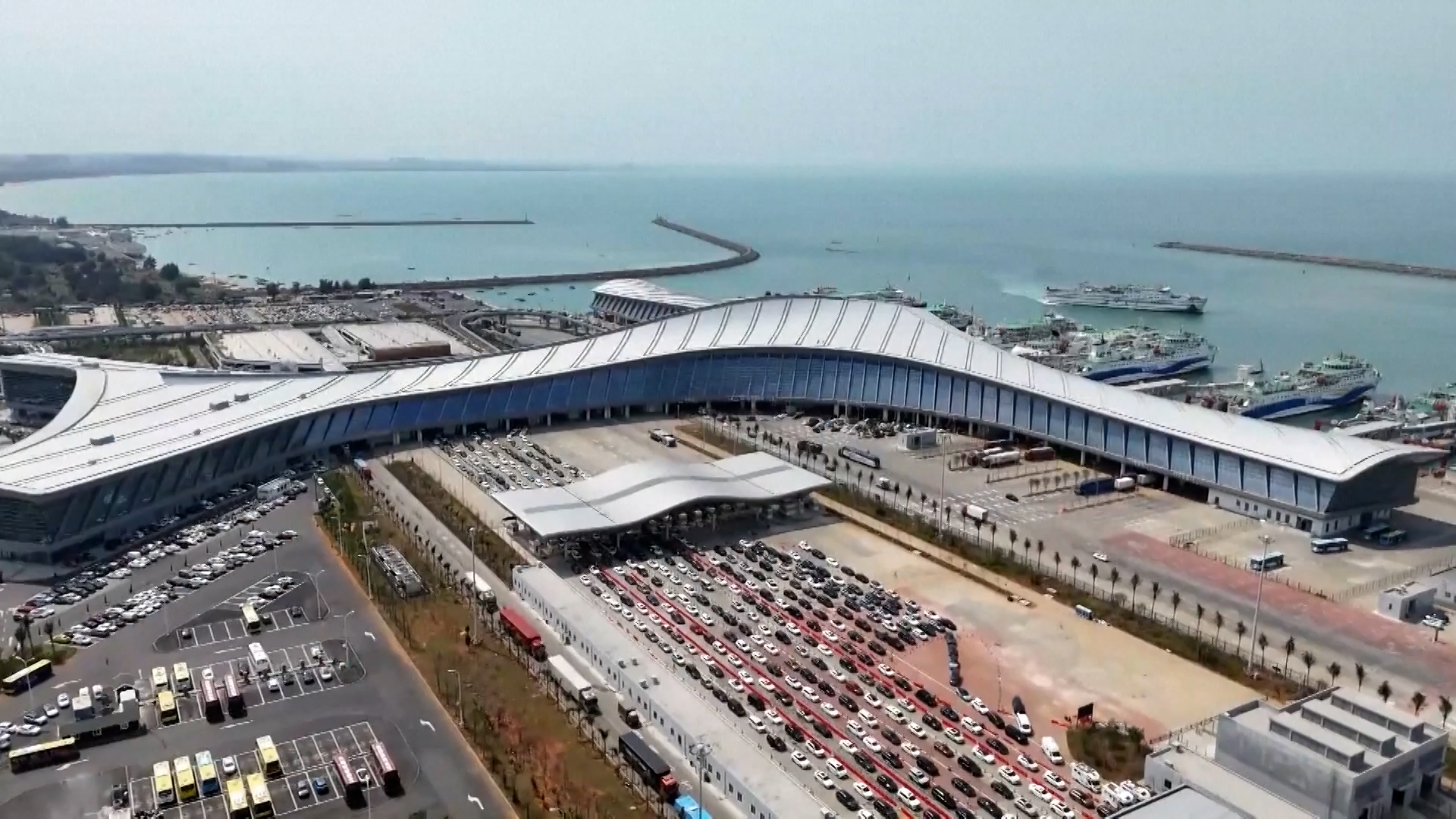
Recent developments highlight China's strategic move to launch island-wide customs operations in Hainan, marking a significant shift in its trade policies. Sina reports that this initiative signifies China's high-level openness, aiming to transform Hainan into a global tourism and consumption hub. The Chinese tourism group is seizing this policy opportunity to bolster the island's international tourism center, emphasizing the role of central enterprises in this transformation.
CGTN underscores the institutional innovation behind this move, which facilitates trade, investment, cross-border capital flows, and personnel exchanges. Philip G. Laird from Trinity Western University describes it as a landmark step towards deepening China's opening-up policies.
Furthermore, CGTN also highlights the operational details, such as the visa-free entry for citizens from 85 countries and zero tariffs on 74 percent of product categories, emphasizing the enhanced freedom of exchanges in Hainan.
The narratives from Sina and CGTN converge on the theme of openness and economic liberalization, but while Sina focuses on the local economic implications and the role of domestic enterprises, CGTN broadens the perspective to international exchanges and innovation. These publications likely aim to project China's progressive stance in global trade and investment, reinforcing its commitment to a more interconnected world.
AI and Technology: Diverse Perspectives and Developments
Recent events show significant developments in AI and technology, capturing attention across multiple sectors. An article by Xinhua highlights a study from Washington University, revealing AI's capability to learn cultural values through observation, akin to how children learn social norms. This approach, termed 'observational learning,' allows AI to adapt to diverse cultural contexts, potentially mitigating biases inherent in large-scale internet data.
On a broader scale, the World Trade Organization report underscores AI's transformative role in global trade, emphasizing efficiency and risk management benefits. However, it cautions against the 'application gap' that could exacerbate data privacy and regulatory challenges, particularly for smaller enterprises lacking resources for full AI integration.
Meanwhile, Tencent's report on domestic AI chip development presents a dynamic picture of China's semiconductor industry. It details how domestic firms are advancing in both GPU and non-GPU AI chips, spurred by international tensions and a push for technological self-reliance. The narrative suggests a strategic pivot towards innovation and diversification, with companies exploring new architectures like CGRA (Coarse-Grained Reconfigurable Architecture) to stay competitive.
These developments indicate a nuanced landscape where AI's potential is harnessed amid geopolitical and economic challenges. The Xinhua articles provide an optimistic view of AI's cultural adaptability and trade efficiency, while Tencent emphasizes China's strategic responses to external pressures, reflecting a drive towards technological sovereignty.
The Unveiling of Epstein's Connections: A Media Analysis
Recent events show a renewed focus on the controversial figure Jeffrey Epstein, as new photographs have emerged linking him to various high-profile individuals. Tencent News reports on a series of 68 images that have surfaced, depicting Epstein with notable figures such as Microsoft co-founder Bill Gates and others, further confirming their past interactions. These images are particularly striking as they include women with obscured identities to protect potential victims' privacy, yet reveal disturbing details through body inscriptions referencing Vladimir Nabokov's controversial novel, 'Lolita'.
Meanwhile, another article from Tencent highlights the democratic party members in the U.S. Congress who have publicly released over 60 photographs related to Epstein's case, underscoring the ongoing political and social ramifications. The report draws attention to the involvement of other prominent figures captured alongside Epstein, including current and former U.S. political leaders, which has sparked calls for transparency and further legal scrutiny.
These developments indicate a persistent media interest in unraveling Epstein's extensive network and the implications of his associations with influential personalities. Despite the serious undertones, the coverage subtly hints at the sensationalism that often accompanies such scandals, as seen in the focus on the enigmatic nature of Epstein's relationships and the cryptic references in the photographs.
While both reports emphasize the gravity of the revelations, they also reflect a broader narrative of accountability and the quest for justice in light of Epstein's alleged crimes. The news highlights the tension between the need for public disclosure and the protection of individuals' privacy, a balance that media outlets must navigate carefully as they continue to report on this unfolding story.
Unveiling the Nord Stream Explosions: Different Perspectives
Recent events show the spotlight turning towards the Nord Stream pipeline explosions, with emerging details about a suspect's identity. CCTV highlights that a Ukrainian soldier, formerly with a special unit, is now implicated. This narrative suggests a state-driven motive, implying the act was part of "national sovereign action." The emphasis on the suspect's military background and the official documents supporting these claims paint a picture of organized state involvement.
In a parallel narrative, Sina mirrors this account, underscoring the same suspect's military ties and the legal defense arguing against criminal charges due to the actions being state-sanctioned. The consistency between these sources suggests a coordinated release of information, possibly intending to shape public perception towards viewing the incident as a geopolitical maneuver rather than an isolated act of sabotage.
These developments indicate a deeper geopolitical narrative at play, where both Chinese sources converge on a storyline that frames the explosions within the context of international relations and state actions. The uniformity in reporting could reflect an effort to emphasize the complexity of state involvement in global energy infrastructure incidents.
Hainan Free Trade Port: China's Strategic Move Forward
Recent developments show a significant focus on the establishment and strategic importance of the Hainan Free Trade Port. Sina highlights President Xi Jinping's emphasis on three 'do nots' in developing this port: do not blindly follow others, do not act recklessly, and do not become complacent. This underscores a cautious yet ambitious approach to economic reform and opening up, marking Hainan as a pivotal 'key piece' due to its unique geographical and policy advantages.
These developments indicate that Hainan is positioned to become an 'important gateway' for China's new era of openness, leveraging its strategic location as a bridge to Southeast Asia and a crucial point on the 21st-century Maritime Silk Road.
Meanwhile, CCTV underscores the broader economic philosophy guiding China's development, emphasizing 'practical work' as a bridge between ideals and reality. It appears that the focus on practical implementation is seen as essential for maintaining stable development amidst complex international environments, as reflected in the consistent call for 'practical work' across various initiatives, including the Hainan Free Trade Port.
Both sources highlight the strategic intent behind Hainan's development, but while Sina focuses on the port's potential as a reform model and a key economic hub, CCTV frames it within a larger narrative of China's economic resilience and commitment to sustainable, people-focused development. This contrast in narratives may reflect the outlets' intentions to appeal to different audience sensibilities, with Sina targeting readers interested in policy specifics and CCTV offering a broader philosophical context.
Global Financial Dynamics and Strategic Arms Sales: A Comparative Review
Recent events show a notable shift in international financial trends, as highlighted by a report from Liberty Times. China's holdings of U.S. Treasury securities have reached their lowest level since 2008, with a marked reduction of $11.8 billion in October alone. This decline comes amidst a broader trend where foreign investors are decreasing their U.S. debt holdings, influenced by prolonged U.S. government shutdowns that have exacerbated market uncertainties. While Japan continues to be the largest foreign holder of U.S. debt, increasing its stakes, China's divestment signifies a strategic repositioning amidst global economic fluctuations.
These developments indicate a complex interplay of economic and political motives. The Liberty Times article suggests that China's reduced investment may reflect not only financial strategy but also geopolitical posturing in response to U.S. policies. Meanwhile, Japan and the U.K. have increased their holdings, underscoring their confidence in U.S. financial stability or strategic alliances.
In parallel, the New York Times highlights a significant arms sale, with the Trump administration approving a $1.1 billion deal to sell military equipment to Taiwan. This decision underscores the United States' ongoing commitment to Taiwan's defense capabilities, a move likely to provoke a strong response from China, given its stance on Taiwan's sovereignty. The article suggests this sale is part of a broader strategy to deter Chinese aggression, reflecting the U.S.'s strategic ambiguity policy towards Taiwan.
The news highlights the intricate balance of economic interests and military strategies shaping U.S.-China relations. While financial divestments might suggest a cooling of economic ties, military sales to Taiwan reinforce the U.S.'s strategic interests in the region. It appears that these narratives from Liberty Times and New York Times collectively illustrate the multifaceted dynamics at play in the current geopolitical landscape.
Shifting Alliances: Cambodia's Diplomatic Pivot
The recent developments in Cambodia's diplomatic posture highlight a significant shift in its foreign policy orientation. According to qq.com, the transition from former Prime Minister Hun Sen to his son Hun Manet has sparked considerable speculation about Cambodia's foreign policy trajectory. Once known as a steadfast ally of China, Cambodia under Hun Manet appears to be diversifying its partnerships, particularly with the United States.
Hun Manet’s strategic pivot towards increased cooperation with the U.S. spans military and economic domains, signaling a decisive move away from the previously China-centric policy. This includes the resumption of joint military exercises with the U.S., which had been on hold for eight years, and the lifting of U.S. arms embargoes on Cambodia, allowing for enhanced military training and equipment purchases.
Economically, Cambodia has negotiated a reduction in punitive tariffs imposed by the U.S. on its textile and agricultural exports, critical sectors for its economy. In return, Cambodia has facilitated zero tariffs on American goods and committed to purchasing American aircraft, marking a significant milestone in U.S.-Cambodia economic relations.
Despite these shifts, Hun Manet has not severed ties with China. Initiatives such as the 'China-Cambodia Tourism Year' and proposed visa-free policies for Chinese citizens underscore ongoing economic interdependence. However, the decision to allow U.S. naval access to the Ream Naval Base, previously upgraded with Chinese assistance, has raised concerns about Cambodia's strategic trustworthiness, potentially cooling Chinese investments and cooperation.
This pivot reflects Hun Manet's attempt to assert political independence and strengthen his leadership credentials by balancing Cambodia's foreign relations. However, it also introduces risks, as over-reliance on U.S. support could compromise Cambodia's economic autonomy and increase geopolitical tensions, particularly concerning the South China Sea disputes.
In essence, Cambodia's foreign policy evolution under Hun Manet is a calculated gamble to navigate the complex geopolitical landscape of Southeast Asia, seeking to maintain national sovereignty while maximizing developmental opportunities. The outcome of this strategic realignment will significantly influence regional dynamics and Cambodia's role in the broader Indo-Pacific framework.