
US-Iran Ceasefire; Trump's Rhetoric Raises Global Concerns; Xi's Push for China's Service Sector
US-Iran Ceasefire Agreement: Global Implications and Strategic Calculations
The recent announcement of a two-week ceasefire between the United States and Iran, brokered with significant influence from China, has captured the attention of international observers. This development is crucial not only for the geopolitical landscape of the Middle East but also for its broader implications on global markets and international diplomacy.
Liberty Times reported that the ceasefire will allow safe passage through the strategic Strait of Hormuz, a vital chokepoint for global oil supplies. This move is expected to ease tensions and stabilize oil markets, potentially leading to lower energy prices worldwide. The agreement, however, is conditional, with Iran demanding concessions such as the lifting of sanctions and recognition of its uranium enrichment activities.
According to Sina, President Trump acknowledged China's pivotal role in facilitating the ceasefire. China's involvement underscores its growing influence in Middle Eastern affairs and reflects its strategic interest in ensuring the stability of oil routes critical to its energy security. For international markets, this highlights the increasing interdependence between Chinese diplomacy and global economic stability.
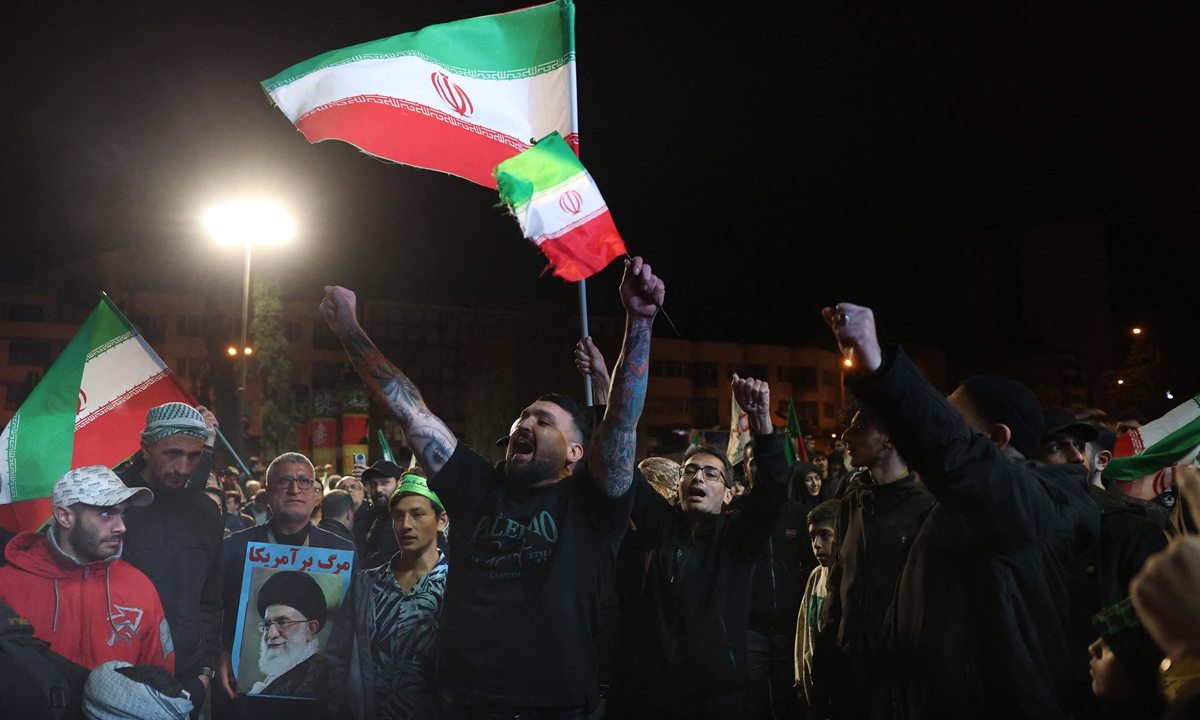
Global Times highlighted the celebratory mood in Tehran following the ceasefire agreement, but also noted Israel's continued military actions against Iran. This underscores the fragile nature of the ceasefire and the potential for renewed conflict, which could disrupt oil supplies and impact global energy prices.
BBC emphasized the strategic calculations behind the ceasefire, noting that the US agreed to negotiations under pressure from regional allies and international partners. This move is seen as a strategic retreat by some, potentially altering the balance of power in the region. For Europe and other Western allies, this development may necessitate a reevaluation of their Middle East policies and defense commitments.
The ceasefire has also prompted discussions about the future of US sanctions on Iran. Liberty Times reported that Iranian oil shipments could soon reach Asian markets, including Taiwan, which may influence regional energy dynamics and trade relations.
Meanwhile, Sina revealed the details of Iran's ten-point ceasefire proposal, which includes demands for the withdrawal of US forces from the Middle East and the lifting of all sanctions. This proposal highlights Iran's strategic objectives and sets the stage for complex negotiations that could redefine US-Iran relations and impact global diplomatic alignments.
CCTV reported on President Trump's confidence that the uranium enrichment issue will be "perfectly handled," indicating potential compromises on nuclear agreements. This could have significant implications for nuclear non-proliferation efforts and regional security frameworks.
In summary, the US-Iran ceasefire is a pivotal moment with far-reaching implications for international relations and global markets. It showcases China's diplomatic clout, highlights the strategic interests of major powers in the Middle East, and sets the stage for potential shifts in energy markets and geopolitical alliances. For international readers, understanding these developments is crucial as they navigate the complexities of global trade, security, and diplomacy.
Trump's Rhetoric on Iran Sparks Global Concerns Over Stability and Diplomacy
Recent statements by former U.S. President Donald Trump, suggesting the potential eradication of Iranian civilization, have ignited a significant international debate, drawing attention from political leaders and religious figures worldwide. The New York Times reports that Trump's comments, made in the context of ongoing tensions with Iran, have been criticized as inflammatory and dangerous, potentially undermining diplomatic efforts.
In a parallel report, Liberty Times highlights the reaction from the Vatican's Pope, who condemned the rhetoric as unacceptable. The Pope emphasized the moral and international legal implications of such threats, urging a return to dialogue and peaceful resolution. This stance underscores the global call for stability and diplomacy, as religious leaders wield significant influence over public sentiment and international relations.
These developments indicate a growing concern over the potential for escalated conflict in the Middle East, which could have far-reaching implications for international markets and global security. For international investors and businesses, heightened tensions could disrupt oil supplies and increase market volatility. Additionally, the situation poses challenges for U.S. and EU policymakers, who must navigate complex geopolitical landscapes while balancing domestic and international interests.
For readers outside China, understanding the strategic and economic ramifications of such geopolitical tensions is crucial. The broader implications include potential shifts in global alliances, reevaluation of defense strategies, and the need for renewed diplomatic engagement to prevent further destabilization in the region.
Xi Jinping's Strategic Push for China's Service Sector: Global Implications
In a significant move, Sina reports that Chinese President Xi Jinping has outlined a comprehensive strategy for the development of China's service sector. Emphasizing innovation, technology empowerment, and open cooperation, Xi aims to create a high-quality service industry landscape. This development is pivotal as the service sector is increasingly becoming a backbone of China's economic growth, supporting industrial upgrading and meeting domestic consumption demands.
Xi's directives highlight the need for reform-driven innovation and stress the importance of technological empowerment and open cooperation. This approach is intended to advance the sector towards specialization and high-end value chains, fostering a diversified and convenient service industry. Such strategic moves are crucial for international markets and investors, as the expansion and upgrading of China's service sector could lead to increased demand for foreign expertise, partnerships, and technology collaborations.
For the United States and the European Union, these developments require a reassessment of trade and investment strategies with China. As China seeks to integrate more deeply into global value chains through its service sector, Western businesses might find new opportunities for collaboration in technology and innovation. However, this also necessitates vigilance regarding intellectual property and competitive practices.
On a broader scale, the emphasis on 'China Service' branding and the push for higher standards and internationalization could reshape global service industry dynamics. As China enhances its service offerings, it could potentially challenge Western service providers on quality and innovation, necessitating strategic adjustments by international businesses to maintain competitiveness.
Xi's focus on adapting to demographic changes, upgrading consumption structures, and transforming industrial structures underscores the strategic significance of the service sector in sustaining China's economic momentum. This approach not only aims to meet the evolving needs of Chinese citizens but also signals China's intent to play a more dominant role in global economic affairs.
The implications of these developments are far-reaching, impacting global trade patterns, investment flows, and economic policies. As China continues to elevate its service sector, international stakeholders must adapt to the shifting landscape, ensuring they remain competitive and aligned with China's evolving economic strategies.


