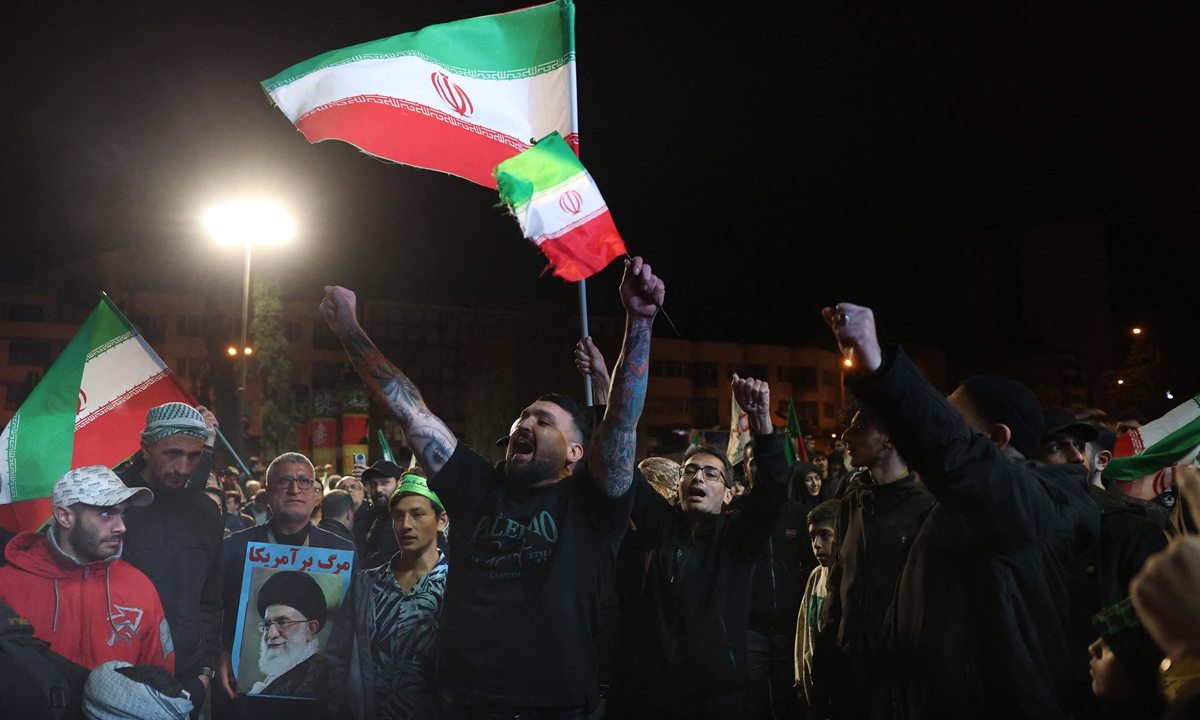
US-Iran Negotiations Stagnate; Strait of Hormuz Tensions Escalate; Chagos Islands Dispute Highlights Geopolitical Realignments
US-Iran Talks in Islamabad Fail to Yield Agreement Amid Global Implications
Recent negotiations between the United States and Iran in Islamabad have ended without a consensus, highlighting significant geopolitical tensions with far-reaching global implications. The talks, which lasted 21 hours, were marked by fluctuating atmospheres of tension and calm, as noted by Sina. This high-level meeting, the first of its kind since the 1979 Iranian Revolution, aimed to resolve ongoing conflicts but ultimately failed due to what Iranian officials described as American "greed and ambition," according to Tencent.
Iran's Foreign Ministry spokesperson emphasized that it was unrealistic to expect an agreement from a single round of talks, suggesting that negotiations would continue, as reported by CCTV. This stance underscores Iran's strategic patience, a sentiment echoed by multiple sources, including Sina, which noted Iran's intent to maintain control over the Strait of Hormuz, a critical oil transit chokepoint.
The failure to reach an agreement carries significant implications for international markets. The Strait of Hormuz is a vital artery for global oil supplies; any instability could lead to heightened oil prices, impacting economies worldwide, particularly those heavily reliant on energy imports. Additionally, the talks' collapse may influence US and EU policies, potentially leading to increased sanctions or diplomatic efforts to stabilize the region.
From a broader strategic perspective, the lack of progress in these negotiations could embolden hardline elements within Iran, as suggested by Tencent. The talks' failure might also affect Iran's relations with other regional powers, impacting the balance of power in the Middle East.
For international readers, understanding these dynamics is crucial. The situation in the Middle East remains a barometer for global geopolitical stability. The inability to reach a consensus in Islamabad highlights the complex interplay of regional ambitions and global strategic interests, which continue to shape international relations and economic landscapes.
US-Iran Tensions Flare as Strait of Hormuz Patrols Challenge Regional Stability
In a recent development, the Iranian Revolutionary Guard Navy has issued a stern warning against any military vessels attempting to pass through the Strait of Hormuz, asserting their control over the passage rights in the region. This announcement, reported by Xinhua, highlights Iran's determination to restrict military transit and underscores the strategic importance of the Strait of Hormuz in global maritime navigation.
Meanwhile, Tencent provides a more dramatic account of the situation, focusing on the U.S. military's response. The article details the U.S. Navy deploying two guided-missile destroyers, identified as USS Paul Hamilton and USS Michael Murphy, to navigate through the strait, purportedly to clear naval mines allegedly laid by Iran. This move has been interpreted as a test of Iran's resolve and a demonstration of U.S. naval capability, raising the stakes in an already volatile region.
The contrasting reports from these two sources highlight differing narratives: Xinhua emphasizes Iran's defensive posture and sovereignty over its territorial waters, while Tencent portrays the U.S. as assertive and proactive in ensuring the safety of international waters. The implications for international markets and regional policies are significant, as the Strait of Hormuz is a critical chokepoint for global oil supplies. Any disruption could lead to increased oil prices and impact energy security worldwide.
For international readers, these developments are crucial as they could influence U.S. and EU foreign policies towards Iran, potentially affecting diplomatic negotiations and sanctions. Businesses and investors should be aware of the heightened risks in the region, which could impact trade routes and insurance costs for shipping companies operating in the Gulf. Strategically, the situation underscores the delicate balance of power in the Middle East, with potential repercussions for global security and economic stability.
Mauritius' Determined Efforts to Reclaim Chagos Islands Signal Global Geopolitical Shifts
Recent statements by the Mauritian Foreign Minister, Alan Ganoo, have underscored Mauritius' unwavering commitment to reclaim the Chagos Archipelago from British control. This development was reported by Xinhua, emphasizing the nation's intent to utilize all diplomatic and legal avenues to achieve decolonization in the Indian Ocean region. The Chagos Archipelago, strategically located in the southwest Indian Ocean, was controversially separated from Mauritius in 1965 and has since been a point of contention, particularly due to the U.S. military base on Diego Garcia.
According to Xinhua, the British government's plans to transfer sovereignty of the islands back to Mauritius by 2025 have been stalled. This delay is attributed to opposition from the United States, as President Trump had previously criticized the transfer as "utterly foolish." The presence of a U.S. military base on Diego Garcia, which has been a strategic asset in the region, adds complexity to the geopolitical landscape, influencing both U.S. and UK policies.
In contrast, CCTV briefly echoed the same sentiment, focusing less on the geopolitical implications and more on the administrative aspects of the sovereignty transfer. This difference in narrative between Chinese state media outlets may suggest a strategic avoidance of highlighting tensions involving U.S. military interests.
The broader implications of this sovereignty dispute are significant for international markets and policies. The strategic location of the Chagos Archipelago impacts global shipping routes and military dynamics, particularly in the context of U.S.-China competition in the Indian Ocean. Investors and businesses with interests in the region should monitor these developments closely, as changes in control could affect regional stability and economic activities.
For U.S. and EU policymakers, the situation underscores the complexities of balancing strategic military interests with international legal norms and decolonization efforts. It also reflects the broader trend of smaller nations asserting their rights in the face of great power politics, a theme that resonates with global audiences concerned with sovereignty and international law.
Iran Delegation's Departure from Baghdad: Implications for US-Iran Negotiations and Global Stability
Two prominent Chinese media outlets, CCTV and Sina, have reported on the recent departure of the Iranian delegation from Baghdad, marking the end of the latest round of US-Iran negotiations. Both sources highlight the lack of a conclusive agreement, illustrating the complexities and ongoing tensions between the two nations.
CCTV's coverage is brief, noting the departure without delving into the specifics of the talks or their breakdown. This could suggest an intent to simply inform rather than analyze the implications deeply. In contrast, Sina provides a more detailed account, attributing the failure of the negotiations to what it describes as the "greed and ambition" of the US, which allegedly sought concessions unattainable through military means. This framing might reflect a narrative that is critical of US foreign policy, emphasizing Iran's resistance to what it perceives as overreaching demands.
From an international perspective, the breakdown of these talks has significant implications. For global markets and investors, continued US-Iran tensions could lead to instability in the Middle East, potentially affecting oil prices and supply chains. This is particularly relevant for countries reliant on energy imports, such as those in the EU and Asia-Pacific.
For US and EU policymakers, the lack of progress underscores the challenge of negotiating with Iran, particularly regarding issues like nuclear technology and regional security. The EU, which often acts as a mediator, may need to reassess its diplomatic strategies to facilitate future discussions.
Readers outside China should note that these developments could affect global geopolitical stability, influencing everything from energy markets to international alliances. The strategic maneuvering in these negotiations reflects broader themes of power dynamics and diplomatic tactics that are crucial in understanding global governance and security.