US-Iran Nuclear Talks and Taiwan Strait Tensions: Global Diplomatic and Economic Impacts

US-Iran Nuclear Negotiations: Global Stakes and Strategic Implications
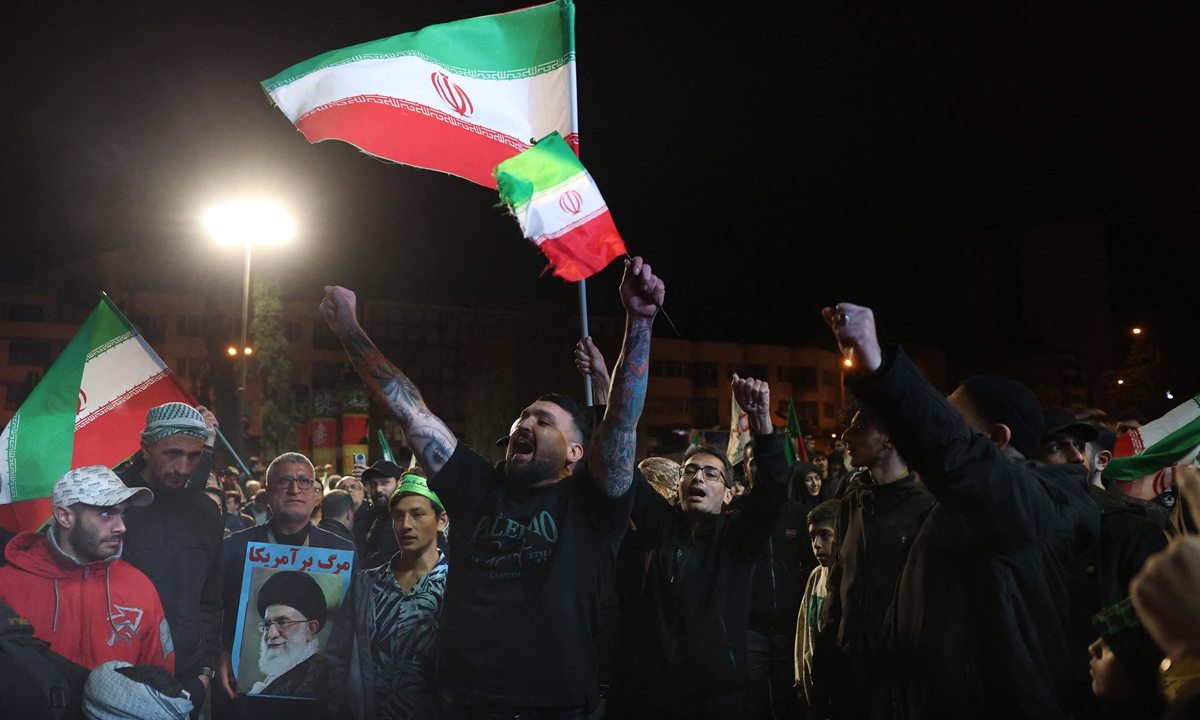
The recent US-Iran talks in Islamabad mark a critical juncture in international diplomacy, as representatives from both nations engage in negotiations aimed at de-escalating nuclear tensions. The Liberty Times highlights the upcoming talks between the US, led by Vice President JD Vance, and Iran, focusing on a two-week ceasefire agreement. The article underscores the importance of these discussions in potentially stabilizing the region and averting further military confrontations.
Meanwhile, Sina presents a more somber narrative, emphasizing the human cost of the conflict and the skepticism surrounding the talks. The report describes Iran's heightened demands and the tragic backdrop of civilian casualties, portraying a picture of desperation and resilience. This perspective serves as a reminder of the humanitarian stakes involved and the pressure on negotiators to achieve a meaningful resolution.
The New China News Agency focuses on Iran's preconditions for negotiations, which include the lifting of asset freezes and a ceasefire in Lebanon. This highlights the complex pre-negotiation dynamics and Iran's strategic positioning to leverage these talks for broader geopolitical gains. The insistence on these preconditions reflects Tehran's cautious approach and distrust of previous US commitments.
World Journal provides insight into the US's strategic objectives, primarily preventing Iran from acquiring nuclear weapons. The article also discusses the contentious issue of tolls on ships passing through the Hormuz Strait, underscoring the broader economic implications of these talks for global trade and energy markets. This economic dimension is crucial for international investors and policymakers monitoring Middle Eastern stability.
Finally, another Sina report details the tense atmosphere as negotiators prepare to meet, with mutual distrust evident. The US delegation, including prominent figures like Vice President Vance and Special Envoy Whitaker, faces an uphill battle to secure a deal that satisfies both parties. This article highlights the strategic patience required and the potential geopolitical ripple effects if negotiations falter.
These developments indicate a pivotal moment not only for US-Iran relations but also for global security and economic stability. The outcomes of these talks could influence US and EU foreign policies, impact international energy markets, and set precedents for future diplomatic engagements in the region. For readers and stakeholders outside China, understanding the nuances of these negotiations is critical, as they hold the potential to reshape alliances and economic strategies worldwide.
Israel and Lebanon to Discuss Ceasefire Under US Mediation Amid Regional Tensions
Recent reports from various news outlets reveal a complex diplomatic situation involving Israel and Lebanon, focusing on upcoming discussions around a ceasefire. According to CCTV, the Israeli ambassador to the US has stated there is no agreement with the Lebanese Hezbollah party to discuss a ceasefire. This highlights the ongoing challenges in achieving peace in a volatile region where military actions are a constant threat.
In contrast, the World Journal reports that while Israel has agreed to begin formal peace talks with Lebanon in Washington on the 14th, they have refused to discuss a ceasefire with Hezbollah. The Israeli stance is that Hezbollah's continued attacks are the main obstacle to peace, indicating a deep-rooted mistrust and the complexity of negotiations.
Another article from the World Journal confirms that both sides have agreed to meet in the US to discuss ceasefire announcements and schedule future talks. This suggests some progress towards dialogue, albeit under the shadow of ongoing conflict and strategic considerations.
The implications of these developments are significant for international markets and regional stability. Investors and businesses worldwide should monitor these talks closely, as a successful dialogue could stabilize the region, potentially impacting oil prices and trade routes. For the US and EU, facilitating these talks underscores their strategic interest in Middle Eastern stability, reflecting broader geopolitical priorities. The broader strategic implications include a test of US diplomatic influence and the ongoing challenge of balancing regional alliances with peace efforts.
US Spacecraft's Unplanned Ocean Landing Raises Global Concerns for Lunar Missions
Recent events highlight the challenges faced by the United States in its lunar exploration endeavors, as a crewed spacecraft, part of the 'Artemis II' mission, unexpectedly splashed down in the Pacific Ocean near California. This incident, reported by Sina, involved a spacecraft known as the 'Hunter's Seat,' which carried four astronauts. During its return, the spacecraft encountered a 'blackout period'—a loss of communication—and its external temperature surged to 2760 degrees Celsius as it re-entered the Earth's atmosphere.
The mission, which commenced on April 1, aimed to test new lunar rocket technology and was intended to last ten days. Despite the unexpected ocean landing, the mission is crucial as it precedes further lunar activities, including the planned 'Artemis III' mission in 2027 and a lunar landing in 2028. The implications for international markets and technology sectors are significant, as the success or failure of such missions directly impacts investments in aerospace technology and international collaborations in space exploration.
In contrast, CCTV provided a brief mention of the event, focusing on procedural aspects of how the spacecraft was intended to land. This suggests an intention to highlight the technical prowess and procedural transparency of space missions, possibly to reassure international partners and investors about the reliability of such technologies.
Globally, these developments are pivotal as they shape the strategic landscape of space exploration. As nations like China and the US vie for leadership in lunar exploration, successful missions can bolster a country's technological prestige and influence international space policy. For businesses and investors, understanding the trajectory of space missions is crucial for forecasting market trends in aerospace and related industries.
Taiwan Strait Tensions: China's Diplomatic Moves Amidst Global Implications
The recent meetings between Taiwan's opposition leader, Kuomintang Chairman Eric Chu, and Chinese President Xi Jinping have sparked a flurry of international discussions, reflecting the complexities of cross-strait relations and their global implications. Radio France Internationale reports that while the meeting was framed under the auspices of promoting peace and mutual understanding, the Taiwanese government, led by the Democratic Progressive Party (DPP), remains wary of what it perceives as an attempt to 'internalize' the Taiwan issue as a domestic Chinese matter.
RFI highlights the historical context of these interactions, noting how previous engagements between the Kuomintang and Chinese Communist Party had led to periods of relative peace. However, the current political climate under Taiwan's President Tsai Ing-wen, who rejects the 1992 Consensus, complicates these dynamics. The meetings are seen as a strategic maneuver by Beijing to influence Taiwan's internal politics and international standing.
Globally, these developments are significant as they could impact international markets and diplomatic stances. The potential for increased tensions in the Taiwan Strait could disrupt global supply chains, particularly in the semiconductor industry where Taiwan is a key player. This uncertainty might lead investors to exercise caution, affecting stock markets and economic forecasts worldwide.
For the United States and the European Union, the implications are profound. The meetings occur at a time when international alliances are being tested, and the West's support for Taiwan is being scrutinized. The possibility of Beijing framing Taiwan's status as an internal issue could challenge the US's strategic ambiguity policy, potentially leading to a recalibration of military and economic support.
The broader strategic implications suggest that China is keen to assert its influence in the Asia-Pacific region, potentially reshaping geopolitical alliances. As the situation develops, it will be crucial for policymakers and businesses to monitor how these diplomatic engagements will affect regional stability and international economic policies.
In conclusion, while the meetings between Chu and Xi might appear as routine diplomatic engagements, their timing and context suggest deeper strategic intentions that could influence Taiwan's future and global geopolitical dynamics. Understanding these nuances is essential for international stakeholders to navigate the uncertainties in US-China-Taiwan relations.
Taiwan Dialogue Urged Amid Cross-Strait Tensions: Global Implications for US-China Relations
Recent developments in cross-strait relations have drawn significant attention as Taiwan's Kuomintang (KMT) Chairman Eric Chu met with Chinese President Xi Jinping in Beijing. This meeting, reported by Liberty Times, emphasized the need for dialogue between China and Taiwan to establish a framework for preventing conflict and ensuring peace. The meeting's optics, captured by a handshake and a 13-second exchange, signal a potential thaw in relations, yet the underlying tensions remain.
The United States, through its de facto embassy in Taiwan, the American Institute in Taiwan (AIT), has reiterated its support for dialogue between the two sides. However, it stressed that such discussions must occur without coercion and with respect for Taiwan's democratic process. The US State Department has called on Beijing to cease its military, diplomatic, and economic pressure on Taiwan and engage in meaningful dialogue.
For international markets and businesses, the meeting underscores the geopolitical risks inherent in cross-strait relations. Stability in the Taiwan Strait is crucial for global supply chains, especially in the technology sector, given Taiwan's pivotal role in semiconductor manufacturing. Any escalation in tensions could disrupt these supply chains, affecting industries worldwide.
Policy-wise, the US and EU must navigate these developments carefully, balancing strategic interests with support for democratic governance. The emphasis on dialogue aligns with broader diplomatic efforts to manage US-China relations amidst ongoing trade tensions and technological competition.
For global readers, understanding these dynamics is essential as they shape the broader strategic landscape and influence economic stability. The potential for improved cross-strait dialogue offers a glimmer of hope for reducing tensions, but the path forward remains fraught with challenges that could impact international relations and economic trends.