US-Iran Tensions Escalate; China's AI and Economic Strategies Shape Global Dynamics; NVIDIA's AI Leap Reshapes Tech Landscape
US-Iran Tensions and Global Impact: Navigating the Strait of Hormuz Crisis
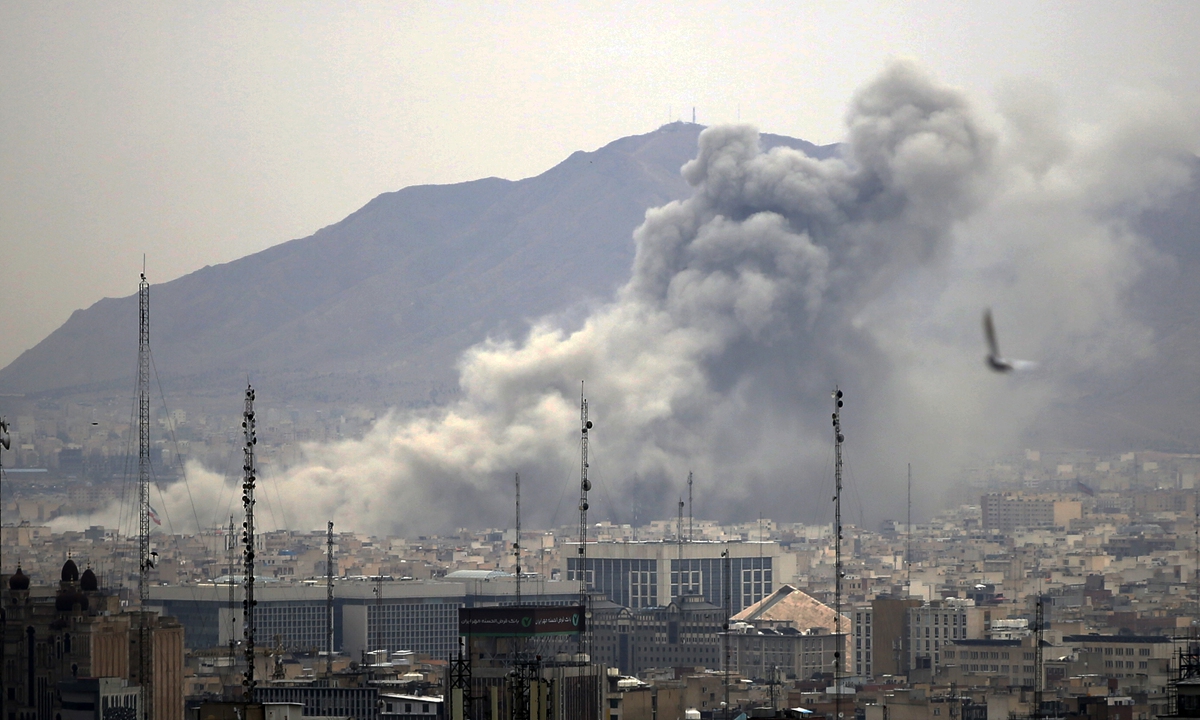
The recent series of articles highlights the intensifying situation between the United States and Iran, particularly focusing on the strategic Strait of Hormuz. This waterway is crucial for global oil supply, and any disruption could have significant implications for international markets and geopolitical stability.
Xinhua reports that President Trump announced the continuation of US military actions against Iran, emphasizing that the conflict will not end soon. This suggests a prolonged period of instability, potentially affecting oil prices and energy security worldwide. Trump's comments about the lack of European support for maritime security operations further highlight the geopolitical divides at play.
The World Journal discusses Trump's frustration with allies' reluctance to assist in securing the Strait of Hormuz. The article points out that countries like Germany, Spain, and Italy have declined participation, reflecting a cautious European stance. This hesitancy could strain transatlantic relations and complicate collective security efforts.
Sina highlights the US administration's refusal to engage in diplomatic talks with Iran, despite Tehran's attempts to reopen communication channels. This diplomatic stalemate underscores the challenges in resolving the crisis peacefully and raises concerns about potential military escalation.
The Liberty Times reports on Trump's decision to delay a summit with Chinese President Xi Jinping, originally scheduled for early April. This postponement reflects how the Iran situation is diverting US attention from other critical international engagements, which could impact US-China relations and broader geopolitical dynamics.
Another article from the Liberty Times delves into the strategic pressures on China to help break the Iranian blockade of the Strait of Hormuz. This pressure tests China's balancing act between its energy dependencies and geopolitical alliances, potentially affecting its foreign policy and economic strategies.
Lastly, the World Journal article discusses the uncertainty surrounding Iran's new leadership amid the US-Iran tensions. This internal instability in Iran adds another layer of complexity to the crisis, affecting regional security and international diplomatic efforts.
Overall, these developments have far-reaching implications. For international markets, disruptions in the Strait of Hormuz could lead to volatile oil prices, affecting global supply chains and economic stability. For policymakers in the US, EU, and Asia, the situation demands careful navigation to avoid further escalation and ensure energy security. International readers should pay attention to how this crisis influences global geopolitical alliances and economic strategies, as it could reshape international relations in significant ways.
China's Economic Resurgence in 2026: Implications for Global Markets and Policy
The Qiushi Journal offers an optimistic assessment of China's economic performance in the opening months of 2026, emphasizing a strong start to the '15th Five-Year Plan'. The article highlights key economic indicators such as a 6.3% increase in industrial value and an 18.3% growth in import-export volumes, indicating a return to double-digit growth rates. This signals China's economic resilience amid global uncertainties, potentially stabilizing international markets by boosting investor confidence and trade flows.
The report also discusses the role of robust fiscal and financial policies in supporting this growth. China's proactive measures to expand domestic demand, optimize supply chains, and enhance innovation are crucial in maintaining economic momentum. For international stakeholders, these developments suggest a continued demand for raw materials and consumer goods, impacting global supply chains and trade balances.
China's economic trajectory is particularly relevant for U.S. and EU policymakers, as it may affect their trade policies and economic strategies. The reported increase in consumer confidence and retail sales within China could lead to new market opportunities for foreign businesses, while the focus on technological innovation and green energy reflects a strategic shift towards sustainable growth, aligning with global environmental goals.
Overall, the Qiushi Journal's coverage underscores China's strategic focus on economic stability and growth, which is essential for global economic equilibrium. As China's economy continues to recover and expand, international markets may experience positive spillover effects, reinforcing the interconnectedness of the global economic landscape.
US Military Casualties in Middle East Highlight Global Strategic Uncertainty
Recent reports from various sources, including Liberty Times, Sina, and CCTV, reveal a concerning escalation in US military casualties in the Middle East, with over 200 soldiers injured across seven countries. The reports consistently highlight the strategic complexity and potential for prolonged conflict in the region, impacting global markets and international relations.
Liberty Times emphasizes the scale of US military engagement, noting the destruction of 12 MQ-9 drones and over 7,000 targeted strikes against Iran. This underscores the intensity of the military actions and raises questions about the long-term sustainability of such operations. For international markets, this could signal potential disruptions in oil supplies and heightened geopolitical risk, affecting global energy prices and economic stability.
Sina provides additional context by discussing the strategic options under consideration by the US, including 'exit strategies' designed to conclude the conflict if necessary. This signals a potential shift in US policy, which may influence investor confidence and prompt reevaluations of risk in the region. Such developments could lead to increased volatility in international markets and necessitate adjustments in US and EU foreign policies, aiming to stabilize the situation and protect economic interests.
CCTV, while reporting similar casualty figures, focuses on the initial impact phase of the conflict, indicating that many injuries occurred early on. This highlights the challenges in rapidly adapting military strategies to evolving threats, a factor that can have significant implications for military logistics and international defense collaborations.
Collectively, these reports illustrate the precarious balance of power in the Middle East and the potential for escalating conflict to affect global strategic alliances. For readers outside China, understanding these dynamics is crucial, as they influence everything from energy prices to international security policies, and could reshape the geopolitical landscape in significant ways.
Escalation in Afghanistan-Pakistan Border Tensions: Global Ramifications
Recent events highlight the intensifying tensions between Afghanistan and Pakistan, with significant implications for regional stability and international relations. According to Xinhua, the Afghan government has accused Pakistan of conducting airstrikes on the Afghan capital, Kabul, targeting a hospital that serves as a rehabilitation center for drug addicts. This attack resulted in substantial casualties, and the Afghan government has expressed strong condemnation. The absence of a response from the Pakistani side as of yet has further fueled the strain between the two nations.
In contrast, Sina presents a different narrative, emphasizing Pakistan's claim that the strikes were precision attacks on military installations in Kabul and eastern Nangarhar Province. The report suggests that Pakistan aimed to minimize collateral damage and accuses the Afghan government of misleading public opinion to cover up its support for cross-border terrorism.
The divergence in these narratives reflects broader geopolitical tensions. For international markets and investors, this escalation could lead to increased volatility in the region, potentially affecting energy prices and supply chains, given the strategic location of Afghanistan and Pakistan in South Asia. The situation also poses challenges for U.S. and EU policymakers, who may need to navigate complex diplomatic waters to prevent further destabilization.
These developments indicate a growing need for international mediation to prevent a full-scale conflict, which could disrupt global trade routes and complicate efforts to combat terrorism in the region. As such, readers outside China should be aware of the potential for these tensions to impact global security and economic stability.
NVIDIA's DLSS 5 and AI Advancements: Global Impacts on Gaming and Technology
Recent developments in NVIDIA's technology showcase significant advancements in AI and graphics rendering, with potential global implications for gaming and tech industries. At the annual GTC conference, NVIDIA unveiled its DLSS 5 technology, which is being hailed as a groundbreaking development since real-time ray tracing in 2018. This technology leverages real-time neural rendering models to enhance image quality, bringing cinema-grade lighting and material detail into interactive gaming environments. NVIDIA's CEO, Jensen Huang, referred to DLSS 5 as the 'GPT moment for computer graphics,' emphasizing its ability to balance AI-generated visuals with artistic control. The technology is set to be integrated into mainstream games by fall and has already garnered support from major studios like Bethesda and Tencent.
These advancements indicate a transformative shift in the gaming industry, where the demand for high-end real-time rendering capabilities is likely to increase, potentially driving up the demand for advanced RTX hardware and related data center rendering capabilities. For international markets, this could mean a substantial impact on the hardware supply chain and the valuation of companies involved in GPU production and AI software development. Moreover, the integration of DLSS 5 into existing platforms could lower adaptation costs for developers, thereby accelerating the pace of gaming innovation globally.
NVIDIA's announcement also highlights the company's strategic positioning within the AI landscape. In another event celebrating the 20th anniversary of CUDA, Huang emphasized the importance of 'tokens' as fundamental units in the new AI era, reflecting NVIDIA's role in accelerating computational capabilities across industries. This positioning is crucial as AI continues to reshape various sectors, including cloud computing and data analysis, with platforms like Google Cloud and AWS already utilizing NVIDIA's data acceleration libraries, such as cuDF and cuVS, to enhance data processing speeds substantially.
Internationally, these developments underscore NVIDIA's influence in shaping the future of AI and computing. For policymakers in the US, EU, and other regions, understanding the strategic implications of such technological advancements is vital as they consider regulations and investments in AI infrastructure. Investors should also be aware of NVIDIA's expanding role in AI as it could affect market dynamics and investment opportunities in tech-focused funds.
Overall, the news from NVIDIA highlights a pivotal moment in AI and graphics technology, with far-reaching implications for international markets, regulatory frameworks, and global tech competition.
China's Strategic Leap in AI Development: Implications for Global Economics and Governance
China's strategic pivot towards a robust AI-driven economy is gaining momentum, as illustrated by two recent articles from Xinhua. The first article outlines China's comprehensive approach to AI development, emphasizing the transition from 'application leadership' to 'foundational reinforcement.' This strategic shift is not merely a domestic agenda but also a global undertaking, aiming to integrate into worldwide governance frameworks and contribute to building a 'network space destiny community.'
This move highlights China's intent to play a pivotal role in shaping global AI governance, which could redefine international norms and standards. For international markets and businesses, this means a potential shift in the competitive landscape, with China's AI capabilities influencing global supply chains and market dynamics. The European Union and the United States may need to reassess their regulatory frameworks to accommodate or counterbalance China's growing influence in AI technology and governance.
The second article from Xinhua focuses on the creation of a new intelligent economic ecosystem. This initiative aims to propel traditional industries into the digital age, fostering new business models and enhancing public services through widespread AI application. The strategy underscores China's ambition to secure a leading position in global AI competition, which could potentially shift economic power balances and influence strategic trade relationships.
Internationally, this development signals a call to action for countries to either collaborate or compete with China's AI advancements. For investors, this could mean new opportunities in AI-driven sectors, while policymakers might need to consider cooperative frameworks to address the challenges and opportunities posed by a rapidly evolving technological landscape.
Both articles collectively portray China's strategic foresight in AI as a catalyst for economic transformation and a tool for enhancing its geopolitical influence. As such, global stakeholders must be vigilant and adaptive, ensuring that their strategies align with the fast-paced evolution of AI technologies and their broader implications for global governance and economic stability.
OpenClaw AI Frenzy: China's Tech Phenomenon and Its Global Implications
Recent developments surrounding OpenClaw, a new open-source AI platform, have sparked widespread interest across China, with thousands queuing for free installations at Tencent's headquarters in Shenzhen. This frenzy, as reported by Xinhua, highlights the rapid adoption and potential of AI in transforming personal and professional tasks. OpenClaw's appeal lies in its ability to handle complex tasks like file management autonomously, yet concerns over its security vulnerabilities have surfaced.
The enthusiasm for OpenClaw, as detailed in another Xinhua article, underscores a broader societal shift toward AI-driven efficiencies, particularly in creating 'one-person companies' where individuals can leverage AI to perform tasks traditionally requiring a team. However, this enthusiasm is tempered by significant security concerns, including potential for unauthorized data access and privacy breaches.
Globally, the OpenClaw phenomenon signals a critical juncture in AI deployment and regulatory governance. For international markets and investors, this development presents both opportunities and challenges. The rapid integration of AI technologies like OpenClaw could redefine competitive landscapes, necessitating agile adaptation by businesses worldwide. For policymakers in the US, EU, and other regions, this underscores the urgency of developing robust AI governance frameworks to manage potential risks while fostering innovation.
The broader strategic implications are profound. As China continues to push the envelope in AI advancements, the international community must grapple with the dual imperatives of leveraging AI's transformative potential and safeguarding against its risks. The OpenClaw case is a microcosm of the balancing act required globally to harness AI's benefits while mitigating its security and ethical challenges.