US-Iran Tensions Escalate; China's Diplomatic Moves with Afghanistan and Netherlands; Global Oil Markets on Edge
Iran's Bold Leadership Move Amid Escalating US-Israel Tensions: Global Implications
Recent developments in Iran highlight a significant moment in the country's leadership dynamics and its broader geopolitical implications. As reported by Tencent News, Iranian leaders, including President Ebrahim Raisi, publicly demonstrated solidarity in Tehran despite threats from the US and Israel. This display of unity, described as the most daring since the war began, challenges US narratives and indicates Iran's resilience under pressure. Such actions are likely to embolden Iranian allies and complicate US foreign policy, potentially affecting global energy markets and international diplomatic efforts.
CCTV News provides further insight into Iran's military actions, detailing the 'Real Commitment-4' operation targeting US and Israeli interests. These military maneuvers underscore Iran's strategic capabilities and readiness to confront its adversaries. For international markets, this escalation could lead to increased volatility, especially in oil prices, as any disruption in the Middle East could affect global supply chains.
Meanwhile, Sina offers a narrative focusing on the human impact of the conflict, reporting casualties among Iranian civilians due to ongoing US-Israel attacks. This aspect highlights the humanitarian cost and the potential for broader regional instability, which could influence EU and US policies towards humanitarian aid and refugee support.
The reports collectively emphasize a complex geopolitical landscape where Iran's assertive stance could lead to realignments in international relations. For businesses and investors, understanding these dynamics is crucial as they navigate the risks associated with geopolitical tensions. The unfolding situation requires careful monitoring, as it could reshape energy policies, defense strategies, and economic sanctions, impacting global markets and international diplomacy.
US-Iran Tensions Escalate: Implications for Global Oil Markets and Geopolitical Stability
Recent developments surrounding the US-Iran tensions have captured global attention, particularly focusing on the strategic Hormuz Strait and Iran's oil export routes. The coverage from various sources highlights the differing narratives and potential global implications.
World Journal reports on the US military's potential escort of oil tankers through the Hormuz Strait. This move, as noted by US officials, is expected to happen soon, underscoring the strategic importance of ensuring safe passage for oil supplies in a region fraught with conflict. This development is crucial for international markets, as the Hormuz Strait is a critical chokepoint for global oil shipments. Disruptions here could lead to significant volatility in oil prices, affecting economies worldwide, particularly in the US and EU, which rely on stable energy supplies.
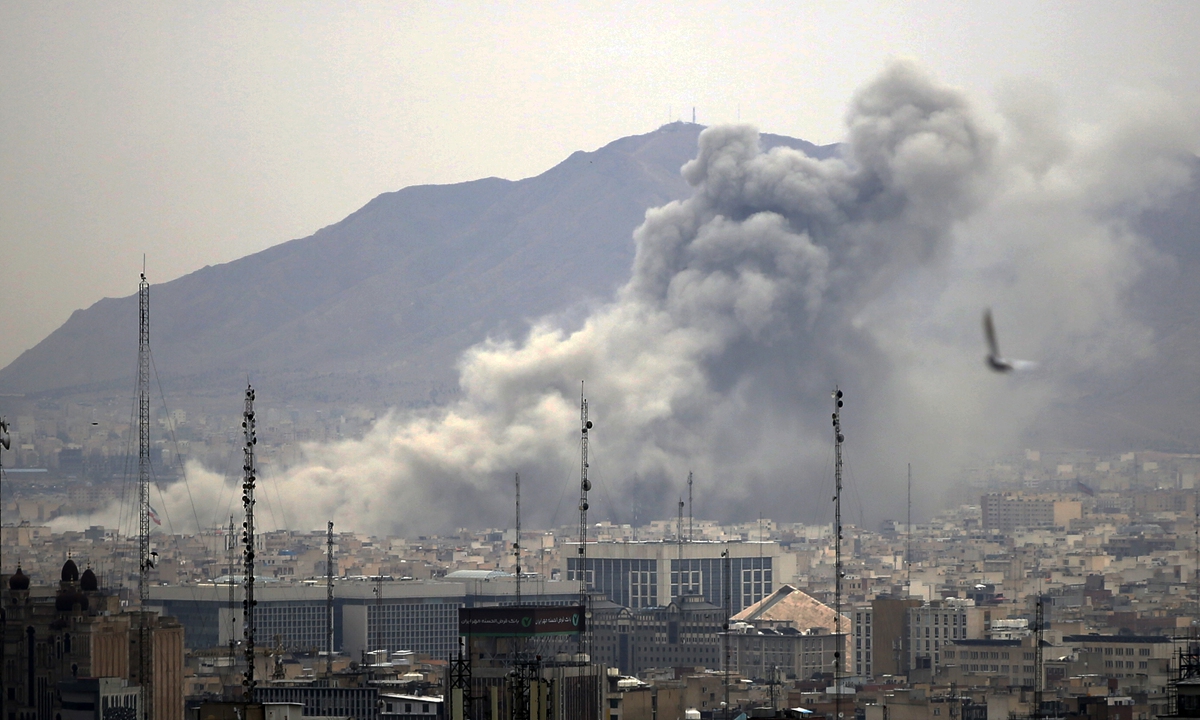
Meanwhile, CCTV and Liberty Times report on President Trump's announcement of US military strikes on Iran's Kharg Island, a vital oil export terminal. This action, described as one of the most significant bombing campaigns in the Middle East, underscores the heightened military tensions between the US and Iran. The strategic importance of Kharg Island, responsible for a substantial portion of Iran's oil exports, cannot be overstated. Any long-term disruption could have severe implications for global oil supply and prices, impacting international investors and energy markets.
Liberty Times provides additional context, emphasizing the potential for renewed military engagements if Iran or any other nation attempts to interfere with maritime freedom and security in the region. This stance highlights the precarious nature of the current geopolitical climate, where military actions could provoke broader conflicts, affecting regional stability and international relations.
In a related report, World Journal discusses Iran's consideration of using the Chinese yuan for oil transactions, a move that could challenge the dominance of the US dollar in global oil markets. This shift reflects China's ongoing efforts to internationalize the yuan and reduce reliance on the dollar, a development with significant implications for global currency markets and trade dynamics.
Finally, Sina briefly touches on the military strikes, reinforcing the narrative of heightened US-Iran tensions.
Overall, these reports collectively highlight the intricate web of geopolitical, economic, and strategic factors at play. For international readers, understanding these dynamics is crucial as they have direct implications for energy security, market stability, and global geopolitical alignments.
Escalating US-Israel-Iran Tensions Impact Global Oil Markets and International Relations
Recent reports from multiple sources including Liberty Times, Sina, CCTV, and Global Times highlight the intensifying military conflict involving the US, Israel, and Iran in the Middle East. This escalation has not only heightened regional tensions but also has significant implications for global oil markets and international diplomacy.
The Liberty Times reports that the US has deployed additional military forces, including two amphibious assault ships, to the Middle East in response to threats in the Strait of Hormuz. This move underscores the strategic importance of the region, which is a critical chokepoint for global oil shipments. The deployment aims to counter potential threats from Iran, which continues to retaliate against US and Israeli military actions. For international markets, this increased military presence signals potential disruptions in oil supply, leading to volatility in global oil prices.
Sina provides details on the ongoing military actions, noting that the US plans to intensify airstrikes on Iran to neutralize its military capabilities. The report also mentions Iran's continued missile attacks and its impact on regional stability. The implications for international businesses and investors are profound, as prolonged conflict could lead to increased energy costs and disrupt supply chains reliant on Middle Eastern oil.
CCTV highlights the humanitarian impact, reporting that over 410,000 people have been displaced within Iran and neighboring countries due to the conflict. This mass displacement could strain resources in host countries and necessitate international humanitarian assistance. For policymakers in the US and EU, addressing the humanitarian crisis is crucial to maintaining regional stability and preventing further escalation.
Global Times offers a broader perspective, emphasizing the geopolitical consequences of the conflict. It reports on the UN Security Council's division, with Russia and China voting to halt sanctions oversight on Iran. This reflects the complex international dynamics at play, where major powers have differing strategic interests in the region. For international readers, understanding these geopolitical shifts is essential as they influence global diplomatic relations and potential resolutions to the conflict.
These developments indicate a critical juncture in US-Iran relations and the broader Middle East geopolitical landscape. The escalating tensions not only threaten regional peace but also have widespread implications for global energy security, economic stability, and international diplomatic efforts. As the situation evolves, it remains imperative for international stakeholders to closely monitor and respond to these developments to mitigate broader global impacts.
US Military Refueling Aircraft Attacked in Iraq: Implications for Global Security and Oil Markets
Reports from CCTV and Sina highlight a recent incident where five US military refueling aircraft were damaged in a missile attack at the Prince Sultan Air Base in Saudi Arabia. This attack underscores the ongoing volatility in the Middle East, a region critical for global energy supplies.
The CCTV report emphasizes the strategic vulnerability of US military assets in the region, suggesting potential implications for US military posture and readiness in the Middle East. It also hints at the broader geopolitical tensions involving the US and other regional actors, which could affect international security dynamics.
Sina's coverage, while also reporting on the damage to the aircraft, notes that the information has yet to be fully verified, indicating a cautious approach to the developing story. This highlights the uncertainty often present in conflict zones, where information can be fluid and unverified.
For international markets and businesses, this event could lead to increased volatility in oil prices, as any threat to Middle Eastern stability tends to ripple through global energy markets. Investors should be aware of potential fluctuations in oil supply and prices, which can affect everything from transportation costs to inflation rates worldwide.
From a policy perspective, this incident may influence US and EU foreign policy, particularly regarding military presence and alliances in the Middle East. It could lead to calls for increased security measures or a reevaluation of military strategies in the region.
Overall, the attack on US military aircraft in Saudi Arabia is a significant development with potential global implications, affecting energy markets, international security, and geopolitical strategies.
China's Diplomatic Engagements with Afghanistan and the Netherlands: Implications for Global Stability and Cooperation
Recent diplomatic communications between China and Afghanistan, and China and the Netherlands, underscore Beijing's strategic efforts to foster regional stability and enhance international cooperation. On March 13, 2026, Chinese Foreign Minister Wang Yi held phone conversations with Afghan Foreign Minister Muttaqi and Dutch Foreign Minister Ben Lundsen, reflecting China's nuanced diplomatic strategy focused on peace and development.
In the discussion with Afghanistan's Muttaqi, China emphasized its commitment to regional peace, expressing support for Afghanistan's aim to be a source of peace rather than conflict in the region. This dialogue is crucial, considering Afghanistan's strategic location and its potential impact on regional security dynamics. China’s stance suggests a desire to play a stabilizing role, which can influence international markets by potentially reducing regional instability that affects global supply chains and energy markets. For the United States and EU, China's involvement in Afghanistan could alter the geopolitical landscape, prompting a reassessment of their policies in Central Asia.
Conversely, the conversation with the Netherlands highlighted China's focus on strengthening bilateral cooperation with European nations. By promoting open and pragmatic cooperation, China aims to align mutual benefits with broader EU-China relations. This dialogue reflects China's strategic interest in maintaining robust economic ties with Europe, which is critical for global trade and supply chain security. The Netherlands' recognition of the importance of China-Dutch relations indicates a mutual interest in fostering economic partnerships, which could drive investment opportunities and influence EU policy towards China.
Both dialogues reveal China's broader strategic goals: to assert its role as a major player in regional and international affairs by promoting dialogue and cooperation. For international readers, these developments signal China's ongoing efforts to expand its influence through diplomatic channels, impacting global trade dynamics and geopolitical alliances. Understanding these moves is essential for businesses and policymakers in the US, EU, and other regions, as they navigate the complexities of international relations and economic interdependence.
Overall, these diplomatic engagements demonstrate China's commitment to leveraging its foreign policy to foster peace and economic cooperation, which has significant implications for global stability and international relations.