US-Iran Tensions Escalate; China's Economic Strategies Evolve; Global Oil Prices Surge
US-Iran Tensions Escalate as Military Strikes and Diplomatic Maneuvers Unfold
The recent escalation in US-Iran tensions has been covered extensively by various media outlets, each providing unique perspectives and interpretations of the events. Sina.cn reports that the US is steadily advancing its control over Iran's airspace, with the White House emphasizing a strategic approach. This development is critical for international markets as it may influence global oil prices and trade routes, affecting energy security and economic stability worldwide.
In a related article, Sina.cn also highlights the military retaliation by Iran, which has launched a series of missile strikes targeting US military bases in the Middle East. The United Nations has warned of a potential loss of control over the situation, raising concerns about regional stability and the safety of millions of civilians. This ongoing conflict could disrupt supply chains and increase geopolitical risks, impacting investment decisions globally.
Liberty Times offers a broader geopolitical analysis, questioning China's position and strategy in the face of these developments. The article suggests that the US-Iran conflict could complicate China's ambitions in the South China Sea, highlighting the interconnectedness of global geopolitical dynamics. For international readers, this analysis underscores the importance of understanding how regional conflicts can influence broader strategic interests and alliances.
Another Liberty Times article examines the internal situation in Iran, noting that despite external pressures, there are no clear signs of political upheaval or popular uprising within the country. This resilience may prolong the conflict, affecting regional power balances and prompting further international diplomatic efforts.
Overall, these articles collectively depict a complex and evolving geopolitical landscape, where military actions, diplomatic maneuvers, and regional alliances intersect. The implications for global markets, energy security, and international relations are profound, necessitating careful monitoring and strategic foresight by policymakers and investors worldwide.
Xi Jinping's Economic Strategy and China's Diplomatic Stance: Global Implications
Recent developments in China's economic and diplomatic landscapes reveal strategic shifts with global implications. A CCTV report highlights President Xi Jinping's emphasis on internal development and innovation, especially in major economic provinces like Jiangsu. Xi's focus on 'practicing internal skills' aims to strengthen China's economic resilience amid complex global challenges. This strategy is crucial for international markets as it signals China's intent to bolster its domestic capabilities, potentially affecting global supply chains and trade dynamics.
The emphasis on high-quality development and innovation in core technologies suggests a strategic pivot towards self-reliance, which could alter the competitive landscape for international businesses and investors. For the US and EU, understanding China's internal focus is essential for adjusting trade policies and anticipating shifts in the tech and manufacturing sectors.
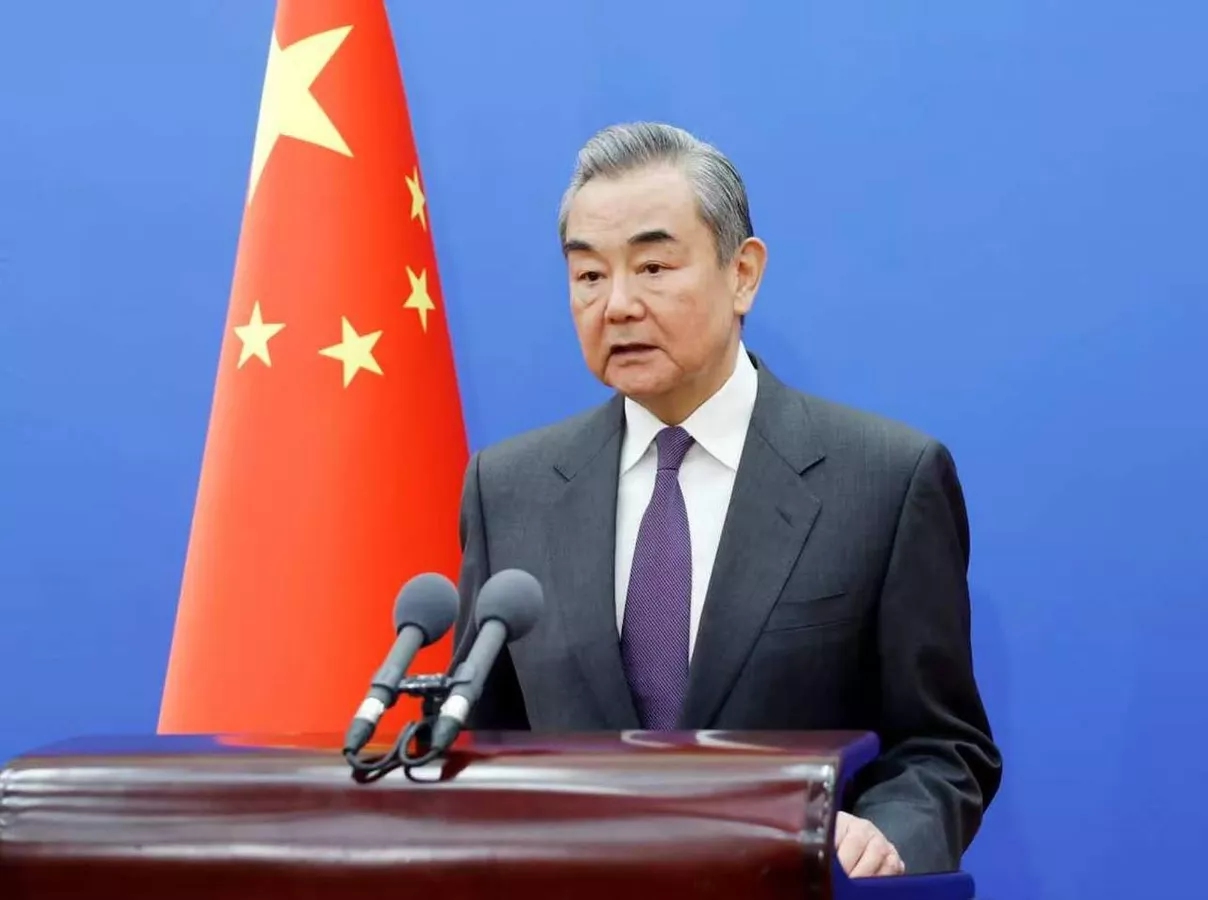
In the diplomatic arena, an upcoming press conference featuring Chinese Foreign Minister Wang Yi will address China's foreign policy and international relations. Sina reports that this event will be a platform for China to articulate its stance on global issues, likely addressing tensions with the US and other Western nations. The international community should watch for China's messaging on strategic ambiguity, especially regarding Taiwan and South China Sea disputes, which have significant geopolitical and security implications.
Another Xinhua article discusses recent tensions between China and Australia, highlighting accusations of unsafe military encounters. China's firm rebuttal of Australia's claims underscores the persistent geopolitical friction in the Asia-Pacific region. This situation exemplifies the delicate balance of power and the potential for miscalculations that could impact regional stability and international maritime law.
Overall, these narratives from various Chinese media outlets reflect a cohesive strategy to project strength both economically and diplomatically. For international stakeholders, these insights are critical for navigating the complexities of China's evolving role on the world stage, influencing everything from investment decisions to policy formulations in response to China's assertive global posture.
Middle East Tensions Drive Global Oil Prices to New Heights, Impacting International Markets
The recent escalation in Middle East tensions has caused a significant surge in global oil prices, as reported by several international publications. According to Xinhua, oil prices in New York futures markets jumped over 10% in early trading, with light crude oil futures reaching $89.62 per barrel. The disruption in oil supply due to geopolitical conflicts in the region has led to a daily shortfall of 700,000 to 1.1 million barrels, despite U.S. measures to maintain oil supply routes.
Similarly, the Liberty Times highlights a nearly 30% weekly increase in international oil prices, attributing it to fears of ongoing disruptions in Middle East oil supply chains. The report emphasizes the potential for oil prices to test $120 per barrel if the situation persists. This publication further notes the strategic vulnerabilities exposed by the closure of key shipping routes, such as the Hormuz Strait, which transports about one-fifth of the world's oil.
Both reports underscore the broader implications for international markets and economies. The surge in oil prices is likely to affect global inflation rates, increase production costs, and strain energy-dependent industries worldwide. For investors and businesses, these developments indicate potential volatility in energy markets and the need for strategic adjustments in supply chain management.
For policymakers in the U.S. and EU, the situation demands careful consideration of energy security strategies and diplomatic efforts to stabilize the region. The potential for further escalation could lead to increased military posturing and necessitate coordinated international responses to prevent economic fallout.
Overall, these reports illustrate the interconnectedness of geopolitical events and global economic stability, highlighting why international readers should closely monitor developments in the Middle East and their ripple effects across markets.
China's Economic Strategies and Climate Commitments: Global Implications and Contrasting Narratives
The recent series of articles from Xinhua and Radio France Internationale (RFI) highlight China's economic and environmental strategies, presenting contrasting narratives on the country's international commitments and domestic priorities.
Xinhua’s coverage emphasizes China’s role as a global economic leader, detailing its ambitious plans to foster international cooperation and sustainable development. The article underscores China's commitment to expanding its economic influence through initiatives like the Belt and Road and its strategic partnerships with countries across Europe, Asia, and Africa. It portrays China as a pivotal player in the global economy, suggesting that its growth is an opportunity for international businesses and investors. By highlighting the influx of international business delegations and the expanding trade agreements, Xinhua illustrates a narrative of mutual growth and opportunity, noting the potential for increased market access and technological collaboration.
From a global perspective, these developments indicate a significant shift in economic power dynamics, with China's policies potentially reshaping supply chains and trade patterns. For international markets and investors, understanding China's economic strategy is crucial as it may influence global investment flows and regional economic policies, particularly in the EU and US, who may need to recalibrate their strategies in response to China's expanding influence.
In contrast, RFI’s article provides a critical examination of China’s climate commitments, highlighting skepticism about China's ability to meet international climate goals. The report points out that while China is making strides in renewable energy, its new climate targets are seen as insufficient to meet its Paris Agreement commitments. This narrative raises concerns about China's genuine commitment to reducing carbon emissions, suggesting that economic considerations might overshadow environmental commitments. The report also draws attention to the global implications of China's climate policies, emphasizing the potential impact on global efforts to combat climate change.
For policymakers and environmental advocates in the US and EU, China's cautious approach to climate targets is a cause for concern, as it may affect global climate negotiations and the overall effectiveness of international climate agreements. The broader strategic implication is the need for enhanced diplomatic engagement and potential pressure on China to accelerate its environmental commitments.
Overall, these articles present a dichotomy in China's international positioning: as a burgeoning economic powerhouse fostering global partnerships, and as a cautious actor in climate policy. For international readers, understanding these dual narratives is essential for navigating the complexities of global economic and environmental landscapes influenced by China's strategic decisions.
Global Markets React to Oil Price Surge and US Employment Data: Implications for Investors and Policymakers
The recent tumult in global financial markets, driven by a significant surge in oil prices and weaker-than-expected US employment data, has sparked widespread concern among investors and policymakers. This summary analyzes coverage from Tencent and Sina, highlighting their interpretations and the international ramifications.
Market Performance
Both Tencent and Sina report that major US stock indices, including the Dow Jones, Nasdaq, and S&P 500, experienced notable declines, with the Dow falling by 0.95%, the Nasdaq by 1.59%, and the S&P 500 by 1.33%. This downturn is attributed to the dual pressures of rising oil prices and disappointing employment figures, which have exacerbated market anxiety. The VIX, a measure of market volatility, saw a dramatic 22% increase, reaching its highest level since April of the previous year, indicating heightened investor fear.
Oil Prices and Geopolitical Tensions
The surge in oil prices, with WTI crude oil futures up 35.6% and Brent crude up 27.88% for the week, is largely driven by escalating geopolitical tensions in the Middle East. The US and Israel's military actions against Iran have disrupted oil production and transport, notably impacting the Hormuz Strait, a critical chokepoint for global oil shipments. As energy prices rise, concerns about inflationary pressures are mounting, potentially complicating monetary policy decisions in the US and EU. For international businesses and investors, the instability underscores the need for strategic risk management and diversification.
US Employment Data
The US employment report revealed a net decrease of 92,000 non-farm jobs in February, significantly below market expectations of a 55,000 increase, with unemployment rising to 4.4%. This is only the second instance of negative monthly job growth since 2020, highlighting potential underlying economic vulnerabilities. The combination of economic softness and rising energy costs presents a challenging scenario for US policymakers, who must balance growth stimulation with inflation control.
International Implications
The developments have broad implications for international markets. For investors in the US and Europe, the volatility underscores the importance of monitoring geopolitical risks and their economic impacts. In Asia, where energy imports are critical, the situation may prompt a reevaluation of energy sourcing and supply chain strategies. For policymakers, the intersection of economic data and geopolitical tensions necessitates careful navigation to avoid exacerbating economic instability. Additionally, the rising oil prices could reignite debates over energy independence and sustainability initiatives globally.
In summary, the current market dynamics, influenced by geopolitical tensions and economic data, present significant challenges and considerations for international investors and policymakers. The coverage by Tencent and Sina highlights the interconnectedness of global markets and the critical need for strategic foresight in navigating these complexities.
China's Economic and Diplomatic Moves: Implications for Global Markets and Policies
Recent coverage by CCTV and Sina highlights significant developments in China's economic and diplomatic landscape, with potential global repercussions. Both outlets report on China's economic growth projections, with the National Development and Reform Commission estimating a GDP increase of 6 trillion yuan this year. This growth trajectory is crucial for international markets as it suggests a robust demand for commodities and potential opportunities for foreign investment. The emphasis on stimulating domestic demand, as noted by the Ministry of Finance's allocation of 1 trillion yuan, indicates a strategic push to stabilize the economy amid global uncertainties.
From a diplomatic standpoint, the Ministry of Foreign Affairs' advisory for personnel in the Middle East to expedite their withdrawal underscores the geopolitical tensions affecting global oil markets. The international oil prices reaching their highest single-day rise in nearly six years, as reported, could lead to increased costs for businesses worldwide, impacting inflation rates and monetary policies in the US and EU.
Furthermore, the People's Bank of China's reverse repo operation of 800 billion yuan reflects efforts to maintain liquidity in the financial system. For global investors, this move signals China's commitment to financial stability, which could affect currency markets and international investment flows.
Both articles also touch on regional security issues, with references to ongoing conflicts and diplomatic negotiations involving the US and other countries. These narratives serve to highlight China's strategic positioning and its impact on international relations and security policies.
While both sources provide similar information, CCTV's coverage appears more focused on domestic achievements and stability, possibly aiming to reassure the Chinese public and international stakeholders of China's resilience. In contrast, Sina provides a broader context by linking domestic policies to international developments, offering a more comprehensive view of China's global strategy.
Youth Unemployment and Social Unrest in China: Global Economic and Political Repercussions
The Liberty Times article sheds light on the increasing social unrest in China, highlighting a 5% rise in public protests, particularly among youth, workers, and small business owners. As China's economic growth continues to decelerate, significant numbers of young people are being pushed into the 'gig economy,' often taking up jobs as delivery drivers. This shift underscores a broader economic malaise, where traditional employment opportunities are dwindling.
These developments indicate a growing socioeconomic divide and mounting dissatisfaction among Chinese citizens, which could have far-reaching implications for international markets. As more young Chinese find themselves in precarious employment, consumer spending could weaken, affecting global businesses with significant exposure to the Chinese market. Moreover, the strain on local governments, facing fiscal challenges and increased social unrest, could lead to policy shifts that impact foreign investors and businesses operating in China.
From a geopolitical perspective, rising domestic unrest might prompt the Chinese government to adopt more assertive foreign policies as a means of diverting attention from internal issues. This could complicate relations with the US, EU, and other regions, potentially affecting trade negotiations and international cooperation.
For policymakers in the US and Europe, the situation highlights the need for strategic engagement with China, balancing economic interests with human rights considerations. As China grapples with internal challenges, Western governments may find opportunities to influence China's policy choices through diplomatic channels and economic incentives.
Overall, the article underscores the importance of monitoring China's domestic developments, as they are inextricably linked to global economic and political dynamics. International stakeholders must remain vigilant, as China's internal challenges could have significant implications for global supply chains, market stability, and geopolitical relations.