
US-Iran Tensions Escalate; China's Humanoid Robotics Surge; Global Economic Shifts Amidst China's Urban Renewal and Tech Regulation
Escalating U.S.-Iran Tensions: Drone Shootdowns and Airstrikes Signal Growing Regional Instability
Recent reports from multiple international sources depict a tense and escalating conflict between the United States and Iran, marked by the alleged downing of U.S. military drones and retaliatory airstrikes. The World Journal reports that Iran's Revolutionary Guard Corps (IRGC) claimed responsibility for attacks on U.S. bases in the Middle East, including the downing of an MQ-9 Reaper drone. The U.S. military has denied these claims, suggesting a potential disinformation campaign by Iran.
Similarly, New York Times highlights the U.S. response to these provocations, indicating further airstrikes on Iranian targets. This military exchange underscores the fragile nature of U.S.-Iran relations and raises concerns about broader regional stability.
Further analysis by Xinhua emphasizes China's stance on international conflicts, advocating for peaceful resolutions and criticizing Western media's portrayal of China's economic growth as a threat. This narrative aligns with China's broader strategy to position itself as a global peacemaker and economic partner, contrasting with the U.S.'s military engagements.
The Liberty Times provides additional context, reporting on Iran's strategic targeting of U.S. military installations in the region, including potential damage to facilities housing F-35 jets. This suggests Iran's tactical focus on disrupting U.S. military capabilities, which could have significant implications for U.S. defense strategies and regional alliances.
From a geopolitical perspective, these developments are critical for international markets and investors. The volatility in the Middle East could impact global oil prices and supply chains, influencing economic stability worldwide. For the U.S. and EU, these tensions necessitate a reevaluation of foreign policy strategies in the region, balancing military deterrence with diplomatic engagement.
Global audiences should be aware of the potential for these conflicts to escalate into broader regional wars, affecting international security and economic conditions. The strategic implications extend beyond immediate military exchanges, potentially reshaping alliances and influencing global power dynamics.
China's Accelerated Push in Humanoid Robotics: Global Implications and Strategic Shifts
The recent announcement from China's Ministry of Industry and Information Technology and the State Council’s National Development and Reform Commission unveils a comprehensive plan to advance the deployment of humanoid robots and embodied intelligence in real-world scenarios by 2026. This initiative signifies China's strategic move towards integrating advanced robotics into industrial and service sectors at scale, with significant implications for global markets and international policy landscapes.
Xinhua reports that the project aims to enhance the performance of key components and algorithms through realistic training environments, addressing existing bottlenecks in data accumulation and model efficiency. By 2026, China plans to complete application verification and routine deployment of key humanoid robot products in representative scenarios, thereby initiating an 'operational mode' that could catalyze widespread adoption and innovation in robotics.
In another Xinhua article, the focus shifts to the lifecycle management of humanoid robots, emphasizing the introduction of a unique 29-character identity code for each unit. This initiative underscores China's commitment to establishing a standardized framework for quality control and safety management, which is crucial for mitigating risks and ensuring accountability in the burgeoning robotics industry.
The third piece from Xinhua highlights the role of realistic training as a pivotal strategy to transition humanoid robots from experimental stages to practical, everyday applications. This approach not only enhances the robots' operational capabilities but also significantly reduces the cost of trial and error for enterprises, paving the way for more efficient and scalable implementation in diverse industrial settings.
Lastly, a further Xinhua article reiterates the strategic importance of this initiative, noting its potential to reshape the industrial ecosystem by 2026. The integration of humanoid robots into key sectors is expected to drive demand for domestic components, such as sensors and actuators, thereby accelerating China's self-sufficiency in critical technologies and reducing reliance on foreign imports.
Internationally, these developments could alter competitive dynamics in the global robotics market, influencing investment flows and strategic partnerships. For the US and EU, this may necessitate adjustments in policy to support domestic industries and maintain technological competitiveness. Investors and businesses worldwide should closely monitor these shifts, as China's advancements in robotics could disrupt existing supply chains and create new opportunities for collaboration and innovation.
China's Urban Renewal Plan Emphasizes Cultural Heritage Amid Global Urbanization Trends
The recent release of China's 'Urban Renewal 15th Five-Year Plan' highlights a significant shift in urban development strategy, focusing on preserving cultural heritage alongside modernizing infrastructure. Xinhua's article on the plan stresses the importance of maintaining a city's cultural veins—its 'root and soul'—as a cornerstone of urban renewal. The narrative criticizes past practices of large-scale demolition and construction that led to 'cities with a thousand faces,' devoid of unique cultural identity. The plan advocates for a 'protect first, build later' approach, emphasizing cultural preservation as a driver of urban vitality, rather than an obstacle to development. This reflects a broader trend where urban renewal is not just about physical space but cultural enrichment, a concept that resonates globally as cities worldwide grapple with balancing modernization and heritage conservation.
Internationally, this development is significant for urban planners and investors, as it signals China's commitment to sustainable urbanization, potentially impacting global real estate and infrastructure investments. For policymakers in the US and EU, it offers insights into integrating cultural heritage into urban planning, which could inform their own urban policies, especially in historic cities. This approach aligns with global movements towards sustainable and culturally sensitive urban development, providing a model for other nations to consider.
Contrastingly, articles from CCTV focus on specific heritage sites, like the Gongwangfu in Beijing and ancient sites in Hengshui, Hebei, highlighting their revival through cultural performances and preservation efforts. While these stories contribute less to the overarching theme, they illustrate the practical application of the national plan at local levels, showcasing how cultural sites can be revitalized to enhance community engagement and tourism. This localized emphasis on heritage sites may serve as case studies for urban renewal projects globally, offering lessons in leveraging cultural assets to drive economic and social benefits.
Overall, China's approach to urban renewal, as articulated in these articles, underscores a strategic pivot towards integrating cultural preservation with urban development. This has broader implications for international urban policies, offering a template for balancing heritage conservation with modernization, a challenge faced by cities worldwide.
China's Rising Producer Prices Signal Global Economic Shifts Amidst Stable Consumer Prices
Recent data from Xinhua highlights a notable increase in China's Producer Price Index (PPI) for industrial products, which rose by 3.9% year-on-year in May 2026. This surge is primarily driven by significant price hikes in mining and raw materials, notably colored metals and chemical raw materials, which increased by 22.0% and 11.8% respectively. These developments indicate a potential ripple effect on global supply chains, particularly in industries reliant on Chinese raw materials, such as electronics and automotive sectors.
In contrast, China's Consumer Price Index (CPI) remained relatively stable, with a modest year-on-year increase of 1.2% as reported by Xinhua. The stability in consumer prices despite rising producer costs suggests that Chinese manufacturers may be absorbing increased input costs, potentially affecting profit margins. This scenario could impact international markets by influencing pricing strategies and competitive dynamics, especially for multinational corporations operating in or sourcing from China.
The stability in consumer prices is further detailed in another Xinhua article, which notes a slight decline in food prices by 1.7%, driven by reduced pork prices, while non-food items rose by 1.9%. This divergence underscores the complexity of China's domestic market, where inflationary pressures can vary significantly across different sectors.
For international businesses and investors, these developments highlight the need to closely monitor China's industrial pricing trends, as they can have far-reaching implications for global trade dynamics and cost structures. Moreover, the stable consumer prices suggest that China's domestic demand remains resilient, which could offer opportunities for foreign companies targeting Chinese consumers.
From a policy perspective, the rising PPI may prompt the Chinese government to consider measures to stabilize industrial costs, which could include adjusting tariffs or subsidies. Such actions would be closely watched by international policymakers, particularly in the US and EU, who are keenly aware of how China's economic policies can influence global inflationary trends and trade balances.
China's Consulate Alerts Citizens on Cyclone Risks in Honduras: Global Implications for Safety and Business
Recent developments highlight the proactive measures taken by China's Consulate in Honduras, warning Chinese citizens and enterprises about the potential threats posed by the tropical cyclone 'Cristina'. The consulate has identified specific regions along the Pacific coast, such as Fonseca Bay, as yellow alert areas, indicating moderate risk, while nine provinces including Francisco Morazán and Comayagua are marked as green alert zones, indicating low risk.
This alert underscores China's commitment to protecting its citizens and assets abroad, reflecting a broader strategy of ensuring the safety and security of its diaspora. For international markets and businesses, this move signals potential disruptions in areas with significant Chinese investments or personnel, prompting a reassessment of risk management strategies in the region.
From a policy perspective, the alert may influence U.S. and EU diplomatic and consular practices, emphasizing the importance of timely communication and coordination in crisis-prone areas. It also serves as a reminder for governments worldwide to enhance their emergency preparedness and response strategies, particularly in regions susceptible to natural disasters.
The news, covered by Sina and CCTV, illustrates the consistent narrative of prioritizing citizen safety. While Sina provides a detailed account of the consulate's alert, including emergency contact numbers, CCTV's coverage is more limited, focusing on the official announcement without additional context.
Overall, these developments indicate China's expanding influence and responsibility on the global stage, with implications for international safety protocols and bilateral relations in disaster-prone regions.
China Tightens Regulations on App Pop-ups: Implications for Global Tech and Consumer Markets
China's Ministry of Industry and Information Technology (MIIT) has announced stringent measures to regulate the behavior of app pop-ups and information windows, as reported by Xinhua. This move comes amid increasing promotional activities around the '618' shopping festival, where some apps have been found to use misleading techniques to entice user clicks, such as unauthorized redirects or high-sensitivity 'shake' features.
The MIIT's Information and Communication Administration convened a special meeting to address these issues, emphasizing the need for compliance and user protection. The focus is on ensuring that app interfaces are presented in a regulated manner, prohibiting any form of deceptive practices that could mislead users. This initiative underscores China's commitment to creating a secure consumer environment, which has significant implications for global tech companies operating in China.
For international markets, this development signals a tightening regulatory environment in China that could impact foreign tech companies' strategies and operations. Companies may need to adjust their app designs and marketing strategies to comply with these new standards, potentially leading to increased operational costs and changes in user engagement tactics.
From a policy perspective, this move reflects China's broader digital governance strategy, which could influence similar regulatory trends in other regions, particularly where consumer data protection and digital advertising practices are under scrutiny. For the US and EU, this might prompt discussions on aligning or contrasting their digital policies with China's approach, especially concerning user privacy and data security.
Overall, this regulatory shift highlights China's growing influence in setting digital norms that can ripple through international tech and consumer markets, urging businesses and policymakers worldwide to closely monitor and adapt to these changes.
US-China Local Politics and Cross-Strait Relations: Global Implications
Recent developments in US-China relations illustrate the intricate connections between local politics in the United States and broader geopolitical dynamics. An article from The New York Times highlights the rise of Eileen Wang, a Chinese-American politician in Arcadia, California. This story underscores the increasing political influence of Asian-American communities in the United States, amidst a backdrop of growing US-China tensions. For international markets and investors, this signifies a potential shift in domestic US policies that could influence trade relations and immigration policies, affecting global supply chains and labor markets.
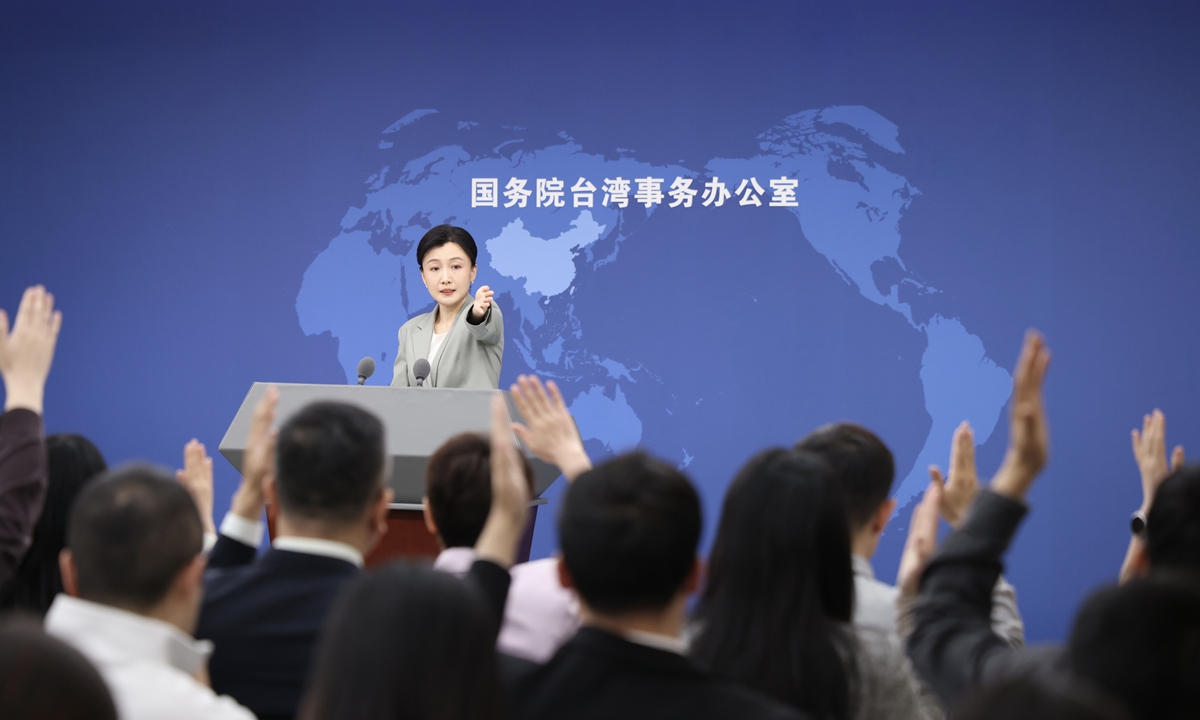
Meanwhile, the Global Times reports on the ongoing tensions between China and Taiwan, focusing on the Taiwan Affairs Office's criticism of Taiwan's Vice President, Lai Ching-te. The article frames the situation as a clash between "Taiwan independence" and national reunification, reflecting China's staunch stance on its territorial claims. For policymakers in the US and EU, this development requires careful navigation to manage regional stability and maintain strategic ambiguity in cross-Strait relations. For readers outside China, understanding these tensions is crucial, as they could lead to significant shifts in regional security dynamics and impact global economic stability if conflicts escalate.
These narratives from different publications reveal contrasting perspectives on similar themes. The New York Times focuses on the personal and local impact of broader geopolitical trends, while the Global Times emphasizes national sovereignty and regional security. Together, they highlight the interconnectedness of local political developments in the US with global geopolitical strategies, underscoring the importance for international audiences to monitor these evolving dynamics closely.
Emerging Industries Drive Employment Opportunities for Chinese Youth: Global Implications
The article from CCTV News highlights the role of emerging industries in expanding employment opportunities for young people in China. This development is particularly noteworthy as it showcases China's strategic focus on nurturing new sectors to bolster economic growth and address youth unemployment.
Recent events show that China's emphasis on developing high-tech industries, such as renewable energy, AI, and biotechnology, is not only creating new job opportunities but is also positioning the country as a leader in these fields. This shift is significant for international markets as it indicates a potential increase in China's competitiveness on the global stage, particularly in sectors that are critical to future economic and technological landscapes.
For international businesses and investors, China's growing prowess in these industries could mean increased competition but also opportunities for collaboration and investment in Chinese markets. Companies in the US, EU, and other regions may need to adapt their strategies to maintain competitiveness, considering China's rapid advancements and the potential for these industries to reshape global supply chains.
These developments indicate a broader strategic implication for international policymakers. As China continues to invest in and expand its high-tech capabilities, countries worldwide may face pressure to enhance their own technological and industrial policies to keep pace. This could lead to increased emphasis on domestic innovation, education, and workforce development to maintain a competitive edge.
The news highlights the interconnectedness of global economies and the importance of understanding China's domestic policies and their potential ripple effects worldwide. For readers outside China, these trends underscore the need to stay informed about China's economic strategies and their implications for international markets and geopolitical dynamics.