US-Iran Tensions Escalate; Holmes Strait Shipping Halt; K-Pop's Global Cultural Impact; China's AI Consumer Electronics Surge

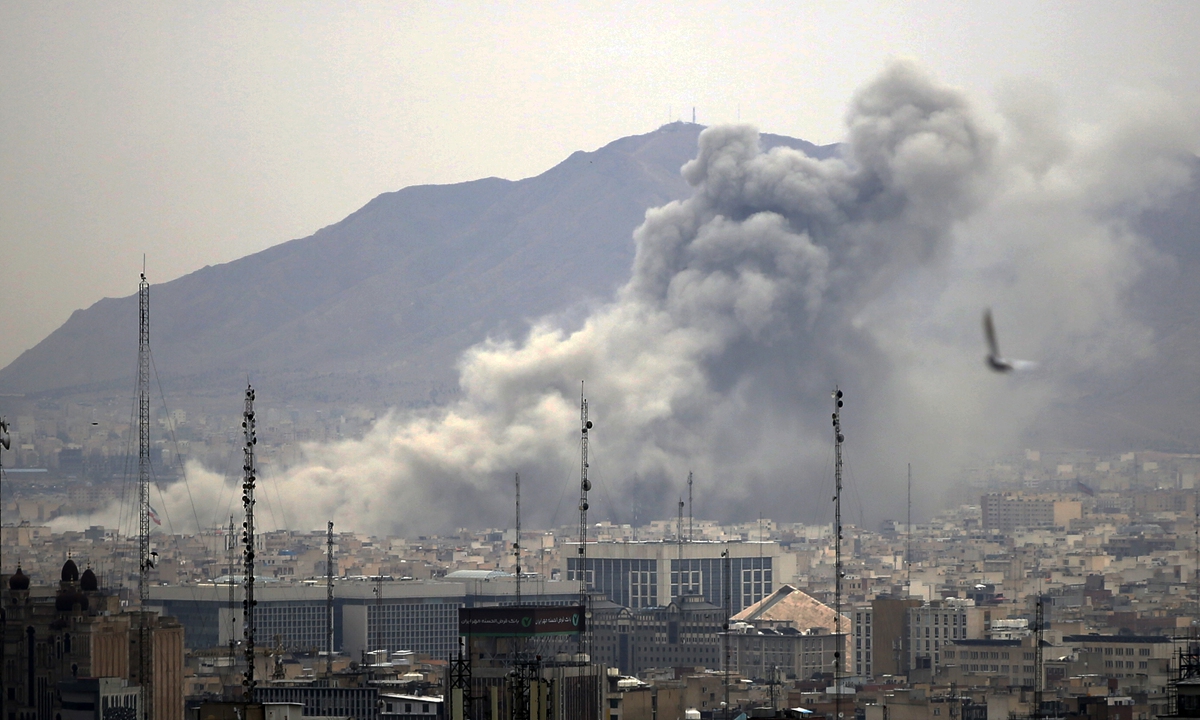
Iran Conflict Escalates: Global Economic and Strategic Implications
The ongoing conflict involving the United States and Iran has drawn significant international attention, as evidenced by coverage from prominent sources like New York Times and Sina News. Both publications highlight the prolonged nature of the conflict and its potential to affect global markets and geopolitical stability.
The New York Times focuses on the strategic decisions facing the Trump administration, emphasizing the delicate balance between military engagement and diplomatic maneuvering. The article suggests that the administration is grappling with the implications of continued military action versus the potential for strategic withdrawal. This narrative underlines the complexity of U.S. foreign policy and its impact on international relations.
Meanwhile, Sina News reports on the operational aspects of the conflict, noting the Pentagon's estimation of the conflict's duration and the White House's calls for public patience amid rising energy prices. The emphasis on energy prices is particularly relevant for international markets, as sustained conflict in the Middle East could lead to prolonged volatility in global oil markets, affecting economies worldwide.
Both sources reflect on the broader implications of the conflict: The New York Times discusses potential shifts in U.S. national security strategy, while Sina highlights the logistical and military dimensions, including Israel's military readiness. These narratives underscore the interconnected nature of geopolitics and economics, where regional conflicts can have far-reaching impacts on global supply chains, energy security, and diplomatic relations.
For international readers, the developments in the U.S.-Iran conflict are critical. The potential for escalated military engagement raises concerns about regional stability and the security of global energy supplies. Investors and policymakers in the U.S., EU, and other regions must consider these dynamics when evaluating economic forecasts and strategic alignments. The situation also serves as a reminder of the intricate web of alliances and rivalries that define modern geopolitics, where decisions made by one nation can ripple across the globe.
Holmes Strait Shipping Halt Sparks Global Energy Concerns Amidst US-Iran Tensions
Recent data from the Holmes Strait, a critical maritime chokepoint for global energy transport, reveals a significant disruption: for the first time since the onset of heightened US-Iran tensions, no ships have traversed the strait on March 14th. This report, highlighted by both CCTV and Sina, underscores the strategic and economic ramifications of military actions in the region.
The Holmes Strait, which typically sees around 77 vessels pass through daily, is pivotal for the transportation of energy resources. The complete halt in shipping underscores the escalating geopolitical tensions and their potential to disrupt global energy supplies. This development is particularly critical for international markets heavily reliant on Middle Eastern oil, as any prolonged disruption could lead to increased energy prices and volatility in global markets.
From a policy perspective, this maritime standstill could prompt the US and EU to reassess their strategic engagements and energy dependencies. For investors and businesses worldwide, particularly those in energy and shipping sectors, understanding the implications of such geopolitical disruptions is crucial for risk management and strategic planning.
CCTV's coverage emphasizes the unprecedented nature of the halt, potentially aiming to highlight the vulnerability of global supply chains to regional conflicts. Meanwhile, Sina's reporting aligns closely with this narrative, reinforcing the importance of the strait in global energy logistics.
Overall, the cessation of shipping through the Holmes Strait serves as a stark reminder of the interconnectedness of geopolitical events and global economic stability, urging international stakeholders to closely monitor developments in the region.
K-Pop's Global Influence Expands as 'Kpop Demon Hunters' Dominates Oscars
The recent success of 'Kpop Demon Hunters' at the Oscars marks a pivotal moment not just for the film itself but for the global cultural impact of K-pop. The film, which won the Best Animated Feature and Best Original Song awards, exemplifies the growing international appeal of Korean pop culture. This success is indicative of a broader trend where K-pop acts like BTS and Blackpink have become regulars at Western awards shows, thus highlighting the genre's wide-reaching influence.
The World Journal reports on the vibrant atmosphere at the Oscars ceremony, where the film's theme song 'Golden' was performed live, captivating audiences and illustrating the blend of traditional Korean music with modern pop elements. This performance not only celebrated the cultural roots of K-pop but also showcased its innovative spirit, which has helped it resonate with a global audience. The presence of Hollywood stars like Leonardo DiCaprio and Emma Stone, who joined in the celebrations, underscores the genre's crossover appeal.
Globally, the film's success at the Oscars serves as a testament to the rising demand for Korean cultural exports. For international markets and investors, this signifies a lucrative opportunity in entertainment sectors that cater to diverse, global tastes. The film's achievement may encourage more cross-cultural collaborations and investments in K-pop and related media, further integrating Korean culture into the global entertainment landscape.
For policymakers in the US, EU, and other regions, the expansion of K-pop's influence presents both opportunities and challenges. On one hand, it fosters cultural exchange and soft power dynamics that can enhance diplomatic relations. On the other hand, it also raises questions about cultural preservation and the balance of global media influence, prompting discussions on how to support local industries while embracing international trends.
Readers outside China should take note of this development as it illustrates the shifting paradigms in global cultural influence, where traditional Western dominance is increasingly being complemented by vibrant Asian contributions. This evolution in cultural dynamics not only enriches global diversity but also shapes consumer preferences and market strategies worldwide.
Heightened Security Concerns as US Embassy in Iraq Faces Attack: Implications for Global Stability
Recent reports from CCTV and Sina highlight a significant security incident involving the US Embassy in Baghdad, Iraq. The embassy, located in the fortified 'Green Zone', was attacked in the early hours of March 16th. The US defense mechanisms, including air raid alerts and the C-RAM defense system, were activated, successfully intercepting an incoming explosive device. However, it remains unclear whether the threat was posed by a drone or a rocket.
These developments indicate an escalation in hostility towards US diplomatic presences abroad, a scenario that poses broader implications for international markets and global geopolitical stability. For businesses and investors, such incidents can lead to increased volatility in global markets, particularly in sectors sensitive to geopolitical risks such as energy and defense.
The absence of a formal response from the US government as of now suggests a cautious approach, possibly to avoid further escalation. For policymakers in the US and EU, this incident underscores the need for heightened security measures and intelligence cooperation to protect diplomatic missions worldwide.
For international readers, this attack is a reminder of the persistent volatility in the Middle East, a region critical to global energy supplies. Any potential destabilization could lead to disruptions in oil markets, affecting prices and supply chains globally. Additionally, this incident may influence US foreign policy, potentially impacting its diplomatic strategies and military presence in the region. The broader strategic implications could include a reassessment of security protocols and increased defense spending, influencing international relations and defense alliances.
Escalating Tensions in Iraq: Insurgent Attacks on US Military Base Highlight Strategic Challenges
Recent reports from CCTV and Sina shed light on a significant insurgent attack in Iraq, where the militant group known as the 'Fresh Blood Guardians', affiliated with the 'Islamic Resistance Organization', claimed responsibility for an assault on the 'Victory Base' near Baghdad International Airport. This attack resulted in the deaths of six US soldiers and injured four others. The incident underscores the ongoing instability in the region and raises questions about the effectiveness of US military presence in Iraq.
Both articles from CCTV and Sina emphasize the frequency and intensity of these attacks, noting that since February 28, the insurgent group has conducted hundreds of strikes using drones and rocket fire against American targets in and around Iraq. However, the narrative presented by each publication varies subtly in its focus and potential implications.
CCTV highlights the operational capabilities of the insurgents, pointing out their use of advanced technology such as drones, which indicates a significant escalation in their tactical approach. This emphasis on technological sophistication might suggest a broader strategic challenge for US forces, as they face adversaries equipped with increasingly advanced weaponry. For international markets and investors, this escalation could imply heightened risks in the region, potentially affecting global oil supplies and energy markets due to Iraq's significant role as an oil producer.
On the other hand, Sina's report appears to focus more on the immediate impact and the lack of response from the US, which might be interpreted as a critique of US foreign policy effectiveness in the region. The absence of a swift response could be seen as a signal of potential shifts in US military strategy or a re-evaluation of its commitments in Iraq. For policymakers in the US and EU, this development might necessitate discussions on adjusting military strategies or diplomatic efforts to stabilize the region.
These developments highlight a critical juncture for international stakeholders. The strategic importance of Iraq in the Middle East, coupled with its geopolitical significance, means that continued instability could have far-reaching implications. For readers outside China, understanding these dynamics is crucial, as they could influence global security frameworks, impact international relations, and affect economic interests tied to Middle Eastern stability.
AWE 2026: China's AI-Powered Consumer Electronics and Its Global Impact
The 2026 Appliance & Electronics World Expo (AWE) held in China has showcased a significant shift in consumer electronics, driven by artificial intelligence (AI). As reported by Xinhua, AI is transforming from a conceptual novelty to a crucial driver of consumer demand. The exhibition highlighted the evolution from passive AI capabilities in household electronics to proactive, intelligent services. This shift is expected to catalyze growth in China's consumer electronics industry, presenting new opportunities for global markets and investors.
The integration of AI into consumer products, such as refrigerators and TVs, has enhanced their functionality, privacy, and responsiveness, potentially leading to the development of autonomous household robots. This innovation aligns with global trends towards smart homes and green consumption, offering international businesses new avenues for product development and market expansion.
In another piece by Xinhua, the focus was on the global resource linkage facilitated by AWE. The expo served as a platform for showcasing China's AI advancements and connecting with global resources. This strategic move underscores China's intent to accelerate AI from laboratory research to industrial application, highlighting its commitment to becoming a leader in AI-driven manufacturing and logistics.
The expo's dual-location model, combining Shanghai's New International Expo Center and the Oriental Greenbelt International Business Cooperation Zone, underscores China's strategy to foster international AI collaboration. This approach not only enhances China's domestic AI capabilities but also positions it as a key player in the global AI landscape, influencing international tech policies and market dynamics.
For international readers, these developments indicate a growing competitive edge for China in AI technology, which could impact global supply chains, tech standards, and economic policies. As China's AI sector continues to grow, it will likely influence global tech competition and necessitate adjustments in international regulatory frameworks and investment strategies.
Iran Accuses Israel of Ecocide in Fuel Depot Bombing: Global Environmental and Legal Implications
Two major Chinese news outlets, CCTV and Sina, have reported on the Iranian Foreign Minister Alagheband's condemnation of Israel for allegedly bombing a fuel depot in Dehlan, Iran. This event has been labeled as an act of 'ecocide', a term denoting severe environmental destruction, and a violation of international law. Both reports highlight the potential long-term damage to local health and ecosystems, including soil and groundwater contamination, which could have intergenerational impacts.
The consistent narrative across these publications reflects a strategic emphasis on environmental and legal angles, possibly aiming to galvanize international legal discourse and environmental advocacy against Israel. By framing the incident as ecocide, the reports seek to elevate the environmental consequences to a global concern, potentially inviting scrutiny from international environmental organizations and legal bodies.
The implications for international markets and businesses are significant. Environmental degradation on such a scale could disrupt regional supply chains, particularly in the energy sector, affecting global oil prices and stability in related markets. For investors and businesses, this underscores the importance of assessing geopolitical risks in regions with volatile political climates.
From a policy perspective, these developments could influence the US and EU's approach to Middle Eastern geopolitics, particularly in balancing environmental concerns with diplomatic relations. The use of ecocide as a legal framework might also inspire similar claims in other regions, potentially leading to stricter international environmental regulations.
Overall, this situation highlights the growing intersection of environmental and geopolitical issues, urging international readers to consider the broader strategic and economic consequences of such conflicts beyond their immediate locales.