
US Soccer's Global Impact; German Legal Moves on Nord Stream; China's Extraterritorial Law; French Climate Crisis; Semiconductor Market Volatility; China's AI Manufacturing Surge
US Soccer Team's World Cup Journey: Red Cards, Historic Goals, and Global Implications
The recent coverage of the US soccer team's performance in the World Cup by Sina highlights both the team's challenges and achievements. In a match against Poland, Balogun received a direct red card after a VAR review confirmed a serious foul. This incident marks Balogun as the first U.S. player to be red-carded at a World Cup since 2006, potentially impacting team dynamics and strategy in the tournament's later stages.
In another article, Sina reports on the U.S. team's milestone achievement, scoring their 50th World Cup goal, making them the 18th team in history to reach this mark. This accomplishment underscores the team's evolving prowess on the global stage and could enhance their standing in international soccer, potentially boosting sponsorship and investment opportunities.
The narrative around Balogun continues as another article reiterates the significance of his red card, emphasizing its rarity and the potential psychological effect on the team. Such incidents can influence perceptions of team discipline and affect international perceptions and strategies.
Further emphasizing individual achievements, Sina notes that Balogun has joined the ranks of only three U.S. players to score three or more goals in a single World Cup. This highlights his critical role in the team's offense, suggesting potential for future leadership and increased marketability.
Finally, Sina discusses the team's historic lead in a World Cup elimination match, a feat last achieved in 2002. This narrative underscores a potential shift in the team's competitive trajectory, which could influence U.S. soccer's strategic investments and international collaborations.
Overall, these developments have significant implications beyond sports. For international markets, particularly in the U.S. and EU, the team's performance could impact sponsorship deals, sports marketing strategies, and cross-border sports collaborations. Policymakers might consider the soft power potential of sports in international diplomacy, while investors could view these achievements as opportunities in the sports industry.
German Legal Action on Nord Stream Bombing: Implications for European Energy Security and Global Markets
The recent legal developments surrounding the Nord Stream pipeline bombing case have drawn significant international attention, particularly given the implications for European energy security and broader geopolitical dynamics. Liberty Times reports that German prosecutors have charged a Ukrainian national, referred to as 'Serhii K', in connection with the 2022 bombing that disrupted the Nord Stream natural gas pipeline. This incident severed a crucial energy link between Russia and Europe, underscoring the vulnerability of critical infrastructure in the region.
According to Sina, the German Federal Prosecutor's Office accused the individual of collaborating with a team aboard the yacht 'Andromeda' to plant explosives on the pipelines. The report highlights the strategic importance of this case, as it involves not only energy security but also diplomatic relations between Russia, Ukraine, and European nations. The involvement of a Ukrainian suspect could complicate the geopolitical narrative, particularly in the context of ongoing tensions in Eastern Europe.
The Liberty Times further notes that the disruption of the Nord Stream pipeline has had profound effects on Germany's energy security, given that the pipeline's endpoint is located in Mecklenburg-Vorpommern. The pipeline's damage has forced Europe to reassess its energy dependencies and accelerate the transition to alternative energy sources. This has implications for global energy markets, as Europe seeks to diversify its energy imports, potentially affecting global oil and gas prices.
While Liberty Times briefly mentions the broader geopolitical tensions without delving into specifics, it is evident that the Nord Stream incident is a focal point in the ongoing energy and security discourse. The legal proceedings in Germany could serve as a precedent for how countries address the security of transnational energy infrastructures in the future.
For international markets and businesses, these developments emphasize the need for heightened security measures and contingency planning in energy logistics. For policymakers in the US, EU, and beyond, the case underscores the importance of collaborative security frameworks and the diversification of energy sources to mitigate similar risks in the future.
US Stands Firm Against China's Extraterritorial Legal Reach, Sparking Global Legal and Political Implications
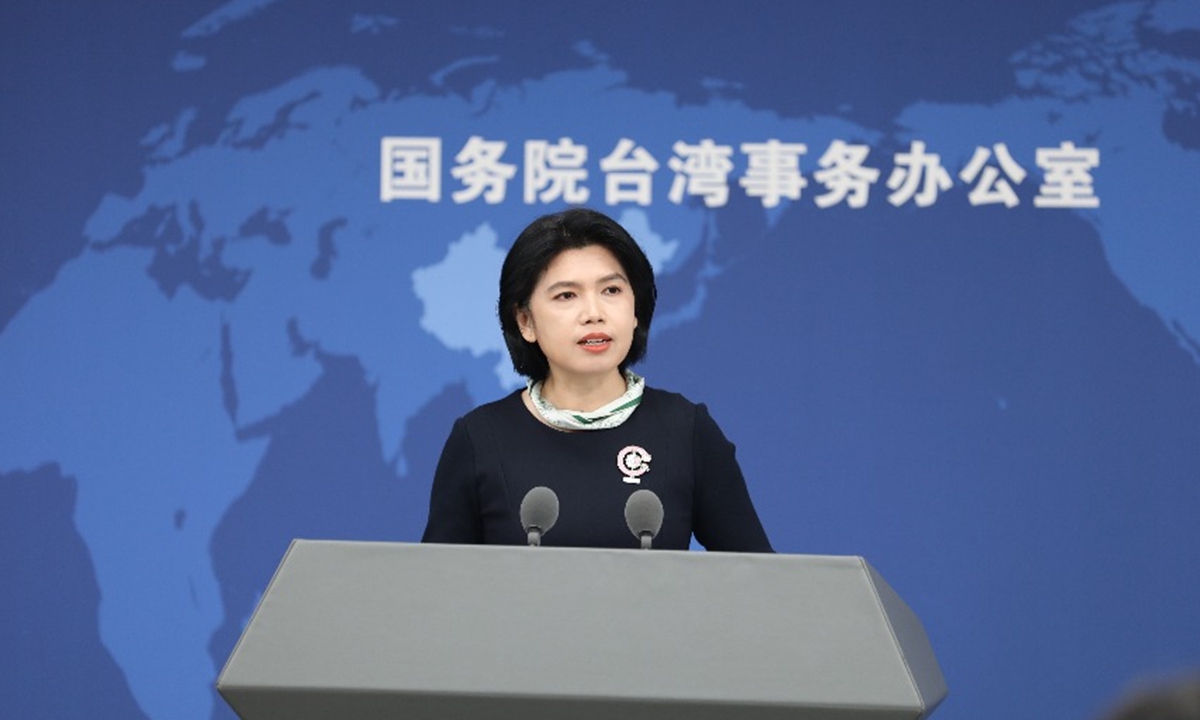
The recent introduction of China's 'Ethnic Unity Promotion Law,' granting Beijing the authority to pursue legal action against organizations and individuals outside its borders, has sparked significant international concern. Liberty Times reports that the U.S. State Department has issued a strong denunciation of this law, emphasizing America's commitment to defending sovereignty and protecting individuals within its jurisdiction from foreign overreach and coercion. This stance is underscored by a collective statement from multiple U.S. lawmakers criticizing the law for potentially undermining other nations' sovereignty and empowering Beijing with nearly unlimited authority to intimidate dissenters.
In contrast, the Global Times, a Chinese state-affiliated media outlet, has not directly addressed this specific legislation but often frames China's legal and political maneuvers as necessary measures to protect national interests and sovereignty, especially in the context of Taiwan-related issues. The publication tends to portray external criticisms as unwarranted interference in China's domestic affairs.
For international markets and businesses, the U.S.'s firm opposition signals potential geopolitical and economic tensions, which could affect global supply chains and investment climates. The EU and other regions may face increased diplomatic challenges in balancing relations with both the U.S. and China, especially in trade and technology sectors.
For global policymakers, this development suggests a tightening of legal and political frameworks surrounding China's influence, requiring careful navigation to protect national interests without escalating conflicts. Investors should closely monitor these legal shifts as they could lead to increased regulatory scrutiny and influence cross-border business operations.
The broader strategic implications point to an intensifying legal and ideological competition between the U.S. and China, influencing international norms and potentially reshaping global governance structures. This scenario underscores the importance for international readers to stay informed about these dynamics, as they directly impact global political stability and economic policies.
French Wildfires Highlight Urgent Climate Resilience Needs, Global Implications for Disaster Management
Recent reports from World Journal and CCTV highlight the severe wildfires that have erupted in Southern France, compelling the evacuation of approximately 200 residents. The fires, exacerbated by heatwaves and strong winds, have rapidly spread across 800 hectares. The immediate response has involved hundreds of firefighters and aerial firefighting efforts, yet the situation remains challenging due to difficult terrain.
The World Journal details the local and immediate impacts, emphasizing the swift evacuation and the challenging firefighting conditions. The coverage underscores the urgency of the situation, with residents describing the thick smoke and rapid spread of the fire. This narrative highlights the human element and the immediate response efforts, painting a vivid picture of the crisis on the ground.
In contrast, CCTV's coverage is more concise, focusing on the scale of the disaster and the ongoing firefighting efforts. The brief mention of the wildfires in their report suggests a broader strategic interest rather than a detailed local focus, potentially aiming to highlight global climate challenges and resilience in disaster management.
These developments indicate a pressing need for enhanced climate resilience and international cooperation in disaster management. For international markets and investors, the increasing frequency of such natural disasters underscores the importance of investing in sustainable practices and technologies that can mitigate climate risks. For policymakers in the US, EU, and beyond, these events serve as a stark reminder of the urgent need to address climate change through comprehensive policies and international collaboration.
Globally, the wildfires in France are not just a local issue but a reflection of broader environmental challenges that can disrupt economies, affect global supply chains, and necessitate shifts in policy priorities. As climate-related disasters become more common, the need for robust international frameworks to manage these crises grows ever more critical.
Global Semiconductor Market Shaken by South Korean Stock Plunge
Recent events highlight a significant downturn in South Korea's stock market, driven by sharp declines in semiconductor stocks, notably Samsung Electronics and SK Hynix. According to Sina News, the ripple effect of a semiconductor sell-off from Wall Street extended to Asian markets, causing the KOSPI index to drop sharply by 4.5% at opening, triggering a temporary trading halt. This volatility underscores the pivotal role semiconductor companies play in South Korea's economy, as they account for a substantial portion of the KOSPI index's market value.
The news from Sina News further elaborates on the broader impact, noting that the drop was exacerbated by overnight losses in the U.S. tech-heavy Nasdaq index, where investors aggressively sold off chip-related stocks. This interconnectedness of global markets illustrates how developments in one region can have far-reaching effects, influencing investor sentiment and market performance worldwide.
These developments indicate a growing concern over the semiconductor industry's stability amid fluctuating demand and supply chain challenges. For international markets, this means increased uncertainty, particularly for technology and consumer electronics sectors that rely heavily on semiconductors. Investors and businesses globally should remain vigilant as these shifts could affect production costs and supply chain logistics.
For the U.S. and EU, the situation might prompt a reevaluation of tech industry dependencies and could influence future policies on semiconductor supply chains to mitigate similar risks. The strategic implications are significant as nations may seek to bolster domestic production capabilities to reduce reliance on foreign semiconductor suppliers, particularly from Asia.
Overall, the news highlights the critical importance of semiconductors in the global economy and underscores the need for strategic resilience in the face of market volatility.
China's AI-Driven Electronics Manufacturing Surge and Its Global Repercussions
Recent developments in China's electronics manufacturing sector, driven by advancements in artificial intelligence (AI), are poised to have significant global implications. According to a report by Xinhua, China's electronics information manufacturing industry has experienced rapid growth in the first four months of this year, with a 14% increase in added value compared to the same period last year. This growth outpaces the general industrial growth by 8.4 percentage points, highlighting the sector's importance in supporting stable industrial economic growth and facilitating digital and intelligent transformation.
The report emphasizes the role of policy incentives and technological innovation in driving this growth. As China continues to invest in AI and digital infrastructure, the demand for computing power, storage, and electricity is expected to surge, providing substantial opportunities for related markets and industries globally. For international businesses and investors, this means a potential increase in demand for high-tech components and services, presenting opportunities for collaboration and export.
Furthermore, the rapid development of AI technologies in China is likely to intensify global tech competition, particularly in areas such as intelligent manufacturing and digital services. This could lead to shifts in the global supply chain, as countries and companies adjust to the changing dynamics in technology and production capabilities. For policymakers in the US, EU, and other regions, these developments underscore the need to strengthen their own digital economies and invest in AI research to maintain competitiveness.
China's strategic focus on enhancing its electronics manufacturing capabilities also has broader economic implications. By advancing its position in AI-driven manufacturing, China is not only boosting its domestic economic growth but also enhancing its international competitiveness. This could affect global trade dynamics, as countries may need to reassess their economic strategies and trade policies in response to China's growing influence in the tech sector.
Overall, the news highlights the interconnectedness of technological advancements and economic strategies. As China continues to leverage AI to bolster its manufacturing industry, international markets, businesses, and policymakers must remain vigilant and adaptive to these rapidly evolving global trends. Understanding China's strategic moves in AI and electronics manufacturing is crucial for anticipating future economic shifts and ensuring sustainable growth in a competitive global landscape.