US-Taiwan Arms Deal; China's Winter Olympics Participation; US-Iran and Russia-Ukraine Diplomatic Stalemates; Pakistan's Security Concerns; Energy Security in Ukraine

US-Taiwan Arms Deal and China's Response: Global Implications and Strategic Considerations
The Liberty Times reports on the US planning a significant arms sale to Taiwan, potentially reaching $20 billion. This includes advanced missile systems and other weaponry. China's private warnings suggest this could jeopardize diplomatic engagements, such as a prospective visit by US President to China. The situation underscores the ongoing tensions in US-China relations, particularly concerning Taiwan. This development is crucial for international markets and businesses, as it could influence global supply chains and trade dynamics, especially in sectors like semiconductors where Taiwan plays a pivotal role. The EU and other regions must monitor these developments closely, as shifts in US-China relations could impact global economic stability and security dynamics.
Meanwhile, CCTV highlights traditional industries in China, emphasizing their foundational role in the economy and their potential to foster new industries. This narrative aligns with China's strategic focus on economic self-reliance and technological advancement, which could reshape global manufacturing and trade patterns. For international investors, understanding these shifts is critical as they affect competitive landscapes and investment opportunities.
The World Journal discusses Japan's political dynamics, focusing on electoral outcomes and their implications for regional stability. While primarily a domestic issue, Japan's political stance can influence its foreign policy, particularly in the Asia-Pacific region. This has implications for US and EU policies, as Japan is a key ally in counterbalancing China's influence.
Radio France Internationale (RFI) reports US accusations against China for conducting secret nuclear tests. This revelation heightens global security concerns, influencing international arms control agreements and diplomatic relations. Such developments are critical for global security frameworks and influence policy decisions in major powers like the US and EU.
Tencent's report on local governance issues in Shanghai offers insight into domestic challenges China faces in urban management. While less relevant internationally, it highlights the complexities China navigates in maintaining its global city status, indirectly affecting foreign businesses and expatriates operating there.
China's Expansive Participation in the 2026 Milan-Cortina Winter Olympics: Global Implications and Strategic Insights
The 2026 Milan-Cortina Winter Olympics has commenced with significant participation from China, highlighting both the country's growing influence in international sports and the broader geopolitical implications. According to CCTV, China has dispatched its largest-ever overseas Winter Olympics delegation with 286 members, including 126 athletes competing in 91 events across 7 major disciplines. This marks a strategic move to enhance China's soft power and foster international sports diplomacy.
Sina reports on the ceremonial aspects, noting that the opening ceremony featured symbolic figures like alpine skiing legend Konnie Onni and iconic skier Alberto Tomba lighting the main torch. This underscores Italy's cultural diplomacy, aiming to showcase historical and contemporary ties between sports and culture.
Moreover, Sina elaborates on the theme of "Harmony" at the opening ceremony, which emphasized Italy's rich cultural heritage and innovation spirit. The artistic displays, blending history with modernity, reflect Italy's strategy to position itself as a hub for cultural exchanges.
The Global Times highlights the involvement of prominent Chinese figures like Yao Ming in the torch relay and the participation of athletes such as Gu Ailing and Lin Xiaojun. The article also notes the subtle emergence of Chinese companies as sponsors, indicating China's increasing economic footprint in global events.
These developments have several international implications. For investors and businesses, China's active role in the Olympics suggests potential opportunities in sports marketing and related industries. For the US, EU, and other regions, the event is a reminder of China's strategic use of soft power to bolster its global image, which could influence diplomatic and economic relations. Additionally, the participation of Chinese companies in sponsorships signals a shift in global sports economics, presenting both challenges and opportunities for Western brands.
US-Iran Negotiations: Strategic Implications for Global Markets and Policies
Recent developments in US-Iran relations, as reported by Sina, highlight a renewed attempt at diplomacy between the two nations. President Trump has announced that the US will engage in further talks with Iran, emphasizing the importance of reaching an agreement to prevent Iran from obtaining nuclear weapons. This diplomatic effort underscores the ongoing global concern about nuclear proliferation and its potential to destabilize international security frameworks.
In a related move, Trump has signed an executive order imposing tariffs on countries engaged in trade with Iran, as detailed by Sina. These tariffs, set to be as high as 25%, aim to economically isolate Iran further, pressuring it to comply with international demands. This policy shift could have significant ripple effects on global markets, potentially increasing costs for businesses dependent on goods that transit through or originate in sanctioned regions.
Further analysis from Sina highlights the international community's focus on the outcomes of these negotiations. Iran's Foreign Minister has described the talks as 'positive' and a 'good start,' suggesting a willingness to engage diplomatically. However, the negotiations occur under considerable military pressure, with the US demonstrating its readiness to resort to military measures if diplomacy fails. This tension underscores the delicate balance of power in the region and the potential for conflict to disrupt global energy supplies, notably affecting oil prices and international energy security.
These developments indicate a complex geopolitical environment where diplomatic efforts are intertwined with economic sanctions and military posturing. For international investors and policymakers, understanding these dynamics is crucial as they navigate the potential impacts on global trade, energy markets, and regional stability. The US's approach to Iran serves as a critical example of how strategic ambiguity and economic leverage are employed in contemporary international relations, with significant implications for global economic policies and security strategies.
Blast in Pakistan's Capital Highlights Regional Security Concerns and Global Implications
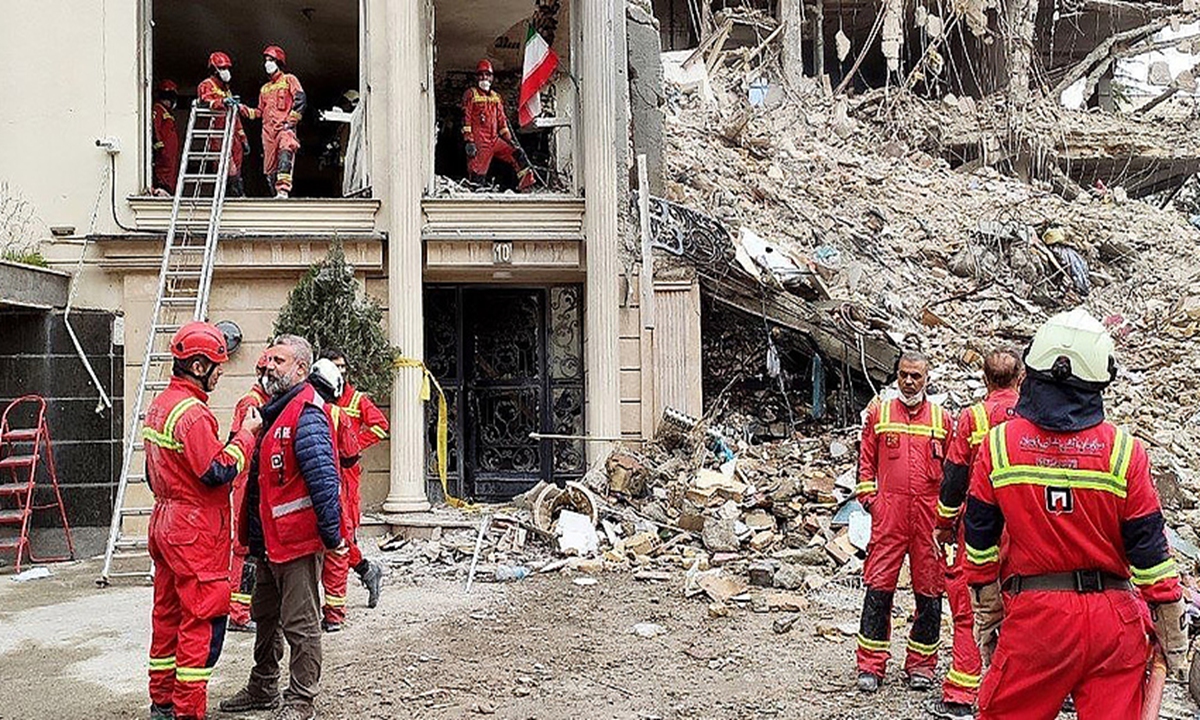
A recent explosion at a mosque in Islamabad, Pakistan has resulted in the tragic death of at least 32 individuals and injured approximately 170 others, as reported by Sina News and CCTV News. The incident underscores ongoing security challenges in the region, which may have broader implications for international security and trade routes.
Sina News highlights China's response, noting that the Chinese embassy in Pakistan has confirmed no Chinese citizens were harmed in the blast. This detail is significant given China's Belt and Road Initiative projects in Pakistan and the broader region. Any instability could potentially disrupt these projects, affecting global supply chains and economic investments connected to China's infrastructure endeavors.
Furthermore, both Sina and CCTV News report on the Pakistani Taliban's denial of involvement, which adds layers of complexity to the security narrative. This denial could influence regional security policies and counterterrorism strategies, particularly those involving the U.S. and its allies. It also raises questions about the emergence of other militant groups and their impact on regional stability.
For international markets and businesses, these developments could signal potential risks in investments and operations within Pakistan and its neighboring regions. Investors and policymakers in the U.S., EU, and other regions should closely monitor the situation, given its potential to affect regional trade flows and security dynamics.
Overall, the incident not only highlights the precarious security situation in Pakistan but also serves as a reminder of the interconnectedness of regional stability and global economic interests.
Stalled Russia-Ukraine Negotiations Highlight Broader Geopolitical Stalemate
Recent developments underscore the geopolitical complexities surrounding the Russia-Ukraine conflict and its global implications. According to Sina News, Russian Presidential Press Secretary Dmitry Peskov indicated that while no new round of Ukraine-related talks is currently scheduled in the United States, plans are underway for discussions soon. This statement highlights ongoing diplomatic inertia, reflecting the broader geopolitical gridlock.
Similarly, another report from Sina News confirms the absence of immediate plans for US-hosted negotiations. It elaborates on the recent talks held in Abu Dhabi, which concluded without tangible progress on crucial issues such as territorial disputes and ceasefire agreements. The lack of a joint political and security statement further emphasizes the challenges in reaching consensus.
For international markets, these stalled negotiations mean continued uncertainty in global energy supplies and prices, given Russia's significant role in the energy sector. Businesses and investors should remain cautious about potential disruptions in supply chains and fluctuating energy costs.
For US and EU policymakers, the situation necessitates a reassessment of diplomatic strategies and potential sanctions, as they navigate the complex geopolitical landscape. This impasse may also influence defense and foreign policy decisions, impacting military alliances and regional security dynamics.
Globally, readers should be aware of the strategic implications of this stalemate. The ongoing tensions could exacerbate existing geopolitical rivalries and heighten the risk of conflict escalation, affecting international peace and stability.
Ukraine's Nuclear Plant Disruption Highlights Global Energy Security Concerns
Recent reports from Sina and Sina detail a significant disruption at Ukraine's nuclear power plant due to military actions that damaged power lines. The incident led to the plant temporarily losing external power supply, relying on emergency diesel generators for about an hour. This situation underscores the vulnerability of critical infrastructure in conflict zones and raises alarms about nuclear safety.
The international implications of such disruptions are profound. For global energy markets, any instability in nuclear power supply, especially in a region as geopolitically sensitive as Eastern Europe, can contribute to volatility. Investors and businesses must consider the risks of energy supply disruptions in their strategic planning, particularly as energy security becomes intertwined with geopolitical tensions.
For the U.S., EU, and other regional policies, this incident reinforces the need for robust diplomatic efforts to ensure the protection of nuclear facilities globally. It also highlights the importance of international frameworks that prioritize nuclear safety and security amid rising geopolitical conflicts.
Readers outside China should take note of these developments as they reflect broader strategic and economic implications. The reliability of energy infrastructure is a critical factor in maintaining economic stability, and disruptions can have cascading effects on energy prices and availability worldwide. As nations continue to navigate complex geopolitical landscapes, the resilience of energy systems will be a key area of focus for policymakers and industry leaders alike.