China's Political Landscape; Strategic Development Plans; Forced Divestitures; Tensions in Ukraine and Yemen; Divergent Peace Narratives
Perspectives on China's Political Landscape and Historical Narratives
Recent events show the intricate dynamics within China's political and historical narratives. The RFI article highlights the Chinese Communist Party's (CCP) year-end political life meeting, emphasizing internal reviews and anti-corruption efforts. It appears that high-ranking officials like Ma Xingrui are under scrutiny, possibly for corruption, which is a recurrent theme in CCP politics. The focus on loyalty to Xi Jinping and the party's core principles indicates a tightly controlled political environment, where deviations are met with severe consequences.
Meanwhile, CCTV underscores the CCP's efforts to promote its ideological agenda through grassroots propaganda. By transforming complex policies into everyday language, the party aims to solidify its narrative among the masses. This strategy reflects a broader attempt to maintain ideological unity and public support, especially through initiatives like the "Spirit of the Fourth Plenary Session" dissemination.
In contrast, another RFI piece sheds light on the complex legacy of Mao Zedong, as thousands commemorate his 132nd birthday. The article suggests a resurgence of Maoist nostalgia, particularly among younger generations facing economic hardships. This phenomenon is interpreted as a critique of current economic inequalities, with some viewing Mao's era as one of relative equality despite its historical controversies.
These developments indicate a multifaceted narrative strategy by Chinese media and authorities, blending past and present to reinforce the CCP's legitimacy. While RFI provides a critical perspective on internal party dynamics and historical reflections, CCTV focuses on the party's proactive communication efforts. Together, these narratives reveal the CCP's ongoing challenge of balancing historical reverence with contemporary governance and ideological control.
Strategic Vision: China's 2025 Economic and Social Development Plans
Recent discussions surrounding China's strategic development plans for 2025 highlight the nation's focus on economic and social growth as outlined in the '14th Five-Year Plan' and the upcoming '15th Five-Year Plan.' CCTV underscores President Xi Jinping's extensive travels across the country, emphasizing his commitment to understanding regional needs and steering the nation's development trajectory. The narrative portrays Xi as deeply connected with the populace, ensuring that the government's actions align with public aspirations.
Similarly, Sina reiterates these themes, highlighting Xi's consistent presence among the people and his dedication to fulfilling the nation's collective vision. Both sources emphasize the importance of grassroots engagement and the alignment of national policies with the citizens' aspirations.
These developments indicate a cohesive narrative across state-run media, aiming to bolster public confidence in the leadership's strategic foresight and empathetic governance. The repetition of key themes such as unity and progress suggests a concerted effort to reinforce national pride and trust in the government's plans.
Navigating the Complexities of Forced Divestitures in China and Corporate Transitions
Recent events show a growing trend of forced divestitures involving Chinese investments in foreign semiconductor companies, as highlighted by an article from qq.com (Tencent). The report details the case of FTDI, a UK-based semiconductor company, which is compelled to sell its shares due to national security concerns. This move comes after a previous acquisition by a Chinese company, Jianguang Asset Management, which had acquired an 80.2% stake in FTDI. The article underscores the impact of the UK government's invocation of the National Security and Investment Act 2021, reflecting a pattern where foreign investments are increasingly scrutinized and reversed under the guise of national security.
These developments indicate a broader geopolitical and economic tension, where countries are re-evaluating foreign investments in sensitive industries. This sentiment is echoed by the Chinese Ministry of Commerce, which criticizes such interventions as "unfair" and harmful to the business environment, suggesting a deeper diplomatic rift.
The news highlights another significant corporate transition involving Huayu and Hua, two brothers at the helm of Reader Culture, as reported by qq.com (Tencent). The article explores the potential withdrawal of the brothers from the capital stage amidst ongoing controversies. Their decision to change control of the company comes after public disputes and strategic shifts within the company, including significant stock sell-offs. The company, known for its successful publications such as "The Secret Code" and "Half-Hour Comic", faces declining sales and operational challenges, prompting a strategic reevaluation.
It appears that while the semiconductor story is framed as a geopolitical maneuver with national security overtones, the narrative around Reader Culture focuses on internal corporate dynamics and market pressures. Both stories, however, underscore the complex interplay of politics, economics, and corporate governance in today's interconnected world.
Escalating Tensions in Ukraine's Capital Amid Russian Missile Strikes
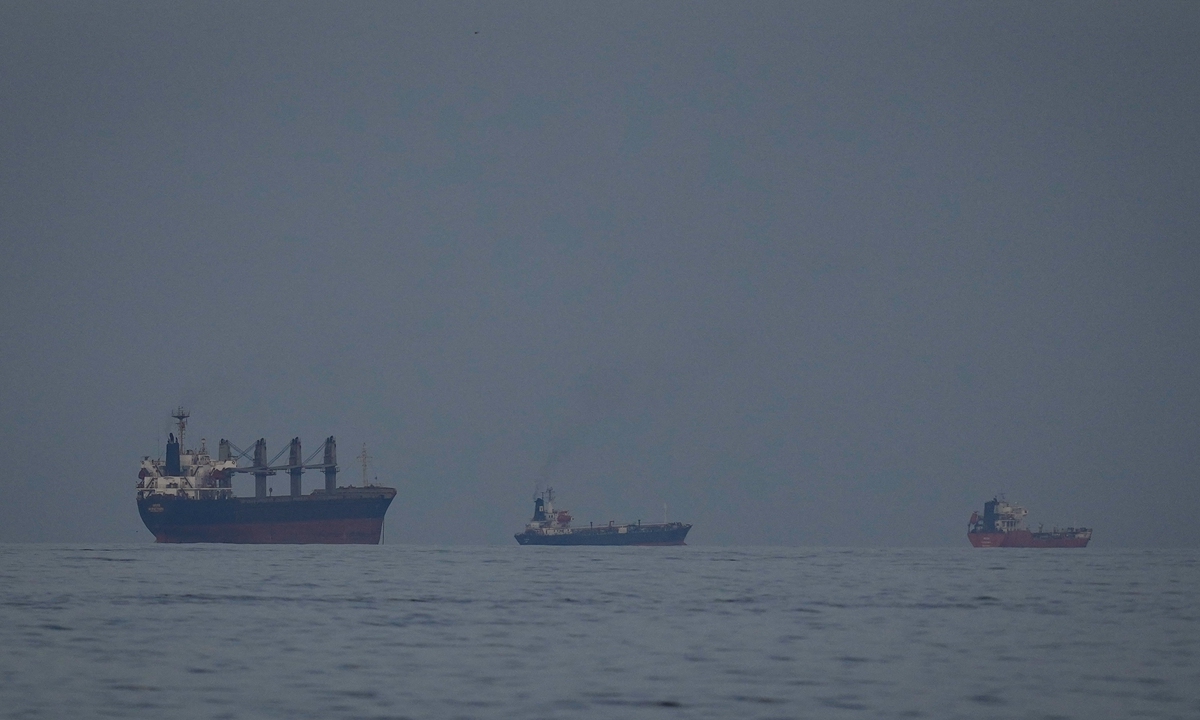
Recent events show a dramatic escalation in tensions as Kyiv, the capital of Ukraine, experienced a series of intense explosions. According to World Journal, the blasts were heard multiple times in the early hours, coinciding with Russia's military activities in the region. The Ukrainian air force reported that Russian MiG-31 fighter jets have taken to the skies, indicating a widespread missile threat across the country. This situation was further confirmed by Kyiv's military administration, urging local residents to ensure their safety.
These developments indicate a severe intensification of hostilities. Sina corroborates these reports, emphasizing the alarm sounded by the Ukrainian air force about the comprehensive missile assault threat. The report also highlights statements from local military officials on social media, confirming the ongoing Russian attacks on Kyiv and advising civilians to remain vigilant.
The news highlights the precarious situation in Ukraine, showcasing the stark reality faced by its citizens. Both publications convey the urgency and gravity of the situation, although World Journal provides a more detailed account with direct references to social media updates and reactions, while Sina focuses on the broader military implications. The differing levels of detail and focus suggest that World Journal aims to provide a real-time, on-the-ground perspective, while Sina presents a strategic overview of military developments.
Tensions in Yemen: A Multi-National Perspective on Recent Airstrikes
Recent events show escalating tensions in Yemen, with multiple sources reporting on a significant airstrike conducted by Saudi Arabia against military sites in the southern part of Yemen. According to Sina, the airstrike was a response to demands for the Southern Transitional Council (STC) to withdraw its forces from the Hadramawt province. The attack did not result in casualties or equipment damage, but it was intended as a warning to the STC to comply or face further military action.
The news highlights that the Yemeni National Defense Council convened an emergency meeting to address the situation. The meeting, led by the Presidential Leadership Council, included discussions on the STC's military actions in Hadramawt and Mahra provinces, which were deemed unilateral and lacked coordination with the Yemeni government and international coalition forces. This viewpoint is echoed by CCTV, which also reports on the Saudi Foreign Ministry's statement criticizing the STC's actions as damaging to Yemeni interests and coalition efforts.
It appears that the international community is closely monitoring these developments. Russia, through its foreign ministry spokesperson, expressed concern over the escalating political-military situation in Yemen's southern provinces, as reported by Sina. The Arab League and Jordan have also issued statements supporting Saudi Arabia's diplomatic efforts to de-escalate tensions and achieve a political resolution, emphasizing the importance of maintaining Yemen's security and stability.
These developments indicate a growing international consensus on the need for coordinated efforts to restore peace in Yemen. The STC's insistence on achieving autonomy and eventual independence for the southern regions has led to repeated clashes with the Yemeni government over power distribution and resource control, as noted by CCTV. The complexity of the situation is compounded by the involvement of multiple national and international actors, each with their own interests and agendas.
In conclusion, the reports from Sina and CCTV present a coherent narrative of escalating tensions in Yemen, underscoring the urgent need for diplomatic interventions to prevent further deterioration of the situation. While the airstrike itself might not have caused physical damage, its political implications could reverberate across the region, affecting both local and international stakeholders.
Divergent Narratives on Ukraine Peace Plan
Recent events show contrasting narratives emerging from different sources regarding the peace plan between Ukraine and Russia. Sina highlights Ukraine's President Zelensky's anticipation of a meeting with U.S. President Trump to discuss sensitive issues like security guarantees and territorial disputes. Zelensky suggests a 60-day ceasefire could lead to a public referendum on the peace plan, which has been 90% completed. In contrast, Russia's Foreign Minister criticizes Ukraine's 20-point peace plan for being entirely different from the 27-point version discussed between Russia and the U.S.
These developments indicate a significant divergence in how the peace plan is perceived by the involved parties. World Journal reports that Zelensky is willing to subject the peace plan to a public referendum if Russia agrees to a 60-day ceasefire. The Ukrainian leader emphasizes the complexity of political, security, and logistical challenges that such a referendum would entail. Meanwhile, the U.S. is reportedly advocating for a shorter ceasefire period.
The news highlights the geopolitical complexities and differing priorities of the involved nations. While Ukraine seeks a favorable position on territorial issues, Russia appears to be more concerned with ensuring that any agreement aligns with its broader strategic interests. The Sina article suggests that Russia is not in a hurry to conclude the conflict, as it currently holds a degree of advantage on the ground. This strategic patience aligns with Russia's broader focus on its relationship with the U.S., rather than immediate resolution with Ukraine.
It appears that the peace plan's success hinges not only on the content of the agreement but also on the political will of the involved parties. The contrasting reports from Sina and World Journal underscore the complexity of international diplomacy and the multifaceted nature of geopolitical negotiations.