China's Strategic Diplomatic Moves; US-Russia Oil Deal Impact; Middle East Tensions Rise; Global Auto Standards Shift
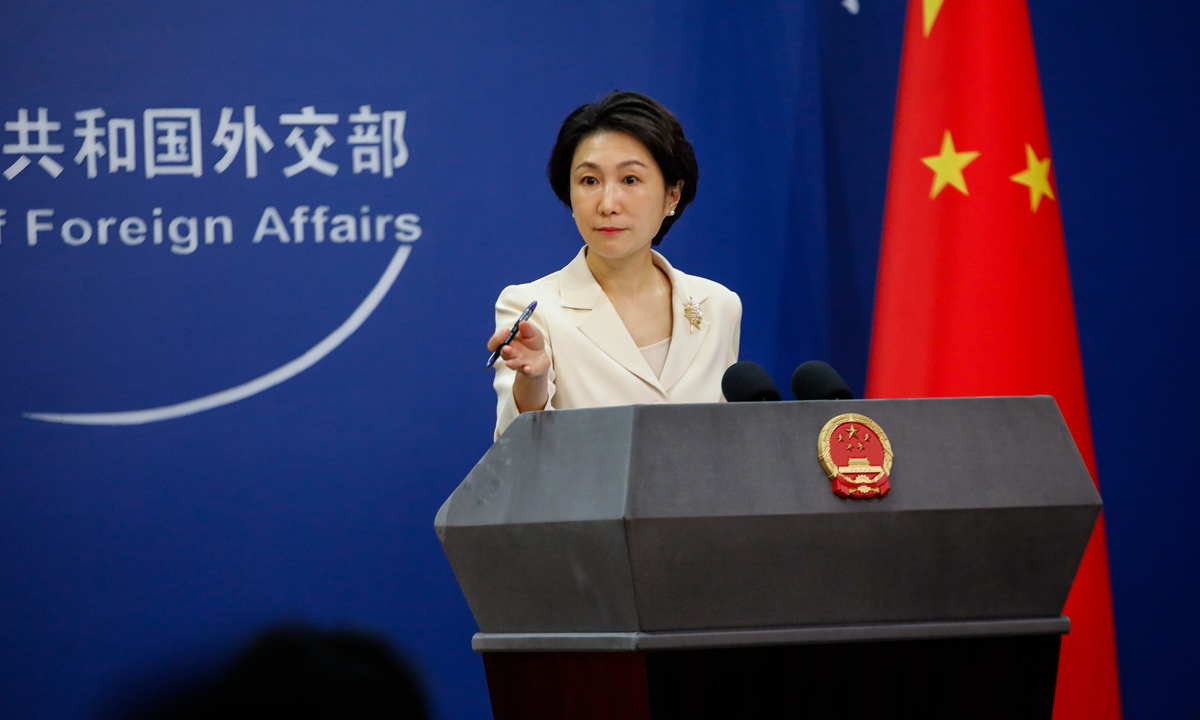
China's Diplomatic Engagements Signal Strategic Shifts with Global Implications
Recent diplomatic activities by China underscore its strategic efforts to enhance international relations and influence. A comprehensive report by Xinhua highlights Chinese President Xi Jinping's extensive diplomatic outreach, including state visits to Central Asia, Egypt, and the United States, and participation in significant summits like the Shanghai Cooperation Organization. This flurry of diplomatic activity is emblematic of China's ambition to deepen its influence globally, particularly in the Global South, and to assert itself as a leader in global governance.
From an international market perspective, these developments are crucial. China's strategic partnerships and its emphasis on multilateral cooperation could stabilize and potentially enhance trade relations, particularly with countries involved in the Belt and Road Initiative. This could lead to increased investment opportunities and trade flows, impacting global supply chains and market dynamics.
The CCTV coverage of the Dexun Group's CEO's remarks on China's market being a 'growth engine' for businesses further emphasizes the economic dimension. The narrative suggests that China's domestic market remains a pivotal area for international companies seeking growth, reinforcing China's role as a critical player in global economic trends.
Another CCTV article discusses the outcomes of China-EU economic dialogues, highlighting agreements to manage trade differences and enhance cooperation. This aligns with China's broader strategy to maintain stable economic relations with key partners like the EU, which is significant for global economic stability.
Finally, a visit to India's East Asia Summit by a Chinese research fellow underscores China's diplomatic efforts to project stability and constructive engagement in regional affairs. This narrative reinforces China's commitment to being a stabilizing force in international relations, emphasizing cooperation over confrontation.
For international readers, these developments indicate potential shifts in global trade patterns, investment flows, and geopolitical alignments. The emphasis on stability and cooperation suggests that China's diplomatic strategy may offer opportunities for businesses and policymakers worldwide to engage with China in new and potentially lucrative ways. The broader strategic implications include a possible recalibration of alliances and economic partnerships, as China seeks to position itself as a central pillar in global governance and economic development.
US-Russia Oil Agreement Sparks Global Economic and Political Reactions
Recent developments surrounding the US-Russia oil agreement have highlighted varying global perspectives and potential implications for international markets and geopolitical dynamics. Xinhua reports that US President Trump has called for new elections in Ukraine, criticizing President Zelensky for not pursuing resolutions to the ongoing conflict with Russia. This narrative positions the US as an advocate for change in Ukraine's leadership to facilitate peace, suggesting a strategic shift in US foreign policy priorities.
In contrast, the BBC focuses on Zelensky's criticism of the US-Russia oil deal, viewing it as a means for Russia to finance its military efforts against Ukraine. The BBC emphasizes the potential for this agreement to exacerbate tensions and destabilize the region further, highlighting European concerns over energy security and the broader implications for EU policies. The report suggests that the deal could undermine Western efforts to pressure Russia economically and politically.
Meanwhile, CCTV offers limited information, focusing on UK Prime Minister Andy Burnham's support for Zelensky. This aligns with a broader narrative of Western unity against Russian aggression, though the details are sparse compared to other outlets.
These narratives collectively underscore the complexity of the international response to the US-Russia oil agreement. For international markets, the potential increase in Russian oil exports could impact global oil prices and supply chains, affecting energy costs worldwide. For policymakers in the US and EU, balancing energy needs with geopolitical strategies remains a critical challenge. The situation also raises questions about the efficacy of sanctions and the potential need for coordinated international responses to address the evolving geopolitical landscape.
Rising Tensions in the Middle East: Houthi Attacks on Saudi Arabia's Key Airports and the Potential US Involvement
Recent events highlight increasing tensions in the Middle East, with a series of Houthi-led attacks on key airports in Saudi Arabia, particularly targeting the King Khalid International Airport in Riyadh. These attacks have resulted in significant casualties and have disrupted air travel, leading to broader geopolitical implications.
According to Sina News, the Houthi forces have claimed responsibility for closing down Riyadh's airport, marking it as a military operation zone. This move is seen as a response to the Saudi-led coalition's military actions in Yemen. The Houthi attacks are described as retaliatory measures against the Saudi military's ongoing operations, further escalating the conflict in the region.
In a related report, Sina News also highlights the potential involvement of the United States in the conflict. President Trump has indicated that the US might join Saudi Arabia in its military actions against the Houthis, pending a swift decision. This development could significantly alter the dynamics of US involvement in the Middle East, potentially affecting US relations with Iran and other regional powers.
Meanwhile, World Journal provides a detailed account of the attacks, noting the severity of the situation with at least 12 fatalities and over 309 injuries. The article emphasizes the strategic importance of the attacked locations, which are crucial for international flights and humanitarian aid into Yemen, underscoring the broader humanitarian impact of the conflict.
These developments indicate a potential shift in US foreign policy, as increased military involvement in Yemen could affect its relations with key Middle Eastern allies and adversaries. For international markets, the disruption of air travel and the potential for broader conflict could impact global oil prices, given Saudi Arabia's role as a leading oil exporter.
For international readers, understanding these developments is crucial as they not only affect regional stability but also have significant implications for global energy markets and international diplomatic relations. The escalation of conflict in the Middle East could lead to increased military spending and further strain on international alliances, particularly those involving the US, EU, and Middle Eastern countries.
China Tightens Auto Safety Standards, Affecting Global Automakers and Investors
China has announced a significant tightening of its automotive safety standards, a move that will have wide-reaching implications for global automakers and investors. On October 10, 2026, China's Ministry of Industry and Information Technology, in collaboration with other governmental bodies, released a draft notice aimed at strengthening the testing and validation of automotive innovations. This comes amid intense competition in the automotive industry, where some manufacturers have been criticized for launching new products without adequate testing.
The new regulations emphasize three key areas: comprehensive reliability and durability testing, prohibitions on certain design features, and strict compliance timelines. Notably, the environmental adaptability validation period must include 'two winters and one summer,' and reliability tests must cover a minimum of 30,000 kilometers. This sets a high bar for new vehicle models, potentially slowing down the pace of innovation but ensuring greater safety.
Sina highlights the regulatory crackdown on hidden door handles and flexible screens, which are now banned, reflecting a broader push for transparency and safety in design. Additionally, emergency features must retain physical controls to ensure user safety. From 2027, any non-compliant products will face production halts and recalls, underscoring the seriousness of these measures.
While CCTV provides less detail, the emphasis on design and reliability testing management underscores the Chinese government's commitment to enhancing vehicle safety. This regulatory shift is part of a broader initiative to weave a tighter safety net around the automotive industry.
Internationally, these developments signal a challenging environment for automakers operating in China, as they must navigate stringent safety requirements that could increase production costs and time-to-market. For investors, this regulatory landscape suggests a potential re-evaluation of investment strategies in the Chinese automotive sector. The move also pressures global companies to align with China's standards or risk losing access to one of the world's largest automotive markets.
For policymakers in the US, EU, and other regions, China's actions could inspire similar regulatory enhancements, emphasizing the importance of safety in automotive innovations. This could lead to a ripple effect, impacting global automotive supply chains and influencing international trade policies.
Post-Holiday Travel Surge in China: Implications for Global Tourism and Economy
Recent reports from CCTV highlight a significant rise in domestic travel in China following the holiday season. This trend is marked by increasing temperatures and a focus on 'autumn limited' scenic spots and culinary experiences, injecting new vitality into the cultural tourism market. The surge indicates a robust recovery in domestic tourism, which could have ripple effects on international travel trends.
Another article from CCTV notes that airline ticket prices have noticeably decreased and accommodation discounts have increased, further fueling post-holiday travel. This development suggests a strategic move by the tourism and hospitality sectors to capitalize on the growing demand, thus sustaining the momentum in travel activities.
For international markets, these developments signal potential opportunities and challenges. The robust rebound in China's domestic tourism could encourage similar trends globally, particularly in regions anticipating an influx of Chinese tourists. This could boost local economies heavily reliant on tourism. However, it might also prompt competitive pricing strategies among international airlines and hospitality providers aiming to attract Chinese travelers.
Policy implications for the US, EU, and other regions could include the need to adapt marketing strategies to cater to Chinese tourists' evolving preferences, emphasizing unique cultural and culinary experiences. Moreover, this trend might influence global tourism policies, encouraging more open travel agreements and partnerships to facilitate easier travel.
Overall, while these articles focus on domestic developments in China, the broader strategic and economic implications highlight the interconnectedness of global tourism markets. The recovery and growth of China's travel industry could serve as a bellwether for international tourism recovery post-pandemic, underscoring the importance for global businesses and policymakers to closely monitor and adapt to these trends.
Failed Execution in Tennessee Raises Questions About Lethal Injection Protocols and Global Implications
The recent survival of Christa Pike, a death row inmate in Tennessee, after a failed lethal injection has sparked significant discussion across international media platforms. Liberty Times and Tencent News both report on the unprecedented event where Pike survived two doses of lethal drugs, becoming the first known instance of its kind. This situation has raised critical questions about the efficacy and ethics of lethal injection protocols.
Liberty Times highlights the procedural failure, noting that Pike's survival led to the resignation of the prison warden. The article suggests that there might have been a mishap with the intravenous line, preventing the drugs from entering her bloodstream effectively. This narrative underscores the potential for systemic issues within the U.S. execution methods, which could prompt international scrutiny and debates on human rights and judicial practices.
Tencent News provides a broader context by detailing Pike's background and the judicial process leading to her execution attempt. It points out the psychological evaluations that diagnosed her with mental health issues, adding layers of complexity to her case. The publication also raises the possibility of technical errors or drug defects contributing to the failed execution.
For international markets and policymakers, these developments may have broader implications. The failure of the execution protocol can influence global perceptions of the U.S. legal system and its capital punishment practices. Countries with strong human rights advocacy might use this incident to pressure the U.S. to reevaluate its death penalty policies. Additionally, pharmaceutical companies involved in manufacturing execution drugs could face increased scrutiny and ethical dilemmas, potentially affecting their operations and market perceptions.
Overall, these articles reflect differing focuses: Liberty Times on the procedural aspects and Tencent News on the broader narrative of Pike's life and legal journey. Both, however, contribute to a growing international dialogue on the viability and morality of capital punishment, urging a reconsideration of practices that could have far-reaching policy and ethical implications worldwide.
Shanghai Crab Prices Plunge: Implications for Global Seafood Markets and Trade Dynamics
Recent reports from Sina and Tencent highlight a significant drop in the prices of Shanghai's renowned hairy crabs, with costs plummeting by 20%. This dramatic price reduction, described humorously by vendors as more severe than the fall of gold prices, underscores the volatility in the seafood market, affecting both local producers and international seafood trade.
Sina's coverage emphasizes the market dynamics, noting that the drop in crab prices has been more pronounced than recent stock market declines. This comparison suggests broader economic implications, as seafood, often considered a luxury item, is now being traded at bargain prices. The article highlights how this affects local vendors, who are experiencing financial strain due to the steep price cuts, potentially impacting their profitability and sustainability.
Meanwhile, Tencent's report provides a more detailed account of the market conditions in Shanghai's Putuo District, where crabs are being sold at 'floor prices.' The narrative suggests an oversupply in the market, leading to these reduced prices. Vendors report a significant increase in crab production by about 10%, which has driven prices down. Despite the oversupply, some producers remain optimistic, securing orders for high-quality crabs at stable prices, indicating a segmented market where quality still commands a premium.
Internationally, these developments could have several implications. For global seafood markets, the price drop in Shanghai crabs might influence pricing strategies and demand in other regions, affecting international seafood trade dynamics. The EU and US markets, which import seafood from China, may see shifts in import volumes and pricing, potentially benefiting consumers but challenging domestic producers who must compete with cheaper imports.
Furthermore, these trends could impact regional policies, particularly in countries that rely heavily on seafood exports. The price volatility may prompt policymakers to consider new strategies for market stabilization and support for local industries to maintain competitiveness.
For international investors, the situation underscores the importance of monitoring commodity markets closely, as fluctuations in staple goods like seafood can ripple through global supply chains, affecting everything from logistics to retail pricing.
China's Jiangshan Wanli New Expedition: Cultural Heritage and Its Global Significance
Recent coverage from CCTV highlights the 'Jiangshan Wanli New Expedition', emphasizing the deep connection between the military and civilian populations in China's rural heartlands. This theme is part of a broader narrative focusing on the historical Long March and its cultural significance. The articles underscore the enduring legacy of the Red Army and the cultural transmission of revolutionary spirit in regions like Bazhong.
While the articles primarily aim to reinforce national pride and cultural continuity within China, they also have broader implications for international audiences. The emphasis on China's historical narratives serves to bolster its soft power on the global stage, potentially influencing how China is perceived internationally. For businesses and investors, understanding these cultural dynamics can offer insights into China's domestic stability and the government's emphasis on cultural heritage as a pillar of national identity.
For policymakers in the US, EU, and other regions, these developments indicate a continued focus on internal cohesion and historical legitimacy by the Chinese Communist Party. This focus could affect China's foreign policy posture, as a strong internal narrative may embolden China's international diplomatic and economic strategies.
The global implications of China's cultural initiatives are significant. As China continues to project its historical narratives internationally, there is potential for increased cultural exchanges and a deeper understanding of China's domestic priorities, which can influence international relations and economic policies.