
China's Strategic Maneuvers: AI Absence, Middle East Diplomacy, and Global Maritime Tensions
Global AI Surge Highlights China's Absence in Tech Power Map
The New York Times article titled "AI热潮重绘全球技术力量版图,中国明显缺席" examines the current global landscape in artificial intelligence, particularly highlighting the growing influence of Taiwan and South Korea in AI chip production while noting China's absence from this technological power map. This analysis, contributed by Joe Rennison and Paul Mozur, underscores the strategic shifts in the AI industry, driven by innovations from major tech companies such as Intel, Google, and Apple.
The article suggests that Taiwan and South Korea are emerging as pivotal players in the AI chip industry, which could have significant implications for global supply chains and technological leadership. As these countries strengthen their positions, international markets may witness shifts in investment flows and strategic partnerships. This development is crucial for businesses and investors who need to navigate the changing dynamics in AI technology and chip manufacturing.
From a policy perspective, the increased prominence of Taiwan and South Korea in AI could influence US and EU strategies towards technology cooperation and competition with China. Given the strategic importance of semiconductors in national security and economic stability, these shifts could lead to a reevaluation of existing alliances and trade policies, particularly concerning technology exports and intellectual property rights.
For international readers, understanding these developments is essential as they reflect broader geopolitical and economic trends that could affect global markets and innovation ecosystems. As the AI industry continues to evolve, the strategic absence of China in this narrative highlights the complexities of global tech competition and the need for nuanced policy responses.
China's Economic and Strategic Developments: Global Implications from Iran to Henan
The New York Times article, "Iran War Thoroughly Changes Global Economy, Is China the Biggest Winner?", examines the far-reaching economic consequences of the Iran conflict. It highlights China's strategic positioning to benefit from the resulting shifts in oil trade and global economic dynamics. The article suggests that China's energy security is bolstered by diversifying its oil sources, potentially reducing dependency on traditional suppliers. This development is crucial for international markets, as it might lead to shifts in global oil prices and trade patterns, impacting energy policies and economic strategies in the US and EU.
Meanwhile, Sina reports on the economic performance of Henan Province, emphasizing robust industrial output and a significant rise in fixed-asset investment. The report showcases Henan's strategic focus on high-tech manufacturing, with notable growth in sectors like computing devices and new energy vehicles. This reflects China's broader industrial policy aimed at upgrading its manufacturing capabilities, which could influence global supply chains and tech competition, particularly affecting foreign investors and companies reliant on Chinese manufacturing.
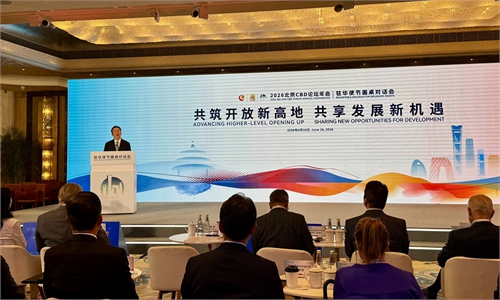
The Global Times article from the Beijing CBD Forum provides insights into Beijing's evolving role as a global business hub, ranking sixth in the 2025 Global Business Districts Attractiveness Report. The narrative here underscores Beijing's growing appeal to international investors and businesses, driven by strategic infrastructure developments and favorable business conditions. This could reshape global business strategies, encouraging more foreign firms to establish a presence in China, thus influencing global investment flows and economic policies.
Together, these articles paint a picture of China's strategic maneuvers on multiple fronts. From benefiting economically from geopolitical conflicts to enhancing its domestic industrial base and global business attractiveness, China is positioning itself as a pivotal player in the global economy. These developments are crucial for international stakeholders, as they navigate the complexities of global trade, energy dependencies, and competitive market positioning in an era increasingly influenced by China's strategic economic policies.
China's Diplomatic Push for Yemen Peace Process and Its Global Implications
Recent developments highlight China's active diplomatic involvement in the Yemeni peace process, as reported by Xinhua News. China's Deputy Permanent Representative to the United Nations, Sun Zhiqiang, emphasized the importance of restarting peace talks in Yemen during a UN Security Council meeting. China's support for a large-scale prisoner exchange agreement between the Yemeni government and the Houthi forces signals optimism for peace prospects. This is crucial as China advocates for Yemen's sovereignty and territorial integrity, encouraging all parties to build mutual trust and resume the peace process.
China's emphasis on the safety of navigation in the Red Sea and the avoidance of provocative actions in the region aligns with its broader strategic interests. For international markets, this stability is vital as the Red Sea is a critical route for global trade. Any disruptions could impact shipping and oil prices worldwide, affecting businesses and investors globally.
Moreover, China's role in facilitating dialogue between the U.S. and Iran and its hope for the signing of a Phase One agreement reflects its strategic positioning in Middle Eastern geopolitics. This involvement could influence U.S. and EU policies, particularly in balancing their relationships with China and Middle Eastern nations. China's commitment to a political resolution in Yemen and Middle Eastern stability showcases its growing influence in global peacekeeping efforts.
While CCTV also covered the story, their report was limited to the publication rights notice, adding little to the narrative. Nevertheless, the consistent coverage across Chinese state media underscores the importance Beijing places on its diplomatic efforts in Yemen.
Unconfirmed US-Iran Deal Details Leak: Implications for Global Diplomacy and Markets
Recent reports from Xinhua and CCTV reveal that a 14-point agreement between the U.S. and Iran has been leaked, although it remains unverified by official sources. The alleged agreement includes commitments to cease hostilities and mutual respect for sovereignty, with a proposed timeline for lifting sanctions and resuming economic activities.
The news highlights a potential shift in U.S.-Iran relations, which, if confirmed, could significantly impact global oil markets by increasing Iranian oil exports. This would likely lead to lower global oil prices, affecting energy markets and economies reliant on oil exports, such as those in the Middle East and Russia.
For international businesses and investors, the potential lifting of sanctions could open new opportunities in Iran, particularly in sectors like energy and finance. However, the uncertainty surrounding the deal's authenticity suggests a cautious approach until further confirmation.
From a geopolitical perspective, these developments indicate a possible de-escalation of tensions in the Middle East, which could influence U.S. foreign policy and its military presence in the region. For the European Union and other Western allies, this could mean a shift in diplomatic strategies, potentially leading to renewed negotiations on Iran's nuclear program and regional security.
While Xinhua provides a detailed account of the alleged points of the agreement, emphasizing the potential for peace and cooperation, CCTV's coverage is notably sparse, possibly reflecting a strategic choice to avoid premature conclusions. This divergence in reporting may suggest differing editorial intentions, with Xinhua aiming to highlight diplomatic progress, while CCTV remains cautious, underscoring the need for official confirmation.
Overall, the leaked details, if verified, could reshape international relations and markets, underscoring the interconnected nature of global diplomacy and economic stability.
China's Regulatory Crackdown on AI Misuse and Support for M&A: Implications for Global Markets
Recent developments in China's financial regulatory landscape have highlighted the country's dual approach of cracking down on AI misuse in the capital markets while simultaneously supporting mergers and acquisitions (M&A). These measures were articulated by Wu Qing, Chairman of the China Securities Regulatory Commission (CSRC), during the 2026 Lu Family Mouth Forum.
Securities Daily reported that Wu Qing emphasized the need for stringent oversight to combat illegal activities such as AI-driven stock manipulation, rumor-mongering, and illicit trading. This crackdown signifies a broader effort by Chinese regulators to ensure market stability and investor confidence, which have global ramifications. For international investors, this means a more secure and transparent Chinese market environment, potentially boosting foreign investments. However, heightened regulations may also lead to increased compliance costs for multinational companies operating in China.
In a related article, Securities Daily also covered Wu Qing's remarks on supporting M&A activities. The CSRC plans to streamline the approval process for M&A, aiming to reduce transaction costs and facilitate capital efficiency. This move is designed to invigorate corporate restructuring and innovation, aligning with China's broader economic reform goals. For global businesses and investors, these policies could open new opportunities for strategic partnerships and capital investments in China, potentially reshaping competitive dynamics in various industries worldwide.
These developments indicate China's strategic balancing act of tightening regulatory controls while fostering economic growth through corporate consolidation. Internationally, they underscore China's commitment to maintaining market integrity and its ambition to integrate more deeply into the global economic system. For policymakers in the US, EU, and other regions, understanding these shifts is crucial for calibrating economic and trade policies that engage with China's evolving market landscape.
Russian Warship's Warning Shots in English Channel: Global Maritime Tensions Rise
Recent events underscore escalating maritime tensions as a Russian warship fired warning shots at a British-flagged vessel in the English Channel. According to Xinhua, this confrontation occurred when the Russian vessel detected the British yacht approaching its 'dangerous path' and attempted to deter it through wireless communication and flares. However, the yacht continued its approach, prompting the Russian ship to fire warning shots, resulting in the yacht altering its course.
This incident highlights the growing volatility in international waters, with potential implications for global shipping routes and maritime trade. For international markets, such tensions can lead to increased shipping costs and insurance premiums, affecting global supply chains, particularly in Europe where the English Channel is a critical maritime artery.
The British Ministry of Defence is reportedly investigating the incident, as per Xinhua. This reflects broader geopolitical dynamics where military posturing in contested waters could lead to diplomatic strains, influencing EU and NATO defense policies. For the US and its allies, increased Russian naval assertiveness may necessitate recalibrations in naval deployments and strategic planning.
While the CCTV report offers minimal additional detail, it serves to reinforce the narrative of heightened vigilance among nations with strategic maritime interests. International readers should note this as part of a broader pattern of maritime confrontations that could have ripple effects on international diplomacy and economic stability.
China's Broadcast of World Cup as a Soft Power Strategy: Implications for Cross-Strait Relations and Global Viewership
Recent announcements from Chinese media outlets Sina and CCTV reveal China's strategic use of the FIFA World Cup broadcasts as a tool for fostering cross-strait relations and showcasing its media capabilities. Both articles highlight the Central Broadcasting Television's (CBTV) exclusive rights to broadcast the World Cup across multiple platforms, including terrestrial, paid TV, the internet, and mobile devices, providing free access to the public. This move not only underscores China's capacity to negotiate significant international media rights but also ties into larger geopolitical narratives.
The gesture of inviting Taiwan residents to watch the World Cup through mainland Chinese platforms is portrayed as an extension of cultural and national unity. This is evident in the statements from mainland netizens, urging Taiwanese compatriots to engage with the broadcasts, essentially framing the event as a shared cultural experience. Chen Wenhua, a spokesperson cited by both outlets, emphasizes the World Cup as a global sporting spectacle, thereby positioning China as a facilitator of global cultural exchange.
For international markets and investors, this development highlights China's growing influence in global media markets and its potential to leverage major international events for soft power gains. The move may attract international advertisers and sponsors interested in reaching a broad Chinese-speaking audience, enhancing China's appeal as a media hub.
The strategic implications for US and EU policies are multifaceted. On one hand, this showcases China's capacity to engage in large-scale international agreements, which may prompt Western media companies to reassess their strategies in Asia. On the other hand, it raises questions about media influence and the soft power dynamics at play in the Asia-Pacific region, particularly concerning Taiwan's geopolitical status.
Globally, the narrative crafted by Chinese media around the World Cup broadcasts serves as a reminder of the intertwined nature of sports, politics, and media. It encourages international readers to consider how such cultural events can be utilized to foster diplomatic relations and project national narratives, reinforcing the importance of understanding the broader strategic and economic implications of media diplomacy.