Elon Musk's Wealth; U.S. Government Shutdown; Weather Warnings in China; West Lake Price Strategy; U.S. Intelligence Support to Ukraine; Sensen Holdings Leadership Transition; U.S.-Qatar Relations; Nord Stream Sabotage Case; Geopolitical Media Narratives
Elon Musk's Historic Wealth Milestone
Recent events highlight Elon Musk's unprecedented achievement of becoming the first individual to surpass a net worth of $500 billion, as reported by multiple sources. Sina emphasizes the significance of Tesla's stock rebound and Musk's strategic focus on his companies, attributing his wealth surge to these factors. This publication underscores the financial confidence Musk instills in investors, as evidenced by his substantial purchase of Tesla shares.
Meanwhile, another report from Sina reiterates Musk's historical financial milestone, highlighting the broader implications of his success, including the rise in valuations of his other ventures like SpaceX and xAI. This article provides a perspective on the competitive landscape, noting how Musk's wealth compares with other billionaires.
In a similar vein, Tencent provides a detailed account of Musk's financial journey, linking his wealth to Tesla's stock performance and his strategic acquisitions. The narrative also delves into the challenges Tesla faces, such as declining car sales and pressure on profit margins, which could impact future stock performance.
These developments indicate a shared narrative across publications, focusing on Musk's financial acumen and the pivotal role of Tesla's stock in his wealth accumulation. The consistent emphasis on investor confidence and business strategy suggests an intention to portray Musk not only as a successful entrepreneur but also as a visionary leader capable of navigating complex market dynamics.
U.S. Government Shutdown: Differing Narratives and Implications
The recent U.S. government shutdown showcases a stark political impasse, as detailed by various media outlets. United Daily News emphasizes the strategic maneuvering by the Biden administration, highlighting the suspension of $260 billion funding to Democrat-led states, illustrating a punitive approach amidst fiscal constraints. The report underscores the administration's potential use of the shutdown as leverage against political adversaries.
Meanwhile, Sina and CCTV focus on the legislative gridlock within the U.S. Senate. Both sources describe the repeated failures to pass temporary funding bills, citing the Democrats' insistence on healthcare provisions as a stumbling block. These accounts highlight the procedural setbacks and the looming economic impacts, such as potential furloughs for approximately 750,000 federal employees and disruptions to public services.
The narratives from these sources reveal differing focuses: United Daily News provides a lens on the political strategies and ramifications, while Sina and CCTV underscore the legislative hurdles and economic consequences. This divergence reflects each publication's audience and potential editorial slant, with United Daily News possibly aiming to critique the administration's handling of the shutdown, whereas Sina and CCTV present a more procedural view of the unfolding crisis.
Weather Warnings Across China: A Synthesis of Recent Alerts
The recent weather alerts issued by the Central Meteorological Observatory highlight a series of intense weather conditions affecting various regions in China. The first alert focuses on severe convective weather in areas like Jiangsu and Jiangnan, predicting thunderstorms, gale-force winds, and possible hailstorms. The advisory emphasizes preparedness, urging local governments to take precautionary measures against short-term heavy rainfall and lightning.
Meanwhile, another report from CCTV News outlines a strong wind blue warning for regions such as Xinjiang, Gansu, and Inner Mongolia. Expected wind speeds range from 5 to 6 on the Beaufort scale, with certain areas experiencing gusts up to 11. This advisory also stresses the importance of maritime safety and fire prevention, given the potential for high winds to exacerbate fire risks in grasslands and urban areas.
Additionally, a third bulletin reports on blue rainstorm warnings affecting nine provinces, including parts of Jiangsu, with anticipated heavy to torrential rainfall. The regions are advised to prepare for potential flooding and disruptions, with specific instructions for schools and transportation systems to ensure public safety.
Collectively, these alerts from the Central Meteorological Observatory and CCTV News reflect a coordinated effort to inform and prepare the public for significant weather events. The consistent emphasis on safety and preparedness across the reports underscores the government's proactive stance in mitigating the impact of natural disasters on communities.
The West Lake Price Reduction Dilemma: A Tale of Survival and Skepticism
Recent events show West Lake's strategic decision to lower prices across its outlets in China, as reported by Tencent News. This price cut, intended as a self-rescue maneuver amidst declining customer flow, has sparked varied reactions. While some stores in Beijing and Shandong experienced a noticeable rise in patronage, others in different cities remained sparsely attended. The price adjustments ranged from 20% to 40%, yet skepticism about the sincerity of these reductions persists among consumers.
The news highlights the mixed responses from consumers, as detailed in another Tencent article. Although some outlets saw increased foot traffic, particularly among families, the overall impact remains uneven. In some areas, the strategy of offering discount coupons was criticized for inconsistent execution, with complaints about the actual value and availability of these discounts. Additionally, the notion of 'price reduction with quantity reduction' has emerged, further complicating consumer trust.
These developments indicate that West Lake's efforts to regain customer confidence are met with skepticism, partly due to previous controversies over pricing and profit margins. The articles from Tencent suggest that while West Lake is attracting price-sensitive consumers, it risks losing its core clientele that values quality. This situation underscores a broader challenge for the brand: rebuilding trust and redefining its market position amidst fierce competition in the dining sector.
U.S. Intelligence Support to Ukraine: A Geopolitical Analysis
Recent events show a significant shift in U.S. support for Ukraine, as reported by multiple sources. According to Sina, U.S. President Trump has approved the sharing of intelligence with Ukraine, enhancing its capability to target Russian energy infrastructure with precision strikes. This move is seen as a step to bolster Ukraine's defense against Russia's military capabilities, potentially expanding the range of Ukraine's attacks deep into Russian territory.
Meanwhile, World Journal reports a similar narrative, emphasizing that this intelligence sharing will allow Ukraine to target critical energy facilities such as oil refineries and pipelines. The article points out that this decision comes shortly after President Trump's discontent with Russian President Putin, highlighting the geopolitical tensions underlying this development.
These developments indicate a strategic U.S. effort to weaken Russia's economic and military capabilities by disrupting its energy supply lines, which are crucial for sustaining its war efforts. The World Journal further elaborates on the potential U.S. provision of long-range missiles like the Tomahawk and Barracuda, though it notes that no final decision has been made on their supply.
It appears that European allies, particularly Germany, welcome this U.S. move, as they have already committed financial support to enhance Ukraine's deep-strike capabilities. This aligns with their broader strategy to degrade Russian military supply lines and enhance Ukraine's battlefield resilience.
The news highlights a complex web of international relations, where the U.S. and its allies are increasingly involved in supporting Ukraine's military efforts against Russia. The varied coverage across these publications reflects their distinct editorial priorities, with Sina focusing on the intelligence aspect and World Journal delving into the broader military implications and European reactions.
The Transition of Control in Sensen Holdings: Analyzing Media Narratives
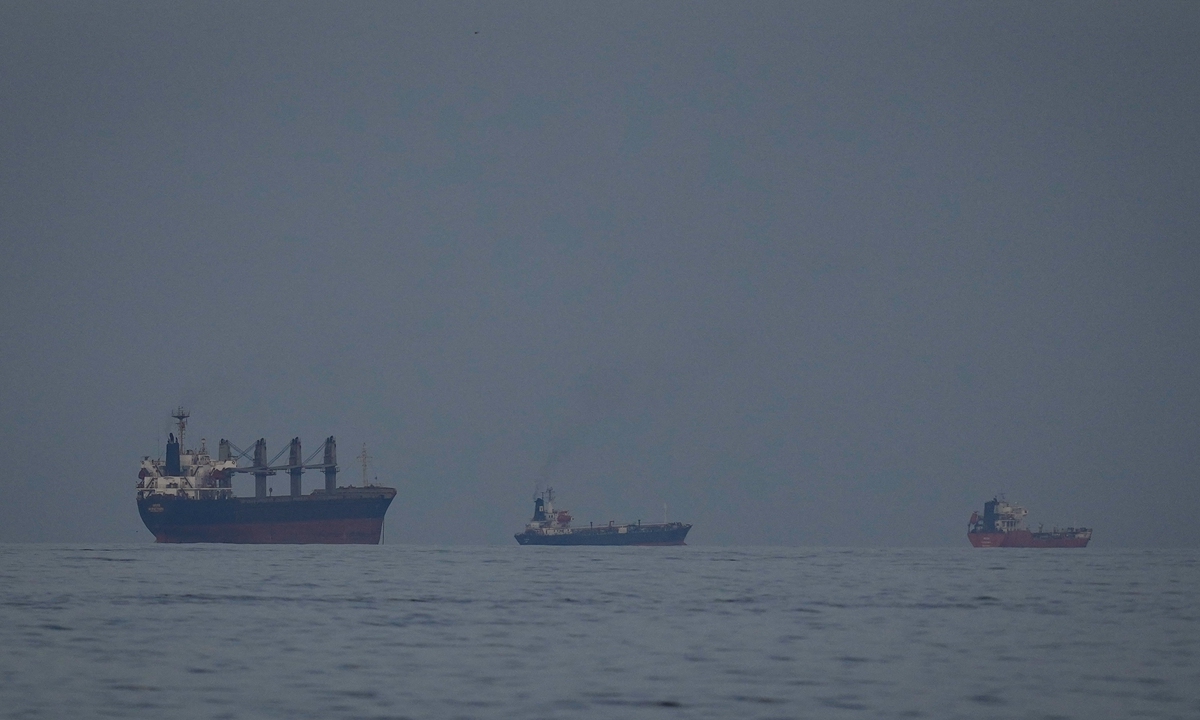
Recent events show a significant transition in the leadership of Sensen Holdings, as reported by both Tencent and Sina. The articles detail the company's shift in control from the founding family to Ren Yuanlin, known as the 'King of Civilian Shipbuilding in China'. This change follows the death of the company's founder, Zheng Yonggang, and the subsequent financial difficulties faced by the firm.
Both sources highlight the financial restructuring intended to resolve long-standing debt issues. Tencent notes the involvement of multiple investment entities, including Jiangsu New Yangzi Merchant Trade and Shenzhen TCL Technology, in the restructuring process. Meanwhile, Sina provides a similar overview, emphasizing the strategic partnerships formed to stabilize the company.
The news highlights the narrative of a corporate revival under Ren Yuanlin's leadership. Tencent’s article underscores Ren's reputation in the shipbuilding industry, suggesting a potential positive impact on Sensen Holdings. Sina, however, delves into the procedural aspects, discussing court approvals and the legal formalities required for the transition.
It appears that both publications aim to reassure stakeholders of the company's stability. Tencent focuses on the personalities involved, possibly to bolster confidence in the new leadership. In contrast, Sina emphasizes the technical and legal steps, ensuring transparency about the restructuring process.
These developments indicate a pivotal moment for Sensen Holdings, with implications for investors and the broader market. The coordinated narrative from both Tencent and Sina suggests an effort to present a unified front, fostering optimism about the company's future under new management.
U.S. Administration's Promise to Protect Qatar Amidst Yemen Conflict
Recent events show that U.S. President Joe Biden has signed an executive order pledging to defend Qatar from any attacks, including military actions. The World Journal highlights Biden's commitment to using all measures, including military force if necessary, to safeguard Qatar's security and territorial integrity. However, skepticism remains regarding the practical implications of this promise, especially given the complexities of international agreements and the need for Senate approval in many cases.
The United Daily News emphasizes the strategic timing of the executive order, noting its issuance following a missile attack on Qatar's capital by Houthi rebels, which coincided with a meeting of Hamas leaders. This suggests a reactionary move by the U.S. to reassure its Middle Eastern ally amidst heightened tensions.
These developments indicate a clear U.S. intention to reinforce its alliances in the Middle East, particularly with Qatar, amid ongoing regional instability. While both publications underscore the administration's declarations of "close cooperation" and "mutual benefits" with Qatar, they also point out the lingering doubts about the enforceability of such commitments. Notably, the World Journal reflects on the precedent set by previous administrations, such as Obama's 2015 Iran nuclear agreement, to illustrate the potential challenges of unilateral executive actions in foreign policy.
It appears that both articles aim to convey the significance of the U.S. commitment while highlighting the practical challenges and uncertainties that accompany such diplomatic assurances. The coverage underscores the geopolitical intricacies involved in maintaining regional stability and the role of U.S. foreign policy in addressing these challenges.
Detention of Suspect in 'Nord Stream' Pipeline Sabotage Case
Recent events show the detention of a Ukrainian man, Volodymyr, suspected of involvement in the sabotage of the 'Nord Stream' natural gas pipelines, capturing international attention. Both CCTV and Sina report that the man will be detained for seven days following a local court's approval of the prosecutor's request.
These developments indicate ongoing legal proceedings, with the court having up to 100 days to decide on his extradition to Germany. Both articles highlight the context of the case, referencing the 2022 explosions near Denmark and Sweden that damaged the pipelines, leading to leaks in three of the four pipelines.
The news highlights the international dimensions of the investigation, noting Denmark, Sweden, and Germany's involvement, and their exclusion of Russia from the probe. It appears that the narrative in both sources is similar, focusing on the legal process and the geopolitical implications of the sabotage.
While both articles provide similar factual accounts, the CCTV report includes additional background on the pipeline's significance and the geopolitical tensions it underscores, whereas Sina briefly mentions related arrests in connection to the incident. This distinction may point to CCTV's intent to emphasize broader geopolitical narratives, while Sina maintains a focus on the immediate legal proceedings.
Analyzing Media Narratives on Recent Geopolitical Developments
The recent article from United Daily News (聯合報) highlights a host of global and regional issues, including the potential repercussions of China's military maneuvers near Taiwan. The narrative suggests a low likelihood of an unexpected military strike, offering a sense of cautious reassurance amidst rising tensions. This perspective is indicative of an attempt to downplay immediate threats, perhaps to maintain regional stability or to align with broader diplomatic stances.
While the article primarily focuses on geopolitical concerns, it also touches upon other unrelated topics such as the economic implications of AI, the potential shutdown of the US government, and cultural exchanges between Korea and Japan. This mixture of themes could be seen as an effort to provide a comprehensive overview of current affairs, though it somewhat dilutes the focus on any single issue.
Overall, the article seems to provide a balanced view, combining speculative analysis with factual reporting, which could reflect an intention to inform rather than sensationalize. By including expert opinions and a variety of topics, the publication may aim to appeal to a diverse readership interested in both regional and broader international developments.