
European Resistance to US Military Cooperation; Iran-Israel Tensions Escalate; China-Iran Diplomatic Moves Reshape Alliances
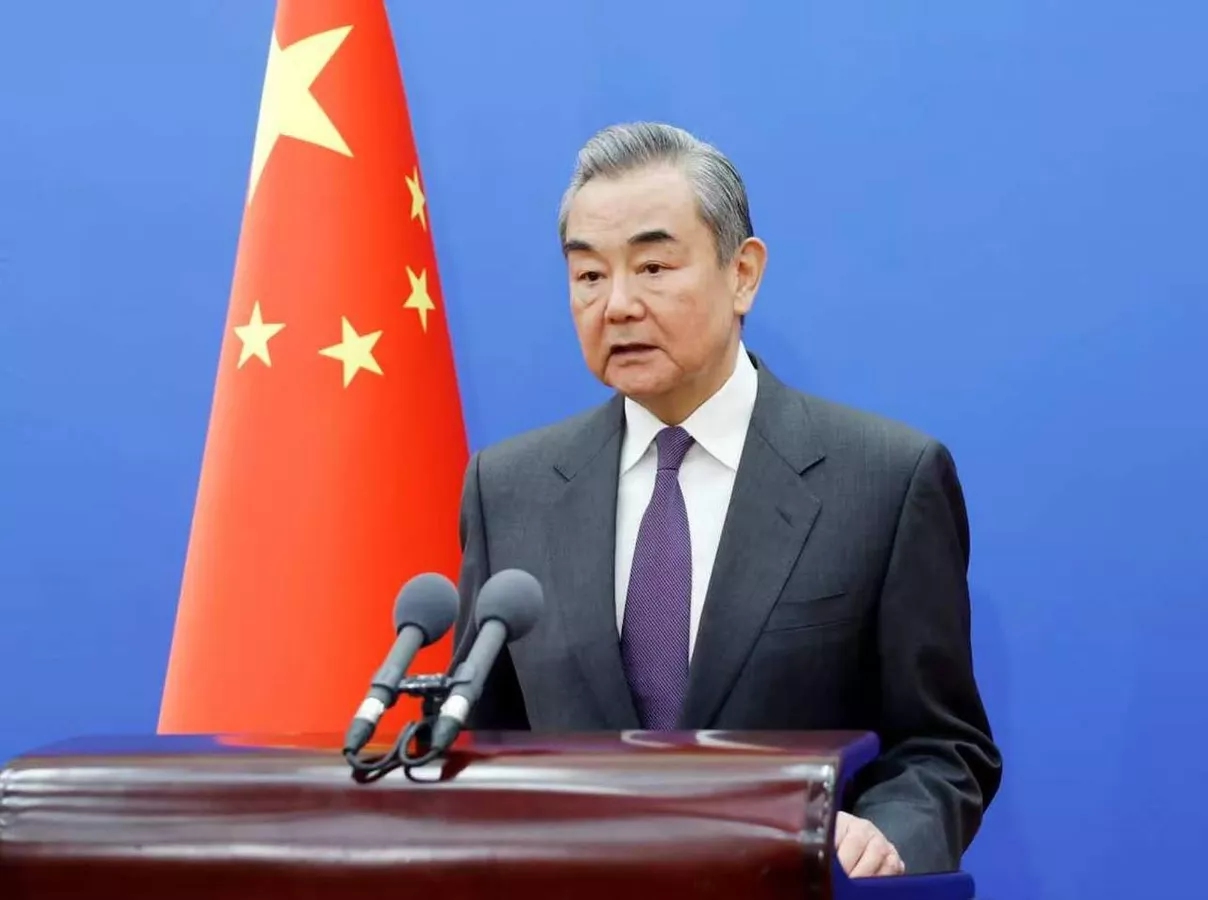
Spain's Rejection of US Military Cooperation Sparks European Solidarity Amidst Trade Tensions
Recent developments highlight a significant diplomatic rift between Spain and the United States, as Spain firmly denies any agreement to cooperate militarily with the US regarding Iran. This denial was reported by Xinhua, with Spanish Foreign Minister Alvares rejecting claims made by the White House. This move underscores Spain's resistance to US pressure on military matters, particularly concerning Iran, and reflects broader European unease about escalating US-Iran tensions.
Adding a layer of complexity, Xinhua reported that French President Macron has voiced support for Spain, suggesting a united European front against US trade threats. Macron's support may influence EU's collective bargaining power, potentially affecting transatlantic trade negotiations and the EU's strategic autonomy goals.
The European Union's commitment to defending member states' interests was further echoed by CCTV, where the EU Council President reiterated the bloc's resolve to protect members under international law. This stance could impact global trade dynamics, as the EU positions itself as a counterbalance to US policies, affecting international investors and markets reliant on EU-US trade relations.
Meanwhile, Sina reported on Spain's firm opposition to US military actions and its refusal to allow US military base usage for operations against Iran. This decision may influence US military logistics and strategic planning in Europe, highlighting Spain's strategic importance and the potential for reevaluating US-European military cooperation frameworks.
These developments indicate a potential shift in European-US relations, with Spain and France leading a pushback against perceived US overreach. For international markets and policymakers, these tensions could lead to shifts in trade policies, military alliances, and geopolitical strategies, affecting global economic stability and security dynamics.
Iran Tensions Escalate with US-Israel Strikes: Global Implications for Security and Markets
Recent developments in the Middle East highlight the escalating tensions between Iran and a US-Israel coalition. According to Sina, an Iranian military official has warned of potential strikes on Israeli nuclear sites should the US and Israel attempt to overthrow the Iranian government. This underscores the volatility in the region, which could impact global oil markets and heighten geopolitical risks.
In a related article from Sina, the ongoing military operations have entered their sixth day, with Iran launching attacks on Israeli defense buildings and reportedly using high-speed drones. The US military has claimed to have hit over 2,000 Iranian targets, a move that could potentially lead to prolonged conflict, affecting not only regional stability but also international military alliances.
The Xinhua report emphasizes the human cost of these strikes, noting that the US-Israel military actions have resulted in over 1,045 Iranian casualties. This humanitarian impact could evoke international responses, influencing diplomatic relations and potentially leading to new sanctions or military support from other nations.
Additionally, another Sina article reports that multiple locations in western Tehran, including military bases, have been targeted by missiles. This attack on Iran's capital could have significant implications, potentially disrupting regional trade routes and impacting global supply chains.
These developments indicate a potential shift in Middle Eastern power dynamics, with ramifications for global security policies, energy markets, and international diplomatic strategies. Investors and policymakers in the US, EU, and other regions should closely monitor these tensions, as they could lead to broader economic and geopolitical consequences.
US Senate Fails to Restrict Presidential War Powers: Implications for Global Security and Policy
Recent developments in the U.S. Senate highlight a significant decision regarding the presidential war powers, particularly in relation to military actions against Iran. On March 4th, an effort to require congressional authorization before any military action against Iran was put to a vote but ultimately failed to pass. The vote concluded with 47 in favor and 53 against, thus maintaining the president's ability to conduct military operations without prior congressional approval. This decision has substantial implications for international relations and global security strategies.
Xinhua News Agency provided a detailed account of the Senate proceedings, emphasizing the Democratic opposition to the Trump administration's military actions in Iran. The article pointed out that according to the U.S. Constitution, only Congress has the authority to declare war, and many Democrats consider the administration's actions as unlawful. This perspective suggests a domestic political struggle that could influence U.S. foreign policy and its engagements in the Middle East.
In contrast, Sina News echoed similar sentiments but highlighted the procedural nature of the Senate's vote, noting that the decision effectively halted a bipartisan resolution aimed at stopping airstrikes and requiring congressional approval for any hostile actions against Iran. This narrative underscores the ongoing debate over the balance of power between the legislative and executive branches in the U.S., which has far-reaching implications for global diplomatic relations.
Another report by Sina News reiterated the Senate's decision, focusing on the support for President Trump's military strategy in Iran. It highlighted the Senate majority's backing of the president's actions, reflecting a division in U.S. political circles that could affect international perceptions of American foreign policy consistency.
These developments indicate a continuing trend of executive dominance in U.S. military decisions, which could lead to increased unpredictability in global security environments. For international markets and investors, this decision may result in heightened geopolitical risk, influencing oil prices and Middle Eastern market stability. Moreover, this could affect EU and regional policies, as allies may need to recalibrate their strategies in response to the U.S.'s unilateral military capabilities. Readers outside China should note that such shifts in U.S. policy could alter global power dynamics, impacting international trade and diplomatic engagements.
Escalating Tensions in Middle East: Israeli and Iranian Military Actions Impact Global Stability
Recent developments in the Middle East highlight a significant escalation in military activities between Israel and Iran, with broader implications for international markets and geopolitical stability. Xinhua News Agency reports that the Israeli Defense Forces launched airstrikes targeting several sites within Lebanon associated with Hezbollah, a group backed by Iran. These strikes reportedly destroyed multiple missile launch sites and a drone production facility, emphasizing Israel's ongoing efforts to neutralize perceived threats in the region.
Concurrently, Sina News describes Iran's military response, detailing how the Islamic Revolutionary Guard Corps conducted an operation named "True Promise 4," deploying high-speed missiles and combat drones to breach Israeli defenses. This attack successfully targeted the Israeli Ministry of Defense building and Ben Gurion International Airport, demonstrating Iran's advanced military capabilities and its resolve to retaliate against Israeli actions.
For international markets, these developments could lead to increased volatility, particularly in energy markets, given the Middle East's critical role in global oil supply. Investors might experience heightened risk premiums, affecting stock markets and commodity prices worldwide.
The situation also presents challenges for US and EU policymakers, who must navigate the delicate balance of supporting regional allies like Israel while avoiding further escalation. This conflict underscores the necessity for diplomatic engagement and conflict resolution strategies to prevent broader destabilization.
Readers outside China should pay close attention to these dynamics, as they could influence global geopolitical alignments and economic stability. The strategic rivalry between Israel and Iran is not just a regional issue but a global concern, given its potential to disrupt international trade, fuel global tensions, and impact foreign policy decisions across various regions.
China-Iran Diplomatic Engagements Highlight Shifting Alliances and Their Global Impact
Recent diplomatic engagements between Chinese Foreign Minister Wang Yi and Iranian Foreign Minister Seyed Abbas Araghchi underscore a significant shift in geopolitical alliances, with potential global implications. As reported by Global Times, these discussions reflect China's strategic interest in strengthening ties with Iran, amidst the backdrop of ongoing tensions with Western powers.
For international markets, this development signals a potential realignment in trade routes and energy partnerships, particularly as China seeks to secure its energy needs through Iranian oil, potentially bypassing Western sanctions. This realignment could influence global oil prices and shift investment flows, impacting businesses and investors worldwide.
In terms of US and EU policies, China's engagement with Iran may necessitate a re-evaluation of diplomatic and economic strategies, as it could undermine Western efforts to isolate Tehran. The strengthening of China-Iran ties might complicate efforts to negotiate nuclear agreements or impose sanctions effectively.
For readers outside China, the significance lies in the broader strategic implications. China's outreach to Iran could be seen as part of a larger strategy to extend its influence in the Middle East, challenging US dominance and potentially altering regional power dynamics. This move could lead to increased competition for influence, affecting international security and stability.
These developments indicate a potential shift in global alliances, where countries like China and Iran may find common ground in countering Western influence, leading to a more multipolar world order. This shift could have wide-ranging effects on international diplomacy, trade, and security policies.