Geopolitical Alliances; Diplomatic Tensions in Asia; Global Reactions to Security Laws; China's Strategic Engagements; Youth Moral Development
Divergent Narratives on Russia's Military Actions and Peace Talks
Recent events highlight the ongoing tensions and diplomatic efforts surrounding Russia's military agreements and actions. Xinhua reports on Russia's President Putin ratifying a military cooperation agreement with India, emphasizing the potential for enhanced military collaboration, joint exercises, and humanitarian assistance. This development signals stronger ties between the two nations and a simplification of military procedures, portraying a narrative of strategic partnership.
In contrast, Liberty Times reflects on U.S. President Trump's statement that a peace agreement to end the Russia-Ukraine conflict is closer than ever. This narrative underscores optimism and collaborative efforts with European leaders to push for peace, despite Russia's lack of response to recent proposals. The publication presents a hopeful outlook, focusing on diplomatic dialogues and potential resolutions.
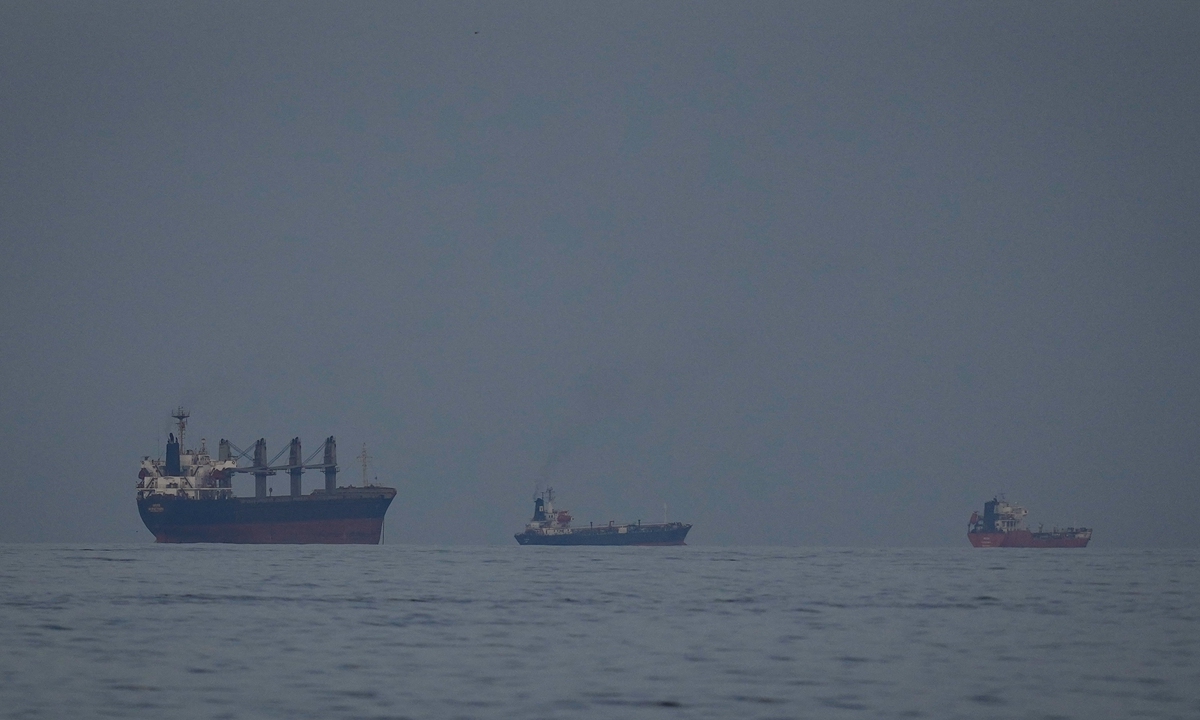
Xinhua further covers the EU's new sanctions against Russia's "shadow fleet," targeting individuals and entities supporting Russia's covert operations. This report highlights the EU's resolve to curb Russian influence and maintain regional security, indicating a firm stance against Russian aggression.
Meanwhile, Sina shares President Trump's assertion that peace talks are progressing well, with extensive discussions held with European allies. This narrative reinforces the notion of imminent peace, with a strong emphasis on security and cooperation between the U.S. and Europe.
World Journal reports on the EU leaders' joint statement supporting Ukraine, promising to build a peacekeeping force to aid in reconstruction and ensure safety. This article stresses the EU's commitment to Ukraine's sovereignty and rebuilding efforts, reflecting a collective international response to the conflict.
In a different tone, CCTV presents Hungarian Prime Minister Orbán's critical view that freezing Russian assets is akin to a declaration of war, cautioning against escalating tensions. This perspective highlights the potential for backlash and the complexities involved in sanction strategies.
The news collectively indicates a complex web of military alliances, peace negotiations, and strategic posturing. While some narratives focus on optimism and potential resolutions, others emphasize the risks and challenges of diplomatic and military engagements. The varied portrayals reflect each publication's stance and strategic interests, shaping public perception of the geopolitical landscape.
China's Diplomatic Push Against Japan's Taiwan Remarks
Recent events highlight China's diplomatic efforts to counter Japan's remarks concerning Taiwan. In a statement at the United Nations, China's representative, Fu Cong, urged Japan to retract what he termed as erroneous statements linking Taiwan to Japan's 'survival crisis.' This comes during a time when the international community is reflecting on the 80th anniversary of the end of World War II, a period marked by Japan's unconditional surrender and China's subsequent reclaiming of Taiwan. Fu emphasized that such remarks from Japan violate post-war international order and challenge peace in Asia.
These developments indicate a consistent narrative from Chinese media outlets like Xinhua and CCTV, which both reported Fu's speech as a significant diplomatic push to reaffirm China's territorial claims over Taiwan. Both sources emphasized Fu's historical references to Japan's past militaristic actions and the importance of adhering to the United Nations Charter principles.
However, the World Journal presents a slightly different angle by focusing on Japan's response. The Japanese ambassador to the UN, Yamazaki Kazuo, dismissed Fu's statements as inappropriate and unrelated to the UN's future agenda. This highlights a divergence in narrative, with Japan maintaining its stance on dialogue and peaceful resolution regarding Taiwan, as reiterated by Japanese Foreign Minister Yoshimasa Hayashi.
It appears that while Chinese outlets stress historical grievances and legal arguments, the World Journal highlights the diplomatic tensions and Japan's defensive posture. This reflects the broader geopolitical contest between China and Japan over regional influence and interpretations of historical events.
Global Reactions to Hong Kong's National Security Law Trials
Recent events show a growing international focus on the trial and conviction of Hong Kong media mogul Jimmy Lai. The Liberty Times reports that Lai, the founder of Apple Daily, was found guilty of colluding with foreign forces under Hong Kong's National Security Law. The article highlights U.S. President Trump's appeal to China’s President Xi Jinping for Lai's release, stressing Lai's advanced age and health issues.
Similarly, Radio France Internationale emphasizes Trump's regret over the conviction, describing Lai as a pro-democracy businessman. The coverage underscores the international pressure on China to uphold its past commitments to Hong Kong's judicial independence, made during the 1997 handover.
In contrast, Xinhua News Agency diverts attention from Lai by focusing on South Korean internal issues, particularly the legal troubles of former President Yoon Suk-yeol. This shift in focus might suggest an attempt to downplay the international outcry over Hong Kong by highlighting regional matters elsewhere.
These developments indicate a varied media landscape, with Western outlets concentrating on the implications of Lai’s case for freedom of speech and China's legal practices, while Chinese state media appear to redirect narratives towards other geopolitical events.
China's Diplomatic Engagements in the Middle East: A Multi-Perspective Analysis
Recent events show China's increasing diplomatic activity in the Middle East, as highlighted by Foreign Minister Wang Yi's visits to the United Arab Emirates, Saudi Arabia, and Jordan. According to Tencent News, this trip underscores China's strategic engagement with these nations, emphasizing mutual support on core issues such as sovereignty and territorial integrity. Notably, Saudi Arabia reiterated its unwavering support for the "One China" policy, explicitly opposing any "Taiwan independence" movements.
The news highlights China’s strategic intent to solidify relationships in the region, especially through economic and technological collaboration. The visit aligns with the upcoming China-Arab States Summit, aiming to deepen cooperation across energy, infrastructure, and emerging technologies, as noted by Niu Xinchun from Ningxia University.
Meanwhile, Xinhua News focused on the bilateral discussions between China and Jordan, highlighting both countries' commitment to enhancing cooperation in traditional sectors like trade and infrastructure, as well as exploring new areas such as artificial intelligence and digital economy. The dialogue also touched upon regional stability, with Jordan supporting China's proposals for Middle Eastern peace initiatives.
These developments indicate a concerted effort by China to bolster its influence in the Middle East through economic partnerships and political alliances. Both Tencent and Xinhua underscore the significance of cultural and people-to-people exchanges in these diplomatic endeavors, reflecting a comprehensive approach to fostering long-term regional relationships.
It appears that while Tencent emphasizes the geopolitical and strategic aspects of these visits, Xinhua provides a broader perspective on the socio-economic dimensions, suggesting a dual narrative approach. This duality may serve to reinforce China's image as a global leader committed to peace and prosperity, appealing to both regional and international audiences.
Escalating Tensions on the Thai-Cambodian Border
Recent events show a significant escalation in the conflict between Thailand and Cambodia, with both nations reporting aggressive military engagements. CCTV reports that on December 15th, both countries accused each other of initiating attacks, leading to fatalities and widespread displacement. Thailand claims it targeted military threats, while Cambodia maintains it will remain on high alert. The violence has resulted in casualties and significant displacement of civilians, highlighting the severe human toll of the conflict.
Meanwhile, Sina News provides a more emotive narrative, capturing the destruction and chaos resulting from the conflict. The article reflects on the unexpected intensity of the violence, noting that international observers are surprised by the rapid escalation. Sina's coverage emphasizes the political implications and international reactions, including the involvement of foreign leaders attempting to mediate the situation.
These developments indicate differing perspectives in media coverage. CCTV focuses on the immediate military actions and their consequences, providing a straightforward account of the events. In contrast, Sina News delves into the broader humanitarian and political implications, suggesting that the conflict has far-reaching consequences beyond the immediate military engagements. The news highlights how media narratives can shape public perception, with CCTV sticking to factual reporting and Sina offering a more analytical and emotive perspective.
Youth Moral Development in China: A Strategic Focus
The recent discussions on youth moral development in China were brought to the forefront during a conference held in Beijing on December 15, highlighting the significance of nurturing ideological and moral values among minors. This initiative is closely aligned with President Xi Jinping’s directives, emphasizing the importance of instilling these values as a strategic, long-term task.
CCTV underscores the strategic nature of this endeavor, framing it as crucial for enhancing the comprehensive quality of the Chinese nation. The publication emphasizes the need to root moral education in schools and integrate it with broader societal values, a sentiment echoed by President Xi in his speeches. The strategic goal is to fortify the moral and ideological education of minors to counter external influences and maintain cultural integrity.
Similarly, Sina reports on the conference, reiterating the importance of moral development as a fundamental work. This outlet highlights the need for a cohesive system involving schools, families, and society to nurture well-rounded individuals who can contribute positively to the nation’s future. Both sources stress the role of ideological education in safeguarding against Western influences and preserving China's cultural identity.
While both articles share a common theme, they convey subtle differences in tone and emphasis. CCTV’s coverage leans towards a more strategic and nationalistic interpretation, emphasizing the long-term benefits of a morally guided youth for national strength. In contrast, Sina focuses on the practical implementation of these policies, advocating for a collaborative approach involving various societal sectors.
These developments indicate a concerted effort by the Chinese government to embed moral education deeply within the fabric of society, viewed as essential for sustaining the country’s ideological and cultural sovereignty in the face of globalization.
China's Call for Post-War International Order Maintenance
Recent events show a strong emphasis from China on maintaining the international order established post-World War II. At a United Nations Security Council debate titled 'Leadership in Realizing Peace', China's permanent representative to the United Nations, Fu Cong, highlighted the necessity of upholding the historical lessons from World War II and protecting its outcomes. This perspective underscores China's commitment to a global framework where peace and development are prioritized.
These developments indicate China's stance against hegemonism and unilateralism, advocating for equality among nations and adherence to the principles of the United Nations Charter. Fu Cong's remarks also call for a political resolution to conflicts, emphasizing dialogue and respect for national sovereignty as pillars of lasting peace.
The news highlights China's proposal for a multilateral approach to strengthen international cooperation in safeguarding peace. This includes promoting the democratization of international relations and increasing the representation of developing countries in global affairs. China's advocacy for development as a priority aims to address the root causes of conflict and ensure sustainable peace.
It appears that China is positioning itself as a proponent of multilateralism, leveraging its cultural philosophy of 'harmony' to contribute to global governance. The establishment of the 'Group of Friends on Global Governance' reflects China's initiative to foster collaboration in addressing global challenges, reinforcing a more equitable governance system.