Geopolitical Maneuvering: Russo-Chinese Ties; Manchester Terror Attack; Israeli Naval Actions; China's Economic Surge; Taiwan Strait Tensions
Analyzing Russo-Chinese Relations and Global Implications
Recent events show a spotlight on the evolving dynamics between Russia and China, specifically focusing on the personal rapport between President Vladimir Putin and President Xi Jinping. According to United Daily News, Putin emphasized his close personal friendship with Xi, suggesting a strong foundation of trust between the two leaders. This narrative highlights the strategic cooperation between Russia and China, particularly in areas of global governance and regional security.
In contrast, CCTV underscores the pragmatic benefits of restoring comprehensive relations with the United States, aligning with Russia's national interests. This dual approach of maintaining strong ties with both China and the U.S. reflects Russia's strategic balancing act in its foreign policy.
Meanwhile, another report from United Daily News indicates a defensive posture by Russia in response to U.S. President Trump's remarks labeling Russia as a "paper tiger." Putin's retort questions NATO's significance, showcasing Russia's confidence and challenging Western narratives.
These developments indicate a complex geopolitical landscape where Russia navigates its relationships with major powers. CCTV further details Russia's concerns over potential U.S. military support to Ukraine, which could escalate tensions but not alter the battlefield dynamics. This perspective suggests a cautious approach by Russia, aiming to mitigate risks while reinforcing its strategic deterrence.
Additionally, Sina echoes similar sentiments, emphasizing Putin's statements about the potential damage to Russo-American relations due to U.S. military actions. This narrative aligns with Russia's broader strategy to preserve its interests while confronting external pressures.
Finally, CCTV's coverage of Russia's potential participation in the upcoming G20 summit reflects its intent to remain engaged in global economic discussions, despite ongoing geopolitical tensions. This strategic participation underscores Russia's desire to maintain its influence within international forums.
Overall, the news highlights a multifaceted approach by Russia, balancing relationships with China and the U.S., while navigating global challenges. The varied narratives across these publications reflect differing emphases on personal diplomacy, strategic interests, and geopolitical maneuvering.
Diverse Perspectives on the Manchester Terror Attack
Recent events show a coordinated effort by various media outlets to cover the Manchester terror attack, each providing unique insights and perspectives. CCTV highlights the swift action by British police in identifying the suspect, Jihad al Shamie, a 35-year-old dual national from Syria and the UK. The report emphasizes the police's immediate response and the broader context of counter-terrorism efforts, indicating a focus on national security and public safety.
Meanwhile, Liberty Times offers a detailed narrative of the attack's progression, from the car crash into a crowd outside a Manchester mosque to the subsequent knife attack. This article underscores the chaos and the suspect's intentions, painting a vivid picture of the scene and highlighting the community's resilience.
Sina provides a similar account to CCTV, focusing on the identification of the suspect and the subsequent law enforcement actions. The article reflects a straightforward reporting style, emphasizing the facts and outcomes rather than the emotional or political implications.
In contrast, another CCTV report delves into the broader social and political reactions, including statements from local authorities and the UK Prime Minister. This coverage highlights the collective shock and condemnation of the attack, as well as the community’s call for vigilance and unity.
These developments indicate a multifaceted approach to reporting, with each publication bringing its own lens to the events. While CCTV and Sina focus on the factual and procedural aspects, Liberty Times explores the human and community impact, offering a more narrative-driven account. The news highlights the complexity of media narratives in shaping public perception and understanding of global events.
International Tensions Emerge Over Israeli Naval Actions Against 'Global Resistance Fleet'
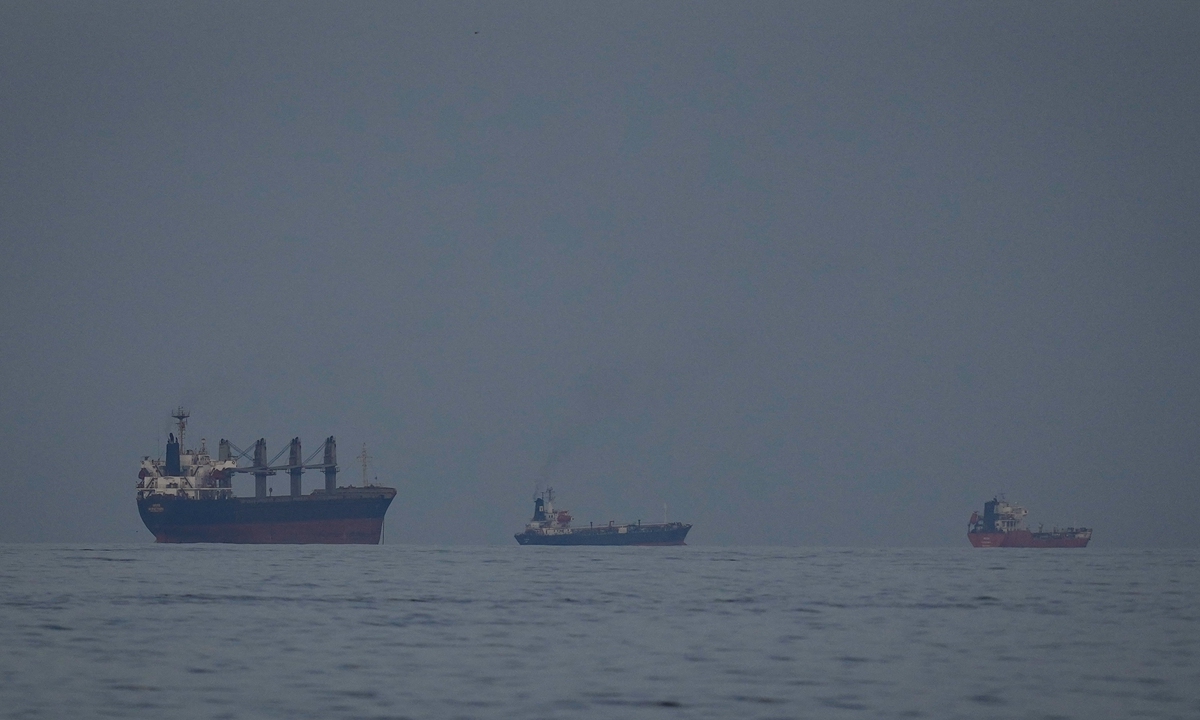
Recent events show escalating tensions in the Mediterranean as Israeli naval forces intercepted the 'Global Resistance Fleet' near the Ashdod port. According to CCTV, the fleet, consisting of 41 ships and over 400 individuals, was attempting to break the Israeli blockade on the Gaza Strip. The Israeli military detained the ships and their occupants, who are expected to be deported. This blockade has been in place since 2007, and the fleet's actions are viewed as a direct challenge to it.
These developments indicate a complex international reaction. Another report by CCTV highlights that the detained volunteers, numbering over 250, are undergoing thorough inspections and will be deported. The Israeli authorities continue their operations until all involved ships are processed. This highlights the ongoing strict enforcement of the blockade, despite international criticism.
Meanwhile, the South African President has criticized Israel's actions, urging the immediate release of the detained activists. This news highlights the international dimension of the incident, with South Africa condemning the interception as a violation of international law. The President emphasizes the fleet's humanitarian mission to aid the people of Gaza, framing Israel's interception as a severe infringement on global solidarity and humanitarian efforts.
It appears that these articles collectively paint a picture of a complex geopolitical situation, with Israel's actions being viewed through varied lenses. The articles from CCTV provide a detailed account of the events, emphasizing the operational aspects of the Israeli military's actions and the subsequent political fallout. This narrative suggests an underlying intention to highlight international legal and humanitarian concerns, reflecting broader geopolitical tensions and the contentious nature of the blockade on Gaza.
Golden Week: Shopping Frenzy and Infrastructure Developments in China
Recent events show how China's Golden Week holiday has become a focal point for both consumer activity and infrastructure development. Articles from various sources highlight the bustling shopping scenes in Shanghai and Beijing, as well as improvements in transportation infrastructure.
The article from Tencent News describes a shopping frenzy in Shanghai, where foreign tourists are avidly purchasing items unavailable in their own countries. The piece emphasizes the heavy discount promotions and the influx of international visitors, suggesting an effort by retailers to capitalize on the holiday's consumer potential. The narrative underscores the significant impact of tourism on local sales, with estimates predicting a 20% increase compared to last year.
Meanwhile, another report from Tencent News highlights the influx of visitors at Beijing's Tiananmen Square during the same period. This coverage focuses more on the cultural and historical attractions, with 92,700 tourists flocking to the area over two days. The article notes the collaborative efforts of various governmental agencies to maintain safety and order, reflecting a broader theme of coordinated public service during peak travel times.
It appears that these developments indicate a dual focus during Golden Week: boosting consumer spending and enhancing visitor experiences. The balance between retail promotions and cultural tourism represents a strategic approach to maximize both economic and social benefits during this national holiday.
In terms of infrastructure, a separate piece discusses recent upgrades in Shanghai's Baoshan District, where new transportation projects aim to improve urban connectivity. The article details the completion of major road works, enhancing accessibility and benefiting local commerce. This narrative suggests a long-term vision of urban development, aligning with the broader goals of economic modernization and sustainable growth.
Overall, these articles collectively highlight how Golden Week serves as a catalyst for economic activity and infrastructure progress in China. While the focus on consumerism is evident, the underlying theme of urban development and public service also emerges strongly, painting a comprehensive picture of the holiday's multifaceted impact.
China's Cinematic Surge: Analyzing the 2025 Box Office Boom
Recent events show a remarkable surge in China's box office revenues, with total takings reaching 425.02 billion yuan in 2025, surpassing last year's figures. Sina highlights this achievement within a broader context of societal movement during the National Day and Mid-Autumn Festival holidays, which saw a cross-regional flow of 3.3 billion person-times.
These developments indicate a strong cultural and economic momentum, as reflected in a parallel article from Sina, which focuses on the National Day box office reaching 7 billion yuan. The piece elaborates on the success of films like "Volunteer Army: Blood and Peace" and "731," noting how these movies resonate with audiences by depicting historical narratives of resilience and patriotism.
The news highlights an intriguing blend of cultural initiatives, as seen in the integration of public welfare screenings and intangible cultural heritage food festivals in Liaoning's Tieling City. This strategy not only attracts tourists but also enriches the local economy, showcasing a unique cultural consumption experience.
It appears that CCTV also reports on the 2025 box office milestone, echoing the figures and providing additional context on the broader societal activities during the holiday period. CCTV's coverage emphasizes the collective spirit and national pride associated with these cultural events, aligning with its narrative focus on unity and progress.
While the core story remains consistent across sources, with a focus on economic growth through cultural engagement, each publication brings its own emphasis. Sina tends to highlight the economic figures and film narratives, while CCTV contextualizes these within a broader national discourse. This approach may reflect each outlet's intention to either appeal to economically minded readers or to reinforce themes of national unity and cultural pride.
Navigating Taiwan Strait Tensions: A Geopolitical Analysis
Recent events highlight the geopolitical importance of the Taiwan Strait, as discussed in an article from United Daily News. High-ranking Japanese political figure, Taro Kono, stresses the critical nature of peace and stability in the Taiwan Strait for international society, including Japan. His statements, made to the U.S. think tank Hudson Institute, underscore Japan's commitment to dialogue with China, reflecting a nuanced diplomatic approach amidst regional tensions.
These developments indicate a strategic positioning by Japan, balancing its security concerns with diplomatic engagements. Kono's emphasis on preventing unilateral changes through force resonates with Japan's longstanding policy of maintaining the status quo in the region. The article also touches on Japan's defense budget considerations, linked to the broader geopolitical landscape involving Russia and North Korea.
The news highlights a coherent narrative of cautious diplomacy, with Japan reaffirming its alliance with the U.S. while advocating for open dialogue with China. This dual approach is indicative of Japan's strategy to navigate complex regional dynamics, reflecting both historical ties and contemporary challenges.
Overall, the article from United Daily News presents a comprehensive view of Japan's foreign policy stance, illustrating the delicate balance of power in East Asia and the pivotal role of the Taiwan Strait in regional security.