Geopolitical Tensions and Economic Optimism; US-China Trade Talks and Military Developments; China's Computing Power Race
South Korea-U.S. Trade Talks: A Stalemate Amid Geopolitical Tensions
Recent events show that the trade negotiations between South Korea and the United States are facing significant challenges, as highlighted by the World Journal. South Korean President Lee Jae-myung expressed concerns that despite a $35 billion investment commitment, key details remain unresolved, hinting at difficulties in finalizing agreements before the upcoming summit with U.S. President Joe Biden. This news highlights the potential for continued delays, which could adversely impact South Korean automakers facing competitive pressures from Japanese counterparts benefiting from lower tariffs.
These developments indicate a broader geopolitical tension, with United Daily News reporting on President Lee's remarks about South Korea being caught between the U.S. and China, akin to being "between a rock and a hard place." The publication underscores the ongoing negotiations on defense issues, noting progress, yet emphasizing the challenges posed by differing opinions on investment structures and timelines.
The news highlights the intricate dynamics of international trade and diplomacy, where both economic and geopolitical considerations play pivotal roles. It appears that while the South Korean administration is striving for a balanced approach, the complexities of international alliances and regional security concerns add layers of difficulty to reaching a comprehensive agreement.
US Military Aircraft Incidents in the South China Sea
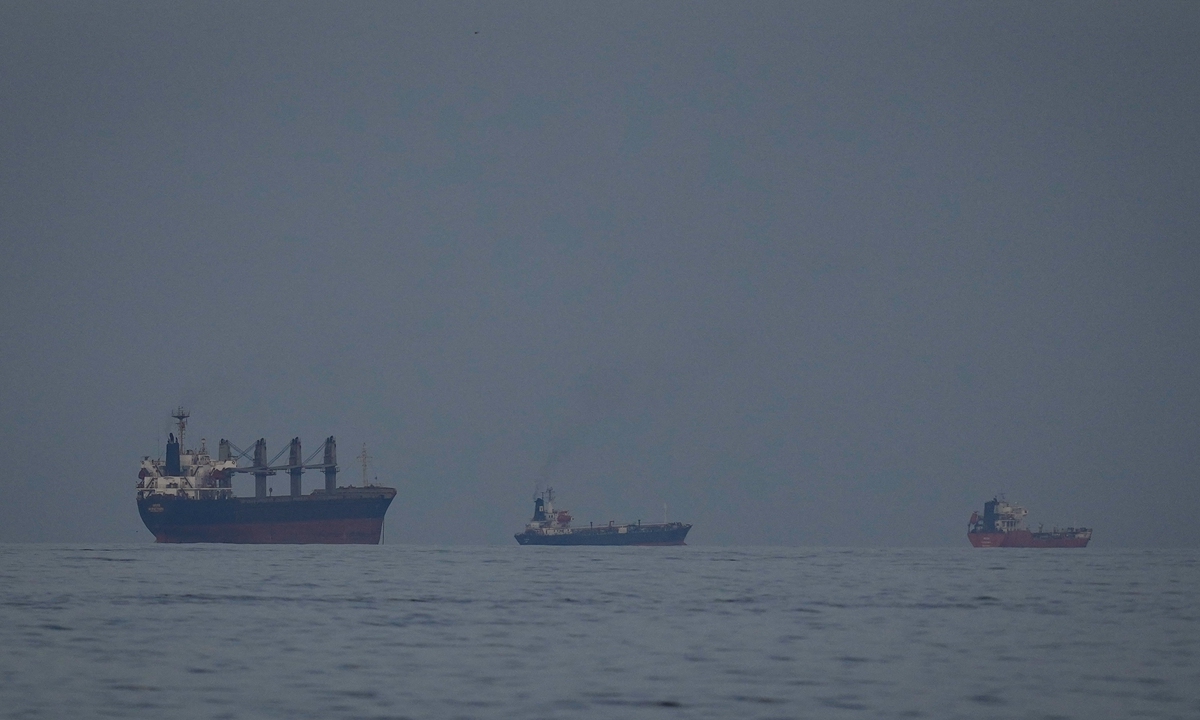
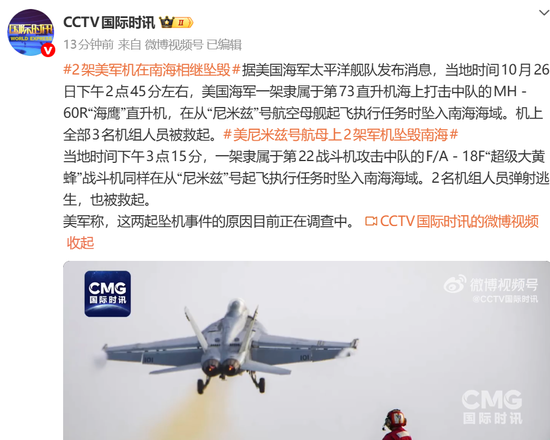
Recent events show a concerning pattern of US military aircraft incidents in the South China Sea, as reported by multiple sources. The United Daily News highlights two US Navy aircraft crashes within a 30-minute span. An MH-60R Sea Hawk helicopter and an F/A-18F Super Hornet, both operating from the USS Nimitz, went down during routine missions. Fortunately, all personnel were safely rescued, and investigations are ongoing to determine the causes.
Sina News corroborates this account, emphasizing the simultaneous nature of the incidents and the ongoing investigations. The coverage is straightforward, focusing on the sequence of events and the safety of the crew members.
Another Sina article reiterates these details, adding little new information but underscoring the proximity of the incidents, which occurred less than an hour apart. This repetition suggests an intent to highlight operational challenges faced by US forces in the region.
In contrast, a separate Sina article shifts focus to India's military developments, reporting on India's attempts to replicate China's Thunder-15 missile. This piece, while seemingly unrelated, may serve to contextualize regional military dynamics and technological advancements.
These developments indicate a nuanced portrayal of military tensions and technological pursuits in Asia, with each publication choosing specific angles to emphasize ongoing geopolitical narratives.
The Accelerating Race in Computing Power Infrastructure in China
The recent developments in China's computing power landscape reveal a fervent push towards enhancing AI capabilities and infrastructure. Xinhua highlights China's strategic endeavors to build the largest and most advanced computing infrastructure domestically by 2028. The article outlines significant advancements, such as the unveiling of the Tianjin Mobile TPU Intelligent Computing Center, which promises a substantial reduction in computing costs and energy consumption. This initiative reflects China's broader goal to integrate national computing resources, thereby catalyzing industrial growth and innovation.
Furthermore, another report by Xinhua discusses the continuous expansion of investment in computing centers, driven by the burgeoning AI industry. The report emphasizes the pivotal role of computing centers as the backbone of digital economic development, underscoring the necessity for financial institutions to offer diversified services tailored to different developmental stages of these centers. The narrative suggests that strategic financial support is crucial for the sustainable growth of computing power enterprises.
Both articles converge on the theme of China’s vigorous investment and policy support towards computing power infrastructure, aiming to secure a leading position in AI and digital transformation. The emphasis on reducing costs, improving efficiency, and fostering innovation indicates a comprehensive approach to achieving technological self-reliance and competitiveness on the global stage.
Optimism in U.S.-China Trade Talks Boosts Global Markets and Commodity Prices
Recent events show a surge in U.S. copper futures and stock market indices, driven by optimism in U.S.-China trade negotiations. United Daily News reports that copper futures on the New York Mercantile Exchange rose by 2.4%, reflecting market confidence in the potential for a trade agreement this week. Similarly, the London Metal Exchange's copper prices are nearing historical highs, indicating a positive outlook on demand, as the U.S. and China make progress in trade discussions.
These developments indicate that financial markets are responding favorably to signals of a comprehensive trade deal between the U.S. and China. Another article from United Daily News highlights the rise in U.S. stock futures, with the Dow Jones futures climbing nearly 300 points. This uptick is attributed to the positive sentiment surrounding the trade talks, as both nations hint at finalizing a deal soon.
The news highlights the broader impact on global markets, with stock futures in Japan, Australia, and Hong Kong also experiencing gains. Furthermore, international oil prices have risen in tandem, reflecting investors' anticipation of a favorable economic outcome from the U.S.-China negotiations.
It appears that the publications are aiming to convey a sense of cautious optimism. While highlighting the potential for a trade agreement, they also acknowledge the market's tempered risk sentiment, as seen in the initial dip in gold prices. This duality suggests a strategic narrative to balance enthusiasm with realism, recognizing that while progress is evident, uncertainties remain.