Geopolitical Tensions in Venezuelan Waters; Cultural Renaissance in Beijing; U.S.-Japan-China Global Dynamics
Geopolitical Tensions Surrounding U.S. Actions in Venezuelan Waters
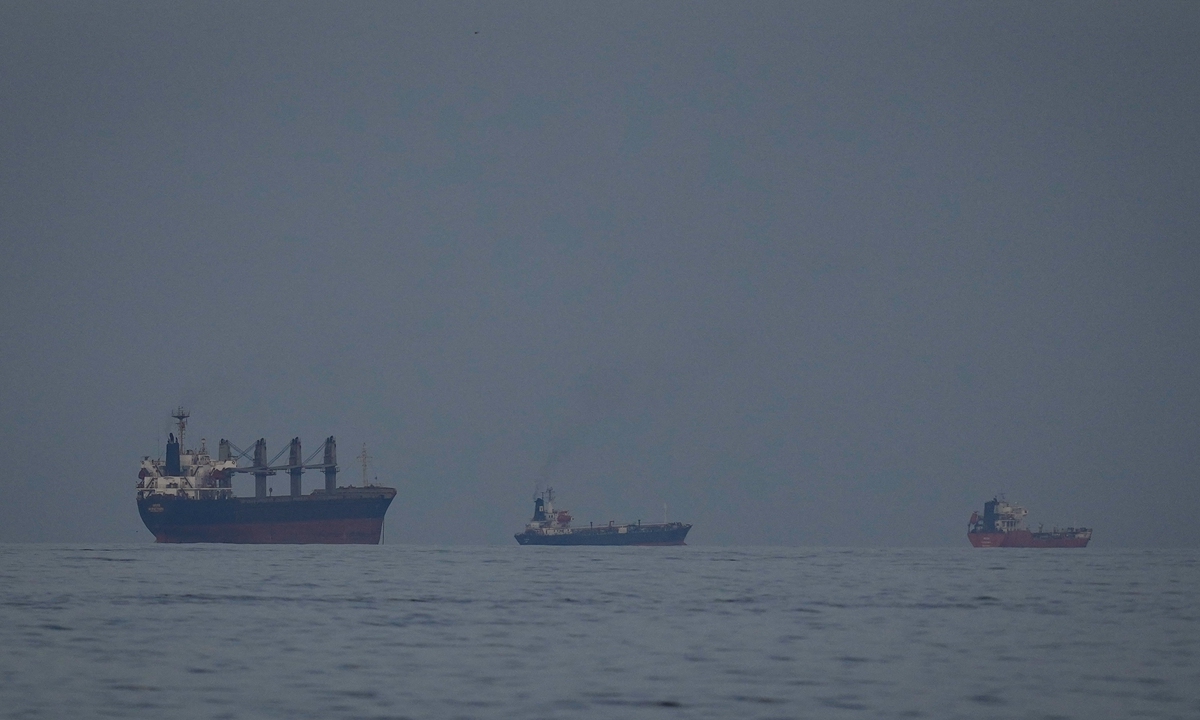
Recent events highlight escalating tensions between the United States and Venezuela, with multiple sources reporting on the U.S. military's seizure of an oil tanker bound for Venezuela. World Journal presents a staunch Venezuelan perspective, condemning the U.S. for what it terms "piracy" and "terrorism" under international maritime law. The article accuses the U.S. of intensifying economic warfare against Venezuela by disrupting its oil supply chain, a crucial economic lifeline.
In contrast, Sina provides a broader geopolitical context, noting that the U.S. aims to pressure President Maduro to step down. The piece underscores international criticism of U.S. actions, citing Russian President Putin's support for Venezuela and highlighting the U.S.'s military posturing as an attempt to cut off Venezuela's critical oil exports. The report also mentions the U.S. Treasury's sanctions on several tankers, including those flagged in Hong Kong, further indicating a strategic move to isolate Venezuela economically.
Radio France Internationale (RFI) offers an analysis of potential international support for Venezuela, noting that allies like Russia, China, and Iran, while historically supportive, face their own economic and political challenges, limiting their ability to aid Venezuela significantly. The report suggests these alliances are primarily economically motivated rather than ideologically driven, further complicating the geopolitical landscape.
These developments indicate a complex interplay of international relations, where U.S. actions are perceived as both a strategic maneuver to control oil and a broader effort to exert influence in the region. The varied narratives from different publications reflect the geopolitical intricacies and the multifaceted nature of global diplomacy, with each source providing unique insights into the motivations and repercussions of the U.S. military's actions in Venezuelan waters.
Cultural Renaissance: Art and Heritage in Beijing
Recent events highlight the vibrant tapestry of cultural and artistic endeavors flourishing in Beijing. A notable exhibition titled “丝路文脉·长安新篇” (Silk Road Cultural Pulse · New Chapter of Chang'an) recently opened at the Xinhua Art Gallery in Beijing, as reported by CCTV News. This exhibition showcases 120 pieces of Xi’an art, spanning various forms including traditional Chinese painting, sculpture, folk art, and installation imagery. The exhibition is structured around seven thematic sections, such as “长安风范” (Chang'an Style) and “丝路荣光” (Silk Road Glory), systematically exploring the enduring legacy of Xi’an's art from ancient times to contemporary expressions. This endeavor seeks to breathe new life into Xi’an’s cultural heritage, aiming to contribute ‘Xi’an wisdom’ to the broader development of Chinese art.
Meanwhile, the Beijing People's Art Theatre has revived a classic piece, “茶馆” (Teahouse), emphasizing the timeless vitality of this iconic work. As noted in another CCTV News article, the performance invites audiences to immerse themselves in the rich historical context and enduring narratives portrayed in this theatrical treasure. While this story adds less to the overarching theme of art exhibitions, it underscores the cultural vibrancy present in Beijing, where both historical and modern artistic expressions coexist and thrive.
These developments indicate a concerted effort to not only preserve but also rejuvenate China’s rich cultural heritage, threading it into the fabric of contemporary society. The juxtaposition of ancient art forms with modern interpretations reveals a dynamic cultural landscape, aiming to foster a deeper appreciation and understanding of China's historical and artistic narrative.
Navigating Tensions: U.S., Japan, and China in Global Dynamics
Recent events show a complex interplay between the U.S., Japan, and China, with each nation navigating diplomatic challenges and strategic interests. A Sina.cn article highlights the growing impatience of the U.S. with Japan's diplomatic maneuvers, particularly in the context of military tensions. Japan's Defense Minister, Nobuo Kishi, communicated with U.S. Defense Secretary Lloyd Austin regarding the 'radar irradiation' incident, which the U.S. finds increasingly bothersome. The article suggests that the U.S. is maintaining a strategic silence, perhaps as a deliberate response to Japan's actions, which have tested regional tensions with China.
In contrast, CGTN focuses on China's broader strategic goals, particularly its commitment to strengthening multilateral ties and supporting the Global South. The report underscores China's efforts to advance initiatives like the Global Governance Initiative, reflecting its intention to position itself as a leader in international cooperation and governance.
The news highlights the different narratives employed by these publications. Sina.cn emphasizes the tension and strategic posturing between the U.S. and Japan, suggesting a critical view of Japan's diplomatic efforts and the U.S.'s strategic patience. Meanwhile, CGTN portrays China in a proactive and positive light, focusing on its diplomatic achievements and aspirations on the global stage. These developments indicate a nuanced geopolitical landscape, where each nation seeks to assert its influence while managing complex bilateral and multilateral relationships.