Geopolitical Tensions Over Greenland; Divergent Narratives on Venezuela; Corruption Crackdown in China; AI Standardization and Regulation; US-India Trade Tensions; Infrastructure in Tanzania

Geopolitical Tensions Rise Over Greenland: A Multi-National Perspective
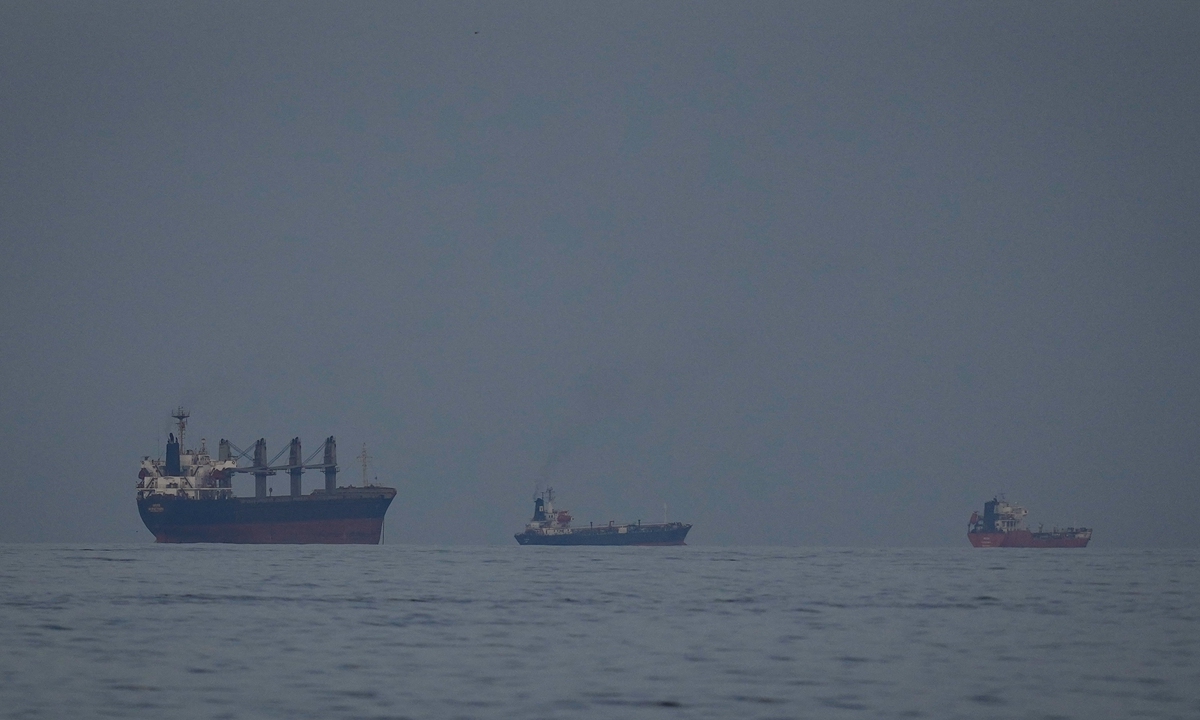
The recent discourse surrounding Greenland's geopolitical significance has drawn attention from multiple national and international entities, each presenting their unique stance on the issue. Sina News reports that Denmark's Foreign Minister, Lars Mussen, countered U.S. President Trump's assertion that Greenland is heavily influenced by Russian and Chinese vessels. Mussen emphasized the autonomy of Greenland in managing its affairs, highlighting a misinterpretation by the U.S.
Meanwhile, Xinhua News underscores a collective statement from five Nordic countries, stressing that matters involving Denmark and Greenland should be independently decided by them. This joint declaration aligns with the principle of respecting international laws and sovereignty, indicating a unified Nordic stance on maintaining regional stability and cooperation.
Sina News further elaborates on the Trump administration's exploration of various options to acquire Greenland, including military measures, despite opposition from some NATO leaders. The U.S. sees this acquisition as a national security priority, reflecting its strategic interest in the Arctic region.
Adding to the narrative, CCTV confirms these discussions, noting that military options are being considered by the U.S. government. This aligns with previous U.S. statements, emphasizing Greenland's importance for national security.
Another Xinhua article reports on a joint statement by leaders from Denmark and six European countries, reiterating that Greenland belongs to its people, and decisions should be made independently by Denmark and Greenland. This reinforces the narrative of sovereignty and international law.
Lastly, CCTV highlights European leaders' focus on Arctic security, stressing the region's strategic importance to Europe and NATO's increased presence. This reflects Europe's commitment to safeguarding Arctic security and countering external pressures.
Overall, these articles collectively reveal a complex geopolitical landscape where national interests, regional stability, and international laws intersect, with Greenland at the center of a multifaceted global discourse.
Divergent Narratives on the Venezuela-U.S. Conflict
The recent U.S. military action in Venezuela has been covered by various international media outlets, each presenting a distinct narrative. Liberty Times highlights the human cost of the operation, noting that a total of 56 people, including 24 Venezuelan and 32 Cuban security personnel, were killed. The report emphasizes the potential for civilian casualties without providing specific numbers, and describes the U.S. military's injuries as relatively minor, with seven soldiers wounded.
In contrast, Radio France Internationale (RFI) reports the Venezuelan interim president's declaration of a seven-day mourning period. This gesture honors those who died defending the nation and former President Maduro. The piece suggests a higher death toll, with estimates ranging from 70 to 80, and underscores Venezuela's resistance to foreign intervention.
Sina provides a detailed account of the deceased, listing 32 Cuban soldiers' names and emphasizing the solidarity among affected nations, including Venezuela, Colombia, Cuba, and Russia, who condemned the U.S. attack. Sina's narrative portrays the event as an aggressive act against sovereign nations, further detailing the Pentagon's acknowledgment of injuries among U.S. troops.
These articles collectively illustrate the complexity and varied perspectives surrounding the conflict. Liberty Times focuses on the immediate military consequences, RFI highlights national resilience and mourning, while Sina emphasizes international condemnation and the broader geopolitical implications. Each outlet's framing reflects its potential intentions, from reporting on human impact and sovereignty to geopolitical resistance.
Corruption Crackdown in China's Construction Sector: A Multifaceted Examination
The recent crackdown on corruption in China's construction sector highlights the complexities and challenges of maintaining integrity within a system where power and resources are concentrated. Sina News reports on the case of Liu, a former official, who leveraged his position to benefit personal connections in securing lucrative construction projects. This case underscores the ease with which officials can exploit their roles for personal gain in sectors with dense capital and resource concentration.
The report details how Liu used his influence from 2015 to 2020, assisting a specific individual, Yuan, in acquiring multiple concrete supply projects. Despite Liu's lack of direct financial benefit from these projects, the narrative examines whether his actions constituted a breach of integrity laws. The investigation revealed Liu's involvement in facilitating these deals, which disrupted market fairness and harmed public interests, necessitating strict legal repercussions.
Furthermore, the article discusses Liu's involvement in securing rental waivers for his wife's business, which further complicates his legal standing. The analysis provided by Sina emphasizes the subjective and objective aspects considered in determining Liu's culpability, highlighting the nuanced legal interpretations required in such cases.
This coverage reflects a broader narrative of anti-corruption efforts within China, illustrating the government's commitment to enforcing strict compliance with integrity laws, even as it grapples with the intricate dynamics of power and influence within its bureaucratic structures.
Political Stakes in U.S. Midterm Elections: A Comparative Analysis of Chinese Media Narratives
Recent events underscore the tense political climate surrounding the U.S. midterm elections, as highlighted by Chinese state media outlets Xinhua and CCTV. Both sources report on President Trump's assertion that a loss in these elections could lead to his impeachment by the Democrats, signaling the high stakes involved.
Xinhua's coverage succinctly presents Trump's remarks during a Republican meeting in Washington, emphasizing his warning that the party must secure victory to avoid providing Democrats with grounds for impeachment. The outlet's straightforward reporting style suggests a focus on conveying the potential political ramifications without delving into partisan perspectives.
Similarly, CCTV reiterates the same core message but expands on the political context, noting the recent passing of Trump's ally, Congressman Doug LaMalfa, and the resignation of Marjorie Taylor Greene from her congressional seat. These developments, according to CCTV, could further weaken the Republican majority, thereby increasing the pressure on Trump and his party. By incorporating these details, CCTV provides a broader narrative that highlights the precariousness of the Republican position in Congress.
These developments indicate that both Xinhua and CCTV aim to portray the U.S. political landscape as one fraught with instability and potential upheaval, possibly reflecting a broader intention to underscore vulnerabilities in U.S. governance. The news highlights the critical nature of the upcoming elections in shaping future political dynamics, with both outlets using concrete examples to underscore the tenuous hold of power currently experienced by the Republicans.
The 'Voluntary Coalition' and Security Guarantees for Ukraine
Recent events show that the 'Voluntary Coalition' has committed to providing security guarantees to Ukraine. In a meeting held in Paris on January 6, reported by Xinhua, leaders and representatives from coalition member countries, including the United States, agreed that any peaceful resolution regarding Ukraine must be based on strong and binding security guarantees. French President Macron emphasized the importance of Ukraine's self-defense capabilities for its future security and broader European stability.
Meanwhile, CCTV highlights that the European Council and the European Commission have reached a consensus on providing robust post-war security guarantees for Ukraine. The statement underlines the need for a political and legal framework to support these guarantees, including a U.S.-led ceasefire monitoring mechanism and long-term military assistance to Ukraine.
These developments indicate a coordinated international effort to ensure Ukraine's sovereignty and security in the face of potential future threats. Both Xinhua and CCTV emphasize the commitment to long-term defense cooperation with Ukraine, including training and intelligence collaboration. It appears that the narratives from both sources reflect a shared understanding of the strategic importance of Ukraine's security to European and transatlantic stability.
Cuban Resistance Against Imperialism: A Unified Narrative from Chinese Media
Recent events show a strong narrative emerging from Chinese media regarding Cuba's stance against perceived imperialism. Both Xinhua and CCTV reported on Cuban Foreign Minister Rodriguez's declarations. He emphasized Cuba's historical commitment to resisting imperial dominance and protecting its sovereignty. These developments indicate a consistent portrayal of the U.S. as a threat to Cuba, highlighting President Trump's alleged ignorance of Cuban affairs and his administration's aggressive policies.
The news highlights Cuba's resolve, with Rodriguez asserting that the Cuban people would sacrifice their lives to defend their homeland. The articles from both sources echo this sentiment, underscoring the deep wounds and despair caused by U.S. economic sanctions and policies.
It appears that both Xinhua and CCTV aim to present a unified front, emphasizing Cuba's resilience and the negative impact of U.S. actions. The articles mention the U.S. military actions in Venezuela and Trump's warnings regarding Cuba's dependency on Venezuelan oil, framing these as part of a broader strategy to undermine Cuban stability.
The consistent messaging across these publications suggests an intention to reinforce solidarity with Cuba against U.S. policies, possibly to strengthen geopolitical alliances. While the stories are nearly identical, their repetition across major outlets could serve to amplify the narrative of resistance and sovereignty.
China's AI Standardization and Regulatory Developments
Recent events show China's strategic move towards leading the global AI standardization efforts. According to Xinhua News, the country has launched a global AI standards library and a technical vocabulary library, marking a shift from following to leading in the AI standardization domain. This initiative aims to build an open, collaborative, and efficient new standardization ecosystem, aligning with China’s ambition to drive technological innovation and industrial development.
Meanwhile, another report from Xinhua highlights the release of a draft for managing AI-simulated interactive services, open for public consultation. This regulatory step underscores the need for clear user awareness when engaging with AI instead of humans. The draft sets boundaries, prohibiting activities that harm national security or disrupt social order, and emphasizes safeguarding user data and rights, especially for vulnerable groups like minors and the elderly.
These developments indicate China's dual approach to AI: advancing technological leadership through standardization and ensuring a robust regulatory framework to manage AI's societal impact. The news highlights China's intent to not only enhance its technological prowess but also maintain control over the ethical and security aspects of AI deployment.
US-India Trade Tensions Over Russian Oil Imports
The ongoing trade tensions between the United States and India have been brought into sharp focus with recent developments surrounding India's purchase of Russian oil. According to Sina News, President Trump has issued a warning to India, emphasizing that failure to limit Russian oil imports could result in increased tariffs on Indian goods. This statement highlights the friction in US-India trade relations, with the potential for tariffs to rise to 50% if India's compliance is not forthcoming. The article underscores that despite these tensions, both nations remain engaged in discussions to resolve the trade disputes, reflecting the complexity of balancing economic interests with geopolitical strategies.
Meanwhile, another report from Sina Finance reveals that the interim Venezuelan government plans to transfer a substantial amount of oil to the US, a move supervised by Trump to ensure the proceeds benefit both Venezuelan and American citizens. This development comes in the wake of a significant US military strike against Venezuelan leadership, demonstrating a strategic pivot in managing oil resources. The narrative here appears to suggest a broader geopolitical maneuver, with the US actively seeking to control Venezuelan oil to bolster its own energy security and economic interests.
Both articles from Sina.cn provide insights into the intertwining of energy politics and international trade, with the US taking a firm stance against countries dealing with Russian and Venezuelan oil. The emphasis on tariffs and strategic oil management indicates a broader US intention to consolidate its influence over global energy supplies while pressuring allies and adversaries alike to align with its geopolitical goals. The coverage from Sina highlights the intricate dance of diplomacy, where economic actions are wielded as tools of international leverage.
China's Infrastructure Investments in Tanzania: A Mixed Narrative
Recent events highlight the complex tapestry of international infrastructure investments, particularly China’s role in Tanzania. An article from Xinhua reports on Tanzanian President Samia Suluhu Hassan's praise for Chinese enterprises, emphasizing their contributions to local socio-economic development. These developments indicate a strategic collaboration, with projects like the pivotal bridge in Dar es Salaam promising to alleviate traffic congestion and boost trade and tourism.
The news underscores the broader implications of such projects, portraying them as a testament to the vibrant Sino-African cooperation. It appears that Tanzania views these initiatives as essential to achieving sustainable economic growth, reflecting a positive narrative about China's influence in the region.
While the article primarily focuses on the economic benefits and infrastructural advancements, it subtly suggests a narrative of dependency, where the success of local economies is intertwined with foreign investments. This perspective can provoke discussions about the long-term impact of such dependencies on national autonomy and economic sovereignty.
In summary, the article from Xinhua provides a comprehensive look at the perceived benefits of Chinese-led projects in Tanzania, painting a picture of mutual benefit and progress. However, it also opens the floor for critical analysis on the complexities of international investments and their lasting effects on host nations.