
Global Crises and Strategic Maneuvers: Campus Shooting; UN Attack; China's Initiatives; US Military in Syria; Sino-Japanese Tensions
Campus Shooting at Brown University: A Comparative Overview of Media Narratives
Recent events at Brown University have drawn significant media attention following a tragic shooting incident. The Liberty Times reports that the shooting resulted in two deaths and eight critical injuries, emphasizing the ongoing manhunt for the shooter. The article highlights the university's immediate response to secure the campus and the expressions of sympathy from U.S. President Donald Trump.
Similarly, CCTV focuses on the unfolding investigation, with Providence Mayor Brett Smiley confirming the casualties and the ongoing search for the suspect. This report underscores the preliminary nature of the information, suggesting that updates may alter the current understanding of events.
Adding to the narrative, Sina offers a broader context by noting multiple shooting incidents in the United States around the same time. The report from World Journal conveys the chaos during the incident, describing the University's emergency alerts and the subsequent search efforts.
In contrast, CGTN provides a detailed account of the University's response, including the lockdown procedures and law enforcement's presence. The narrative here is more focused on the campus community's immediate safety measures.
These developments indicate a concerted effort by various media outlets to cover the incident comprehensively, though the emphasis varies. Liberty Times and World Journal highlight the immediate impact and response, while CCTV and CGTN focus on the procedural aspects of the investigation and the broader implications for campus safety. The varying reports reflect different journalistic priorities, from immediate news updates to broader contextual analysis, providing readers with a multifaceted view of the incident.
Drone Attack on UN Peacekeepers in Sudan: Media Perspectives
Recent events highlight the severity of a drone attack on the United Nations peacekeeping forces in Sudan, a narrative that has been covered by multiple publications with varying emphases. The attack targeted the UNISFA base in Kadugli, resulting in six fatalities and eight injuries among peacekeepers, all of whom were from Mongolia.
CCTV emphasizes the condemnation from UN Secretary-General Antonio Guterres, who described the attack as a potential war crime under international law. The report underscores Guterres' appeal for the Sudanese factions to cease hostilities and engage in dialogue to achieve a sustainable ceasefire.
Sina News provides additional details, noting that the attack involved the firing of three missiles by a rapid support force's drones, which also ignited a UN warehouse. The outlet presents the event as an organized act of terrorism and calls for international measures to safeguard UN personnel and facilities.
Meanwhile, another Sina article reiterates the statements made by Guterres, highlighting the illegitimacy of the attack and the urgent need for accountability. Both Sina articles share a similar tone but differ slightly in focus, with one stressing the attack's tactical aspects and the other the political and legal ramifications.
These developments indicate a unified narrative condemning the aggression against UN forces, yet they reflect differing journalistic priorities: CCTV focuses on the diplomatic response and calls for peace, while Sina News delves into the technicalities and broader implications of the assault.
China's Strategic Initiatives and Economic Outlook: A Comprehensive Analysis
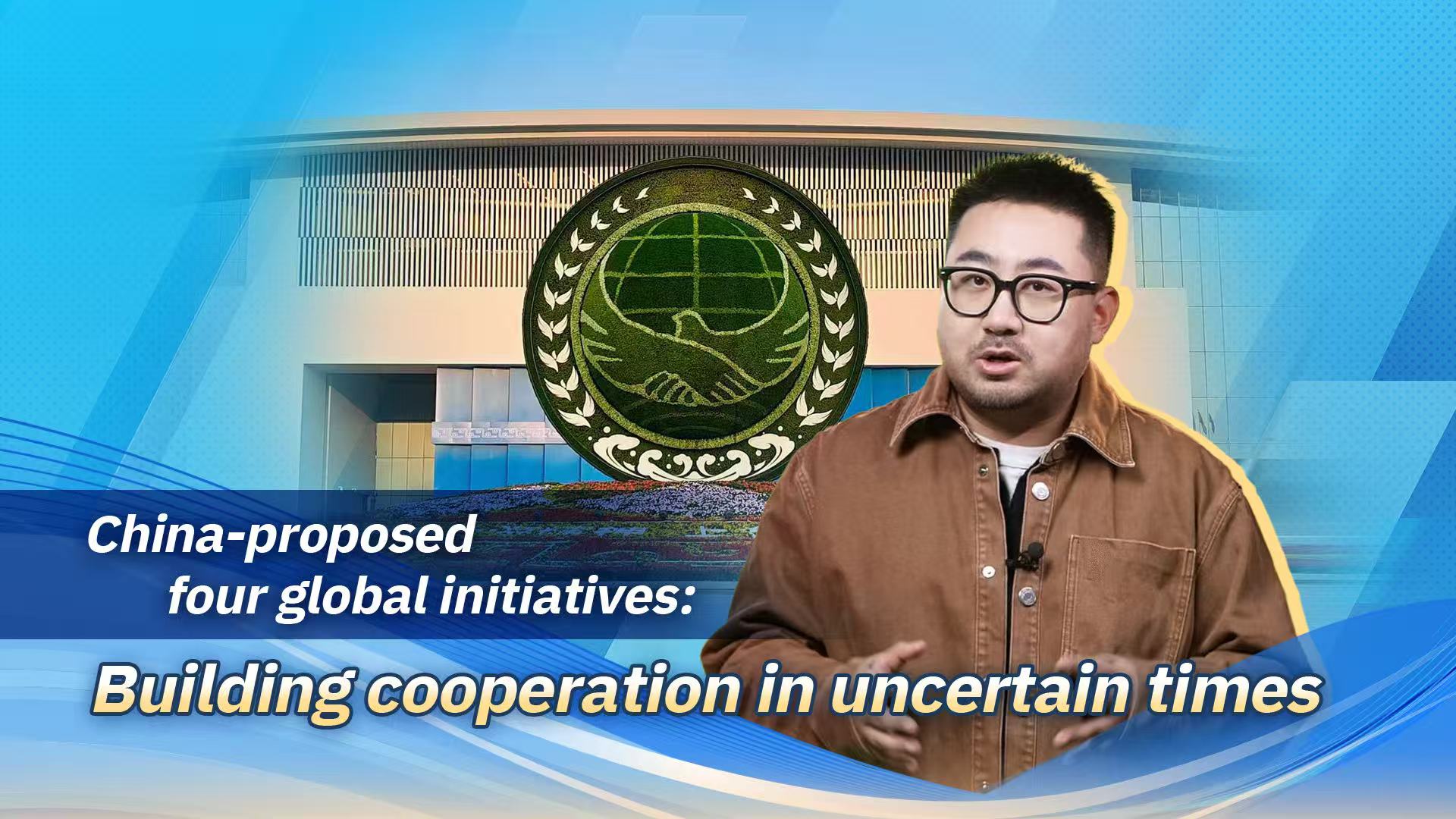
China's recent diplomatic and economic maneuvers are encapsulated in a series of articles that highlight the nation's strategic direction. CGTN reports on the unveiling of the Global Governance Initiative (GGI) at the Shanghai Cooperation Organization summit in Tianjin. This initiative, described as a blueprint for global cooperation, underscores China's commitment to universal peace and common development, aligning with its previous global proposals.
Turning to economic developments, CCTV provides an in-depth look at China's economic strategy, particularly its focus on boosting domestic demand. The emphasis on creating a robust internal market is highlighted as a response to external uncertainties and trade challenges. The article notes China's impressive trade surplus achievements and the role of private enterprises in driving export growth, despite a decrease in exports to the U.S.
Meanwhile, another CCTV piece discusses China's diplomatic engagement through the participation of Xi Jinping's envoy at the "International Peace and Trust Forum" in Ashgabat. This event emphasizes China's commitment to fostering strategic partnerships and mutual cooperation with Turkmenistan, reflecting its broader geopolitical strategy.
While CGTN focuses on China's role in global governance, emphasizing peace and cooperation, CCTV highlights the pragmatic aspects of China's domestic economic policy and its strategic international partnerships. These narratives collectively paint a picture of a nation balancing its global aspirations with domestic imperatives, aiming for a cohesive strategy that aligns its internal growth with its international influence.
Gunman Targets US Military in Syria: Divergent Narratives from Chinese Media
Recent events in Syria have highlighted a significant incident involving a gunman attacking a US military convoy. According to CCTV, the gunman, allegedly holding extremist views, was part of Syria's security forces. The attack occurred in the central province of Homs, resulting in casualties among US soldiers and a civilian interpreter. The Syrian transitional government's Interior Ministry spokesperson, Nurdin Baba, emphasized that the gunman, who was not in a leadership position, might have been influenced by extremist ideologies. The article suggests that warnings about potential attacks by extremist groups like "Islamic State" were ignored by the US.
Similarly, Sina echoes the narrative of a lone gunman with extremist views being responsible for the attack. The publication underscores the ongoing investigation by the Syrian Interior Ministry to ascertain any organizational links to extremist groups. Both sources highlight the Syrian government's condemnation of the attack as an act of terrorism, and the US President's vow for retribution.
These developments indicate differing intentions in the articles' narratives. CCTV's report focuses on the Syrian government's perspective, perhaps aiming to emphasize the internal challenges faced by Syria and the need for international cooperation against terrorism. In contrast, Sina's coverage aligns closely with CCTV but adds more emphasis on the US's response and the geopolitical implications of the attack. The consistent theme between both articles is the attempt to portray the incident as a complex interplay of regional security dynamics and international military presence.
Tensions Rise Amidst Chinese Advisory and Japanese Reaction
Recent events show a palpable tension between China and Japan following a series of earthquakes in Japan, leading to diplomatic advisories and contentious interpretations. On December 12, China's embassy in Japan issued a travel advisory for Chinese citizens, urging them to delay trips to Japan due to safety concerns after significant seismic activity. Citing the Chinese Foreign Ministry's spokesperson, the advisory emphasized the responsibility of protecting citizens abroad (Tencent News).
These developments indicate a complex diplomatic landscape, as the advisory drew mixed reactions from the Japanese public. Some Japanese netizens expressed anger, suggesting that China should focus on expressing condolences to the affected Japanese citizens first. Others viewed the advisory as a rational precaution given the recent natural disasters (Tencent News).
The news highlights another layer of tension with Japan's response to the advisory. The government of Takamatsu City reportedly perceived the advisory as a hostile act, prompting them to urgently contact U.S. counterparts. This action was interpreted as an attempt to align with the U.S. for strategic support, reflecting Japan's broader geopolitical maneuvering against perceived Chinese influence (Tencent News).
It appears that the Chinese advisory was a standard diplomatic measure for citizen safety, yet Japanese officials viewed it through a lens of geopolitical rivalry. This perception fueled further diplomatic friction, as Japan sought to reinforce its strategic alliances with the U.S. The underlying intention seems to be Japan's bid to counter China's regional influence, using the advisory as a pretext for broader strategic dialogues (Tencent News).
Overall, while China's advisory was a routine safety measure, it inadvertently became a catalyst for Japan to highlight and react to perceived regional threats. The contrasting narratives from both sides underscore the fragile nature of Sino-Japanese relations, where even standard diplomatic actions can be fraught with political interpretations.