Global Dynamics 2025: Heists, Elections, Military Tensions; China's Green Innovation and Geopolitical Strategy; Drug Operations and Economic Transformations
Massive Heist in Germany: A Deep Dive Into the Gelsenkirchen Bank Robbery
Recent events highlight a significant bank heist in Gelsenkirchen, Germany, which has captured the attention of various media outlets. The World Journal reports that over the Christmas holidays, burglars drilled into the vault of a Sparkasse savings bank, making off with cash and valuables worth approximately €10 million to €90 million. The heist, described as one of the largest in German history, involved drilling from an underground parking garage into the bank's vault.
In a similar vein, Liberty Times emphasizes the scale of the operation, noting that over 3,000 safety deposit boxes were forcibly opened, resulting in losses estimated at €30 million. The article points out the timing of the robbery during the holidays when banks and stores were closed, suggesting a calculated move by the thieves.
Meanwhile, Xinhua provides a more concise account, reporting that around 3,200 safety deposit boxes were compromised, with the stolen goods valued between €10 million and €90 million. The article highlights the ongoing investigation and the police's recommendation for affected customers to liaise with the bank rather than file individual reports.
These developments indicate a sophisticated operation with a significant impact on the local community, as evidenced by the hundreds of affected customers demanding answers outside the bank. The disparity in reported figures across different sources may reflect the complexity of the investigation and the evolving understanding of the heist's full impact. The news highlights the vulnerabilities in bank security, prompting discussions on preventive measures and the implications of such a high-profile theft.
Elections in Guinea: A Tale of Two Narratives
Recent events show a stark contrast in the portrayal of Guinea's presidential election results by different media outlets. Liberty Times (ltn.com.tw) highlights the military government leader Mamady Doumbouya's overwhelming victory, securing 86.72% of the votes amid the absence of major opposition figures. The narrative underscores Doumbouya's previous promise not to run, contrasting it with his current triumph. The article also emphasizes Guinea's rich natural resources, such as bauxite and iron ore, suggesting that Doumbouya's leadership may further the country's economic interests.
The news from Xinhua (news.cn) similarly reports Doumbouya's victory but focuses on the electoral process's smooth execution. It notes the high voter turnout, over 80%, and the absence of significant security incidents during the elections. The article provides a more neutral tone, highlighting the election's overall peaceful and orderly conduct, which is acknowledged by political figures and observers alike.
These developments indicate that while both sources agree on the election's outcome, their narratives differ in focus. Liberty Times provides a critical lens on Doumbouya's political maneuvers and the geopolitical implications of Guinea's resources, whereas Xinhua frames the election as a procedural success, emphasizing stability and order.
The Debate Over U.S. Military Presence in Ukraine: A Multi-Layered Perspective
The recent discussions surrounding the potential deployment of U.S. military forces to Ukraine have been a focal point in international news, with different publications offering varied narratives on the subject. Xinhua, a Chinese state-run news agency, emphasizes the ongoing deliberations between Ukraine, the United States, and European nations. Ukrainian President Volodymyr Zelenskyy is reportedly negotiating with U.S. President Joe Biden and representatives from European 'volunteer coalition' countries about the feasibility of stationing U.S. troops in Ukraine as part of a security framework. The final decision, as noted by Zelenskyy, will ultimately rest with the United States.
In contrast, World Journal presents a more comprehensive view of Zelenskyy's diplomatic maneuvers, highlighting his openness to meeting with Russian President Vladimir Putin in any form to end the conflict sparked by Russia's 2022 invasion. This source also sheds light on the internal dynamics of the negotiations, with Zelenskyy actively communicating through platforms like WhatsApp to maintain dialogue with Western allies and underscore the importance of U.S. military presence as a critical security measure for Ukraine. Additionally, the report mentions that while the U.S. shows cautious support, European countries are expected to shoulder a significant part of the responsibilities under U.S. backing.
These developments illustrate a complex geopolitical landscape where Ukraine is at the center of a delicate balance between securing international military support and pursuing diplomatic resolutions with Russia. The contrast in reporting between Xinhua and World Journal may reflect differing editorial priorities and geopolitical stances, with Xinhua focusing on the procedural aspects of international discussions, while World Journal provides a broader narrative that includes potential diplomatic engagements with Russia.
China's Green Transformation: Energy and Automotive Innovations
Recent events show China's steadfast commitment to a green transformation, as illustrated by two prominent articles on Sina. The first article highlights the energy sector's pivotal role in China's economic and social development. It focuses on the efforts of the China Datang Corporation, which has been advancing an ecological priority and green, low-carbon development path over the past five years. The company has significantly expanded its clean energy capacity, with wind turbines and solar panels spreading across diverse landscapes, from the eastern seas to the snowy highlands of Tibet. The article underscores Datang's strategic initiatives, such as the construction of large-scale wind and solar power bases, and the successful implementation of innovative projects like solar power stations in tidal zones, which have revitalized previously barren lands.
These developments indicate China's broader ambition to ensure energy security and promote a green revolution. The narrative suggests a strong national push towards reducing carbon emissions and supporting the country's energy transition, reflecting China's commitment to achieving its 'dual carbon' goals. The publication's tone is optimistic, emphasizing the transformative impact of these projects on both the environment and local economies.
Meanwhile, the second article from Sina focuses on the automotive industry, particularly the advancements made by China First Automobile Works (FAW). It highlights the company's strategic shift towards electrification and digitalization in the face of global automotive industry transformations. FAW has been pioneering in technology innovation, aiming to break through key core technologies and enhance its competitive edge. The article describes FAW's efforts to establish a global R&D network, develop intelligent energy systems, and integrate AI technology into its operations. The emphasis on smart manufacturing and the introduction of new energy vehicles align with China's larger green transition goals.
The news highlights FAW's strategic initiatives, such as the development of a comprehensive green manufacturing system and the establishment of zero-carbon factories, which are expected to significantly reduce carbon emissions by 2025. The tone of this narrative is assertive, portraying FAW as a leader in the green automotive revolution and emphasizing its role in enhancing China's global competitiveness in the automotive sector.
It appears that both articles from Sina share a common theme of showcasing China's commitment to sustainable development and innovation. While the first article focuses on the energy sector's role in achieving this transformation, the second highlights the automotive industry's contributions. The publications likely aim to reinforce China's image as a leader in green technology and sustainable practices, aligning with national goals and international expectations.
Venezuela's Anti-Drug Operations: Divergent Narratives
Recent events showcase Venezuela's intensified efforts against drug trafficking, with different publications offering varied perspectives on the developments. Xinhua reports that Venezuelan President Maduro highlighted the military's success in intercepting nine drug-trafficking planes within 24 hours, setting a new record. This narrative emphasizes Venezuela's vigilance and determination to combat illegal activities, portraying the country as a proactive force against cross-border crime. Maduro's statement underscores the nation's commitment to preventing its territory from becoming a hub for international crime.
Conversely, Liberty Times presents a more complex picture, detailing a U.S. military operation against alleged drug trafficking vessels in international waters, reportedly linked to Venezuelan drug syndicates. This account highlights the involvement of U.S. forces, suggesting a broader geopolitical dimension to the anti-drug efforts. The report hints at clandestine operations possibly orchestrated by the CIA, reflecting an underlying tension between the U.S. and Venezuela. The narrative also notes the potential strategic implications of these actions, framing them as part of a larger U.S. strategy to pressure the Maduro regime.
These developments indicate a multifaceted approach to tackling drug trafficking in the region, with Venezuela's internal narrative focusing on national sovereignty and success, while international perspectives highlight external interventions and strategic maneuvers. The contrast between Xinhua's portrayal of Venezuelan self-reliance and Liberty Times' emphasis on U.S. involvement underscores differing geopolitical intentions and the complexity of international relations in addressing drug trafficking.
Tensions Rise: China's Military Exercises Around Taiwan and International Reactions
Recent events show China's intensified military exercises around Taiwan, emphasizing their strategic focus on countering 'Taiwan independence' forces. According to Sina, the People's Liberation Army (PLA) conducted the 'Justice Mission-2025' drill, sending a clear message against separatist forces and foreign interference. The exercises featured precise targeting and blockade simulations, highlighting China's capability to isolate Taiwan militarily. The coverage underscores China's narrative of maintaining national sovereignty and counteracting external forces.
The news highlights the international response, with the World Journal reporting on the UK's call for restraint. The UK Foreign Office urged all parties to avoid actions that could damage peace and stability in the Taiwan Strait. This statement reflects broader concerns about escalating tensions and their potential impact on global security and economic stability. The UK's emphasis on dialogue and peaceful resolution contrasts with China's assertive military posture, as reported by Sina.
These developments indicate varied international perspectives on the issue. While China's media presents the exercises as a necessary measure to ensure national unity and deter external threats, international outlets like the World Journal focus on the broader implications of military maneuvers for regional and global stability. Such contrasting narratives reveal underlying geopolitical tensions and the complex dynamics at play in the Taiwan Strait.
Geopolitical Shifts in 2025: A Comparative Analysis of Chinese Media Narratives
Recent events show a complex geopolitical landscape as we head into 2025. CCTV highlights China's internal progress and the completion of significant milestones under Xi Jinping's leadership. The narrative focuses on China's steady governance and strategic advancements, portraying a year of substantial achievement and stability.
In contrast, Xinhua provides a broader view of the global stage, emphasizing the tumultuous developments in the Eurasian region. These developments indicate ongoing tensions, particularly the enduring conflict between Russia and Ukraine, where Russia maintains control over numerous territories, and Ukraine continues to resist with international support. The narrative suggests a persistent geopolitical struggle, with significant implications for global stability.
The news highlights divergent approaches to regional cooperation. Xinhua's coverage of the evolving dynamics in Central Asia underscores efforts at economic integration and regional cooperation, as countries seek to enhance connectivity and mutual development amidst global challenges. This contrasts with CCTV's more inward-looking perspective, which focuses on domestic progress and leadership.
It appears that both publications aim to project China's image as a stable and progressive nation, capable of navigating complex international environments. However, while CCTV underscores domestic achievements and political stability, Xinhua's broader geopolitical focus suggests a narrative of China as a key player in fostering regional cooperation and addressing global challenges.
China's Influence and Diplomacy: A 2025 Overview
Recent events show China's strategic positioning on the world stage, as highlighted by two distinct reports from Sina and Xinhua. Sina's article emphasizes China's historical pain of non-unification, drawing a parallel with Israel's experiences. This narrative seeks to foster empathy and understanding of China's position, especially concerning Taiwan, by likening it to Israel's struggles.
In contrast, Xinhua's comprehensive year-end review paints a broader picture of China's global engagement. It highlights China's diplomatic efforts and economic initiatives, portraying the country as a stabilizing force amid global upheaval. The report underscores China's commitment to multilateralism and economic cooperation, mentioning its hosting of the upcoming Asia-Pacific Economic Cooperation meeting in Shenzhen. By focusing on economic miracles like Shenzhen's transformation, Xinhua conveys the message of China's developmental success and its model of openness, mutual benefit, and cooperation.
These developments indicate a concerted effort by Chinese media to project a narrative of strength, resilience, and leadership. While Sina's piece is more introspective, appealing to shared historical grievances, Xinhua's article projects confidence in China's role in shaping a new global order. It appears that both publications aim to bolster China's image as a responsible global actor, with Sina focusing on solidarity and Xinhua on leadership and development.
2025: A Year of Transformation in China’s Economic and Technological Landscape
Recent events showcase a dynamic transformation across various sectors in China, with efforts focused on modernization and innovation. In the article titled 2025, 19 Cities Illuminate New Henan, Sina.cn highlights the ambitious development plans for Henan province, emphasizing the region's modernization and innovation strategies. The narrative is filled with optimism as Henan's 19 cities are described as 'stars' that will contribute to China's modernization. The article outlines the province's focus on industrial upgrading and technological innovation, underscoring a commitment to deepening reforms and expanding openness.
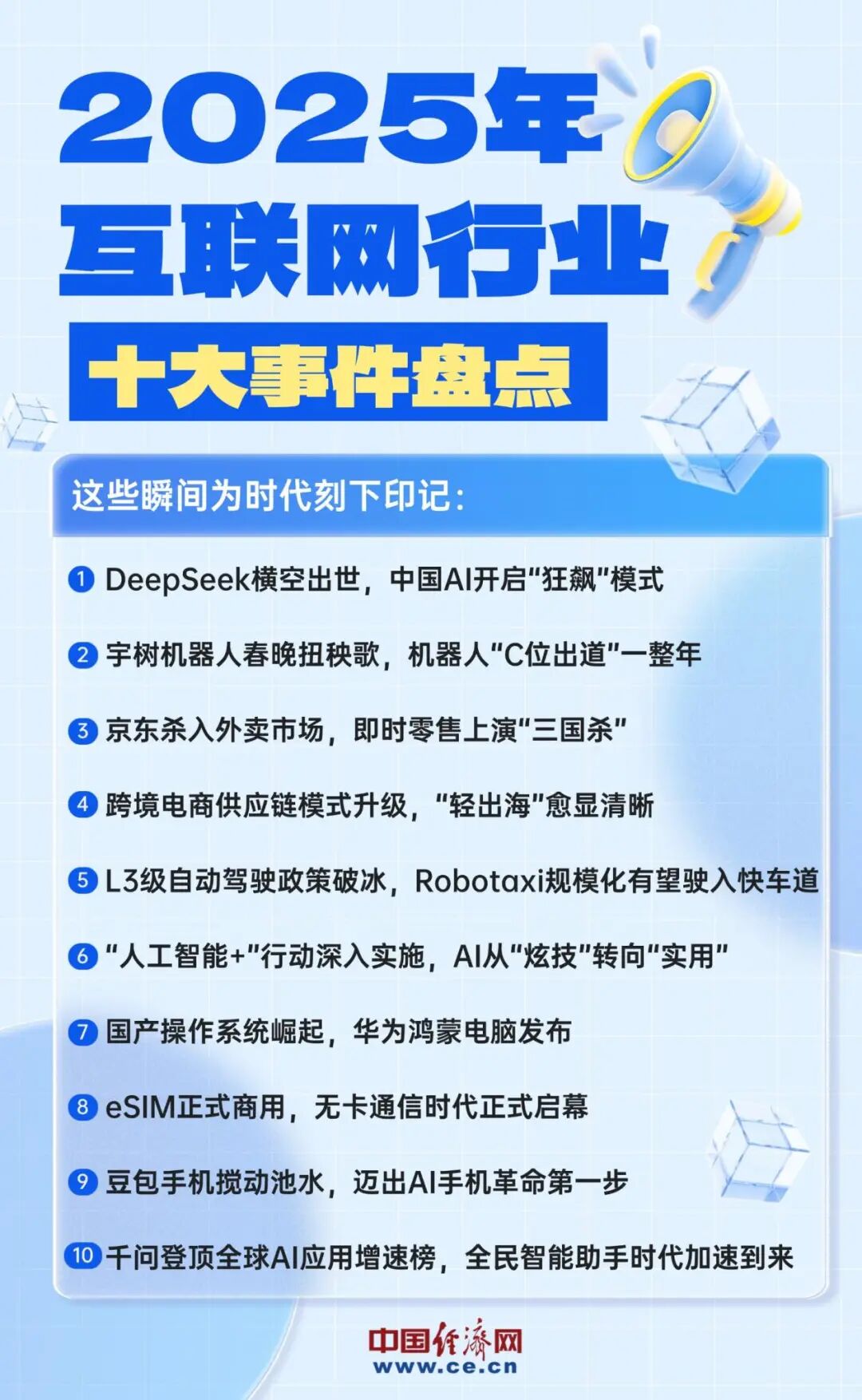
In contrast, the article 2025 Internet Industry's Top Ten Events: Hangzhou Takes Three Seats from Sina.cn's finance section delves into China's technological advancements, particularly in AI and e-commerce. It appears that the publication aims to highlight China's growing prowess in technology, noting groundbreaking achievements like DeepSeek's AI model and the rise of humanoid robots in popular media. The article also discusses the competitive landscape of e-commerce, illustrating how platforms like JD.com are reshaping market dynamics.
These developments indicate a concerted effort by Chinese authorities and industries to position the country as a leader in both economic modernization and technological innovation. The Sina.cn articles collectively paint a picture of a nation striving for excellence in various domains, from regional development in Henan to technological breakthroughs on a national scale. While the Henan-focused article is more regionally oriented and optimistic, the technology-centered piece underscores a competitive and rapidly evolving tech sector.