
Global Dynamics: Ceasefire in Gaza; China's Rare Earth Strategy; Sino-North Korean Ties; Women's Empowerment; Aviation Safety; U.S. Political Gridlock
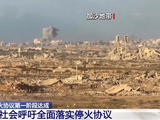
Diverse Perspectives on the Israel-Gaza Ceasefire Agreement
Amid escalating tensions, multiple media outlets have reported on the recent ceasefire agreement between Israel and Hamas. World Journal emphasizes the immediate steps towards peace, highlighting the temporary ceasefire and subsequent release of hostages. It underscores the international guarantees received by Hamas, claiming an 'end to the war.' This narrative suggests a focus on the potential for lasting peace and the immediate humanitarian benefits of the agreement.
In contrast, Sina covers the same topic by highlighting the international community's call for a full implementation of the ceasefire. It places an emphasis on the role of the United Nations and other global actors in ensuring humanitarian aid reaches the Gaza Strip, indicating a broader international responsibility in stabilizing the region.
United Daily News provides a detailed breakdown of the ceasefire terms, noting the structured release of hostages and the phased military withdrawal. The publication points out the logistical steps involved, suggesting a focus on the operational aspects of the agreement and the practicalities of its implementation.
CCTV reports on the formal publication of the ceasefire document, detailing the commitments from both sides to cease hostilities and facilitate humanitarian aid. This coverage underscores the formal diplomatic actions taken and the importance of transparency and accountability in the process.
Overall, these articles collectively illustrate a multifaceted narrative surrounding the ceasefire agreement. While some sources highlight the immediate humanitarian outcomes and the potential for lasting peace, others emphasize the operational and international dimensions of the agreement, reflecting varied editorial intentions and perspectives on the issue.
China's Escalating Rare Earth Export Controls: A Multi-Source Analysis
Recent events show China's strategic tightening of rare earth export controls, with implications for global industries reliant on these materials. United Daily News (UDN) highlights China's move to strengthen export regulations as a prelude to the upcoming Xi-Trump meeting. This article offers a broad overview, suggesting that the timing of these controls is strategic, potentially leveraging China's rare earth dominance as a bargaining chip in geopolitical negotiations.
In contrast, Radio France Internationale (RFI) provides a detailed analysis of the new measures, noting that Beijing's aggressive stance is a calculated maneuver in the ongoing U.S.-China power struggle. The article points out that while the U.S. holds technological advantages in semiconductor production, China commands the rare earth sector, which is critical for various high-tech applications.
These developments indicate a deliberate show of strength by China, as RFI notes, especially with China's Ministry of Commerce announcing immediate restrictions citing "national security". This reflects a broader strategy to curb foreign dependency on Chinese rare earths, a sentiment echoed in both articles. However, RFI emphasizes the global repercussions, noting that foreign companies relying on even minimal amounts of Chinese rare earths must seek export permits, a move that could disrupt supply chains.
It appears that Beijing's policy adjustments are not merely reactive but part of a larger strategic posture ahead of significant diplomatic engagements. As UDN suggests, the timing aligns with key diplomatic events, potentially using these restrictions as leverage. Meanwhile, RFI underscores the broader implications for international relations, drawing parallels with U.S. export control practices.
In summary, both UDN and RFI offer valuable insights into China's rare earth strategy, each with distinct emphasis. UDN frames the narrative around geopolitical timing, while RFI delves into the strategic depth and international ramifications, painting a comprehensive picture of this evolving issue.
Strengthening Sino-North Korean Relations: Diplomatic Engagements and Strategic Intentions
Recent diplomatic engagements between China and North Korea underscore a concerted effort to fortify bilateral relations. Xinhua reports on a meeting between Chinese Premier Li Qiang and North Korean leader Kim Jong Un, emphasizing China's strategic perspective on maintaining and developing a traditional cooperative relationship with North Korea. This meeting highlighted the commemoration of the 80th anniversary of the founding of the Workers' Party of Korea, where Li conveyed President Xi Jinping’s warm regards and good wishes to Kim.
The Chinese government's stance, as detailed in the Foreign Ministry of China, is to enhance high-level exchanges and strategic communication with North Korea. The narrative presented by both sources aligns closely, suggesting a mutual commitment to deepening cooperation across various domains, including regional peace and stability. Both articles emphasize the importance of adhering to the shared guidance of the two countries' top leaders to drive bilateral relations forward.
It appears that these developments indicate a strategic move by China to consolidate its influence in the Korean Peninsula. The emphasis on multilateral cooperation and the promotion of a fair and reasonable international order reflects China's broader geopolitical intentions. While both articles from Xinhua and the Foreign Ministry of China are consistent in their messaging, they serve to reinforce China’s diplomatic narrative of friendship and strategic partnership with North Korea, amid changing international dynamics.
Global Women's Summit: A New Chapter in Women's Empowerment
The CCTV article highlights the upcoming Global Women's Summit in Beijing, emphasizing China's pivotal role under President Xi Jinping's leadership. It reflects on the 30th anniversary of the Beijing World Conference on Women, a landmark event in global gender equality efforts. The summit aims to foster sustainable development and empower women worldwide through strategic cooperation and policy frameworks.
Similarly, Sina covers the same event, underscoring the historical significance of the 1995 Beijing Conference and China's ongoing commitment to gender equality. Both articles highlight China's leadership in women's issues, referencing Xi's advocacy for integrating gender considerations into public policies and promoting global collaboration.
While both sources narrate the event's importance, CCTV places more emphasis on China's historical contributions and leadership, portraying the nation as a guiding force in global women's affairs. Sina, on the other hand, provides a broader overview, including international recognition of China's efforts, particularly in fostering gender equality and economic development.
These developments indicate a concerted effort by China to position itself as a leader in gender equality on the global stage, leveraging historical milestones and current initiatives to drive forward the agenda of women's empowerment.
Recent Aircraft Crashes Highlight Safety Concerns
Recent events show a concerning trend in aviation safety with two separate aircraft incidents reported by CCTV News, highlighting the risks involved in military and civilian aviation alike.
In the first incident, a Russian MiG-31 fighter jet crashed in the forests of Lipetsk, Russia, as reported by CCTV. The pilot successfully ejected and survived without life-threatening injuries. The crash occurred after a routine flight training session, with preliminary investigations pointing to landing gear failure as the cause. Fortunately, the crash site was outside residential areas, preventing any ground infrastructure damage.
Meanwhile, in Slovakia, a separate incident involved a small aircraft, identified as a WT9 Dynamic, crashing in the Bistrica region, resulting in the death of the pilot. As reported by CCTV, local emergency services confirmed the fatality and are currently investigating the cause of the crash. The aircraft went down in a forested area, which complicated rescue efforts.
These developments indicate a shared theme of pilot safety and mechanical reliability in aviation. While the MiG-31 incident underscores the importance of equipment maintenance in military operations, the Slovakian crash highlights challenges in general aviation safety. Both stories reflect a broader narrative of aviation risk, albeit from different operational contexts.
U.S. Congress Faces Deadlock Over Funding Bill
The recent events in the U.S. Congress highlight a continuing deadlock over government funding, as reported by CCTV. The Republican-proposed bill aimed at ending the government shutdown failed to secure enough votes, leaving the situation unresolved. President Trump has indicated plans to cut Democrat-favored programs, though specifics remain undisclosed. His recent statements suggest a strategic focus on reducing Democratic initiatives, potentially as a leverage tactic.
Meanwhile, another report from CCTV mentions that the Democratic version of the interim funding bill also failed to pass in the House. The article notes that the next step involves a vote on the Republican interim funding bill, which aims to finance the government until the end of November. This ongoing legislative impasse underscores the deep partisan divide in U.S. politics, with both parties struggling to find common ground.
It appears that CCTV's coverage of these developments focuses on the narrative of political gridlock, emphasizing the challenges faced by the U.S. government in reaching a resolution. The reports suggest a critical view of the political maneuvering involved, particularly highlighting the implications of President Trump's strategy to focus budget cuts on Democratic programs.