Global Geopolitics and Economic Strategies; Food Safety Crisis; Energy Security in China; AI Collaborations; Cultural Preservation; Iran Nuclear Issue
Diplomatic Moves: UK-China Relations and the G20 Summit
Recent events show a notable diplomatic engagement between the UK and China, alongside China's active participation in the G20 Summit. Liberty Times reports that UK Prime Minister Keir Starmer is considering a visit to China early next year, which would mark the first such visit by a sitting UK Prime Minister since 2018. This potential visit is set against the backdrop of the controversial new Chinese embassy project in the UK, which has faced scrutiny over national security concerns due to its proximity to sensitive communication infrastructure. Despite these concerns, UK intelligence agencies have indicated that the risks are manageable.
It appears that the UK aims to enhance bilateral relations, as underscored by recent visits from various UK ministers to China. This indicates a strategic pivot towards a more pragmatic relationship, notwithstanding ongoing debates over sensitive issues like the embassy project and Chinese investments in critical UK industries.
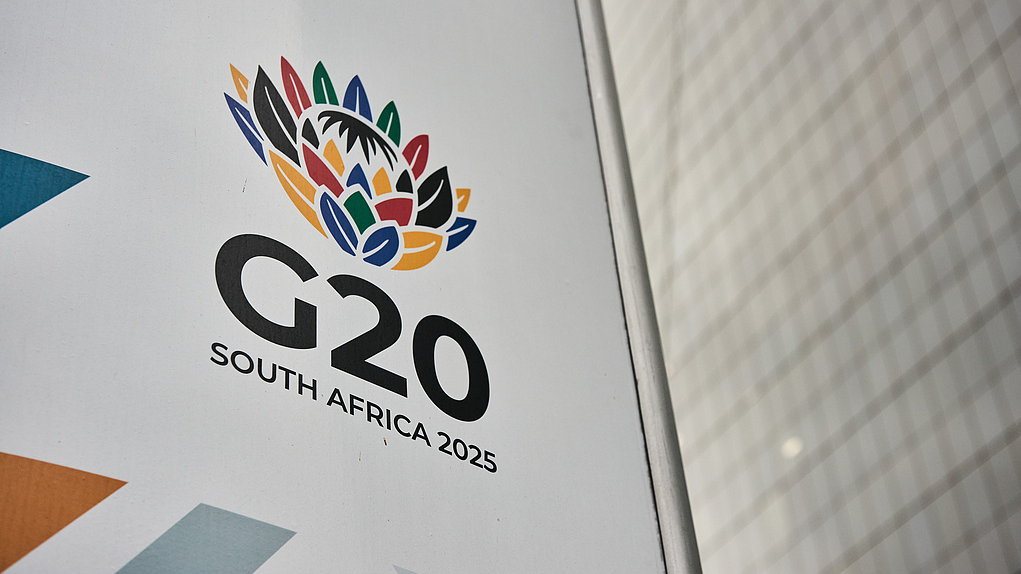
In parallel, the CGTN highlights China's diplomatic efforts on the global stage, with Premier Li Qiang attending the G20 Summit in South Africa. This summit marks a historic moment as the first G20 meeting on African soil. China's support for South Africa's presidency and its emphasis on multilateralism and cooperation reflect its commitment to shaping global economic and development policies.
These developments indicate a broader narrative of China seeking to strengthen its international influence while the UK navigates its complex relationship with China. Both stories underscore the intricate dance of diplomacy where strategic interests and geopolitical concerns intersect, offering insights into how both nations are positioning themselves on the world stage.
Food Poisoning Incident at German Medical Equipment Expo
Recent events at the 2025 Düsseldorf International Medical Equipment Expo have highlighted a significant food safety issue affecting Chinese exhibitors. An extensive food poisoning incident occurred, with over 200 Chinese participants falling ill after consuming meals provided by a local restaurant, 'Brother's Grill'. The Sina report details the chaos, emphasizing the high price of the meals and the severity of the symptoms, with some individuals experiencing vomiting over 40 times in one night.
This development indicates a critical lapse in food safety protocols, as the restaurant admitted to inadequate cooking of the meat due to time constraints. 'Brother's Grill' issued an apology on social media, acknowledging their operational errors but failing to address the underlying food poisoning issue, which has left many affected parties dissatisfied.
The news highlights the swift response from the Chinese Consulate in Düsseldorf, as reported by Xinhua. The consulate intervened promptly, coordinating with the affected exhibitors and demanding the restaurant take immediate corrective actions. They have also established a task force to monitor the situation's progress.
It appears that while both Sina and Xinhua cover the same incident, their narratives differ. Sina focuses on the scale of the incident and public dissatisfaction, using vivid anecdotes from affected individuals to underscore the severity. In contrast, Xinhua underscores the consulate's active role in managing the crisis, reflecting a more diplomatic stance aimed at reassuring stakeholders of the authorities' competency.
Energy Security and Winter Preparedness in China
Recent events highlight China's proactive measures to ensure energy security during the winter months. The article from Sina details how the State Grid Corporation of China has implemented comprehensive strategies to manage the increased demand for electricity and heating due to the country's first nationwide cold snap this winter. The measures include 82 key projects aimed at enhancing power supply capabilities across various regions, such as Jiangsu and Xinjiang, with an expected increase in capacity by 30 million kilowatts by the end of the year. The emphasis on strengthening power grid infrastructure and optimizing resource allocation is evident, as the State Grid aims to ensure reliable operation and electricity supply.
The news also underscores the significant role of new energy sources in the energy mix. In Jilin, for instance, new energy sources like wind and solar power have substantially contributed to meeting peak electricity demands, with new energy generation accounting for about 30% of the load on certain days.
Complementing these efforts, another Sina article discusses the successful implementation of the "Warm Core No.1" nuclear heating project in Rongcheng, Shandong. The project, which began construction in December 2021, employs innovative heating technologies that significantly enhance heating capacity and reliability. It is expected to save substantial amounts of coal and reduce emissions, thereby improving the local environment.
These developments indicate a concerted effort by Chinese authorities to bolster energy security and environmental sustainability. The narrative across both articles from Sina emphasizes China's strategic planning and technological innovation in addressing seasonal energy challenges.
China's Seafood Import Ban: Diverging Perspectives and Strategic Implications
Recent events show a renewed focus on China’s strategic use of economic leverage, particularly in its decision to reimpose a ban on Japanese seafood imports. World Journal highlights the immediate impact on Japan’s seafood industry, emphasizing the challenges faced by exporters due to the sudden halt in trade. The article details how Japanese businesses have been compelled to explore alternative markets like the United States and the European Union, reflecting a strategic pivot in response to China's unpredictable trade policies.
These developments indicate a broader geopolitical maneuvering, as Liberty Times underscores the political undertones of the ban, linking it directly to Japan's political statements regarding Taiwan. The publication suggests that China's actions are a calculated response to Japan's perceived political provocations, with implications that extend beyond mere trade disagreements to touch on sensitive geopolitical issues.
The news highlights the resilience of Japanese exporters, who have diversified their markets to mitigate the risks associated with dependency on China. Both articles note that despite the economic pressure, Japan's seafood industry has adapted by investing in technology and infrastructure improvements to reduce reliance on Chinese processing facilities.
It appears that the narratives from these publications reflect differing priorities and perspectives. World Journal focuses on the economic consequences and industry adaptations, while Liberty Times emphasizes the geopolitical and strategic dimensions of China’s actions. This divergence underscores how media outlets can frame similar events in varied lights, each highlighting different facets of a complex international issue.
No Articles to Summarize
No articles were provided for summarization and analysis. Please provide a list of articles to generate a summary.
Cultural Revival and Preservation in China: A Tale of Two Cities
Recent events show a significant focus on cultural preservation and revival in China, as highlighted by two prominent articles from Sina News. The first article discusses Xi Jinping's visit to Lijiang Ancient City, emphasizing the importance of preserving its rich cultural heritage while promoting development. Xi's emphasis on safeguarding the unique blend of ethnic characteristics and natural beauty signals a broader intention to maintain cultural identity amid modernization. This narrative underscores the value of cultural landmarks as pillars of national pride and historical continuity.
These developments indicate a parallel narrative in the second article, which focuses on the Chinese opera sector's rejuvenation. The article from Sina News highlights the role of the China Academy of Drama in nurturing talent and fostering innovation in traditional arts. Through strategic initiatives like the "Liu Changya Flower Dan Performance Talent Training," the academy aims to sustain and elevate Chinese opera. This reflects a commitment to cultural education as a means of preserving traditional arts while adapting to contemporary tastes.
The news highlights the Chinese government's strategic approach to cultural heritage, balancing preservation with development. While the Lijiang Ancient City article focuses on physical and historical preservation, the drama academy piece emphasizes human capital and artistic innovation. It appears that both narratives serve to reinforce a message of cultural continuity and resilience, aligning with broader national goals of cultural confidence and identity.
Divergent Views on the Iran Nuclear Issue: A Global Perspective
Recent events show a stark contrast in international perspectives regarding the Iran nuclear issue. Xinhua reports that China has emphasized diplomacy over military action, criticizing the aggressive stances of the U.S., UK, France, and Germany. These countries are pushing for a rapid reinstatement of sanctions, which China argues undermines cooperative efforts between Iran and the International Atomic Energy Agency (IAEA).
The news highlights China's call for respect towards Iran's rights under the Nuclear Non-Proliferation Treaty and its peaceful nuclear energy use. It appears that the Chinese narrative is focused on fostering dialogue within the IAEA framework to resolve issues amicably, as opposed to escalating tensions through opposition-driven resolutions.
These developments indicate a division in international response, with countries like Russia and China opposing the decision, while others like Brazil, South Africa, India, and Egypt abstain, reflecting a broader geopolitical rift. The contrasting narratives underscore the complexity of global diplomacy and the varied interests at play in addressing nuclear proliferation.
Strategic Collaborations in AI Infrastructure: A Deep Dive into OpenAI and Honghai's Partnership
Recent events show a significant collaboration between OpenAI and Honghai, as reported by Liberty Times. This partnership focuses on the next generation of AI infrastructure, emphasizing design and manufacturing in the United States. The alliance aims to strengthen local supply chains and support the U.S.'s leading position in AI technology. Notably, OpenAI will contribute insights into hardware demands, aiding Honghai's design and production efforts.
These developments indicate a strategic move to bolster U.S. manufacturing capabilities, aligning with broader national goals of reindustrialization. OpenAI's CEO, Sam Altman, highlighted this as a pivotal step for ensuring core AI technologies are domestically produced, enhancing America's leadership role. Meanwhile, Honghai's chairman, Liu Yangwei, emphasized leveraging their manufacturing expertise to accelerate innovation and expand global access to transformative AI capabilities.
The news highlights the dual focus on creating advanced data centers and simplifying the AI supply chain within the U.S., promising increased reliability and deployment speed. This collaboration is poised to meet the evolving demands of AI with scalable and flexible infrastructure, ultimately benefiting economic efficiency and operational needs.