Global Greetings to China; Robotics at Spring Festival; US-Iran Talks; Ukraine's China Pivot; India's AI Ambitions
Global Leaders Extend New Year Greetings to China, Highlighting Strategic Partnerships and Global Implications
The recent wave of international New Year greetings to China reflects a broader geopolitical strategy that underscores the importance of China's global relationships and influence. Various leaders and organizations have extended their well-wishes, highlighting the strategic alliances and cooperative initiatives that are poised to shape international dynamics in the coming year.
Sina News emphasizes the symbolism of the horse year, often associated with strength and progress, as conveyed by Xi Jinping's New Year message. This narrative aligns with China's domestic goals of stability and prosperity, which have international implications for global markets and economic policies, especially as China continues to assert its influence in global trade and technology sectors.
Xinhua reports on the extensive congratulatory messages from world leaders, including Russia, Brazil, South Africa, and Saudi Arabia, among others. These messages are not mere formalities but reflect deepening strategic partnerships, particularly with countries participating in initiatives like the Belt and Road or those involved in energy and trade partnerships. The emphasis on cooperation and mutual prosperity highlights how China's bilateral relationships are critical to its foreign policy strategy, which in turn impacts global trade flows and geopolitical alignments.
The Xinhua report on the congratulatory message from the President of the Micronesian Federation underscores the emphasis on strengthening bilateral ties and shared goals. This reflects China's broader strategy of engaging with smaller nations to enhance its global influence, which has implications for regional security dynamics and economic cooperation frameworks.
Meanwhile, Tencent's coverage of Japan's Prime Minister Fumio Kishida's New Year message highlights the energy and action associated with the horse year, expressing hopes for peace and prosperity. Japan's engagement with China, despite historical tensions, is crucial for regional stability and economic collaboration in the Asia-Pacific, particularly as both nations navigate complex trade relationships with Western countries.
Overall, these narratives from different publications illustrate how China's New Year celebrations serve as a platform for reinforcing international partnerships and projecting its diplomatic priorities. For global investors and policymakers, these developments indicate potential shifts in trade policies, investment opportunities, and strategic alliances that could influence global markets and international relations.
China's Spring Festival Gala Showcases Advanced Robotics: Implications for Global Tech and Business
The recent Spring Festival Gala, a major cultural event in China, prominently featured advanced robotics, highlighting the intersection of technology and performance art. This year's gala underscored China's advancements in robotics, with companies like Unitree Robotics and others showcasing their latest intelligent robots. These performances not only captivated domestic audiences but also drew significant attention internationally, emphasizing China's rapid technological progress and its implications for global markets.
Sina Finance reported on the intentional design behind the robots' performances, including a moment where a robot appeared to fall but quickly stood up, demonstrating agility and resilience. This narrative serves to underscore the sophistication of Chinese robotics and the potential for such technology to be integrated into various sectors, from entertainment to industrial applications. For international businesses and investors, these developments signal a growing competitive edge in China's technology sector, which could influence global supply chains and investment strategies.
Another article from Sina News delved into the behind-the-scenes efforts of the directors and robotics teams, revealing the meticulous planning required to achieve such seamless performances. The emphasis on innovation and technical prowess reflects China's broader strategic goals to position itself as a leader in AI and robotics. This is particularly relevant for policymakers in the US and EU, who may need to adjust their technology and trade policies in response to China's accelerating advancements.
Additionally, another piece highlighted the diverse roles that robots played during the gala, from martial arts displays to interactive performances. This variety illustrates the versatility of robotics applications and signals potential shifts in how entertainment and other industries might leverage such technology. For international audiences, this showcases the potential for robotics to transform not only manufacturing and logistics but also creative industries, offering new business opportunities and challenges.
Overall, the inclusion of advanced robotics in such a high-profile event demonstrates China's commitment to integrating cutting-edge technology into its cultural and economic fabric. For global investors, businesses, and policymakers, these developments emphasize the need to monitor China's technological trajectory closely, as its innovations increasingly influence international markets and competitive landscapes.
US-Iran Talks: A Strategic Pivot with Global Consequences
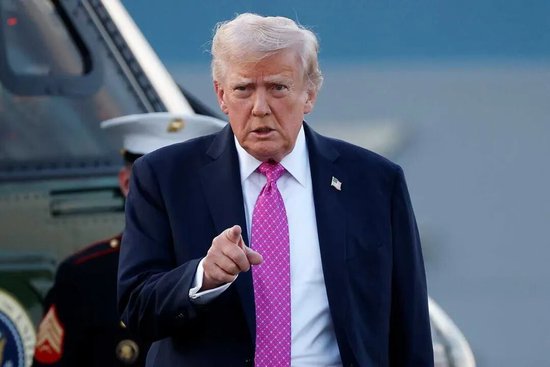
Recent discussions between the United States and Iran, as reported by Sina News and Sina Finance, highlight a critical juncture in international diplomacy. US President Donald Trump has expressed intent to 'indirectly' participate in the new round of talks scheduled on February 17 in Geneva. These talks follow earlier discussions on February 6 in Muscat, where both sides agreed to continue negotiations despite significant core disagreements.
The narrative from Sina News emphasizes the importance of these talks, quoting President Trump who described Iran as a 'very tough negotiator.' Trump also suggested that Iran is interested in reaching an agreement to avoid the consequences of failing to do so. This portrayal suggests a cautious optimism about the possibility of progress, albeit with recognition of the challenges involved.
Sina Finance similarly reports on the indirect participation of Trump in the upcoming talks, underscoring the strategic significance of these negotiations. The emphasis on Trump's repeated assertion that Iran desires an agreement suggests a narrative of potential diplomatic resolution, despite existing hurdles.
The global implications of these developments are profound. For international markets and investors, the outcome of US-Iran talks could significantly impact oil prices and regional stability. A successful agreement could lead to the lifting of sanctions, thereby affecting global oil supply chains and reducing geopolitical risk premiums. For US and EU policymakers, these talks represent a critical opportunity to recalibrate relations with Iran, potentially easing tensions in the Middle East and opening new avenues for diplomatic engagement.
Readers outside China should note the broader strategic implications. The US-Iran negotiations are not isolated; they are part of a larger geopolitical chessboard involving major powers like China and Russia. A resolution could shift alliances and influence global power dynamics, affecting everything from military posturing to economic partnerships. As such, these talks are pivotal not only for the immediate stakeholders but also for the broader international community.
Chinese Doctoral Student's Disappearance in Italy Raises Global Concerns on International Student Safety
The recent disappearance of a 28-year-old Chinese doctoral student, Huang Peng, in Italy has captured the attention of both Chinese and international media. Reports from Tencent's QQ News and Sina News highlight the emotional toll on Huang's family and the ongoing search efforts by local authorities.
Both sources provide detailed accounts of the events leading up to Huang's disappearance, including his last known whereabouts and the involvement of local police and military in the search. However, the coverage reflects different narrative emphases. Tencent's QQ News focuses on the personal anguish of Huang's sister, who traveled to Italy in search of her brother but returned to China without any leads. Her emotional state is portrayed vividly, underscoring the human impact of such incidents.
Sina News, while covering similar ground, provides additional context regarding the procedural aspects of the search, such as the involvement of the Chinese consulate and the challenges posed by adverse weather conditions. This suggests an attempt to reassure readers about the thoroughness of the search efforts and the diplomatic support involved.
Internationally, this case raises significant concerns about the safety and well-being of international students, a demographic that is critical to global educational exchanges and cultural diplomacy. For investors and businesses, this incident underscores the importance of robust support systems for international students, which can affect university reputations and, by extension, the attractiveness of certain regions as educational hubs.
For policymakers in the US, EU, and other regions, Huang's disappearance could prompt a reevaluation of safety protocols and support structures for foreign students, potentially influencing bilateral educational agreements and immigration policies. As universities worldwide seek to attract international talent, ensuring student safety becomes a pivotal factor in maintaining competitive advantage.
Overall, while the story of Huang Peng remains a personal tragedy, it also highlights broader strategic implications for international education and cross-border cooperation in crisis situations.
Gunfire Erupts at U.S. Ice Hockey Game: Analyzing International Reactions and Implications
In a shocking incident, a shooting occurred during an ice hockey game at the Dennis M Lynch Arena in Pawtucket, Rhode Island, resulting in three deaths, including the suspect, and three injuries. The event has been reported by multiple sources, including Sina and Liberty Times, highlighting the immediate chaos and fear experienced by attendees.
The Sina report emphasizes the tragic loss of life and the swift response by local authorities. It provides a straightforward account focusing on the casualties and immediate police actions, reflecting its intent to inform the Chinese audience of safety concerns in the U.S.
In contrast, the Liberty Times article delves into more vivid descriptions, capturing the panic among youths and spectators as gunfire erupted. It mentions potential familial motives behind the attack, adding a layer of speculation and narrative depth, possibly to engage readers with a more dramatic portrayal of the incident.
These developments underscore ongoing concerns about gun violence in the United States, which holds significant implications for international investors and policymakers. For global markets, such incidents may contribute to perceptions of increased risk in U.S.-based operations, potentially affecting investment decisions. Moreover, they could influence U.S. domestic policy debates on gun control, indirectly affecting international relations and perceptions of American societal stability.
For international audiences, understanding these dynamics is crucial as they reflect broader societal issues within a key global player like the U.S. This incident serves as a reminder of the complexities involved in navigating safety and regulatory environments, which can have far-reaching effects on international business and diplomatic engagements.
Xi Jinping's Military Shakeup: Echoes of Maoist Strategies and Global Implications
Recent reports from The New York Times and Liberty Times highlight a significant reshuffle within China's military leadership, driven by President Xi Jinping's emphasis on 'absolute loyalty'. This move is seen as part of a broader strategy to consolidate power by drawing on historical precedents set by Mao Zedong.
The New York Times reports that Xi's recent actions are reminiscent of Mao's strategies, aiming to purge disloyalty within the military ranks. This mirrors historical campaigns where Mao sought to maintain control over the military to solidify his leadership. By invoking Mao's legacy, Xi appears to be reinforcing his authority, potentially signaling a return to more centralized and autocratic governance models. For international markets and investors, this could imply a period of political uncertainty in China, affecting global supply chains and investment climates.
Similarly, the Liberty Times underscores the parallels between Xi's and Mao's approaches, noting Xi's attempts to avoid the pitfalls that previous leaders, like Hu Jintao, faced due to military insubordination. The article suggests that Xi's actions are aimed at preventing any military dissent that could undermine his leadership. This strategic maneuvering is crucial for international policymakers, particularly in the US and EU, as it may influence China's foreign policy and military posture, especially in sensitive areas like the Taiwan Strait.
These developments indicate a potential shift in China's internal power dynamics, with broader implications for global geopolitics. For readers outside China, understanding this military shakeup is essential, as it may affect China's interactions on the world stage, impacting everything from trade negotiations to regional security arrangements. The broader strategic implications suggest a China more focused on internal control, which might lead to more assertive foreign policies.
Ukraine's Diplomatic Shift Towards China amid US and Russia Tensions: Global Implications
Recent developments at the Munich Security Conference have highlighted a significant diplomatic shift as Ukraine's Foreign Minister Dmytro Kuleba sought closer ties with China. This move, reported by Tencent's QQ.com, signals a strategic recalibration by Ukraine, traditionally reliant on US support, as it navigates the complexities of its ongoing conflict with Russia. The article suggests that Ukraine's outreach to China is not driven by courage but by the pressing realities of geopolitical pressures and the need for new support systems.
Ukraine's gesture of goodwill towards China is described as a pragmatic decision aimed at expanding its strategic options amidst a prolonged conflict that has elevated economic and humanitarian costs. The narrative underscores Ukraine's precarious position, caught between great powers, and suggests that the move reflects a broader trend of seeking balance in a world where alliances are increasingly fluid.
The Global Times coverage, albeit lacking in detailed analysis, provides visual documentation of the event, reinforcing the notion that China's involvement in such high-level diplomatic engagements is noteworthy. The presence of China's Foreign Ministry at the conference underscores the country's growing influence in international diplomacy.
For international markets and investors, Ukraine's pivot towards China could signal changes in the geopolitical landscape that may affect economic forecasts, particularly in sectors sensitive to US-China relations. For US and EU policymakers, this development may necessitate a reassessment of strategic priorities and alliances in Eastern Europe.
Readers outside China should be aware of the broader strategic implications. Ukraine's engagement with China could alter the dynamics of the US-China power struggle, potentially providing China with increased leverage in international conflict resolution. This shift also raises questions about the future of US influence in regions traditionally under its strategic umbrella.
Overall, the juxtaposition of detailed narrative from QQ.com and the visual emphasis from Global Times illustrates varying editorial approaches, with the former focusing on the geopolitical chess game and the latter on visual representation of China's diplomatic presence. This divergence highlights the multifaceted nature of international relations coverage, where different outlets may prioritize different aspects to cater to their audiences.
North Korea's New Housing Project for War Veterans: A Symbolic Gesture with Global Implications
Recent developments in North Korea highlight a new housing project dedicated to families of soldiers who perished in overseas conflicts. This project, led by Kim Jong Un, underscores North Korea's ongoing efforts to honor its military legacy while simultaneously signaling its geopolitical intentions.
World Journal reports that Kim Jong Un presided over the completion ceremony of a new residential area in Pyongyang, built specifically for the families of soldiers who died in overseas conflicts. The report emphasizes this gesture as a tribute to the 'spirit and sacrifice' of these soldiers, aiming to provide a worry-free life for their families. The ceremony was marked by Kim's interaction with military families, highlighting the regime's focus on domestic unity and loyalty.
In contrast, Xinhua provides a similar narrative but with additional emphasis on the symbolic naming of the new area as 'New Star Street,' intended to glorify the fallen soldiers' contributions akin to shining stars. Kim Jong Un's personal involvement in the project's initiation and completion is highlighted, reinforcing his role as a leader who honors military valor.
These developments indicate North Korea's strategic use of domestic projects to bolster national pride and military esteem. This move carries broader implications for international observers. It reflects North Korea's intention to maintain a strong internal narrative of military honor, potentially as a counterbalance to international sanctions and diplomatic isolation.
For international markets and investors, this focus on military valor could suggest a continued prioritization of defense over economic reforms, affecting regional stability and economic prospects. For US and EU policymakers, it highlights the persistent challenge of engaging with a regime that prioritizes military achievements in its domestic narrative. Readers outside China should care about this development as it underscores the complexities in negotiating peace and stability in the Korean Peninsula, affecting global security dynamics.
China's Strategic Resilience in the Face of Global Geopolitical Shifts
The recent analysis by Sina explores China's strategic positioning amidst a rapidly evolving global geopolitical landscape. The article highlights the increasing emphasis on the 'decisive decade' narrative, particularly from the U.S., which sees the 2020s as a crucial period for shaping international order. This perspective is echoed by other Western nations like the UK, which describes the current era as a 'Decade of Turbulence', indicating a period of intense strategic competition primarily against China and Russia.
The article underscores the strategic recalibration in the West, with countries like the UK and Germany adopting concepts such as 'Era of Competition' and 'Systemic Competition', respectively, focusing on long-term competition with China. Japan, too, acknowledges a period of significant transformation, emphasizing the security challenges posed by China and Russia.
Interestingly, the analysis points out that France appears more restrained, focusing on 'global chaos' rather than directly engaging in the rhetoric of competition. This divergence among Western allies illustrates varying levels of commitment to a unified strategic posture against perceived threats from China.
For international markets and businesses, these developments suggest a period of heightened geopolitical risk, potentially affecting global supply chains and investment flows. The U.S.'s pivot away from a global leadership role, as noted in the article, could lead to a reordering of alliances and economic partnerships, impacting trade dynamics and regulatory environments.
For policymakers in the U.S., EU, and other regions, understanding China's strategic resilience becomes crucial. As the article details, China's commitment to its principles and strategic patience amid these challenges highlights its potential to maintain stability and influence in a multipolar world.
Readers outside China should note the broader implications: the shifting U.S. stance could lead to increased regional instability, necessitating adjustments in foreign policy and defense strategies. Furthermore, the narrative of a 'decisive decade' underscores the urgency for international cooperation and dialogue to mitigate the risks of systemic competition.
Overall, the article from Sina provides a comprehensive view of the geopolitical chessboard, emphasizing the importance of strategic foresight and adaptability in navigating the evolving global order.
India's AI Summit Highlights Global Governance Ambitions Amidst US-China Tech Rivalry
The recent AI summit hosted by India, as reported by RFI, underscores India's strategic positioning in the global AI landscape. The event, led by Indian Prime Minister Narendra Modi, aimed to craft a 'global blueprint for AI governance and collaboration.' This reflects India's ambition to bridge the gap with leading AI nations like the United States and China. Notably, the summit's focus on AI safety, including the risks posed by deepfakes, highlights the need for international cooperation in managing AI's societal impacts.
India's approach, emphasizing inclusivity and collective progress ('people, progress, planet'), signals its intent to be a key player in shaping AI's future. The participation of 20 national leaders and representatives from 45 countries indicates the broad international interest in India's AI governance model. This could potentially influence global tech policies, encouraging more collaborative frameworks.
For international markets and investors, India's AI advancement presents both opportunities and challenges. The country's plan to develop a massive 'data city' and its $1,750 billion investment agreements, including Google's $150 billion AI infrastructure project, could significantly impact global tech investments and supply chains. These moves might alter the competitive dynamics in the tech industry, especially as India seeks to reduce reliance on established AI enterprises like OpenAI.
Furthermore, the summit's discussions on AI's impact on employment resonate globally. The anticipation of AI automating white-collar jobs within the next 12 to 18 months, as noted by Microsoft's AI executive Mustafa Suleyman, raises concerns about workforce displacement. This is particularly pertinent for Generation Z, who are most anxious about AI's influence on their careers. Such trends will likely prompt policymakers in the US, EU, and other regions to reconsider labor market strategies and educational priorities to better prepare for an AI-driven future.
Overall, India's AI summit not only reflects its domestic technological aspirations but also its broader geopolitical strategy to assert influence in the global tech sphere. As India accelerates its AI initiatives, the global community must pay attention to how these developments might reshape international tech collaborations and economic policies.