Global Power Dynamics; Protests and Crisis; Diplomatic Moves; Economic Strategies; Infrastructure and Development
U.S.-Venezuela Relations: A Complex Dance of Diplomacy and Oil
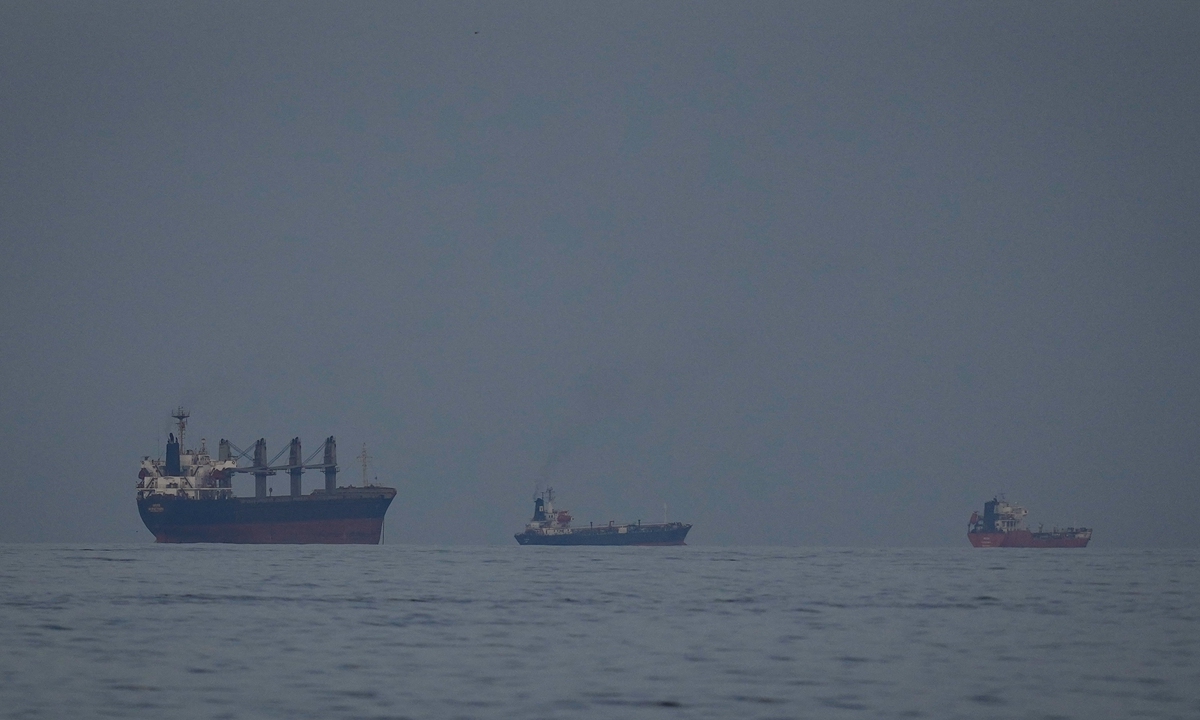
Recent events show a renewed interest in U.S.-Venezuela relations, primarily driven by the evolving political landscape and economic interests. Sina.cn reports on U.S. President Trump's announcement to refine and sell up to 50 million barrels of Venezuelan oil, highlighting the strategic move to leverage Venezuela's resources. This narrative suggests a pragmatic approach from the U.S., focusing on economic benefits and energy security.
These developments indicate a complex interplay between economic interests and diplomatic maneuvers. World Journal emphasizes the exploratory talks between U.S. and Venezuelan officials, hinting at a cautious step towards re-establishing diplomatic ties that were severed in 2019. This suggests an underlying intention to stabilize relations through gradual engagement.
The news highlights the differing perspectives on the diplomatic efforts. Liberty Times focuses on the U.S. officials' visit to Caracas, framing it as a preliminary evaluation of the potential reopening of the U.S. embassy. This narrative underscores the tentative nature of the diplomatic process, reflecting both optimism and caution.
It appears that the narrative across publications varies, with Sina.cn providing a more detailed account of the economic implications, while Liberty Times and World Journal focus on the diplomatic aspects. This divergence suggests differing editorial priorities, with some outlets prioritizing economic narratives and others emphasizing diplomatic developments.
Overall, the analysis reveals a complex narrative of economic and diplomatic maneuvers, with each publication offering a unique lens on the evolving U.S.-Venezuela relations.
Iran's Turbulent Protests: A Comparative Media Analysis
Recent events in Iran have sparked widespread protests, capturing global attention. Both World Journal and Liberty Times report on the resurgence of anti-government protests in Iran, highlighting the defiance of citizens in the face of severe government crackdowns, including internet censorship and violent suppression. These publications emphasize the scale of the unrest in northwestern regions like Sadatabad, where chants against Iran's supreme leader, Ayatollah Ali Khamenei, resound amid the clamor of banging pots and honking car horns.
The narratives in these outlets align closely, suggesting a shared perspective on the gravity of the situation. Both articles feature U.S. President Trump's comments on Iran's escalating troubles, underscoring the international dimension of the crisis. However, the Tencent QQ article delves deeper into the economic roots of the unrest, pointing to the devastating impact of currency devaluation and inflation on Iranian livelihoods. It traces the origins of the protests back to commercial discontent in Tehran due to steep currency devaluation, exacerbated by military and economic sanctions.
The QQ article stands out by framing the protests as not only a response to economic hardship but also as a reflection of deeper systemic issues, including the longstanding effects of U.S. sanctions and internal mismanagement. This perspective highlights the multifaceted nature of the unrest, suggesting that while external pressures play a role, internal economic policies and governance failures are equally culpable.
In contrast, the World Journal and Liberty Times focus more on the immediate political and social dimensions, with vivid descriptions of the protest dynamics and international reactions. This may reflect an intention to draw attention to the human rights aspects of the crisis, possibly to galvanize international support and intervention.
Overall, the media coverage provides a comprehensive view of Iran's current turmoil, with each publication offering a unique angle on the unfolding events. While World Journal and Liberty Times highlight the protests' scale and political implications, Tencent QQ provides a critical analysis of the economic factors fueling the unrest, offering readers a broader understanding of the crisis's complexity.
Bushfire Crisis in Victoria, Australia: Media Narratives and Insights
Recent developments in Victoria, Australia, highlight the severe impact of persistent bushfires, prompting the state to declare a 'disaster status.' According to CCTV News, as of January 10th, the fires have led to emergency measures across 18 local government areas. The declaration empowers authorities to enforce mandatory evacuations and control traffic to manage the crisis. The report details the extreme heat conditions contributing to over 60 new fire incidents, threatening numerous towns and necessitating the evacuation of thousands. A particularly distressing incident involves a central Victorian fire that destroyed homes, resulting in three missing persons, including a child.
Similarly, Sina News echoes this narrative, emphasizing the rapid spread of fires and the significant challenges faced by firefighting teams. Both sources stress the complicating factors of high temperatures and lightning storms, which exacerbate the fire risks. While the overall information provided by both outlets is consistent, the emphasis on the human impact and the call for public vigilance is notably strong in both reports. This suggests a shared intention to raise awareness and urge compliance with safety directives issued by local authorities.
U.S. Intentions in Greenland: Diplomatic Moves and Local Resistance
Recent events highlight the escalating geopolitical interest in Greenland, with U.S. President Joe Biden's administration signaling a willingness to take decisive action regarding the island. According to Liberty Times, Biden emphasized the strategic importance of Greenland, asserting that without U.S. intervention, Russia or China might gain control. The article notes that U.S. military presence in the region is seen as a countermeasure to Russian and Chinese naval activities around Greenland.
Meanwhile, World Journal provides a detailed account of the local political response, capturing Greenlandic lawmakers' resistance to any financial or political deals that might compromise their sovereignty. The report quotes Aaja Chemnitz, a Greenlandic parliamentary affairs chair, who sharply criticized any attempts to purchase Greenland's allegiance, stating that no amount of money could buy their cultural spirit or independence.
These developments indicate a complex interplay of global power dynamics and local autonomy. The Liberty Times article underscores the strategic calculations of the U.S., portraying the move as a necessary step to protect against adversarial encroachment. In contrast, the World Journal focuses on the local perspective, highlighting the cultural and political resistance to external influence, thus painting a picture of a region caught between major powers but determined to assert its agency.
China-Tanzania Railway Revival: A Diplomatic Endeavor
The recent coverage of the China-Tanzania railway highlights a concerted diplomatic effort to rekindle historical ties and foster future development. An article by the Foreign Ministry of China details Foreign Minister Wang Yi's remarks during a joint press conference with Tanzania's Foreign Minister. He emphasized the historical significance of the Tazara Railway, built in the 1960s with Chinese support, as a symbol of Sino-African friendship. Wang Yi reiterated China's commitment to revitalizing the railway, aiming to transform it into a catalyst for Tanzania's development and to bring tangible benefits to the local population.
In a separate but related article from the same source, the narrative extends beyond the railway to a broader Sino-African collaboration. Wang Yi underscored the deep-rooted friendship between China and Tanzania, recalling the historical bonds forged during their respective struggles for independence. He highlighted China's consistent diplomatic visits to Africa, reinforcing a tradition of mutual respect and cooperation. This piece articulates a vision of shared progress, with China and Africa united in their pursuit of justice, modernization, and mutual benefit.
Through these narratives, the Foreign Ministry of China portrays a story of enduring partnership and strategic collaboration, positioning China as a steadfast ally in Africa's development journey. The emphasis on historical ties and shared goals suggests an intention to solidify China's influence in Africa, using infrastructure projects like the Tazara Railway as both a symbolic and practical tool for fostering economic growth and regional stability.
Regulating the Platform Subsidy Battle: A Look at Recent Developments
The recent news reports from CCTV and Sina bring to light the Chinese government's regulatory actions on platform subsidies. The State Administration for Market Regulation has intervened to curb the 'subsidy war' among platforms, a move intended to stabilize market competition and protect consumer interests. This regulatory step is seen as a response to the growing concerns about aggressive pricing strategies that could potentially harm the market's health.
Both CCTV and Sina highlight the broader implications of this decision. The articles suggest that these measures are part of a larger effort to ensure fair competition and prevent monopolistic practices. The CCTV article emphasizes the regulatory body's role in maintaining market order, while Sina echoes this sentiment, suggesting that such interventions are crucial for sustainable economic growth.
Interestingly, both publications reference the source of their information as CCTV, indicating a unified narrative in Chinese media on this issue. This alignment may reflect an intention to present a cohesive government stance on market regulation, reinforcing the message that such regulatory measures are necessary and beneficial for the economy.
In summary, these developments indicate a decisive shift towards stricter oversight of digital platforms in China. The consistent reporting by both CCTV and Sina underscores the strategic importance of this regulatory move, aiming to balance innovation with market stability.