Global Repercussions from Asia to North America: Political Shifts, Trade Tensions, and Cultural Diplomacy
Hong Kong's Autonomy Erodes Amidst Global Political Ripples
The recent sentencing of Jimmy Lai, the founder of Hong Kong's pro-democracy newspaper Apple Daily, to 20 years in prison has sparked significant international reactions and concerns over Hong Kong's autonomy under China's increasing influence. This event has been covered by various international media outlets, each highlighting different aspects and implications of the development.
The New York Times emphasizes the broader implications of Beijing's actions, suggesting that Hong Kong's autonomy is swiftly diminishing. They argue that this is part of a broader strategy by Beijing to tighten its grip on the region, a move that could have serious implications for international businesses and investors who rely on Hong Kong's previously liberal economic environment.
In contrast, the World Journal focuses on the diplomatic fallout, particularly the UK's response. The UK government has criticized the sentencing as inhumane and has vowed to engage further with Beijing on this issue, highlighting the potential for escalating diplomatic tensions between China and Western countries. This could lead to further complications for international relations and economic ties, especially for businesses operating in or with Hong Kong.
Meanwhile, Sina reports on the broader European response to China's increasing assertiveness, particularly in the tech and manufacturing sectors. The article notes that European governments are becoming increasingly wary of Chinese influence, especially in critical industries like semiconductors, which are vital for global supply chains. This wariness is likely to influence EU policy decisions, potentially leading to increased trade restrictions or strategic shifts aimed at reducing dependency on China.
Global Times, a state-run Chinese tabloid, provides a different narrative by downplaying the international criticism and emphasizing China's sovereign rights over Hong Kong. This narrative suggests that Beijing views its actions as a necessary measure to maintain stability, potentially signaling a hardening stance against foreign interference.
Finally, Tencent News offers insights into the potential economic implications of these geopolitical tensions. They detail how European industries, particularly automotive and technology, are feeling the pressure from Chinese competition, which could lead to shifts in investment strategies and policy frameworks within the EU.
These developments indicate a growing geopolitical rift that could reshape international trade and diplomatic relations. For global investors and policymakers, understanding these dynamics is crucial, as the erosion of Hong Kong's autonomy and the subsequent international responses could have far-reaching impacts on global markets, supply chains, and geopolitical alliances.
South Korea's Drone Incident Raises Security Concerns Amid Regional Tensions
Recent reports from Xinhua and CCTV reveal that South Korean police conducted a series of raids across 18 military and intelligence units in response to an incident involving drones entering North Korean airspace. This development underscores the escalating tensions on the Korean Peninsula and highlights the increasing use of unmanned aerial vehicles in regional conflicts.
Both reports emphasize the seriousness of the situation, noting that the South Korean authorities are taking extensive measures to ensure no breaches in military conduct or intelligence protocols occurred. The coordinated raids suggest a robust response aimed at maintaining national security and preventing further escalations in the already tense inter-Korean relations.
For international markets and investors, this incident signals potential instability in the region that could affect Asian stock markets and global supply chains, particularly if tensions lead to further military posturing between the two Koreas. The use of drones in this context also points to the broader implications of unmanned technology in modern warfare, which could influence defense policies in the US, EU, and other regions.
These developments indicate a need for heightened vigilance and strategic planning by global policymakers to address the dual challenges of regional security and technological advancement in military applications. The international community should closely monitor these tensions, as they have the potential to impact geopolitical dynamics significantly.
Trump's Stance on US-Canada Bridge Sparks Trade Tensions and Global Economic Concerns
The recent statements by former U.S. President Donald Trump regarding the Gordie Howe International Bridge have ignited discussions on trade relations between the United States and Canada, with potential global economic implications. The bridge, connecting Michigan in the U.S. and Ontario in Canada, has become a focal point of contention as Trump demands that at least half of the bridge's ownership be transferred to the U.S. as compensation for perceived trade imbalances.
CCTV's coverage emphasizes Trump's claims of unfair treatment by Canada, highlighting his assertion that the U.S. should receive a fair share of the bridge's ownership. Trump argues that Canada's economic practices have long been detrimental to the U.S., and without adequate compensation, he will not allow the bridge to become operational. This narrative reflects a broader theme of protectionism, which could disrupt not only U.S.-Canada relations but also have ripple effects on international trade dynamics.
Sina's report adds depth by detailing the economic stakes involved, noting that Canada is responsible for the bridge's construction costs. The article underscores Trump's broader trade strategy, which includes grievances beyond the bridge, such as tariffs on dairy products and alcohol sales. It highlights the potential consequences of Trump's demands, including strained diplomatic relations and economic fallout for border regions reliant on cross-border trade.
For international markets and investors, these developments signal potential disruptions in North American trade flows, which could impact supply chains and economic forecasts. The U.S.'s aggressive stance may push Canada to seek alternative trading partners, potentially reshaping economic alliances. In the EU and other regions, this situation serves as a reminder of the volatility in trade negotiations and the importance of diversified economic partnerships.
Strategically, the U.S.'s approach to its relationship with Canada underlines a shift towards bilateral negotiations driven by perceived national interests. This could influence other countries' policies towards multilateral agreements and global trade norms, emphasizing the need for robust diplomatic engagement to manage geopolitical tensions effectively.
UN Secretary-General's Lunar New Year Greetings Highlight China's Global Cultural Influence
Recent celebrations of the Lunar New Year have underscored China's growing cultural influence on the global stage. Global Times reported on United Nations Secretary-General António Guterres's video message, in which he extended his Lunar New Year greetings in Chinese. This gesture not only reflects China's significant cultural footprint but also highlights the soft power it wields through cultural diplomacy. The choice of language and the platform—a video on the UN's official website—suggests an intentional effort to engage with Chinese audiences and acknowledge the importance of Chinese culture in global affairs.
Meanwhile, a CCTV report detailed various international celebrations of the Chinese New Year, emphasizing the participation of multiple countries and dignitaries. In Canada, for instance, the Chinese community and officials organized events showcasing traditional performances and cultural demonstrations, such as lion dances and martial arts. These activities, attended by Canadian officials, signify the multicultural integration and the diplomatic bridges being built through cultural exchanges.
These developments indicate a strategic use of cultural diplomacy by China, which plays a crucial role in shaping international perceptions and relationships. For international markets and businesses, understanding this cultural influence is essential as it can affect consumer behavior, brand positioning, and market entry strategies. For policymakers in the US, EU, and other regions, recognizing China's cultural diplomacy efforts is critical in crafting foreign policy that acknowledges cultural ties and their potential to facilitate dialogue and cooperation.
The news highlights the broader strategic implications of cultural diplomacy in international relations. By promoting its culture globally, China not only enhances its soft power but also strengthens its economic and political ties with other nations. This cultural engagement can lead to increased bilateral trade, tourism, and investment opportunities, benefiting both China and its international partners.
Japan's Special Diet Session and Its Global Implications for Political Stability and Economic Policies
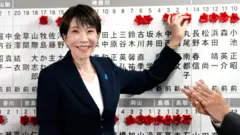
Recent developments indicate that the Japanese government, led by the ruling coalition, has decided to convene a special session of the National Diet on February 18. This decision, reported by both CCTV and Sina, is aimed at appointing a new Prime Minister during the session. The coverage from CCTV focuses on the procedural aspects and the timing of the announcement, while Sina highlights the political dynamics, noting that the ruling coalition holds a majority in the House of Representatives, which suggests a smooth leadership transition.
These developments highlight a period of political transition in Japan, a key player in global economic and geopolitical arenas. For international markets and investors, the stability of Japan's political landscape is crucial. A seamless transition in leadership could ensure continuity in economic policies, which in turn affects trade relations and economic partnerships with countries such as the United States and members of the European Union.
For the United States and the EU, Japan's political stability is vital for maintaining strong economic ties and collaborative efforts in regional security, especially given the strategic balance in the Asia-Pacific region. The leadership change may also influence Japan's stance on key issues such as technology partnerships, defense alliances, and trade agreements, which are of interest to international policymakers.
For readers outside Japan, understanding these political shifts is essential as they can impact global supply chains, particularly in technology and automotive industries where Japan is a significant player. Furthermore, Japan's approach to regional security under new leadership could shift dynamics in East Asia, influencing U.S. and EU strategic policies in the region.
Controversies in Thailand's Elections Signal Global Concerns Over Electoral Integrity
The recent elections in Thailand have become a focal point of controversy, raising significant concerns about electoral integrity and transparency. Liberty Times reports that during the voting process, a power outage occurred at a polling station, yet electric fans continued to operate, prompting public skepticism. This incident, among other irregularities, has led to widespread protests and demands for a recount, as citizens question the fairness of the electoral process.
Such developments are not merely local issues but hold broader implications for international observers and stakeholders. For investors and businesses, the perceived instability may affect market confidence in Thailand, impacting investment decisions. The situation also poses challenges for foreign governments, particularly those in the US and EU, which often advocate for democratic processes and may need to reassess their diplomatic strategies with Thailand.
The controversies highlight the strategic importance of ensuring electoral integrity in maintaining not only national stability but also international relations. For countries in the region, Thailand's election issues could serve as a precedent, influencing their own electoral practices and governance. Furthermore, this situation underscores the global trend where electoral processes are increasingly scrutinized, reflecting a broader demand for transparency and accountability in governance worldwide.