Iran-Israel Conflict Intensifies; EU Rethinks Gas Strategy; Apple's China Engagement Signals Global Supply Chain Impacts
Iran-Israel Tensions Escalate with Global Repercussions: A Comprehensive Analysis
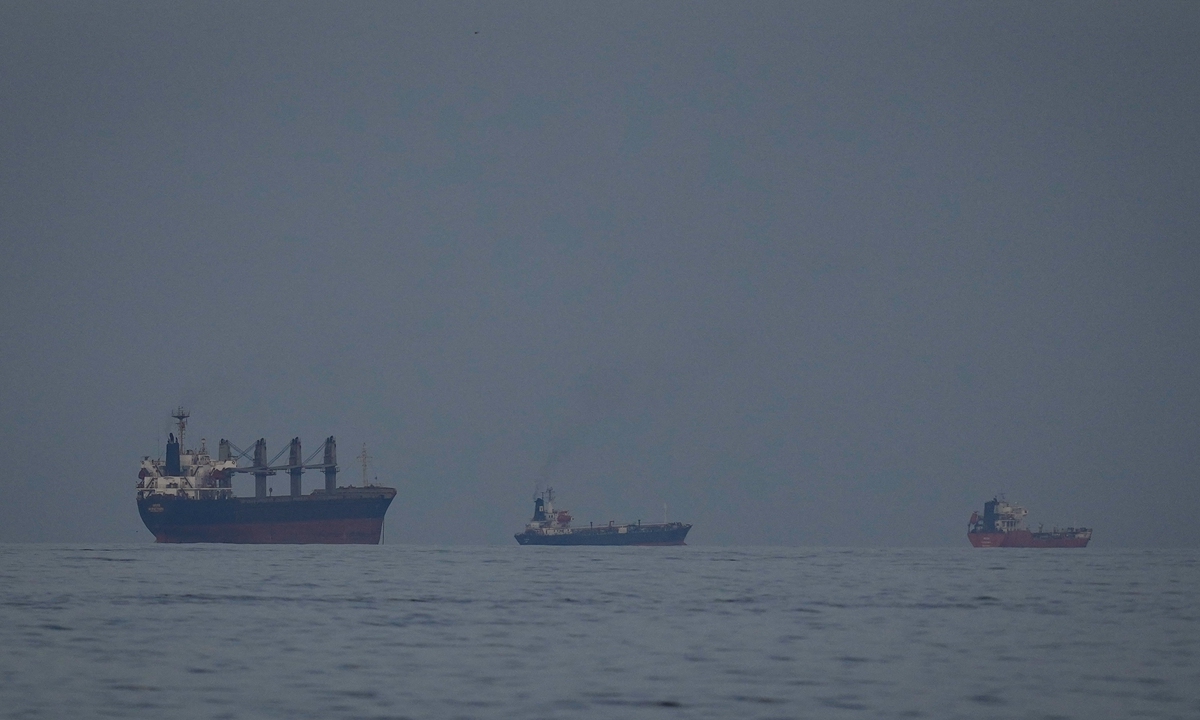
Recent developments in the Middle East have seen a notable escalation in tensions between Iran and Israel, with significant global implications. The World Journal reports that Iranian President Mahmoud Ahmadinejad issued a stern ultimatum, demanding the reopening of the Hormuz Strait within 48 hours or threatening to attack all Israeli power plants, starting with the largest. This highlights Iran's strategic use of military threats in geopolitical negotiations, emphasizing the critical importance of the Hormuz Strait to global oil markets and energy security.
Meanwhile, Sina corroborated this narrative, emphasizing the potential for widespread disruption in the region's energy infrastructure. Such threats have the potential to disrupt global oil supplies, leading to increased volatility in energy markets and impacting international trade routes.
In a related development, Sina further reports on Iran's military actions under the 'True Promise-4' operations, targeting multiple Israeli military facilities using drones and missiles. This aggressive military posture underscores the increasing sophistication of Iran's military capabilities, raising concerns over regional security and the potential for further escalation.
Radio France Internationale highlights significant casualties and damage in southern Israel due to Iranian missile strikes, marking one of the most severe attacks in recent weeks. The impact on civilian infrastructure and the humanitarian crisis could have profound implications for diplomatic relations and international humanitarian efforts.
Liberty Times adds that Iran's missile capabilities have breached Israeli air defenses, causing substantial injuries and structural damage. This development not only stresses the limitations of existing defense systems but also prompts a reassessment of military strategies by regional and global powers.
Furthermore, Radio France Internationale reports on Iran's missile launch towards a US-UK military base, signaling Tehran's capacity to extend its military reach beyond the Middle East. This strategic maneuver serves as a political message, demonstrating Iran's military prowess and challenging Western military presence in the region.
Lastly, CCTV and CCTV highlight ongoing diplomatic efforts by the US to engage Iran in peace talks, aiming to de-escalate tensions. The potential for dialogue opens pathways for negotiation, yet the complexities of regional politics and security concerns pose significant challenges to achieving lasting peace.
These developments underscore the intricate interplay of military actions, diplomatic negotiations, and geopolitical strategies in the Middle East, with far-reaching consequences for global energy markets, international relations, and regional stability. The unfolding situation demands careful monitoring by international policymakers, investors, and businesses, as the outcomes will inevitably shape global economic and security landscapes.
Middle East Tensions Spur EU Natural Gas Strategy Amid Global Energy Concerns
Recent reports from Sina and CCTV highlight the European Union's strategic recalibration in response to energy supply disruptions stemming from Middle Eastern conflicts. The EU's energy specialist, Dan Jørgensen, has proposed adjustments to natural gas storage targets, suggesting a reduction from 90% to 80% capacity. This move aims to mitigate market pressure and price volatility, triggered by the ongoing geopolitical tensions.
According to both sources, the recommendation to lower storage targets and delay full capacity deadlines until December 1st is designed to stabilize the EU's energy market. This adjustment is critical as the region grapples with the fallout from military actions affecting energy supplies, notably the impacts on international markets since the US and Israel's military engagements in Iran. The resulting strain on energy resources has driven up costs, exemplified by a swift rise in natural gas prices at the Dutch TTF hub, which surged over 30%.
These developments indicate potential shifts in international markets, particularly affecting countries reliant on European energy exports. For the US and EU, this could lead to increased collaboration on diversifying energy sources, potentially reshaping energy policies to prioritize alternative and renewable sources. For global investors, the volatility in energy prices underscores the need for risk assessment and strategic investments in energy sectors.
The broader strategic implications suggest a recalibration of geopolitical alliances and energy dependencies. For international readers, understanding these dynamics is crucial as they could influence global energy security, supply chain resilience, and economic stability. The EU's proactive approach in adjusting its energy strategies could serve as a model for other regions facing similar geopolitical and energy challenges.
Apple's Strategic Engagement in China: Global Implications of Tim Cook's Visit
Tim Cook's recent four-day visit to China underscores Apple's strategic commitment to the Chinese market, a crucial hub for both its consumer base and manufacturing capabilities. According to Tencent News, Cook's itinerary included high-profile engagements with Chinese officials and industry leaders, emphasizing Apple's intent to solidify its presence amidst growing geopolitical tensions between the US and China.
Apple's focus on strengthening ties with China is not merely symbolic. The nation is Apple's third-largest market and a core part of its supply chain infrastructure. As Cook met with Wang Wentao, China's Minister of Commerce, discussions likely revolved around trade relations and Apple's operational expansion in China. This dialogue is critical for international markets, as any shift in Apple's China strategy could have ripple effects on global supply chains and tech industry dynamics.
During his visit, Cook also explored Apple's integration of advanced technologies in manufacturing, such as AI-driven automation, which aims to enhance production efficiency within its Chinese operations. Such advancements could serve as a model for other multinational corporations operating in China, potentially driving broader industrial upgrades. For international investors, this signals Apple's commitment to leveraging technological innovation to maintain its competitive edge, despite geopolitical uncertainties.
Interestingly, while Cook's public engagements attracted significant attention, the more understated presence of Apple's Chief Operating Officer, Sabih Khan, highlighted a different strategic focus. Khan's inspection of Apple's manufacturing lines in Shenzhen suggests a hands-on approach to optimizing supply chain efficiencies. This dual approach—public diplomacy coupled with operational refinement—illustrates Apple's nuanced strategy to balance market visibility with internal process improvements.
For the US and EU policymakers, Cook's visit serves as a reminder of the intricate economic interdependence between Western tech giants and China. As trade policies evolve, understanding these corporate engagements can inform diplomatic strategies and economic policies aimed at balancing competition with cooperation.
Overall, Apple's strategic maneuvers within China, as highlighted by Cook's visit, have far-reaching implications. They affect not only Apple's global supply chain and market strategies but also influence how other international businesses navigate the complex US-China relationship. For global audiences, this development underscores the importance of monitoring corporate diplomacy as a barometer for broader geopolitical trends.