Japan's Earthquakes; China-Cambodia Cultural Diplomacy; Thai-Cambodian Border Tensions
Analyzing Japan's Recent Earthquakes and Their Broader Implications
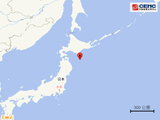
Recent events show the varied narratives surrounding the recent series of earthquakes off Japan's eastern coast. The World Journal highlights the potential for a catastrophic earthquake similar to the 2011 disaster, emphasizing the Japanese government's issuance of a "post-earthquake attention information" warning for regions including Hokkaido and the Tohoku area. This narrative underscores the seriousness of the situation by quoting officials who stress the need for preparedness and the possibility of another major quake.
Meanwhile, Xinhua provides a more straightforward report on the occurrence of a 6.4 magnitude quake in the same region, focusing on the immediate seismic activity without delving into potential future risks. This approach might reflect a more cautious stance, avoiding speculation.
The Liberty Times adds depth by reporting on the aftermath of a 7.6 magnitude quake, including injuries and infrastructure damage, while also noting the lifting of a tsunami warning. This suggests a balanced view, recognizing both the immediate impact and the easing of immediate threats.
Sina contributes by detailing the human impact, reporting injuries across various locations, and highlighting the logistical challenges faced, such as power outages. This human-centric narrative aims to convey the earthquake's tangible effects on daily life.
CCTV discusses the scientific aspects, explaining the tectonic causes and reducing the perceived threat level by stating the limited potential for significant damage to China. Their analysis implies a focus on reassurance and scientific clarity.
Other reports, such as those by Sina and CCTV, revisit the technical details of the seismic events, including the specific magnitudes and depths, which serve to inform and contextualize the natural phenomena without sensationalism.
In summary, the news highlights a range of perspectives from urgent warnings and human impact to scientific analysis and reassurance. These developments indicate a complex narrative landscape where media outlets balance informing the public, preventing panic, and providing scientific context in the wake of natural disasters.
Cultural Diplomacy and Entertainment: A Tale of Two Narratives
Recent events show a concerted effort to deepen China-Cambodia cultural relations through the "Reading China-Cambodia" series of exchange activities. According to Sina and CCTV, these activities aim to enhance traditional friendship and promote mutual understanding between the two nations. The events, scheduled for December 2025 in Phnom Penh, are organized by multiple institutions, including Cambodia's Ministry of Culture and Arts and the Royal Academy, and supported by Wu Brother World Cultural Heritage Management Bureau. They will feature cultural markets, youth Vlog competitions, and discussions on cultural preservation and cooperation. The emphasis on youth and cultural heritage signifies a strategic intent to foster long-term people-to-people ties and cultural diplomacy.
These developments indicate a strategic alignment with the broader geopolitical vision of strengthening China-Cambodia ties, as highlighted by both sources. The initiative coincides with the declaration of 2025 as the "China-Cambodia Tourism Year," underscoring a commitment to closer bilateral ties. The narratives from both Sina and CCTV emphasize cultural richness and the potential for deeper cooperation, reflecting a shared governmental agenda to solidify political and cultural bonds.
In contrast, the Liberty Times article focuses on a different aspect of cultural engagement—entertainment. It reports on Thai actresses Emi and Bonnie's plans to visit Taiwan for a fan meeting, reflecting the growing popularity of Thai pop culture in Taiwan. This story, while unrelated to the Sino-Cambodian events, highlights the cross-cultural appeal of entertainment as a bridge between nations. It appears that the Liberty Times aims to captivate readers with celebrity news, showcasing the soft power of entertainment in fostering international connections.
The news highlights the varied approaches in cultural diplomacy and international engagement—one through state-led initiatives and the other via popular culture. While the Sino-Cambodian articles focus on formal cultural exchanges and bilateral cooperation, the Liberty Times piece underscores the informal, grassroots level of cultural interaction facilitated by entertainment and media. Together, these stories illustrate the multifaceted nature of cultural diplomacy in today's interconnected world.
United Nations Urges De-escalation at Thai-Cambodian Border
Recent events highlight the United Nations' call for Thailand and Cambodia to de-escalate tensions at their shared border. In a statement made on December 8th, UN Secretary-General's spokesperson, Stéphane Dujarric, expressed deep concern about recent clashes between the two nations. He emphasized the necessity for both sides to exhaust all possibilities to ease tensions and adhere to the framework established by the Gilongpo Agreement. This agreement encourages dialogue as a means to find solutions and mitigate the risk of further conflict. Sina and CCTV both report on this development, with similar narratives emphasizing the UN's readiness to support efforts towards peace and stability.
These developments indicate a consistent message across Chinese media platforms, as both Sina and CCTV stress the UN's appeal for resolving differences through diplomatic channels and preventing military escalation. The focus remains on ensuring the safety of border residents, underscoring the humanitarian aspect of the situation. While both articles convey similar content, the repetition across different sources might suggest an intent to amplify the UN's position and encourage compliance with international frameworks.