Maritime Disasters, Diplomatic Maneuvers, and Climate Challenges: Global Ripple Effects and Strategic Shifts

Philippine Ferry Tragedy Highlights Maritime Safety Challenges with Global Implications
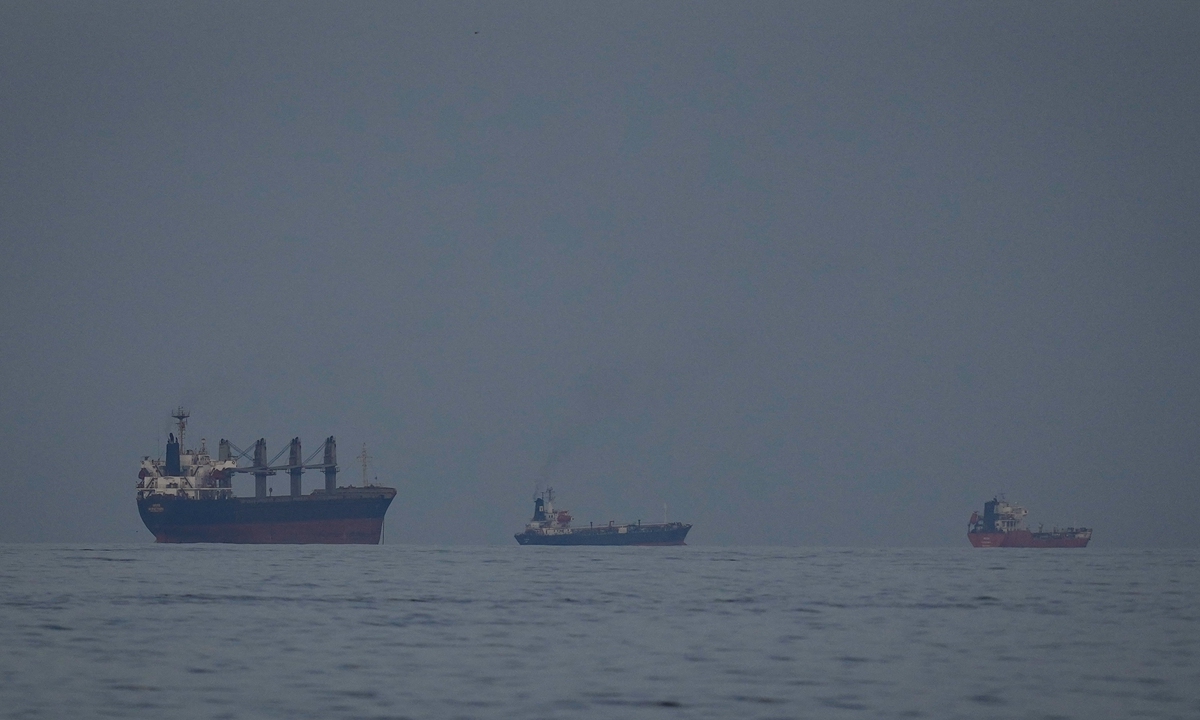
A recent maritime disaster in the Philippines, involving a ferry carrying over 350 people, underscores chronic safety issues in the region's shipping industry. The ferry capsized in the southern waters of the Philippines, leading to the rescue of over 200 passengers, although at least 7 fatalities have been reported. This incident draws international attention due to its implications for maritime safety standards and the potential ripple effects on global shipping routes and insurance markets.
Xinhua provides a concise report focusing on the rescue efforts, highlighting that over 200 passengers have been saved. It emphasizes the ongoing search and rescue operations, reflecting the immediate humanitarian response to the tragedy. This coverage aligns with China's broader interest in regional stability, given its investments in Southeast Asian maritime infrastructure.
World Journal offers a detailed narrative, pointing out the technical failures that might have contributed to the accident. It references past incidents to illustrate the frequent occurrence of such maritime disasters in the Philippines, suggesting systemic issues in regulatory enforcement. This perspective is crucial for international stakeholders, including insurers and shipping companies, who must assess risk management practices in the region.
Reports from CCTV and Sina confirm the casualty figures and rescue operations, with CCTV noting the involvement of the Philippine Coast Guard and local fishermen in the rescue efforts. These outlets emphasize the collaborative rescue efforts, which may influence future international cooperation in maritime safety initiatives.
This tragedy serves as a stark reminder of the vulnerabilities in maritime transport safety, particularly in developing regions. For international markets, the incident could lead to heightened scrutiny of shipping practices and potentially increased insurance premiums for vessels operating in high-risk areas. Policymakers in the US, EU, and other regions may use this as a case study to advocate for stricter international maritime safety standards, affecting global shipping operations.
China's Diplomatic Surge and Military Reshuffle: Global Implications and Strategic Shifts
China's recent diplomatic and military activities have been covered extensively across multiple publications, highlighting both its growing international engagement and internal power dynamics.
Qiushi Journal reported on China's diplomatic initiatives under President Xi Jinping's leadership. The article emphasized China's efforts to strengthen ties with Russia, South Korea, and various European nations, underscoring the importance of these relationships in promoting global stability and cooperation. The narrative suggests that China is positioning itself as a key player in global governance, advocating for a multipolar world order and emphasizing its commitment to peace and development. For international markets, this implies potential shifts in trade dynamics and investment opportunities as China deepens its economic links with these regions.
Sina focused on the influx of European leaders visiting China, particularly highlighting the visit of Finland's Prime Minister. This surge in diplomatic activity is portrayed as part of Europe's broader strategy to recalibrate its foreign policy amidst global uncertainties. The article notes that these visits are driven by economic interests and the need for Europe to diversify its international partnerships. For the EU, engaging with China could mean new trade agreements and technological collaborations, which may impact existing alliances, particularly with the US.
Meanwhile, Liberty Times reported on significant changes within China's military leadership, with high-ranking officials being investigated for serious violations. This internal reshuffle is indicative of Xi Jinping's tightening grip on the military, which could have implications for regional security dynamics, especially concerning Taiwan. The article suggests heightened vigilance from Taiwan, given the potential for increased military assertiveness from China. For international readers, this highlights the importance of monitoring China's military strategies, as they could affect regional stability and international security policies.
These developments indicate a strategic shift in China's approach to both its foreign relations and internal governance. China's increased diplomatic engagement suggests a desire to play a more assertive role in global affairs, while the military reshuffle points to a consolidation of power within its ranks. For businesses and investors, understanding these dynamics is crucial as they navigate the complexities of China's evolving international role and its implications for global markets.
Severe Winter Storms in the US: Impacts on Energy, Transportation, and Global Implications
In a recent series of severe winter storms across the United States, more than one hundred million people have been affected, with significant disruptions in energy and transportation sectors. According to Xinhua, the storms caused power outages for over 10 million households, particularly in the southern states like Tennessee and Mississippi, with power restoration efforts ongoing. The report highlights the scale of the emergency, with 23 states declaring emergency status due to the extreme weather, impacting both the local population and infrastructure.
Similarly, Liberty Times reported the cancellation of over 18,000 flights, marking the largest disruption in air travel since the onset of the pandemic. The publication emphasizes the widespread impact from the southern to northeastern states, noting that the National Weather Service has issued warnings affecting nearly half of the US population. The storms are expected to continue affecting the region, with forecasts of heavy snowfall and freezing rain in the coming days.
For international markets and investors, these severe weather events underscore the vulnerabilities in critical infrastructure, particularly the energy grid and transportation networks. The disruptions could potentially lead to increased energy prices and logistical challenges, affecting supply chains that rely on US hubs. For policymakers in the US and EU, the events highlight the urgent need for infrastructure resilience against extreme weather, a growing concern in light of climate change.
These developments also serve as a reminder for international audiences of the interconnectedness of global supply chains and the potential ripple effects of localized disruptions, particularly in a major economy like the US. As climate-related events become more frequent and severe, businesses and governments worldwide will need to adapt strategies to mitigate risks associated with such disruptions.
Iran's Crackdown on Protests: Global Implications and Strategic Repercussions
Recent developments in Iran have highlighted a stringent crackdown on anti-government protests, with significant implications for international markets, foreign policy, and global human rights concerns. Multiple sources, including World Journal and CCTV, provide varying narratives on the events unfolding within Iran.
The World Journal reports that Iran's judicial authorities have issued stern warnings against protest instigators, emphasizing severe penalties without leniency. This wave of protests, driven by dissatisfaction with rising living costs, represents a significant challenge to Iran's leadership. The report suggests that the government's approach, including internet blackouts and isolation from the global community, has gradually quelled the protests. Notably, the article mentions a death toll of 3,117 with significant casualties identified as "martyrs" by the government, contrasting with human rights groups' estimates of over 20,000 deaths.
Conversely, CCTV focuses on the Iranian government's efforts to arrest hundreds allegedly linked to recent unrest. It portrays these individuals not as ordinary protesters but as leaders connected to foreign influences and illegal organizations. The narrative underscores the Iranian intelligence agencies' role in countering what they describe as a "U.S.-style chaos" plan. This angle suggests an external manipulation narrative, aiming to rally domestic support against perceived foreign adversaries.
These developments indicate a complex geopolitical landscape where Iran's internal strife could affect international oil markets, given Iran's significant role as an oil producer. Investors and markets should monitor these events closely, as prolonged unrest could disrupt oil supplies, impacting global energy prices. Furthermore, these actions might influence U.S. and EU foreign policies, potentially leading to increased sanctions or diplomatic efforts to address human rights violations.
For global readers, understanding Iran's internal dynamics is crucial as it affects regional stability in the Middle East, influencing global security and economic conditions. The strategic implications of Iran's actions could lead to shifts in alliances and pose challenges to international diplomatic efforts aimed at maintaining peace and stability in the region.
No Articles Provided: Implications and Considerations for Global Audiences
It appears that no articles have been provided for analysis. This situation highlights the importance of having access to diverse sources of information, especially in the context of rapidly changing global dynamics. For international audiences, understanding developments in China and their global implications requires a multi-faceted approach, drawing on a variety of perspectives and data points.
Without specific articles to analyze, it's crucial to consider the broader context in which China-related news occurs. Developments in China can have significant impacts on international markets, influence policy decisions in the US, EU, and other regions, and shape global strategic and economic landscapes. For instance, changes in China's economic policies can affect global supply chains, while shifts in its foreign policy might alter geopolitical alliances.
Readers outside China should remain vigilant and seek out comprehensive analyses that connect local developments to international trends. This approach ensures that businesses, investors, and policymakers can make informed decisions based on a holistic understanding of China's role on the world stage.
Protests in Minnesota Highlight US Immigration Enforcement Controversies with Global Repercussions
Recent events in Minnesota have underscored the contentious nature of US immigration enforcement, as reports from Liberty Times and Sina highlight the shooting of a civilian by US law enforcement, sparking widespread protests. This incident, involving Alex Pretti, a former military nurse, has led to increased tensions between local and federal authorities, particularly concerning the enforcement tactics of the Immigration and Customs Enforcement (ICE).
Liberty Times reports that Pretti, who was allegedly holding a phone rather than a weapon, was shot during a protest against ICE's aggressive tactics towards undocumented immigrants. This has fueled local unrest, with significant protests demanding accountability and a reevaluation of ICE's presence in local communities.
Sina's coverage adds that the incident has catalyzed a national debate on the Trump administration's immigration policies, which have been criticized for their harshness and lack of training among officers. The protests, which have spread to major cities like New York and Los Angeles, reflect a broader discontent with federal immigration enforcement and its implications for civil liberties.
These developments have significant international implications. For global businesses and investors, the instability highlights potential risks associated with investing in regions with contentious immigration policies, which could affect local economies and labor markets. For policymakers in the US and EU, the event underscores the need to address immigration enforcement practices to prevent civil unrest and maintain international reputations as leaders in human rights.
On a strategic level, the situation in Minnesota serves as a reminder of the global interconnectedness of immigration policies, with the potential to influence international relations, especially with countries from which many immigrants originate. This could affect diplomatic negotiations on trade and security cooperation. Overall, the escalation of protests and the international scrutiny they attract demonstrate the urgent need for dialogue and reform in immigration enforcement practices.