U.S. Government Shutdown; Taiwan Strait Stability; U.S.-Venezuela Tensions; Europe-Russia-China Dynamics; COP30 Protests; Ukraine Corruption; China-Spain Diplomacy
U.S. House Advances Critical Funding Legislation Amid Government Shutdown
Recent events show a significant move in the U.S. Congress as the House of Representatives passed a crucial procedural vote with 213 votes in favor and 209 against. This decision paves the way for a final vote on a temporary funding bill, potentially ending the federal government's prolonged shutdown, which has lasted over 40 days. CCTV News highlights that the procedural vote follows the conclusion of initial debates, setting the stage for further discussions before the final decision.
It appears that both CCTV News and Sina News emphasize the importance of this procedural step as a critical juncture in resolving the budgetary impasse. Both sources note the House's strategy to hold another hour of debate before the final vote, underscoring the urgency to conclude the shutdown. These developments indicate a concerted effort by legislators to bridge divides and restore government operations.
The news highlights the procedural mechanics of U.S. governance, with both CCTV News and Sina News providing detailed accounts of the voting process and legislative steps. While the articles present similar facts, the repetition across sources suggests a coordinated narrative aimed at emphasizing the procedural success in the legislative process.
G7 Foreign Ministers Stress Taiwan Strait Stability Amid Concerns Over China's Military Expansion
The recent G7 foreign ministers' meeting in Canada has sparked significant media attention, particularly regarding the emphasis on maintaining peace and stability in the Taiwan Strait and expressing concerns over China's military expansion. Liberty Times (source) highlights the G7's unified stance on supporting Ukraine's territorial integrity and underscores the critical importance of stability in the Taiwan Strait. The article points out the G7's call for China to enhance transparency in demonstrating its commitment to stability, reflecting an underlying concern about China's growing military capabilities.
Similarly, World Journal (source) mirrors these sentiments, emphasizing the G7's call for constructive dialogue and peaceful resolution of cross-strait issues. Both publications highlight the G7's opposition to unilateral changes to the status quo, particularly through force or coercion. However, World Journal provides additional context by mentioning the G7's encouragement for Taiwan's meaningful participation in appropriate international organizations, which underscores Taiwan's strategic importance in the international arena.
These narratives collectively portray a concerted effort by the G7 to address geopolitical tensions in the Asia-Pacific region, with a particular focus on Taiwan's security. The consistent themes across both articles suggest a coordinated media approach to highlight the G7's diplomatic priorities and concerns regarding China's regional ambitions.
Escalating Tensions in the Caribbean: U.S.-Venezuela Military Maneuvers
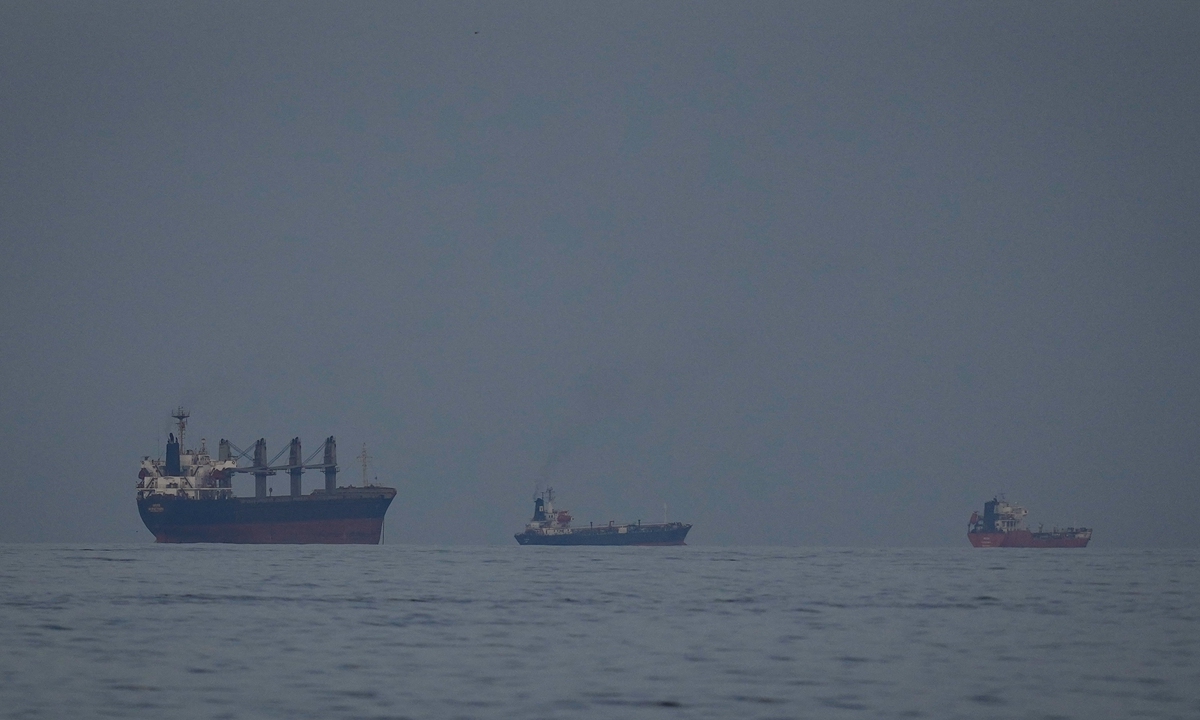
Recent events show a dramatic escalation in military activities between the United States and Venezuela, with both nations conducting significant military exercises and maneuvers in the Caribbean region.
Sina.cn reports that Venezuela's military has declared a state of full combat readiness as part of its 'Independent 200' military exercise. This announcement follows the downing of an unauthorized aircraft that entered Venezuelan airspace, marking the 24th such incident this year. This exercise aims to enhance the country's comprehensive defense capabilities amid increased U.S. military presence in the area.
Meanwhile, CCTV highlights the arrival of the U.S. aircraft carrier USS Ford in the Caribbean, leading a strike group that has significantly increased U.S. military presence. The U.S. military justifies its actions as part of a campaign against drug trafficking, yet the scale of the military buildup suggests broader strategic intentions, potentially aimed at countering Venezuelan influence in the region.
These developments indicate a rapid escalation of tensions. While the Venezuelan government frames its actions as defensive measures against perceived U.S. imperialism, the U.S. military's significant presence and operations in the region have raised questions about the legality and objectives of these maneuvers. The CCTV report notes that the U.S. has conducted 19 airstrikes since September, targeting what it claims are drug trafficking vessels, causing casualties and further straining regional relations.
The news highlights differing narratives, with Venezuelan sources emphasizing sovereignty and defense, while U.S. sources focus on anti-drug operations. The contrasting perspectives reflect broader geopolitical dynamics and the potential for these activities to impact international relations and regional stability.
Escalating Tensions: Europe, Russia, and China's Strategic Moves
Recent events show a growing concern about the potential for military conflict between Europe and Russia. According to Sina, Serbian President Vucic highlighted the increasing likelihood of such a conflict, driven by rapid military buildups across various nations. He stated that both sides are preparing for war under the guise of defense, with countries like Romania, Poland, and Finland actively involved in military preparations. This narrative suggests a heightened state of alert and a shift from hypothetical scenarios to tangible threats.
Meanwhile, World Journal reports on China's significant role in exacerbating European security threats by providing substantial support to Russia's military actions. Finnish Defense Minister Antti Hakkanen expressed concerns over the deepening Russia-China cooperation, which poses a challenge to NATO. He noted that China's financial aid to Russia is crucial for sustaining prolonged military engagements, highlighting the strategic implications of this alliance. Finland's recent NATO membership underscores its strategic pivot in response to these threats, ending decades of military non-alignment.
These developments indicate a complex interplay of alliances and military strategies, with both articles underscoring the urgency of the situation. While Sina focuses on the broad European-Russian tensions, World Journal emphasizes China's strategic involvement, suggesting a multifaceted threat landscape. The differing focus points to potential editorial intentions: Sina may aim to highlight regional preparedness, whereas World Journal underscores the global dimensions of the conflict.
Voices of Protest at COP30: Indigenous Rights and Climate Justice
Recent events at the United Nations' 30th Climate Change Conference (COP30) in Belem, Brazil, have been marked by intense protests, primarily led by indigenous groups. The World Journal reports that the atmosphere both inside and outside the conference has grown increasingly heated, with significant demonstrations that underscore the importance of fair transitions in climate policies. These protests, featuring slogans like "Our future is not for sale!" and attempts to breach security perimeters, highlight the indigenous peoples' demand for a stronger voice in decisions affecting their lands.
According to Liberty Times, several indigenous leaders from across the globe converged on Belem, waving flags and banners stating "Our land is not for sale." These actions are aimed at asserting their right to more significant influence over forest management decisions. The publication emphasizes the confrontations between protestors and security personnel as they attempted to enter the conference venue, a scene less common in previous COP meetings.
These developments indicate a growing frustration among indigenous communities and environmental activists, who feel sidelined in the climate dialogue. The World Journal's coverage suggests that this year's protests are a response to the perceived limitations on civil assembly rights in past COP meetings, such as those held in Egypt and the UAE, where government restrictions were more pronounced. The Liberty Times focuses on the indigenous leaders' journey to the conference, highlighting their resolve to partake in related discussions and demand more speaking rights.
It appears that both publications aim to shed light on the indigenous communities' fight for justice and equitable participation in climate policy discussions. While the World Journal provides a broader context of the protest's implications on the conference's agenda, the Liberty Times zeroes in on the symbolic gestures of the indigenous groups and their direct interactions with authorities. Together, these narratives paint a comprehensive picture of the ongoing struggle for climate justice and indigenous rights at COP30.
Corruption Scandal in Ukraine: Resignations and Repercussions
The recent corruption scandal in Ukraine has led to significant political upheaval, with the resignation of two key ministers. CCTV reports that Ukrainian President Volodymyr Zelensky addressed the nation via video, condemning the nearly $1 billion corruption case in the energy sector as "absolutely unacceptable." On the same day, Energy Minister German Galushchenko and Justice Minister Denys Maliuska submitted their resignations. Zelensky emphasized that these ministers could no longer remain in their positions. Prime Minister Denys Shmyhal later confirmed on social media that he had submitted proposals to the Verkhovna Rada regarding their dismissal.
Similarly, Sina also highlights the gravity of the situation, noting that the Ukrainian government's firm stance on corruption is part of a broader effort to maintain integrity within its ranks. Both ministers have not been formally charged by anti-corruption agencies, though Galushchenko is suspected of receiving "personal benefits" from the scandal. Additionally, a former business associate of Zelensky is implicated as a main conspirator. The National Anti-Corruption Bureau of Ukraine has announced that its investigation revealed a "massive criminal group" involving current and former officials and businessmen, accused of money laundering and illegal enrichment.
While both sources present a similar narrative, CCTV's coverage underscores the Ukrainian government's response amid ongoing Russian military pressure, suggesting a connection between the scandal and public discontent over infrastructure challenges. In contrast, Sina focuses more on the internal governmental processes and the broader implications for Ukraine's anti-corruption efforts. The cohesive presentation across different platforms highlights the international and domestic challenges faced by Ukraine as it grapples with corruption and external threats.
The Diplomatic Dance: Xi Jinping Meets Spanish Royalty
Recent events highlight the diplomatic engagement between China and Spain as President Xi Jinping met with King Felipe VI in Beijing. The Xinhua News Agency reported this meeting, emphasizing the longstanding friendship and strategic partnership between the two nations. Xi Jinping underscored the historical and cultural ties that have fostered mutual respect and collaboration over the past 50 years. This relationship, marked by a commitment to peace and development, stands as a model for international cooperation.
These developments indicate a strengthening of bilateral ties, with both countries aiming to enhance strategic alignment and mutual support. The news highlights how Spain's royal visit underscores the importance of cultural and educational exchanges, further solidifying the foundation for future cooperation. The meeting also saw the signing of ten cooperative documents in fields such as economics, technology, and education, showcasing the multifaceted nature of the partnership.
It appears that the narrative presented by Xinhua is intended to project a harmonious and collaborative image of China's international relationships, particularly emphasizing cooperation in emerging sectors like green energy and artificial intelligence. The article subtly suggests that China's development achievements, particularly in poverty alleviation and green growth, serve as a compelling example for other nations. By focusing on shared values and goals, the reporting fosters a narrative of unity and shared purpose in global governance.