U.S. Immigration and Venezuela Sanctions; China's Technological Advances; Nobel Laureate's Arrest; Thai-Cambodian Tensions; China Celebrity Compensation
U.S. Immigration Restrictions and Venezuela Sanctions: A Complex Diplomatic Landscape
Recent events show a significant shift in U.S. foreign policy, particularly concerning immigration restrictions and sanctions. Xinhua and CCTV reported that President Trump has expanded the list of countries facing entry restrictions into the United States from 19 to 40, citing national security concerns. This move, ostensibly to protect domestic security, has sparked debate over its implications for international relations and human rights.
These developments indicate a broader strategy to tighten immigration controls, as highlighted by Sina, which detailed the comprehensive restrictions now affecting citizens from countries like Afghanistan and Myanmar. This aligns with Trump's administration's ongoing efforts to fortify national borders and scrutinize foreign nationals more rigorously.
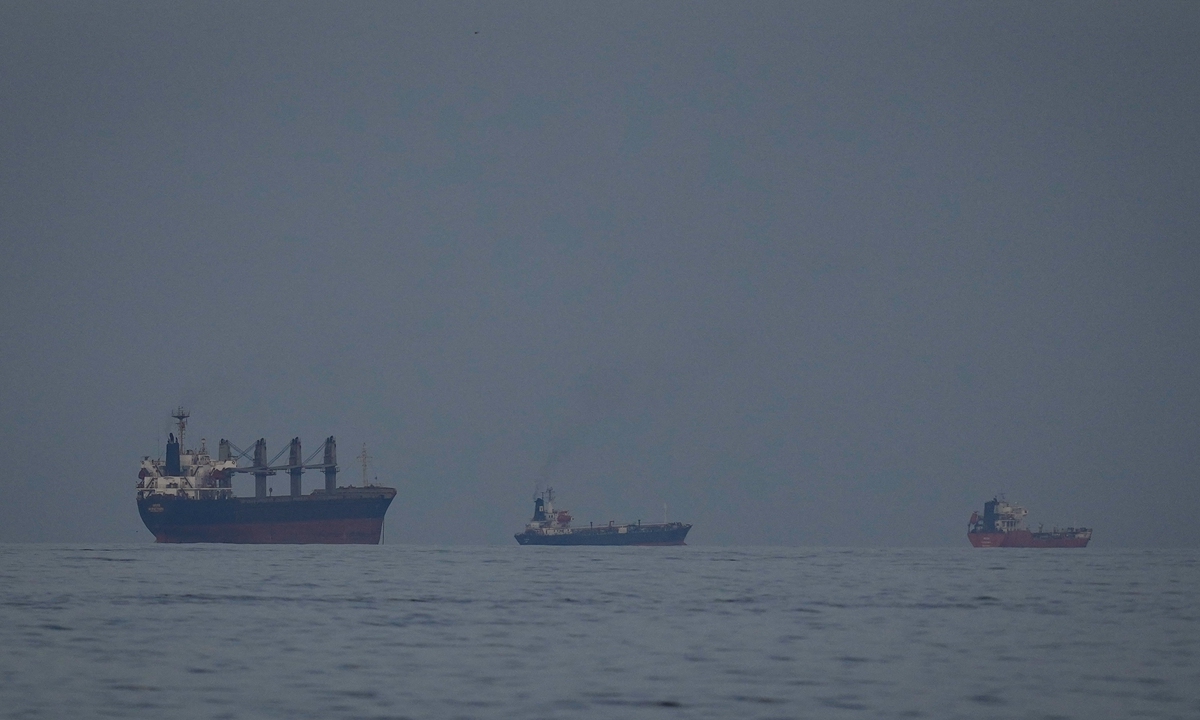
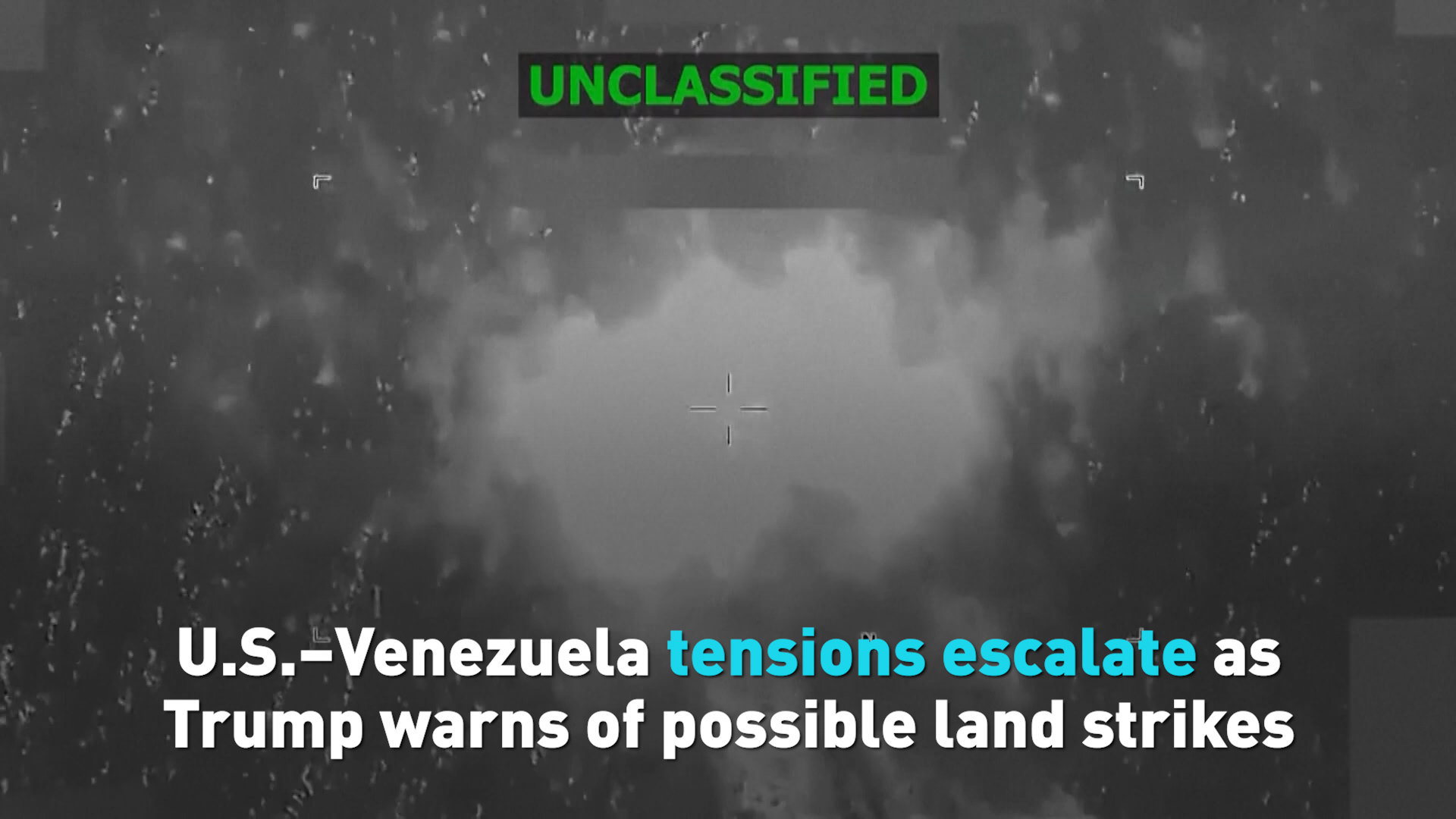
The news highlights different narratives surrounding the U.S. administration's actions. Xinhua and Sina also reported on Trump's designation of Venezuela's government as a "foreign terrorist organization," leading to a total blockade of oil tankers, reflecting an escalation in U.S.-Venezuela tensions. This aggressive stance, as CGTN notes, underscores the intensifying geopolitical conflict, with potential military implications.
It appears that different publications emphasize various facets of these policies. CGTN suggests a possible escalation of military actions, pointing to the destruction of boats linked to drug trafficking as part of a broader anti-narcotics campaign. Meanwhile, Sina sheds light on military preparations near Venezuela, interpreting them as readiness for potential combat, thus providing a more militaristic perspective.
This diverse coverage reflects the complex diplomatic landscape, where immigration policy and international sanctions intersect with broader geopolitical strategies. The varied narratives underscore the multifaceted nature of U.S. foreign policy under Trump's administration, highlighting both security concerns and potential humanitarian issues.
China's Strategic Advancements in Industrial and Technological Development
Recent events highlight China's strategic push towards modernizing its industrial landscape and advancing future-oriented industries. According to Xinhua's report, the development of industrial mother machines, essential for precision manufacturing, is crucial for China's competitiveness in sectors like automotive, aerospace, and new energy. This focus underscores China's commitment to high-quality industrial growth, with significant investments in innovation driving improvements in CNC machine tools, marking a shift towards more sophisticated production capabilities.
These developments indicate China's broader strategic initiatives as outlined in the 14th Five-Year Plan. A second article from Xinhua emphasizes the importance of nurturing emerging industries and exploring diverse technological paths. These future industries, such as quantum technology and biotechnology, are seen as pivotal for China's economic growth and global leadership. By fostering these sectors, China aims to recreate its high-tech industrial base and secure a leading position in global innovation.
Meanwhile, CGTN reports on China's influence in renewable energy, highlighting a significant solar project in Mexico City. This narrative aligns with China's role in shaping the global energy transition through green technology exports, showcasing its commitment to environmental sustainability beyond its borders.
Overall, the news highlights a consistent theme across publications: China's strategic focus on industrial modernization and technological innovation. While Xinhua provides detailed insights into domestic policies and future industry plans, CGTN illustrates China's growing global influence in green technology. Together, these narratives underscore China's dual approach of enhancing domestic capabilities while extending its technological reach internationally.
Nobel Peace Laureate Narges Mohammadi's Arrest and Allegations of Abuse
Recent events highlight the arrest of 2023 Nobel Peace Prize laureate Narges Mohammadi by Iranian authorities, an incident that has sparked international concern over human rights abuses. According to the World Journal, Mohammadi was apprehended while attending a memorial for a deceased lawyer, Khosrow Alikordi, in Mashhad, Iran. The report details that Mohammadi's family alleges she was subjected to physical abuse during her detention, with visible injuries on her face and neck. Her family members have expressed grave concerns over her treatment and the denial of independent medical examinations.
Similarly, Liberty Times corroborates these reports, emphasizing the family's distress and the refusal by Iranian authorities to allow a third-party medical evaluation. Both publications mention that Amnesty International has condemned the actions of Iranian security forces, accusing them of inhumane treatment and violence against detainees, including Mohammadi.
These developments indicate a consistent narrative across different sources, focusing on the alleged mistreatment of Mohammadi and the broader implications for human rights in Iran. The coverage by both World Journal and Liberty Times reflects a unified stance on the seriousness of the allegations, underscoring the global attention and condemnation these actions have attracted. It appears that the intention behind these reports is to amplify the call for accountability and to ensure the safety and rights of Mohammadi and other detainees in similar situations.
Tensions on the Thai-Cambodian Border: Calls for Ceasefire
Recent events highlight the escalating tensions between Thailand and Cambodia, with both nations embroiled in a border conflict. A CCTV report indicates that Thailand's Foreign Ministry spokesperson, Maratee Nalita Andamo, has reiterated the country's position that Cambodia must first declare a ceasefire to end hostilities. This demand underscores Thailand's stance that Cambodia is the aggressor, a sentiment echoed in the World Journal, which also reports on the Thai government's insistence on a sincere cooperation from Cambodia for demining efforts.
These developments indicate a shared narrative across sources; however, the World Journal provides additional context, noting that the conflict has roots in colonial-era border disputes and has resulted in significant casualties and displacements. It appears that both sources emphasize the need for a resolution, but the World Journal adds a layer of complexity by discussing the involvement of external powers, such as the United States, in mediating the conflict. While the CCTV article remains focused on Thailand's diplomatic efforts within the ASEAN framework, the World Journal explores the broader geopolitical implications, including alleged discussions involving tariff threats by former U.S. President Donald Trump to pressure both countries into a ceasefire, a claim denied by Thai officials.
The news highlights a tense standoff, with both nations accusing each other of initiating the conflict. As the situation unfolds, the international community's role, particularly that of the U.S., adds an intriguing dimension to the diplomatic dynamics, suggesting that the resolution may require more than bilateral negotiations.
Diverging Narratives on Celebrity Compensation in China's Entertainment Industry
Recent events show a stark contrast in how different Chinese media outlets are portraying a controversy involving the compensation of a celebrity, Cecily, in the entertainment industry. Tencent's QQ.com reports that Cecily's income has become a public debate topic, with the company, Silk Road Media, revealing that it has paid her a total of 1.39 billion yuan before taxes since 2017, including a fixed monthly salary of 250,000 yuan. The article highlights the public's reaction, noting how such figures can spark discussions about income inequality and celebrity privileges.
Meanwhile, Sina's coverage focuses on the company's response to Cecily's claims of low income and pressure. It details how Silk Road Media has invested over 1.6 billion yuan in her career development and provided various perks, such as a dedicated driver and high-end accommodation in Shanghai. The article also mentions ongoing legal disputes and accusations of defamation between the two parties.
These developments indicate differing intentions behind the narratives. QQ.com seems to emphasize the broader societal implications of celebrity earnings, reflecting public sentiment on economic disparities. In contrast, Sina appears to align more closely with the company's stance, focusing on the factual rebuttal of Cecily's claims and the legal ramifications. This divergence underscores the complex interplay between media narratives, celebrity culture, and public perception in China.