U.S. Maneuvers in Venezuela; China's AI Ambitions; Venezuela's Political Turmoil; U.S. Seizes Oil Tankers; Trump's NATO Skepticism; Greenland Acquisition Debates; China's Employment Landscape
U.S. Strategic Maneuvers in Oil-Rich Venezuela: Divergent Narratives and Global Implications
Recent developments highlight the U.S.'s strategic moves in Venezuela, particularly focusing on oil resources and geopolitical influence. According to Xinhua, the U.S. Energy Secretary announced a plan to indefinitely control Venezuela's oil sales, redirecting the revenue to benefit Venezuelan people. This move indicates a shift towards economic influence as a tool for political change.
In contrast, Liberty Times reports on President Trump's announcement of the U.S. withdrawal from 66 international organizations, citing misalignment with national interests. This narrative suggests a broader strategy of recalibrating international commitments to focus on more direct benefits, potentially impacting global governance dynamics.
Another Liberty Times article delves into the geopolitical tension, noting Iran's critical view of the U.S. military and political pressure on Venezuela. The piece underscores the ripple effects of U.S. actions in the region, suggesting that increased U.S. presence may provoke other nations to reassess their strategies.
Adding to this discourse, Sina provides a detailed account of the U.S. withdrawal from international bodies, framing it as a strategic retreat to focus resources on more critical areas, such as Venezuela. This aligns with the Trump administration's broader foreign policy shift towards unilateral actions.
Finally, Liberty Times further explores the U.S.'s economic strategy in Venezuela, highlighting conditions imposed on Venezuela's interim government to restore oil production. This narrative suggests a calculated attempt to diminish Chinese and Russian influence in the region, emphasizing economic leverage as a key tool of U.S. foreign policy.
These developments indicate a complex web of geopolitical strategies, with the U.S. leveraging economic and political tools to reshape its influence in Venezuela and beyond. The varied narratives reflect differing perspectives on the U.S.'s intentions and the potential global implications of its actions.
China's Strategic Push Towards AI and Industrial Network Integration by 2028
Recent events show China's ambition to achieve self-reliance in key AI technologies by 2027, as highlighted in an article from Xinhua. The report details a multi-departmental initiative, emphasizing the integration of AI in the manufacturing sector to secure a leading global position.
Another Xinhua article outlines a plan to transform and upgrade at least 50,000 enterprises by 2028 through the implementation of new industrial networks. The strategy involves enhancing industrial internet and AI synergies to foster high-quality data ecosystems across key industries.
The news highlights China's focus on setting over 30 national standards in the data sector by 2026, as reported by Xinhua. These standards aim to expedite the digital transformation of urban and national computation networks, underscoring China's intent to maintain its global leadership in data standardization.
Lastly, a further article reiterates the goal of industrial network transformation, emphasizing the need for robust communication infrastructure to support AI applications. This initiative is part of a broader strategy to enhance the efficiency and reliability of industrial networks by 2028.
These developments indicate a concerted effort by China to integrate AI deeply within its industrial framework, ensuring technological sovereignty and economic resilience. The uniform narrative across these articles suggests a coordinated state approach, aiming to project confidence and strategic foresight in China's technological and industrial policy.
The Political Turmoil in Venezuela: A Unified International Perspective
Recent events show a deepening political crisis in Venezuela, as various sources narrate the unfolding situation with a focus on the attempted rescue of President Maduro and his wife. Sina provides a detailed account of the large-scale protests in Caracas, demanding the release of President Maduro, who is reportedly under U.S. control. The article depicts a country in turmoil, highlighting demonstrations where citizens carried signs reading "We want them back" while waving the Venezuelan flag. The narrative emphasizes the unity among the people and their support for interim President Rodriguez.
These developments indicate a significant military presence, as the Venezuelan armed forces held a ceremony to honor soldiers who died during U.S. military actions. This ceremony underscores the ongoing conflict and the resolve of the military to defend national sovereignty, according to Sina's report.
Meanwhile, CCTV covers the same meeting chaired by interim President Rodriguez, focusing on the strategic goals of preserving peace and national sovereignty. The report aligns closely with Sina's, emphasizing the call for unity and adherence to economic plans to safeguard domestic production. Both reports highlight Rodriguez's leadership in navigating the current challenges.
The news highlights the broader geopolitical implications, with the U.S. Energy Secretary announcing an "indefinite" control over Venezuelan oil sales. Sina's coverage provides a comprehensive look at the U.S.'s strategic moves, including plans to stabilize and grow Venezuela's oil production through American investment, which is seen as a key motivator behind the U.S.'s actions.
It appears that both Sina and CCTV aim to portray a narrative of resilience and resistance against external pressures. The consistent emphasis on unity and sovereignty suggests an intention to bolster national morale and support for the current interim leadership amidst international intervention.
U.S. Seizure of Oil Tankers Sparks Diplomatic Tensions
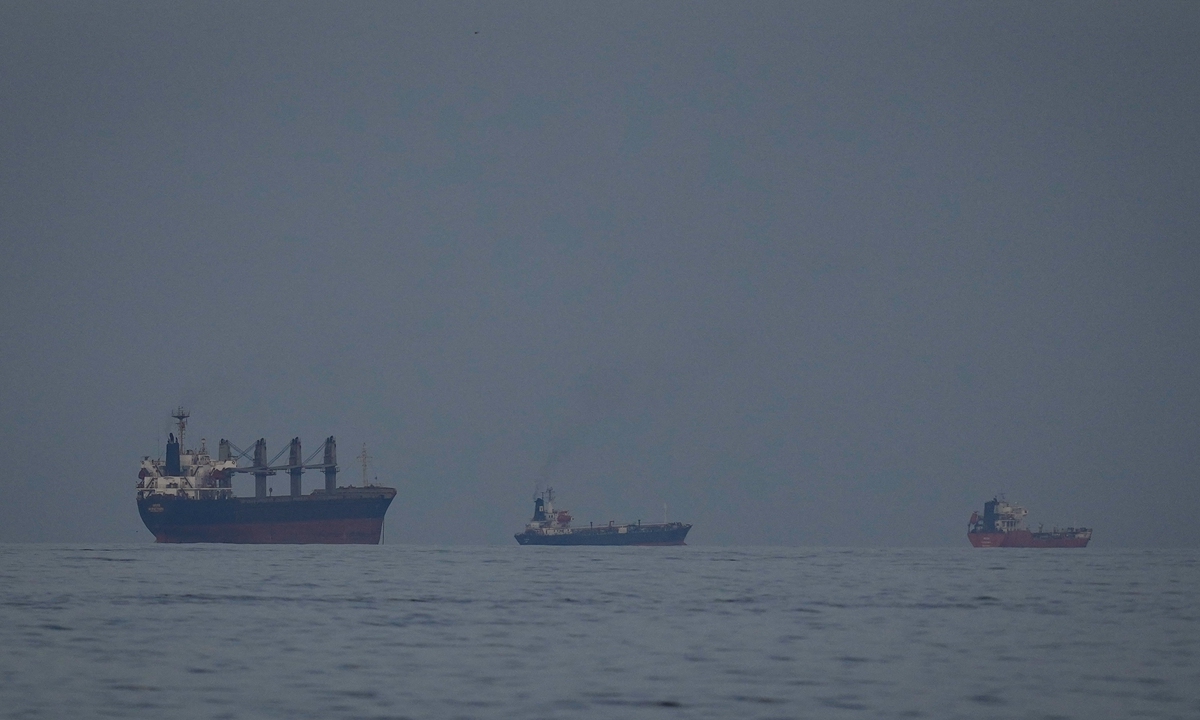
Recent events highlight escalating tensions between the United States and Russia following the U.S. seizure of two oil tankers, one of which was flying the Russian flag. Xinhua reports that the U.S. Coast Guard and military executed these actions in the North Atlantic and international waters, respectively, citing violations of U.S. sanctions. The tankers, reportedly linked to Venezuela, have been at the center of geopolitical maneuvering, reflecting the intricate web of international oil trade and sanctions.
It appears that the CCTV coverage provides a detailed account of the potential judicial proceedings facing the crew of these vessels. The White House press secretary emphasized the enforcement of sanctions against illegal oil transport, suggesting that crew members may face trials in the U.S. This underscores the American administration's firm stance on sanction enforcement, especially regarding Venezuela's oil sector.
The news highlights the diplomatic friction as Russia's Ministry of Transport condemned the U.S. actions, asserting that no country has the right to use force against vessels under another country's jurisdiction. This sentiment is echoed in both reports, with Russia demanding humane treatment of its citizens aboard the seized vessel and respect for their rights.
These developments indicate a broader strategic contest over energy resources and geopolitical influence. The Xinhua article focuses more on the operational details and the involvement of Russian naval assets in proximity, while CCTV emphasizes the legal and diplomatic ramifications. Both narratives, however, stress the geopolitical stakes and the potential for further diplomatic fallout.
Overall, the seizure of these tankers is a microcosm of the larger geopolitical chess game, reflecting the complexities of sanction enforcement and international maritime law.
Trump's NATO Skepticism and Greenland Ambitions Stir International Reactions
Recent events highlight former U.S. President Donald Trump's skepticism about NATO's reliability in supporting the United States during times of need. Articles from Xinhua and CCTV focus on Trump's social media post questioning NATO's support, despite the U.S.'s commitment to the alliance. Trump expressed doubt, asking if NATO would extend a helping hand when the U.S. truly needs it.
Both sources, Xinhua and CCTV, underscore Trump's remarks about Denmark's refusal to award him the Nobel Peace Prize and his repeated interest in acquiring Greenland, which is a self-governing territory of NATO member Denmark. Xinhua notes Trump's team is exploring various options to acquire Greenland, including potential military involvement. This has sparked strong opposition from European countries, particularly Denmark. Danish Prime Minister Mette Frederiksen warned that any U.S. military action against NATO nations would end all agreements.
The articles analyze how Trump's ambitions for Greenland and his critical stance on NATO have been met with resistance. French Foreign Minister Jean-Yves Le Drian emphasized that a U.S. attack on another NATO country contradicts its own interests, reflecting widespread European disapproval.
These developments indicate a complex geopolitical landscape where U.S. leadership's actions and statements can significantly affect transatlantic relations and alliances. Both Xinhua and CCTV present a narrative that questions the U.S. commitment to international agreements while highlighting China's perspective on global diplomacy.
U.S. Intentions to Acquire Greenland Spark International Backlash
Recent events show that the U.S. administration's consideration of purchasing Greenland has stirred significant international debate and opposition. According to Xinhua, U.S. officials, including National Security Advisor Robert O'Brien, are actively discussing the possibility of acquiring Greenland from Denmark. The report highlights U.S. President Trump’s persistent interest in the island, an interest that has been met with strong opposition from Denmark and other European nations.
The news highlights that the White House press secretary, Kayleigh McEnany, emphasized diplomacy as the preferred approach, although military options remain on the table. This stance has led to mixed signals, as noted by Sina, which reports that the White House adjusted its messaging within a day, suggesting internal deliberations and external pressures are at play.
These developments indicate a broader geopolitical struggle, with European leaders, such as France’s Foreign Minister Jean-Yves Le Drian, criticizing the U.S. for potentially undermining NATO cohesion by attempting to purchase a territory belonging to a fellow NATO member. Germany’s foreign minister echoed these concerns, emphasizing that Greenland’s future should be determined by its people and Denmark, a sentiment supported by other European leaders.
It appears that the differing narratives across news outlets reflect varied international perspectives on the issue. While Xinhua focuses on the strategic dialogues and potential military implications, Sina underscores the diplomatic fallout and internal U.S. policy adjustments. The contrast in coverage suggests that while the U.S. may view the acquisition as a strategic expansion, European nations perceive it as a destabilizing move that challenges established alliances and international norms.
China's Employment Landscape in 2025: Structural Challenges and Emerging Opportunities
Recent events show that China's job market by 2025 will be a highly discussed topic. According to Sina, while macroeconomic indicators suggest employment remains stable, individual experiences paint a different picture. The disparity between broad data and personal sentiment highlights systemic pressures.
These developments indicate a structural transformation in China's industries. Traditional sectors like manufacturing and real estate are waning in job creation, whereas emerging fields such as AI and digital economy are still in nascent stages, offering limited opportunities primarily in high-tech areas.
The news highlights that economic uncertainties have led companies to adopt conservative hiring practices, further complicating the employment landscape. The service sector, traditionally a buffer, faces constraints due to weak consumption and rising operational costs.
It appears that youth unemployment remains a significant concern, with high rates persisting among non-student young adults. The trend is exacerbated by a surge in civil service exam applications, reflecting a collective risk-averse behavior among graduates seeking stable employment.
Overall, the article underscores that the job market challenges are not simply about job scarcity but rather about mismatches in skills and expectations. The narrative suggests that while jobs exist, they are increasingly misaligned with the available workforce's qualifications and aspirations.