US-Iran Military De-escalation; South Korean Factory Fire's Global Supply Chain Impact; Shanghai's Real Estate Shift; Japan's Strategic US Investments
US-Iran Tensions: Trump's Call for Military De-escalation and Its Global Implications
Recent developments in US-Iran relations have seen a notable shift, as reported by several international media outlets. The World Journal highlights former President Trump's unexpected announcement about considering a gradual reduction of military actions against Iran, claiming that the US is nearing its strategic goals. This is a significant move as it suggests a potential shift in US foreign policy in the Middle East, which could have wide-reaching implications for global oil markets and geopolitical stability.
The Liberty Times echoes this narrative, emphasizing Trump's reflection on the military strategy in the region and his listing of five key objectives, including weakening Iran's missile capabilities and protecting US allies in the Middle East. The consistency between these reports suggests a concerted effort by US leadership to communicate a strategic pause, possibly to recalibrate its approach or to allow for diplomatic negotiations.
Meanwhile, Radio France Internationale provides a critical perspective, discussing the potential downsides of the US's unexpected strategies, such as the lack of prior notice to allies like Japan, drawing parallels to historical events like Pearl Harbor. This could suggest challenges in alliance management and the importance of clear communication in coalition operations.
The BBC adds another layer by exploring the broader regional impacts, particularly concerning North Korea. Given North Korea's historical ties with Iran in weapons development, any changes in US-Iran relations could indirectly affect North Korea's strategic calculations and its relationship with China.
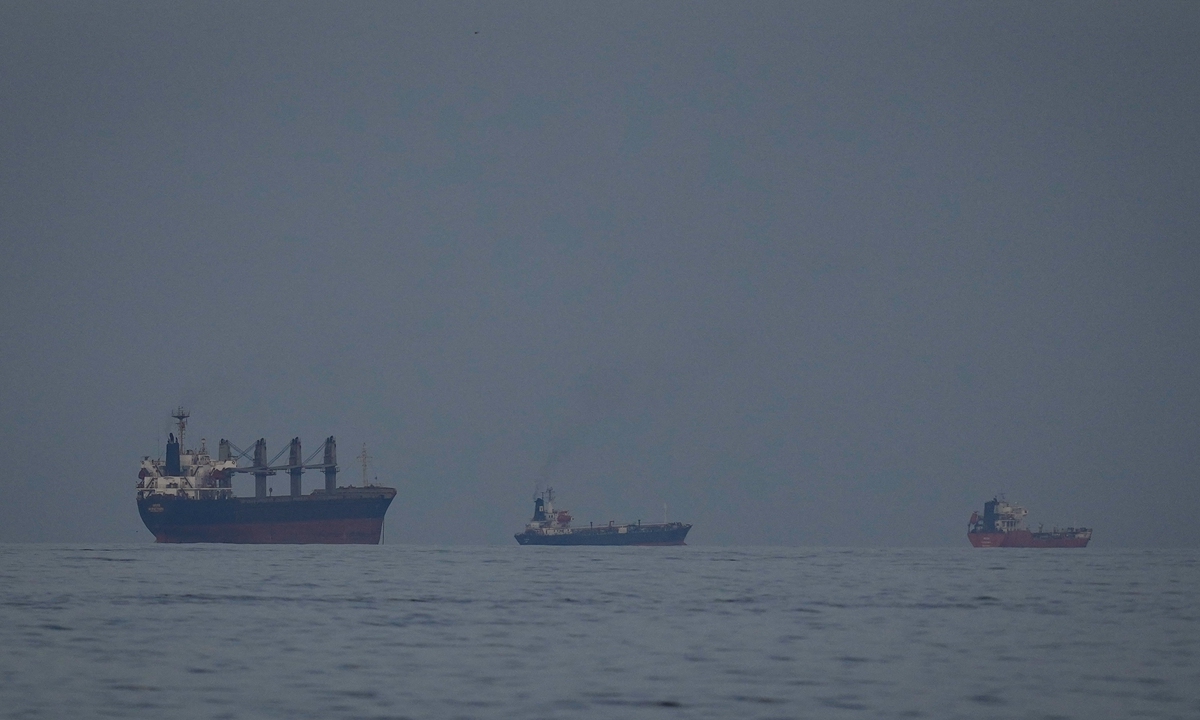
Additionally, CCTV and Sina focus on the operational aspects, discussing the logistics of potentially shifting the responsibility of key maritime security areas like the Hormuz Strait to other regional powers, which could impact global energy supply chains.
In summary, these reports collectively highlight a period of potential transition in US foreign policy towards Iran, with significant implications for international markets, especially in oil and energy sectors. This shift could also influence US relations with its allies and adversaries, necessitating careful monitoring by international stakeholders to navigate the evolving geopolitical landscape.
South Korean Factory Fire Exposes Gaps in Industrial Safety with Global Supply Chain Implications
A significant fire outbreak at an automobile parts factory in Daejeon, South Korea, has tragically resulted in the deaths of 10 individuals, with 4 still missing and 69 others injured. This incident highlights critical safety lapses that have both local and international repercussions, particularly concerning global supply chains and industrial safety standards.
CCTV reports that the fire broke out in the afternoon, and due to the severe structural damage and collapse risk, initial rescue efforts were delayed. The Korean authorities are continuing rescue operations and have initiated a comprehensive investigation into the causes and responsibilities behind the disaster. The fire's rapid spread was attributed to the presence of hazardous materials, complicating firefighting efforts.
Liberty Times adds that the fire prompted a nationwide emergency response, reflecting the gravity of the situation. The article notes that the building housed potentially explosive materials, which initially hindered the use of water in firefighting efforts. This underscores the need for enhanced safety protocols in industrial settings, a point that resonates beyond South Korea.
World Journal echoes the casualty figures and ongoing rescue efforts, further emphasizing the scale of the incident and the continuing search for missing persons. It highlights the coordinated efforts of police and fire departments to manage the situation.
For international markets and businesses, this incident underscores the vulnerability of supply chains to sudden disruptions, particularly in sectors reliant on specific components like automotive parts. The fire could lead to delays and increased costs for manufacturers globally, especially those dependent on parts from the affected facility. This situation may prompt companies to re-evaluate their supply chain resilience and consider diversifying their sources.
In terms of policy implications, the fire may influence both South Korean and international regulatory bodies to tighten industrial safety standards. Countries and regions, including the US and EU, might use this incident as a case study to bolster their own safety regulations and supply chain contingency plans. Moreover, investors should consider the potential risks associated with inadequate safety measures in industrial operations, as they can lead to significant financial and reputational damage.
Shanghai's Office-to-Rental Transformation: Implications for Global Real Estate and Investment Strategies
Shanghai is undergoing a significant transformation in its urban real estate landscape, with a strategic shift from commercial office spaces to residential rental units. This transformation is highlighted in two articles by Tencent News and Tencent News, which detail the city's policy-driven initiative to convert underutilized office buildings into high-demand rental housing.
The first article focuses on the large-scale migration of populations within Shanghai, emphasizing the city's active role in repurposing office spaces into rental units to meet the housing demand. Such initiatives are part of a broader policy known as "商改保" (commercial-to-rental conversion), aimed at revitalizing stagnant real estate assets and addressing housing shortages. This policy has seen the successful conversion of projects like the "苏河美馨公寓," which has achieved high occupancy rates and market acceptance. The article suggests that these transformations are critical for alleviating the dual challenges of idle real estate and housing supply constraints in megacities like Shanghai.
The second article provides a deeper dive into the specifics of these transformations, highlighting the "苏河美馨公寓" as a case study. It describes how the conversion of the Subei River office area into a high-end rental apartment complex has not only improved occupancy rates but also contributed to the local real estate market's dynamism. The article also mentions the introduction of REITs (Real Estate Investment Trusts) as a financial mechanism to support these conversions, which has sparked significant investor interest and set new records in the Chinese REIT market.
Globally, these developments indicate a shift in urban real estate strategies that may influence international markets and investors. As cities like Shanghai innovate to optimize real estate use, there are potential lessons for other global cities facing similar challenges. For international investors, these conversions and the associated REITs offer new opportunities for portfolio diversification, particularly in emerging markets where urbanization and housing demand are rapidly increasing.
In contrast, an article from Tencent News on Beijing's rental market provides a broader context of seasonal demand fluctuations and stable rental prices despite increased activity. While not directly related to Shanghai's policy shifts, it highlights the broader national trend of urban rental markets facing increasing demand, which further underscores the importance of innovative housing solutions.
For policymakers in the US, EU, and other regions, Shanghai's approach to real estate transformation offers a model for addressing urban housing shortages and economic revitalization. These policies could inspire similar initiatives aimed at optimizing real estate assets, enhancing urban livability, and supporting economic growth through strategic urban planning and investment.
US-Iran Tensions Escalate with Missile Strikes and Maritime Interventions in Strategic Waters
Recent developments in the Indian Ocean and the eastern Pacific highlight the growing complexity of US-Iran relations and their impact on global security and trade. According to Sina News, Iran reportedly launched two medium-range missiles targeting the Diego Garcia military base, a strategic US and UK installation. One missile was allegedly intercepted, while the fate of the other remains unclear. This incident underscores the heightened military tensions in regions critical for global shipping and energy supplies.
Further complicating the geopolitical landscape, CCTV reports that the US military conducted a strike on a vessel suspected of drug trafficking in the eastern Pacific, resulting in two fatalities. The operation, part of a broader initiative against what the US terms 'narco-terrorism,' raises questions about the use of military force in civilian maritime contexts and its implications for international maritime law.
These actions indicate a strategic posturing by the US in response to perceived threats in key maritime corridors. The potential disruption to these routes could have significant implications for international markets, particularly in terms of oil prices and shipping costs. For businesses and investors, the increased risk of conflict in these areas highlights the importance of geopolitical risk assessments in decision-making processes.
For policymakers in the US and EU, these incidents may necessitate a reassessment of military and diplomatic strategies in the region. The potential for escalation could drive a recalibration of alliances and defense commitments, impacting everything from military budgets to trade negotiations.
In the broader context, these developments reflect the intricate balance of power in global geopolitics, where regional conflicts have far-reaching consequences. International readers should note the strategic importance of these regions and the potential ripple effects on global stability and economic health.
US Embassy Compound in Iraq Faces Attacks, Sparking Concerns Over Regional Stability
Recent reports from Sina highlight a series of attacks on the U.S. embassy compound near Baghdad International Airport in Iraq. The compound, which serves as a logistical support area for the embassy, has been targeted multiple times, with the most recent incident involving a significant fire. The attacks, reportedly carried out by Iraqi militia groups, underscore ongoing security challenges in the region.
According to the reports, these incidents have been recurrent, with six attacks occurring within a short period. The U.S. military has been involved in operations around the compound, and there are plans to transfer control of the area to the Iraqi government. This shift in responsibility could affect the U.S.'s operational flexibility and influence in Iraq.
The implications of these developments are significant for international markets and policies. For investors, the instability in Iraq could impact oil prices, as the country is a major oil producer. Fluctuations in oil supply or increased geopolitical tensions in the Middle East could lead to volatility in global energy markets.
For the U.S. and EU, these attacks highlight the complexities of foreign policy in the region, including the balance between military presence and diplomatic engagement. The potential reduction of U.S. influence in Iraq might encourage other regional powers, such as Iran, to increase their sway, affecting the geopolitical landscape.
Globally, these events serve as a reminder of the fragile state of Middle Eastern politics and the risks inherent in international diplomatic missions. The broader strategic implications involve assessing the effectiveness of current U.S. foreign policies in maintaining regional stability while safeguarding its interests.
Global Stock Markets Tumble Amid Middle East Tensions: Implications for International Investors
Recent reports from Tencent and Sina highlight the turmoil in global stock markets, primarily driven by escalating tensions in the Middle East. Both articles detail a volatile March where global stocks have suffered significant declines, marking the worst performance in nearly a year. This downturn is attributed to surging energy prices and the resultant inflationary pressures, exacerbating fears among investors and leading to a sell-off in traditional safe-haven assets like U.S. government debt.
The articles note that investors are eagerly awaiting signs of market bottoming, with historical analyses suggesting that markets typically stabilize about three weeks after a crisis begins. Jim Reid, a strategist from Deutsche Bank, is quoted in both pieces, affirming that the current market conditions are nearing this historical window for recovery.
Importantly, the news underscores the wider strategic and economic implications for international markets. As energy prices spike due to disruptions in Middle Eastern oil and gas facilities, global inflation could rise, prompting central banks to reconsider their monetary strategies. This scenario impacts not only the U.S. and European markets but also influences policy decisions in Asia-Pacific regions heavily reliant on energy imports.
For international investors, the articles suggest caution but also hint at potential buying opportunities as markets approach their nadir. The possibility of further declines, however, remains, with some estimates suggesting an additional 3% to 5% drop might trigger a significant buying event. This sentiment reflects a broader expectation that once stability in energy prices is assured, markets will likely see a resurgence.
From a geopolitical standpoint, the situation in the Middle East and its impact on energy supplies serves as a critical reminder of the interconnectedness of global markets and the potential for regional conflicts to have far-reaching economic consequences. For businesses and policymakers outside China, understanding these dynamics is crucial for navigating the current economic landscape and preparing for future uncertainties.
Japan's Strategic Investments in the US Highlight Uneven Alliance Dynamics Amid Global Economic Shifts
The recent diplomatic visit by Japanese Prime Minister Fumio Kishida to the United States has been met with significant scrutiny both domestically and internationally. According to an analysis by Sina, Kishida brought with him a 'generous gift' comprising a $730 billion investment package in the U.S., which includes substantial funding for small modular reactors in Tennessee and Alabama, as well as a major natural gas project in Louisiana and Texas. The article critiques this move as a high-stakes 'political show,' suggesting Japan is paying a hefty 'protection fee' for its alliance with the U.S., without receiving equivalent returns.
This narrative underscores the perceived imbalance in the Japan-U.S. alliance, where Japan's financial commitments are viewed as disproportionately large compared to the strategic benefits received. The analysis points out that these investments are part of a broader strategic investment initiative aimed at rebuilding U.S. core industries by 2029, with Japan shouldering a significant portion of the costs. The implications for international markets are profound, as such investments may stabilize U.S. energy sectors and influence global energy prices, while also impacting Japan's domestic economy amidst rising inflation and a depreciating yen.
In contrast, Liberty Times highlights a more nuanced diplomatic exchange, focusing on the historical and personal dynamics between U.S. and Japanese leaders. The article recounts a 'Pearl Harbor joke' made by former U.S. President Donald Trump to Kishida, drawing parallels to a similar incident involving former Japanese Prime Minister Shinzo Abe. This anecdote illustrates the complex interplay of historical narratives and personal rapport in shaping diplomatic relations.
While Liberty Times emphasizes the informal aspects of U.S.-Japan interactions, it also reflects on the broader geopolitical context, suggesting that such exchanges, though seemingly trivial, can influence public perception and diplomatic tone. For international readers, these nuances are critical in understanding how historical grievances and cultural sensitivities continue to play a role in modern diplomacy.
The global strategic implications are significant. Kishida's investments in U.S. infrastructure not only reinforce the Japan-U.S. strategic alliance but also signal Japan's commitment to supporting U.S. economic and military primacy in the face of rising Chinese influence. For businesses and investors, this could mean new opportunities in the U.S. energy sector, while policymakers in the EU and other regions may view this as a model for leveraging bilateral investments to secure strategic alliances.
Overall, these developments highlight the complexities of international alliances, where economic investments are intricately linked to geopolitical strategies, and historical narratives continue to influence contemporary diplomacy. For international markets and policymakers, understanding these dynamics is crucial for navigating the shifting landscape of global power relations.