US-Iran Military Tensions Escalate; Fed Chair Nomination Rattles Markets; Shanghai's Economic and Military Shifts Signal Global Impact
Today's international developments reveal a complex web of geopolitical and economic shifts with far-reaching global implications. From the intensifying US-Iran military tensions to the nomination of Kevin Warsh as the next US Federal Reserve Chair, and strategic moves in China's economic and military sectors, these events underscore the interconnectedness of global markets and security dynamics.
US-Iran Tensions and Economic Sanctions: Global Repercussions and Strategic Implications
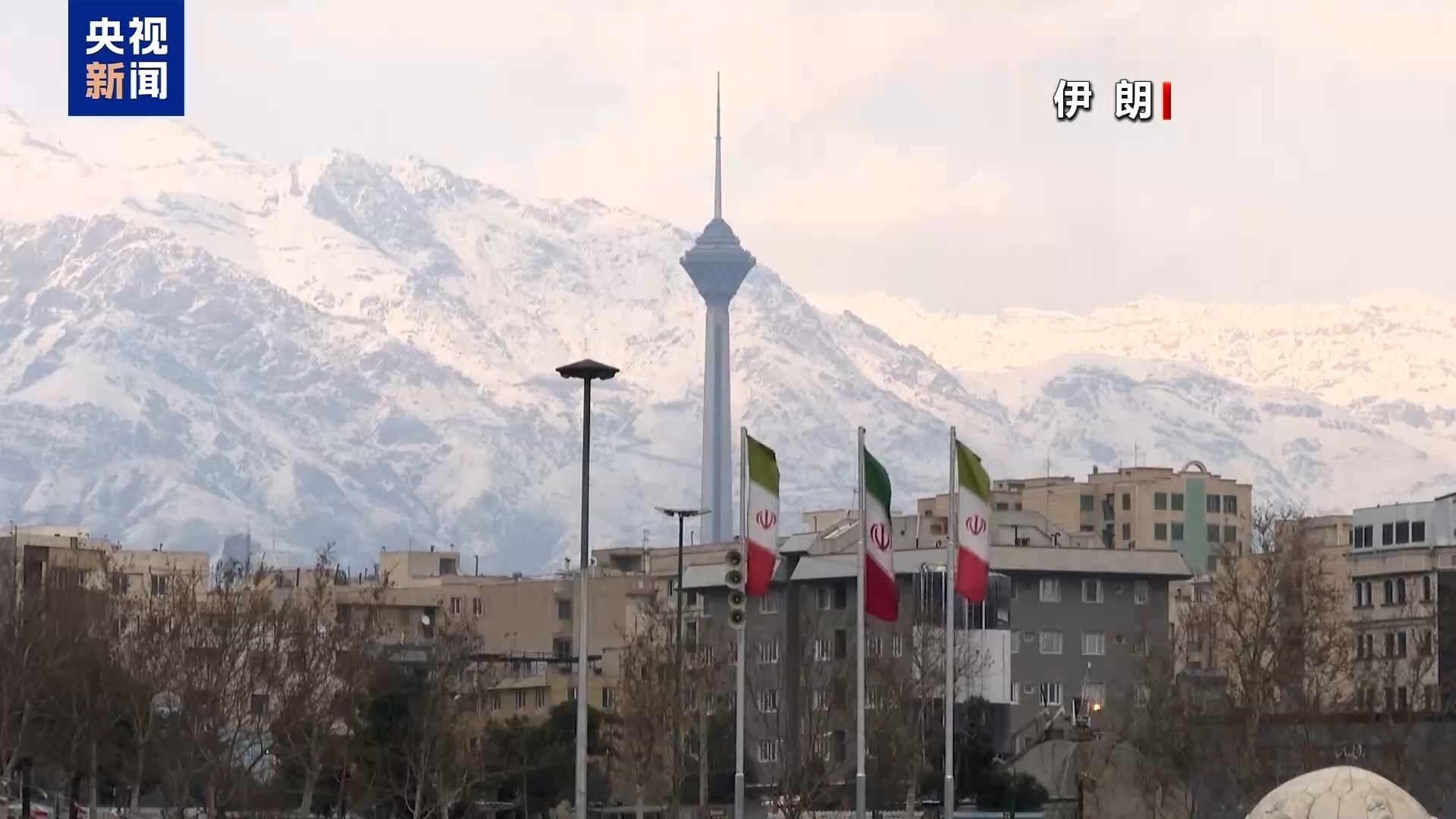
The escalating tensions between the United States and Iran have captured international attention, with significant implications for global markets and geopolitical dynamics. Recent reports from Liberty Times and Sina News highlight the potential for military action in the Middle East, as the US military prepares for a possible strike against Iran. This development underscores the volatility in the region, which could disrupt global oil supplies and affect energy prices worldwide. Investors and businesses should be aware of the potential for increased market instability.
According to Liberty Times, the US administration is considering a "rapid and fierce" military response, which has already heightened tensions in the Middle East. This move could have ripple effects, prompting shifts in US and EU regional policies, particularly concerning defense and energy security.
Furthermore, Sina News reports that Iran claims to have intelligence on US military plans, suggesting a readiness to retaliate. This tit-for-tat rhetoric indicates a potential escalation that could lead to broader geopolitical conflicts, impacting international relations and trade.
The US has also announced new sanctions against Iran, targeting key figures within the Iranian Revolutionary Guard, as reported by CCTV. These sanctions are part of a broader strategy to weaken Iran's military capabilities and political influence. For global businesses, this increases compliance risks and could complicate operations in the region.
In parallel, the Radio France Internationale reports on China's reduction of import tariffs on whisky from the UK, which could boost bilateral trade and serve as a counterbalance to the US's aggressive stance. This move signals China's strategic attempt to strengthen its trade relationships amidst global geopolitical tensions.
Overall, these developments indicate a complex interplay of military posturing and economic strategies, with significant implications for international markets and diplomatic relations. Businesses and policymakers worldwide should closely monitor these events to navigate the evolving geopolitical landscape effectively.
Kevin Warsh's Fed Nomination: Implications for Global Monetary Policy and Markets
Recent developments in the United States have captured global attention as President Trump nominated Kevin Warsh, a former Federal Reserve governor, as the next Fed Chair. This nomination, pending Senate approval, has stirred discussions about the future direction of U.S. monetary policy and its global repercussions.
CCTV highlights Warsh’s past tenure at the Fed during the 2008 financial crisis, noting his hawkish stance on monetary policy and his recent shift towards supporting Trump's tariff policies and faster rate cuts. This transition suggests Warsh might align more with the current administration's economic strategies, potentially easing tensions between the Federal Reserve and the White House.
In contrast, Sina emphasizes the political balance Warsh might bring, combining hawkish principles with pragmatic approaches. This duality could mitigate market fears of uncontrolled inflation while meeting the administration’s growth targets. However, it remains uncertain if Warsh can fully reconcile the Fed's independence with the administration's economic objectives.
Tencent provides a more sensational take, framing the nomination as potentially negative ('bad news') for global markets, hinting at concerns over Warsh's potential policy shifts that could impact international liquidity and capital flows.
The international implications of Warsh’s potential appointment are significant. For global markets and investors, his leadership could signal a shift towards a more aggressive monetary policy stance, affecting interest rate paths and financial stability worldwide. This might influence currency valuations, with potential ripple effects on emerging markets reliant on U.S. dollar flows. Additionally, European and Asian policymakers may need to adjust their strategies in response to any changes in U.S. monetary policy.
Overall, Warsh's nomination underscores the delicate balance between domestic policy alignment and maintaining global economic stability. International observers should closely monitor how his policy decisions could reshape global financial landscapes, affecting everything from currency exchange rates to cross-border investments.
Global Precious Metals Market Faces Turbulence Amid U.S. Fed Leadership Shift
Recent developments in the global precious metals market have captured significant attention, particularly with the dramatic volatility in gold and silver prices. According to Sina Finance, the announcement of Kevin Warsh as the nominee for the next U.S. Federal Reserve Chair has led to substantial market reactions. The anticipation of Warsh's hawkish monetary policy stance has resulted in a strengthening of the U.S. dollar, which in turn has triggered a sell-off in precious metals. Notably, silver prices on the COMEX plummeted by 35%, while gold prices fell by 10%.
Another report from Sina highlights the panic-driven sell-off that swept through the global precious metals market, exacerbating the decline. As of the latest figures, spot silver dropped 34.67% within a day, marking one of the most significant intraday declines since 2008. Concurrently, U.S. stock markets also experienced a downturn, with major indices such as the NASDAQ and Dow Jones falling more than 1%.
Further analysis by Caixin reiterates the severity of the sell-off, noting that silver's daily drop of 20% is the largest since the financial crisis of 2008. The report underscores the impact of market expectations surrounding the Fed's future monetary policy direction.
These developments hold significant implications for international markets. The strengthening U.S. dollar, driven by expectations of tighter monetary policy, could lead to increased costs for non-U.S. investors in dollar-denominated assets. This scenario may prompt a reevaluation of asset allocations, particularly in emerging markets where currency stability is a critical concern.
For U.S. and EU policymakers, the volatility in precious metals underscores the interconnectedness of global financial systems and the potential ripple effects of changes in U.S. monetary policy. As the Fed's leadership transition unfolds, monitoring these market dynamics will be crucial for crafting responsive and adaptive economic policies.
Investors worldwide should pay close attention to these shifts, as they could signal broader changes in global financial conditions. The strategic implications of a fortified dollar and fluctuating commodity prices may influence trade balances, inflationary pressures, and ultimately, economic growth trajectories across various regions.
US-Iran Tensions Escalate as Military Posturing Raises Global Concerns
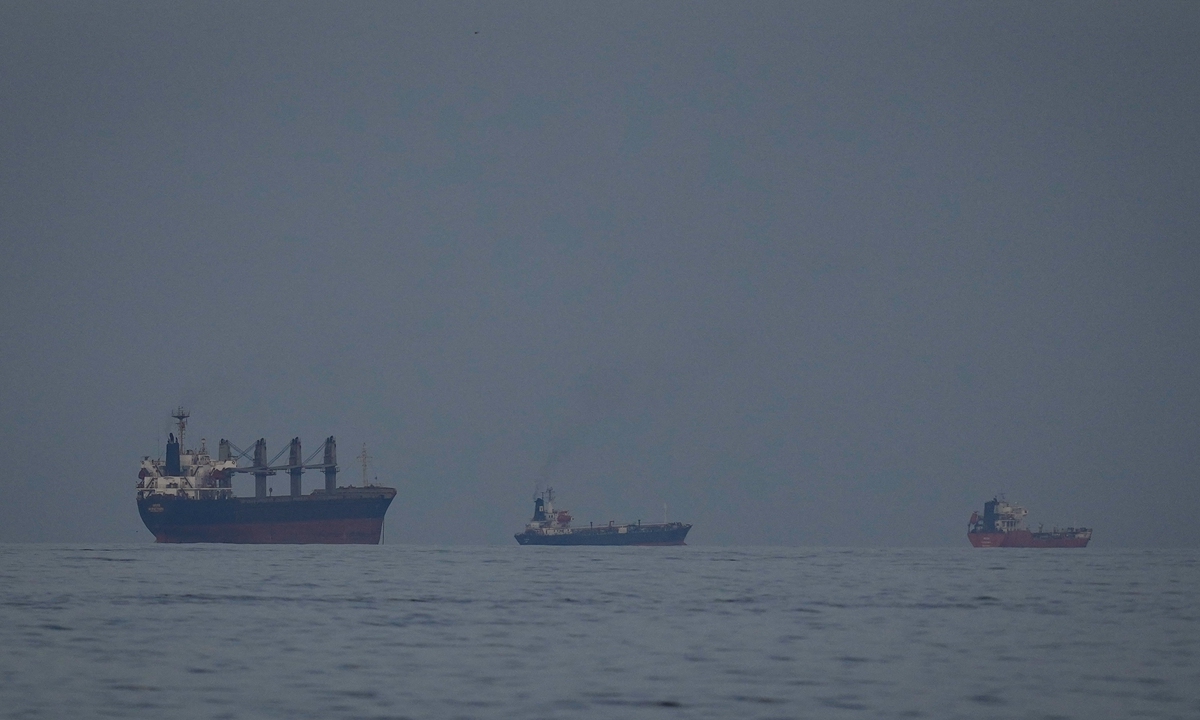
Recent developments indicate a significant escalation in US-Iran tensions, with both Tencent and Sina highlighting the mounting military presence and rhetoric. According to these sources, the US has deployed a formidable naval fleet near Iran, with high-ranking US military officials warning allies in the Middle East about potential military actions authorized by President Trump.
The news highlights the strategic positioning of the US military, including aircraft carriers and advanced fighter jets, which are now stationed near Iran. This military buildup underscores the US's capability and readiness to engage, reflecting its strategic intent to exert pressure on Iran amidst ongoing nuclear tensions. This situation could have considerable implications for international markets, particularly in the oil sector, given the potential for disruptions in the Strait of Hormuz, a critical chokepoint for global oil supply.
Both Tencent and Sina report on Iran's response, with Iranian officials expressing skepticism about US intentions and emphasizing their readiness for dialogue, albeit not under duress. This reflects a broader strategic dilemma, where Iran seeks to avoid conflict but must prepare for potential escalation. The international community, particularly investors and policymakers in the US and EU, should be alert to these developments, as they could lead to volatility in global markets and necessitate shifts in foreign policy approaches.
The broader strategic implications of this standoff are significant. The US's military maneuvers serve as a reminder of its influence in the Middle East, potentially affecting regional alliances and prompting a recalibration of strategic priorities by other global powers, including China and Russia. As tensions mount, the risk of miscalculation or unintended escalation becomes more pronounced, highlighting the need for diplomatic engagement to prevent conflict.
In summary, the narratives from Tencent and Sina provide a comprehensive view of the current US-Iran tensions, emphasizing the military posturing and its potential consequences. For international audiences, this situation underscores the interconnectedness of global security dynamics and the critical importance of monitoring geopolitical developments that could impact economic stability and international relations.
Shanghai's Consumer Policy and Military Shakeup: Global Implications
Sina reports that Shanghai has announced a significant policy aimed at boosting consumption by offering subsidies for old-to-new product exchanges, especially in the automotive and electronics sectors. The policy provides up to 20,000 yuan in subsidies for purchasing new energy vehicles and up to 1,500 yuan for home appliances like refrigerators and washing machines. This initiative is part of a broader effort to modernize infrastructure and promote sustainable consumption.
For international markets, this policy indicates China's commitment to transitioning towards a greener economy, which could influence global supply chains, especially in the automotive and electronics sectors. Investors and businesses in the EU and US might see opportunities in providing green technologies or collaborating with Chinese companies to meet the rising demand for new energy vehicles.
Radio France Internationale (RFI) reports on a major military shakeup in China, with the arrest of Zhang Youxia, the first vice-chairman of the Central Military Commission. This move, part of President Xi Jinping's long-running anti-corruption campaign, raises questions about political loyalty and the stability of military leadership.
The international implications of this development are profound. For the US and its allies, the removal of such a high-ranking military figure could signal shifts in China's defense strategies, potentially affecting regional security dynamics, especially concerning Taiwan. Analysts and policymakers worldwide will be closely monitoring how this shakeup influences China's military operations and its approach to geopolitical issues.
These developments in Shanghai's consumer policy and the military leadership shakeup illustrate China's dual focus on economic modernization and political consolidation. For international readers, understanding these shifts is crucial as they have the potential to reshape economic partnerships and security strategies globally.