
US-Iran Tensions Escalate; China's Middle East Diplomacy Intensifies; AI and Military Developments Shape Global Dynamics
Market Volatility and Geopolitical Tensions: Analyzing the U.S.-Iran Conflict and its Global Impact
Recent developments indicate heightened tensions between the United States and Iran, with significant implications for global markets and international relations. Several articles from different publications provide varied perspectives on the evolving situation, highlighting both geopolitical maneuvers and market reactions.
Sina reports on former President Trump's announcement on Truth Social regarding U.S.-Iran discussions and the potential ceasefire, which led to unusual betting activity on Polymarket. This suggests that insider information may have influenced market behaviors, raising questions about market integrity and regulatory oversight. Such developments can affect global investor confidence, particularly in volatile markets sensitive to geopolitical news.
Meanwhile, World Journal discusses the conflicting narratives between the U.S. and Iran, with each side accusing the other of misinformation. This highlights the challenges in diplomatic communications and the potential for misinformation to destabilize markets. For international policymakers, understanding these narratives is crucial in navigating diplomatic strategies and anticipating market responses.
The Liberty Times article reveals a critical phone conversation between U.S. and Israeli leaders, underscoring the strategic alliances and military considerations in the region. This points to the broader implications for Middle Eastern geopolitics and the role of regional powers in shaping conflict outcomes. For global businesses, especially those in the energy sector, such alliances can influence oil supply routes and market stability.
Moreover, Tencent highlights market reactions to Trump's statements, noting significant fluctuations in oil prices and stock indices. This volatility reflects investor sensitivity to geopolitical risks and can impact global economic forecasts, potentially influencing central bank policies in the U.S. and Europe.
Overall, these developments highlight the interconnectedness of geopolitical events and global markets. For international readers, understanding these dynamics is essential for strategic investment decisions and policy formulation. As the U.S.-Iran situation evolves, its implications for energy markets, diplomatic relations, and global economic stability will remain a focal point for investors and policymakers alike.
Colombian Military Plane Crash: Implications for Global Aviation Safety and Defense Procurement
The recent crash of a Colombian military transport plane has been extensively covered by various news outlets, each offering slightly different narratives and casualty figures. CCTV initially reported 48 fatalities, while a later update from the same source revised this number to 34. In contrast, Liberty Times and World Journal reported eight deaths and over 80 injuries, highlighting the ongoing rescue and investigation efforts.
The discrepancies in reported figures may reflect the chaotic nature of early reporting during such incidents. Nevertheless, the core details remain consistent: the aircraft, a Lockheed Martin C-130 Hercules, crashed shortly after takeoff in the Amazon region, close to the Peruvian border, prompting immediate rescue operations and an investigation into the crash's cause.
This tragic event underscores the critical importance of aviation safety protocols and the challenges faced by military procurement agencies worldwide. For international markets, this incident could prompt a reevaluation of existing contracts with defense manufacturers like Lockheed Martin, potentially affecting stock performance and future procurement decisions. The crash also raises questions about the reliability and maintenance of military aircraft, which could influence defense policies in the US, EU, and other regions.
For global readers, this incident serves as a stark reminder of the complexities involved in military logistics and the potential human cost of technological and operational failures. As countries assess their military capabilities and relationships with defense contractors, the implications of this crash may extend beyond Colombia, influencing international defense strategies and procurement policies.
China's Role in Middle East Diplomacy: Global Relevance and Strategic Implications
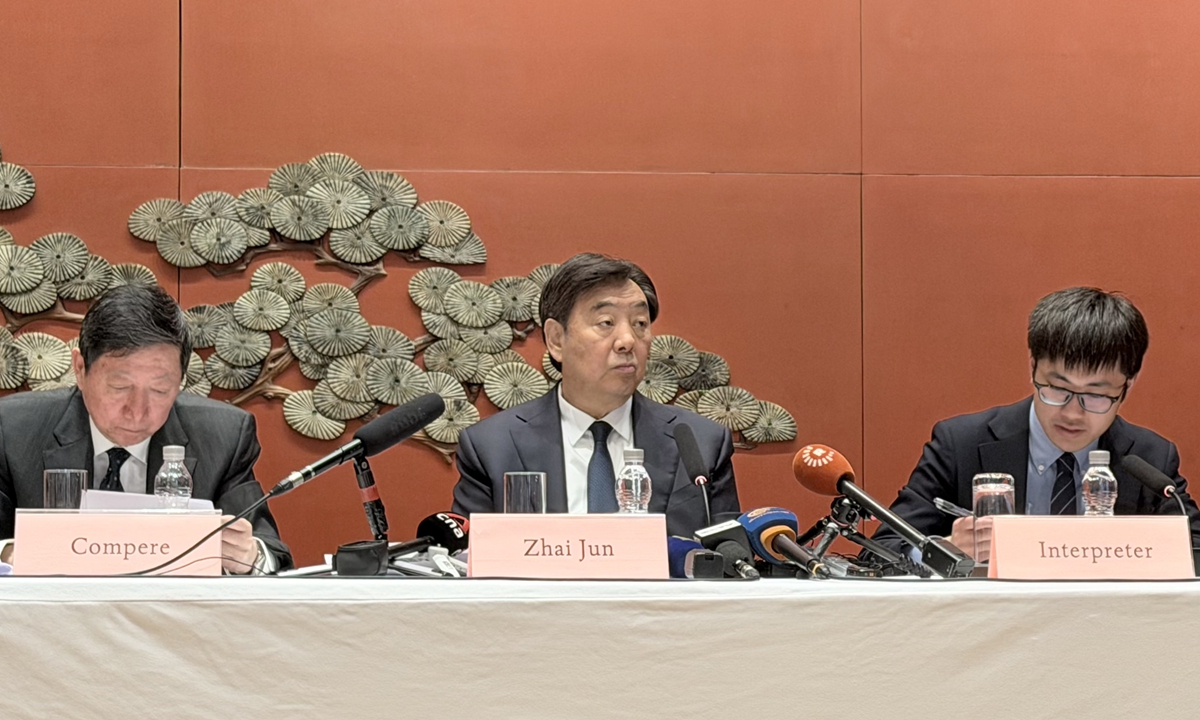
Recent statements from Chinese envoy Zhai Jun underscore China's proactive stance in the Middle East, with a clear call for ceasefire and dialogue amidst escalating tensions. According to Xinhua, China's position emphasizes peace, stability, and multilateral dialogue as key to resolving conflicts in the region. This approach aligns with China's broader foreign policy objectives of portraying itself as a responsible global power committed to peace and stability.
Meanwhile, the Global Times highlights China's diplomatic engagements, particularly its interactions with Iran, underscoring an active role in mediating conflicts. By facilitating dialogue between Israel and Iran, China positions itself as a counterbalance to US influence, potentially reshaping the geopolitical landscape in the Middle East.
On a different note, Sina provides a cultural perspective, focusing on China's initiatives to promote its cultural diplomacy. The 'Discover the Beauty of China' event reflects China's soft power strategy, aiming to enhance its global image and foster goodwill through cultural exchanges.
These developments indicate China's multi-faceted approach to international diplomacy, combining peace advocacy in conflict zones with cultural outreach. For international markets and businesses, China's increasing involvement in the Middle East could influence regional stability, affecting global oil prices and supply chains. Additionally, China's cultural diplomacy efforts might enhance its appeal as a tourist destination, impacting global travel trends.
For the US and EU, China's active role in Middle East diplomacy presents both challenges and opportunities. While it might reduce direct US influence, it also opens avenues for collaboration in stabilizing the region. Overall, China's actions in the Middle East highlight its ambition to be a global leader, with implications for international policy and economic strategies.
US Military Movements in the Middle East: Strategic Implications for Global Security
Recent reports from Sina reveal that the United States is planning a significant military deployment in the Middle East, with thousands of U.S. Marines expected to arrive in the region by March 27. This development coincides with President Trump's deadline for Iran to reopen the strategic Hormuz Strait, a crucial chokepoint for global oil shipments.
The Sina article details that the U.S. military is poised to send additional forces, including a contingent from the 31st Marine Expeditionary Unit, and considers deploying an airborne brigade for potential operations on Iran's Kharg Island, a major oil export hub. Such military maneuvers signal a heightened readiness to secure strategic assets and exert pressure on Iran amidst escalating tensions.
This deployment has significant implications for international markets, particularly in the energy sector. The potential threat to the Hormuz Strait could disrupt global oil supply, causing fluctuations in oil prices that would affect economies worldwide, especially in energy-dependent regions like the EU and Asia.
For U.S. and EU policymakers, this move underscores the importance of maintaining open and secure shipping lanes in the Gulf, highlighting the strategic necessity of diplomatic engagement with Middle Eastern powers to prevent conflict escalation.
Meanwhile, CCTV provides less detailed coverage, mainly confirming the deployment plans without delving into the broader strategic context. This suggests a focus on reporting official narratives without extensive analysis, possibly to maintain alignment with state perspectives on international military developments.
Overall, the U.S. military's actions in the Middle East serve as a critical barometer for global geopolitical stability, with potential ripple effects on international trade, energy security, and diplomatic relations. As such, global investors and policymakers should closely monitor these developments, understanding their far-reaching consequences beyond regional confines.
China's AI Surge: Implications for Global Markets and Labor Dynamics
Recent data from Xinhua highlights a significant rise in the usage of Chinese AI models, with China surpassing the US in the volume of AI model token usage for three consecutive weeks. This surge is attributed to China's competitive pricing and advances in open-source models, which have reduced costs and spurred demand among developers and enterprises. The data underscores a shift in AI development focus from model deployment to scalable applications, suggesting that China's AI industry is entering a phase of rapid industrialization. This development signals a potential realignment in global AI leadership, challenging the dominance of US-based closed-source models. For international markets, this could mean increased competition and innovation, particularly in sectors relying on AI for cost efficiency and scalability.
Meanwhile, BBC reports on the societal impact of AI tools like OpenClaw in China, where the rapid adoption of AI agents is reshaping job markets and business models. The narrative captures the dual emotions of excitement and fear as AI begins to replace human tasks, particularly in industries such as programming and customer service. The story highlights the disruptive potential of AI in the labor market, where traditional career paths may be upended, and new opportunities arise for entrepreneurial ventures and startups leveraging AI capabilities. This mirrors broader global trends where AI is poised to transform labor dynamics, prompting policymakers in the US, EU, and other regions to reconsider employment strategies and educational frameworks to accommodate these shifts.
Both articles reflect differing perspectives on China's AI advancements. Xinhua emphasizes China's strategic positioning and competitive edge in AI development, likely aiming to bolster national pride and confidence in domestic innovation. In contrast, BBC focuses on the societal implications, illustrating the human impact of technological change. For international audiences, these narratives highlight the need to balance technological adoption with social considerations, ensuring that innovations do not exacerbate inequality or displace workers without adequate support systems. As AI continues to evolve, its integration into global markets will require careful management to harness its benefits while mitigating potential risks.
Celebrity Encounters in Shanghai: A Glimpse into China's Entertainment Industry and Its Global Relevance
In a recent article from Tencent News, the focus is on the sighting of Yue Yunpeng, a well-known Chinese comedian, in Shanghai. The article describes a scene where Yue Yunpeng, dressed in black and maintaining a reserved demeanor, was spotted outside a venue, evoking a strong presence that contrasts with his usual public persona. Accompanied by an assistant who nonchalantly smoked a cigarette, the encounter paints a picture of Yue Yunpeng's laid-back attitude towards his public image and criticism.
The narrative highlights Yue Yunpeng's resilience in the face of industry critiques, particularly from a fellow performer, Ma Guorong, who openly criticized Yue's comedic style as lacking traditional depth. Instead of responding publicly, Yue Yunpeng continued with his performances, reflecting a focus on his craft rather than public opinion.
This story, while seemingly localized, holds broader implications for international audiences. It showcases the dynamics within China's entertainment industry, which is increasingly gaining global attention. Understanding these internal narratives is crucial for international businesses and investors looking to navigate China's vast media and entertainment market. As Chinese celebrities like Yue Yunpeng become more prominent globally, their personal brands and the industry dynamics will influence global media strategies and cultural exchanges.
For policymakers and cultural analysts outside China, the handling of public criticism and the focus on authentic performance in the Chinese entertainment sector can provide insights into the country's cultural soft power strategies. The resilience and adaptability of figures like Yue Yunpeng may also reflect broader societal values that influence China's international cultural diplomacy.