US-Iran Tensions Escalate; Fed Holds Interest Rates; Colombian Political Tragedy; US Immigration Sparks Protests
US Federal Reserve's Interest Rate Decision Amid Global Economic Uncertainty
Recent developments from the US Federal Reserve highlight a pivotal moment in global economic policy. The Fed has decided to maintain its benchmark interest rate within the range of 3.5% to 3.75%, a decision that has attracted various international reactions and interpretations. This decision aligns with market expectations but underscores the complexities of balancing economic growth and inflation control in an interconnected world.
Sina News reports on Fed Chair Jerome Powell's emphasis on maintaining the independence of the Federal Reserve despite external pressures. The article discusses Powell's views on the impact of tariffs on consumer prices, suggesting that these effects have largely peaked. This is significant for international markets, as it implies a potential stabilization in global supply chains and consumer goods pricing, which can influence inflationary pressures worldwide.
Meanwhile, Liberty Times provides a narrative of internal dissent within the Fed, noting that some board members, such as Stephen Miran and Christopher Waller, voted against the decision, advocating for a rate cut instead. This internal division points to differing economic outlooks, with implications for how other central banks might adjust their own monetary policies in response to perceived economic threats.
CCTV offers a broader perspective, noting that the Fed's decision is part of a global trend of monetary policy caution, citing Canada's central bank's similar decision to maintain its interest rate at 2.25%. This reflects a global economic environment characterized by cautious optimism amid ongoing trade tensions and economic uncertainties.
Another Sina News article corroborates these reports, focusing on the Fed's commitment to its dual mandate of full employment and price stability. It highlights the Fed's cautious approach in considering future rate adjustments, emphasizing the importance of data-driven decisions in a volatile economic landscape.
For international audiences, these developments indicate potential shifts in investment strategies and economic forecasts. The Fed's decision to hold rates steady could stabilize the US dollar, affecting exchange rates and international trade balances. Additionally, global investors and policymakers should monitor these developments closely, as they could signal broader economic trends and inform future fiscal and monetary policies in other regions.
US-Iran Tensions Escalate as Military Posturing Intensifies: Global Implications
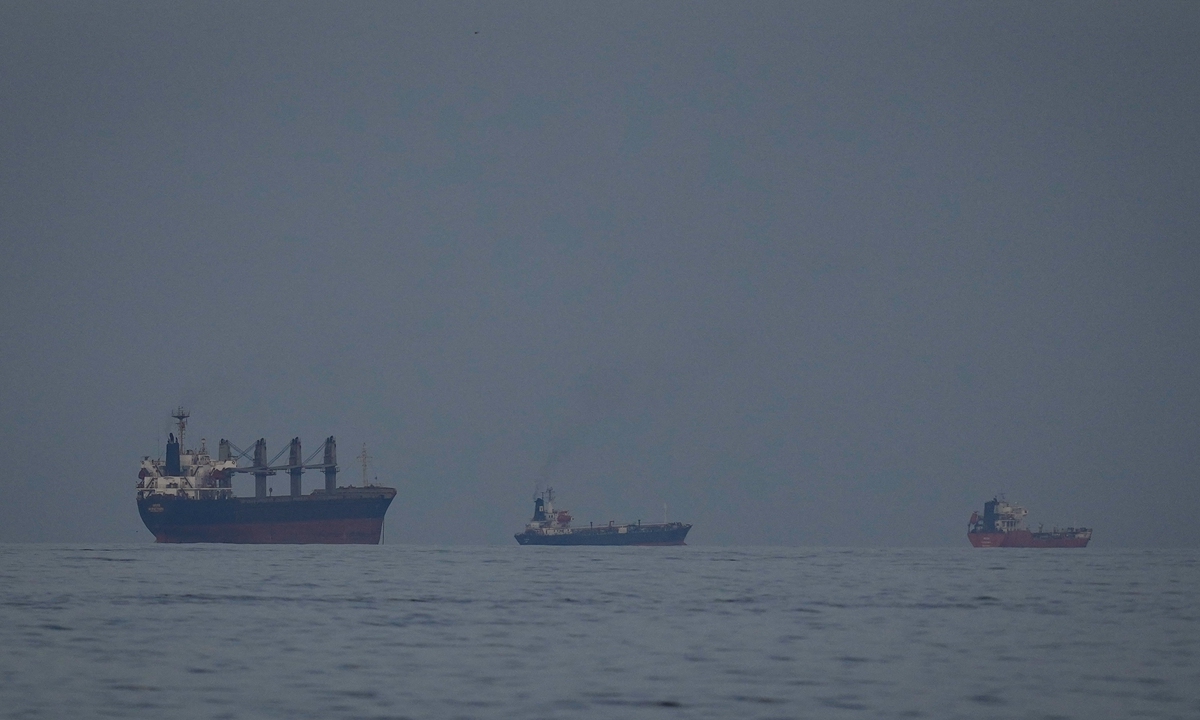
Recent reports from Sina highlight escalating tensions between the United States and Iran, with President Trump reportedly considering significant military actions against Iran. The discussions include potential airstrikes targeting Iranian leadership and nuclear facilities, although no final decision has been made. This development occurs amidst the deployment of the USS Abraham Lincoln carrier strike group to the region, expanding the range of military options available to the US.
Meanwhile, another Sina report elaborates on the US's sustained military pressure on Iran over a three-day period, urging Iran to return to negotiation talks. Iran's Foreign Minister has indicated a willingness to negotiate, provided the US ceases its military intimidation and excessive demands. The Iranian response underscores their preparedness for self-defense, signaling potential regional instability.
These developments indicate a significant escalation in US-Iran relations, with potential global repercussions. For international markets, heightened tensions could impact oil prices, given the strategic importance of the Strait of Hormuz, through which approximately 20% of the world's petroleum passes. Any disruption could lead to increased energy costs globally, affecting economic stability in oil-dependent regions.
For policymakers in the US and EU, the situation demands careful navigation to avoid further destabilizing the region, which could lead to broader geopolitical conflicts. The EU, in particular, may need to mediate to prevent escalation, while balancing its interests in the Middle East.
For global readers, understanding these tensions is crucial, as they may affect international relations, energy markets, and global security dynamics. The broader strategic implications include the potential for a shift in power dynamics within the Middle East, influencing global alliances and economic partnerships. The reports highlight the delicate balance required in international diplomacy to manage such high-stakes confrontations.
Colombian Plane Crash Claims Lives of Politicians Amidst Political Turmoil
On January 28, a tragic plane crash occurred in the northeastern mountainous region of Colombia, claiming the lives of all 15 individuals on board. This incident has been reported by multiple sources, including Liberty Times and CCTV. The aircraft, operated by Satena Airlines, lost contact with air traffic control shortly after takeoff from Cucuta, intended for Ocana. The crash site, located in a remote area known for its rugged terrain and guerrilla activity, poses challenges for investigation and recovery efforts.
The plane was a Beechcraft 1900, a twin-engine turboprop civil aircraft. Among the passengers were a Colombian congressman, Diogenes Quintero, and Carlos Salcedo, a candidate for the upcoming national elections in March. The presence of political figures on the flight suggests potential implications for Colombia's political landscape, especially in a region marked by complex socio-political dynamics.
Liberty Times highlights the crash's context within Colombia's ongoing struggles with armed groups like the National Liberation Army (ELN), which could complicate investigative processes. Meanwhile, CCTV notes the adverse weather conditions at the time of the crash, suggesting environmental factors may have contributed.
Internationally, this incident underscores the vulnerabilities in aviation safety and political stability in regions prone to conflict. For global investors and policymakers, it raises concerns about security and operational risks in Colombia, a country with significant natural resources and investment potential. The loss of political figures could also impact Colombia's policy directions, affecting trade and diplomatic relations with other nations, including the United States and European Union.
Overall, the crash is not just a tragic event but a reminder of the intricate interplay between aviation safety, political stability, and international relations. Stakeholders must consider these factors when engaging with Colombia, both in terms of humanitarian response and strategic investments.
US Immigration Enforcement Sparks Protests Amidst Federal and Local Tensions
Recent incidents in Minneapolis, where US immigration enforcement actions led to the deaths of American citizens, have ignited significant public protests and a contentious standoff between federal and local authorities. Sina reports that local Minneapolis officials, including Mayor Frey, have taken a stand against federal immigration laws, declaring that the city would neither currently nor in the future enforce them. This defiance has been met with strong rebuke from US President Trump, who labeled such statements as a serious violation of law, warning that local officials are "playing with fire."
In a related development, Sina highlights the suspension of two federal agents involved in the shooting incidents, although conflicting reports exist about their current employment status. The US Homeland Security Department acknowledged the suspensions, yet some federal spokespeople indicated that the agents remain active, showcasing internal discrepancies.
These events underscore a growing tension between federal enforcement and local governance, with local police emphasizing their role in ensuring public safety rather than enforcing immigration laws. This internal conflict within the US highlights the broader implications for international observers, particularly as it affects US domestic stability and policy consistency.
For international markets and businesses, these developments could signal potential disruptions in US domestic policy enforcement, potentially affecting immigration-related labor markets and business operations relying on immigrant workforce. Additionally, the escalating tensions may influence how the US is perceived on the global stage, impacting its diplomatic relations and negotiation capacities with other nations.
For policymakers in the US and EU, these incidents may prompt a reevaluation of immigration policies and enforcement practices, balancing federal and local jurisdictional powers. Readers outside China should note that these domestic US tensions could reflect broader global challenges in managing immigration and local governance, with potential ripple effects across international borders.