US Sanctions Relief; French Protests Intensify; China's Economic Shifts and Global AI Influence
US Eases Sanctions on Russia Amidst Global Energy Tensions: Implications for International Diplomacy and Markets
Recent developments in US-Russia relations have drawn significant international attention, particularly regarding the US's temporary easing of sanctions on Russia. According to Sina, US President Trump announced on social media the US's intention to facilitate peace talks between Russia and Ukraine without imposing new sanctions that could jeopardize negotiations. This decision aligns with the US's strategic interest in stabilizing global oil prices, which have been affected by ongoing military actions targeting energy infrastructures.
The US Treasury Secretary emphasized that the current easing primarily targets oil trade restrictions, reflecting domestic pressures from rising energy costs. This decision holds potential implications for international markets, as it might temporarily alleviate global oil price pressures but could also weaken the overall impact of sanctions on Russia.
The Sina article further highlights Ukrainian President Zelensky's criticism of the US's approach, suggesting that it might pressure Ukraine into concessions, potentially weakening its negotiating position. Zelensky's statements underscore the complexities of diplomatic engagements, where energy trade-offs might influence the broader geopolitical landscape.
Meanwhile, Liberty Times reports on Ukraine's intensified counterattacks, causing significant damage to Russian territories. This escalation underscores the ongoing volatility in the region, which is of particular concern for international markets reliant on stable energy supplies.
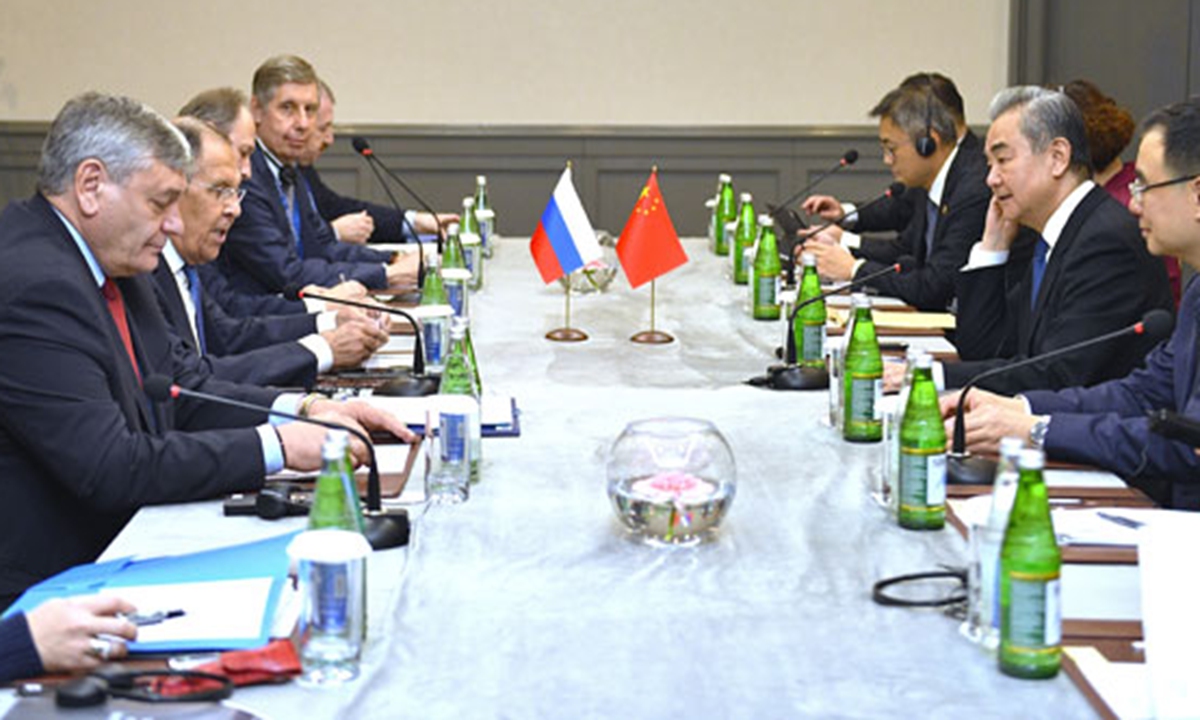
Additionally, the Liberty Times discusses a proposed tripartite summit involving the US, China, and Russia to address the Ukraine conflict. The potential exclusion of Ukraine from these talks has raised concerns about the future of Taiwan, with fears that it might become a bargaining chip in broader geopolitical negotiations.
These articles collectively highlight the intricate balance of international diplomacy, energy security, and market stability. For global investors and policymakers, these developments signal the need to closely monitor energy market fluctuations and potential shifts in geopolitical alliances. The decisions made in this context could have far-reaching implications for global trade dynamics and regional security architectures.
French Protests Highlight Economic Strain and Social Divisions with Global Repercussions
Recent events in France, marked by widespread protests against rising living costs and deteriorating public services, have captured international attention. The New York Times reports that the unrest, described as the largest in recent years, involves students and workers rallying against economic hardships. The protests are fueled by dissatisfaction over escalating fuel prices and declining quality in public services such as education.
BBC highlights the severity of the situation, noting the historical significance of current social unrest, which has resulted in violence and property damage, including the burning of a 19th-century building. French President Emmanuel Macron's call for calm underscores the strain on national unity, reflecting deep political divisions as the country approaches upcoming elections.
Meanwhile, Sina focuses on the impact of the protests on luxury retailers like Louis Vuitton and Apple, which suffered looting and vandalism. The economic implications are significant as these brands symbolize France's luxury goods sector, a vital part of its economy.
These developments indicate a broader discontent with economic policies and social inequalities, resonating beyond France's borders. For international markets and businesses, the unrest signals potential disruptions in supply chains, particularly in sectors dependent on French exports. It also raises concerns about investment stability in the region.
The situation affects US and EU policies, as both regions may face pressures to address similar economic grievances within their borders. The protests serve as a cautionary tale for policymakers worldwide about the consequences of neglecting socioeconomic disparities.
For readers outside China, understanding these protests is crucial as they highlight the interconnectedness of global economies and the potential for social unrest to impact international relations and economic stability. The broader strategic implications suggest a need for international dialogue on economic reforms to mitigate such tensions globally.
South Korea's Concerns Over Chinese Electric Vehicles and Global Implications
In recent developments, South Korea has raised significant concerns over Chinese-made electric vehicles (EVs) equipped with surveillance and communication technologies freely entering military sites. According to World Journal, approximately 190 Chinese-made EVs, including models from BYD, have been spotted in sensitive military areas. The vehicles' connectivity features have sparked fears of potential data leaks and national security risks, as they might transmit sensitive information back to China.
The implications of these developments are profound. For international markets, particularly those in the automotive sector, this situation highlights the growing tension between technological advancement and security concerns. The US and EU have previously expressed similar apprehensions regarding Chinese tech products, emphasizing the need for stringent regulatory measures. This could lead to increased scrutiny and potential restrictions on Chinese tech imports globally, affecting supply chains and market dynamics.
Meanwhile, The New York Times reported on Thailand's welcoming stance towards Chinese EVs, illustrating a contrasting regional approach. Thailand's openness is driven by economic incentives, as it aims to position itself as a hub for EV production in Southeast Asia. However, this raises questions about the long-term strategic implications for Thailand, especially in balancing economic growth with potential security vulnerabilities.
The BBC provided a broader perspective on China's automotive ambitions, focusing on the controversy surrounding the Zunjie V800 model. The vehicle faced scrutiny after reports of safety issues, underscoring the challenges Chinese automakers face in building international credibility. This narrative is crucial for global investors, as it reflects the potential risks associated with investing in Chinese automotive ventures, particularly in markets where safety and quality standards are paramount.
Collectively, these articles reveal a complex landscape where economic interests, security concerns, and international relations intersect. For policymakers in the US and EU, these developments underscore the importance of crafting policies that address the dual challenges of economic competition and national security. As China continues to expand its technological footprint globally, such issues will likely remain at the forefront of international discourse, influencing trade policies, investment decisions, and global market trends.
Escalating Tensions in the Middle East: Yemen's Attacks on Saudi Arabia and Regional Implications
Recent developments in the Middle East highlight a significant escalation in hostilities between Yemen's Houthi forces and Saudi Arabia. According to Sina News, a projectile fired by Yemeni Houthis landed in a residential area in Najran, southwestern Saudi Arabia, injuring six civilians and damaging buildings and vehicles. This incident underscores the intensifying conflict dynamics as both sides increase their offensive capacities. For international markets and businesses, particularly those with interests in the Middle East, such developments could signal heightened risks to regional stability and energy supply chains, potentially affecting oil prices and global economic conditions.
In a related story, the Gulf Cooperation Council (GCC) convened in Bahrain, where it issued a strong condemnation of the Houthi attacks on Saudi Arabia. The GCC emphasized the indivisibility of member states' security under its Joint Defense Agreement, advocating for the strict enforcement of UN Security Council resolutions concerning Yemen and the arms embargo on the Houthis. This stance highlights the broader regional implications, as the GCC's support for Saudi Arabia reflects a unified front that may influence US and EU policy decisions regarding arms sales, diplomatic support, and humanitarian aid in the region.
These narratives from Sina News highlight a dual focus: the immediate humanitarian impact of the conflict and the strategic regional responses. The coverage of the GCC's condemnation illustrates the importance of maintaining safe and open international waterways like the Hormuz Strait, which are crucial for global trade. The call for dialogue and diplomacy to resolve the crisis further underscores the international community's responsibility to ensure regional security and stability. For international readers, these developments suggest potential shifts in geopolitical alliances and economic policies, especially concerning energy security and military engagements in the Middle East.
China and Montenegro Deepen Strategic Partnership Amid Global Energy and Economic Challenges
Recent diplomatic engagements between China and Montenegro underscore a strengthening of bilateral ties, as evidenced by meetings between Montenegrin Prime Minister Dritan Abazović and Chinese Foreign Minister Wang Yi. Reports from both China's Foreign Ministry and Xinhua highlight a shared commitment to deepening cooperation in infrastructure, energy, and trade, reflecting broader strategic ambitions.
The discussions, held in Podgorica, emphasized the historical and traditional friendship between the two nations, rooted in their shared resistance against fascism during World War II. This historical narrative serves to reinforce contemporary collaborations, such as the construction of critical infrastructure projects like highways and bridges, which are pivotal for Montenegro's economic development.
China's assistance in stabilizing global oil prices amid Middle Eastern conflicts was particularly appreciated by Montenegro, as it aids smaller nations in navigating energy crises. This gesture not only reinforces China's image as a responsible global power but also suggests a strategic positioning to influence energy markets, which is of significant interest to international investors and policymakers, especially in Europe and the US.
Montenegro expressed its intent to continue collaborative efforts with China in areas such as tourism, green transformation, and governance, aligning with global trends towards sustainable development. This aligns with China's Belt and Road Initiative (BRI), which aims to enhance connectivity and economic integration across Eurasia, providing opportunities for international businesses seeking entry into European markets via strategic partnerships.
Both articles highlight China's understanding of Montenegro's EU accession aspirations, indicating a nuanced diplomatic approach that supports Montenegro's European integration while simultaneously strengthening Sino-Montenegrin relations. This dual-track strategy may influence EU-China relations, as the EU evaluates its partnerships within its neighborhood policy framework.
The narrative from Xinhua and the Chinese Foreign Ministry consistently frames China as a steadfast partner in Montenegro's development path, emphasizing mutual respect and long-term strategic partnership. For international readers, these developments illustrate China's expanding influence in Europe and the potential shifts in regional alliances that could impact global trade dynamics and geopolitical stability.
China's A-Share Market Faces Turbulence Amid Global Economic Shifts and AI Influence
The recent turbulence in China's A-share market, highlighted by a series of downward adjustments, reflects broader global economic dynamics and internal market shifts. According to Tencent News, the market experienced a notable dip during the week of October 12-16, with key indices such as the Shanghai Composite Index, Shenzhen Component Index, and the ChiNext Index seeing significant declines of 2.56%, 6.64%, and 8.9% respectively. This downturn is attributed to both global and domestic factors, including the impact of AI-related disruptions and liquidity pressures.
The reports suggest that the market is undergoing accelerated adjustments, driven by the volatility in technology stocks, particularly those related to AI, which initially surged but later faced corrections. The influence of international factors, such as the stronger-than-expected U.S. inflation data and persistent high interest rates, has also contributed to the market's instability. This underscores the interconnectedness of global markets and the ripple effects of U.S. economic policies on Chinese equities.
Furthermore, another article from Tencent News delves into the capital movements within the A-share market, noting a significant influx of funds into ETFs, particularly those tracking broad indices like the CSI 300. This suggests a strategic reallocation by investors, seeking to stabilize and capitalize on the market's volatility. Notably, funds such as Yifangda, Huaxia, and Huatai-PineBridge have been major players in these movements, collectively channeling substantial sums into the market.
For international investors and policymakers, these developments highlight the critical role of China's market in the global financial ecosystem. The shifts in China's domestic policy, including the People's Bank of China's commitment to maintaining a moderately loose monetary policy, as stated by Governor Yi Gang at the 54th International Monetary and Financial Committee meeting, are pivotal. These policies aim to stabilize the domestic economy, which in turn affects international markets and trade flows.
Strategically, the situation underscores the necessity for global investors to monitor China's economic policies and market trends closely. The possibility of further adjustments in China's economic policy, driven by both domestic needs and international pressures, could have significant implications for global supply chains, investment flows, and economic growth patterns. As such, stakeholders across the U.S., EU, and Asia-Pacific regions should remain vigilant to the evolving dynamics within China's financial markets and their broader economic impact.
China's Modest Economic Growth: Export Surge Amid Stagnant Consumption Signals Global Trade Impact
The New York Times reports on China's modest economic growth in the third quarter of 2026, highlighting a slight increase driven by a surge in exports, while domestic consumption remains stagnant. This development is crucial for international markets and businesses, as it underscores China's pivotal role in global supply chains and trade dynamics. The export boom suggests that China continues to be a major supplier to international markets, potentially affecting global trade balances and influencing the strategies of multinational corporations dependent on Chinese manufacturing.
For the US and EU, these economic signals may prompt a reevaluation of trade policies and supply chain dependencies. As China's domestic consumption lags, it could signal potential vulnerabilities in its economic model, which traditionally relies on both domestic and international demand. This stagnation in consumption might lead to increased pressure on the Chinese government to implement policy measures to stimulate domestic spending, which could, in turn, affect global commodity markets and investor sentiment.
Readers outside China should take note of these economic trends as they have broader strategic implications. A strong export sector with weak domestic consumption might lead China to engage more aggressively in international trade negotiations to secure favorable terms for its exports. This could also increase competition with other exporting nations, affecting global pricing and market access.
Overall, the New York Times article provides a comprehensive view of the current state of China's economy, emphasizing the global significance of its export-led growth amidst domestic challenges. The insights offered are critical for policymakers, investors, and businesses worldwide as they navigate the complexities of a shifting international economic landscape.