Global Strategic Shifts: Ukraine's Starlink Challenges; China-Russia Diplomacy; EU Trade Tools; Physical AI Innovations
Ukraine's Strategic Communications Disrupted Amidst Starlink Limitations and Geopolitical Tensions
Recent events highlight the critical role of satellite communications in modern warfare, as Ukraine faces significant disruptions in its military operations due to restrictions on the use of Starlink's military-grade service, Starshield. According to World Journal, Ukraine's military operations have been severely impacted by a dual blow: Russian missile strikes targeting energy infrastructure and limitations on Starshield's capabilities, leading to heightened pressure on energy and air defense systems.
The Ukrainian government suspects these limitations are linked to U.S. political maneuvering, particularly as tensions between U.S. President Trump and Ukrainian leadership intensify. The Sina article echoes this sentiment, with Ukrainian officials attributing the operational hindrances to directives from the Trump administration, possibly aiming to pressure Ukraine into halting attacks on Russian oil refineries.
Elon Musk, founder of SpaceX, which operates Starlink, has been vocal on social media, suggesting that the U.S. government controls Starshield's military applications. As reported by Sina, Musk emphasized that any speed or usage restrictions are ultimately decided by the U.S. military and the President, underscoring the strategic leverage the U.S. holds in global military communications.
From an international perspective, these developments indicate a complex interplay between technology, military strategy, and international diplomacy. For global markets and businesses, the situation underscores the vulnerability of technological dependencies in conflict zones, potentially influencing investment decisions in tech and defense sectors. For policymakers in the U.S., EU, and beyond, the incident raises questions about the balance of power in tech-mediated warfare and the ethical implications of commercial entities playing pivotal roles in national security.
The broader strategic implications are significant: as nations increasingly rely on advanced technologies for military operations, the control and governance of these technologies become crucial. This scenario could lead to increased scrutiny and regulation of tech companies involved in defense, affecting how such firms operate internationally.
Overall, the situation in Ukraine serves as a stark reminder of the geopolitical stakes involved in technological advancements and the need for robust frameworks to manage the intersection of technology and international security.
China-Russia Diplomatic Engagement Amid Global Strategic Shifts
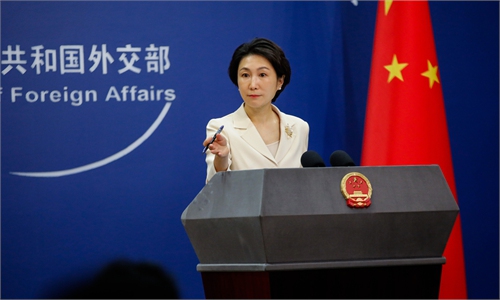
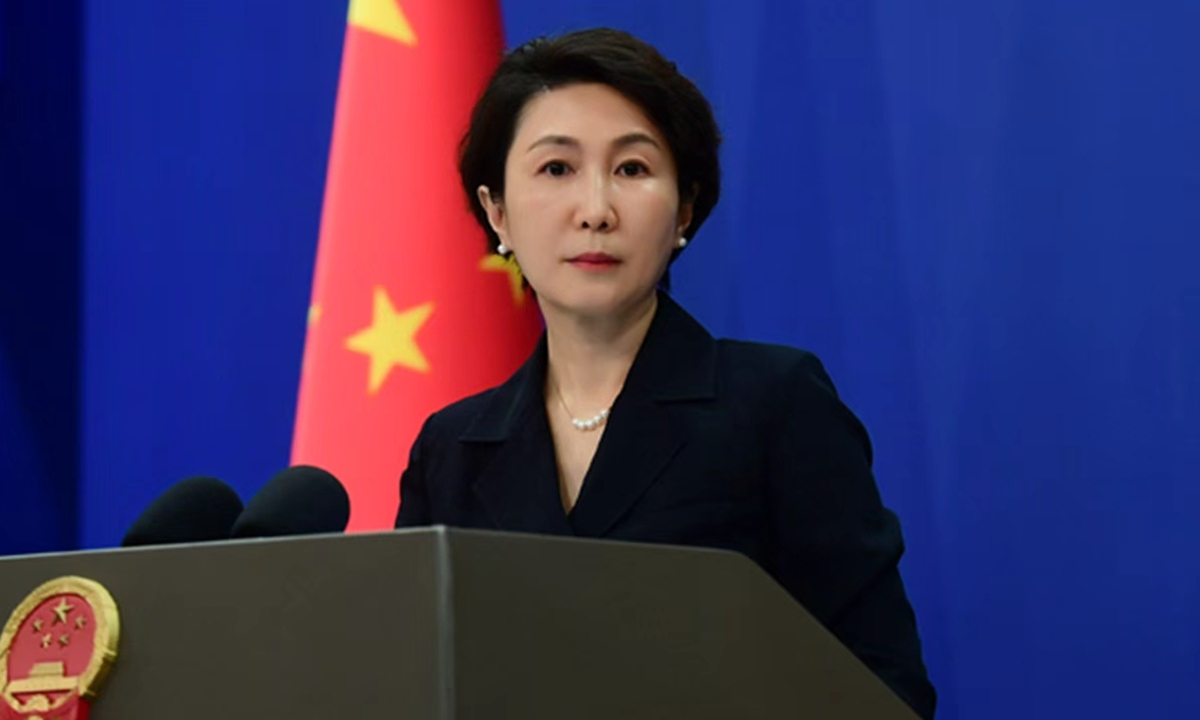
Recent diplomatic exchanges between China and Russia underscore a significant realignment in their bilateral relationship with implications that extend globally. According to Global Times, China's Foreign Ministry has reiterated its commitment to non-interference in other countries' internal affairs, while addressing issues of cyber security and hacking. This stance is critical as it reflects China's broader strategy to maintain stability in its international relations, particularly with nations like Brazil.
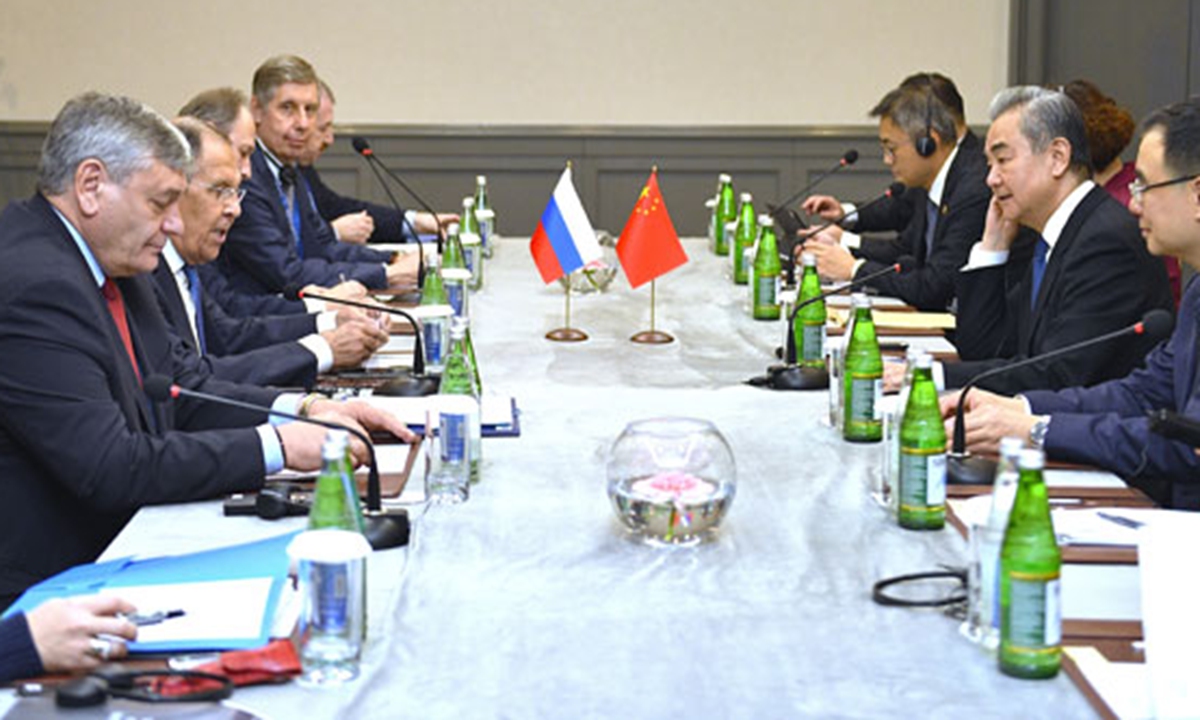
Meanwhile, Xinhua and the Chinese Foreign Ministry highlighted the recent meeting between Chinese Foreign Minister Wang Yi and Russian Foreign Minister Sergey Lavrov. The discussions emphasized the success of Russia's domestic political processes and the continued high-level development of China-Russia strategic cooperation. This cooperation is set to be further showcased at the upcoming APEC summit in Shenzhen, which both countries anticipate will yield significant outcomes for the Asia-Pacific region.
The narratives from these publications show a concerted effort by China to solidify its strategic partnerships in a multipolar world. The repeated emphasis on multilateral cooperation and support for global governance frameworks like the United Nations, G20, and APEC suggests a strategic pivot towards fostering a balanced global order. For international markets and businesses, these developments indicate potential stability in trade and investment flows, particularly in sectors influenced by Asia-Pacific economic dynamics.
For the United States and the European Union, China's deepening ties with Russia signal a potential challenge to Western influence in global geopolitics. The reaffirmation of multilateralism and strategic partnerships by China and Russia may necessitate a recalibration of Western diplomatic and economic strategies, especially as both countries seek to enhance their roles in international decision-making bodies. This is a crucial development for policymakers who must navigate the complexities of a shifting power balance.
Overall, these diplomatic engagements are more than mere bilateral talks; they are part of a broader strategy by China to assert its influence in global affairs, with significant implications for international politics and economic landscapes.
False Reports of Hong Kong Tycoon Li Ka-shing's Death and Their Broader Implications
Recent reports circulating on social media suggested the death of Li Ka-shing, a prominent Hong Kong business magnate, which were later debunked by credible sources. Sina reported that the rumors originated from unverified social media accounts and quickly spread without official confirmation. Journalists from Southern Metropolis Daily confirmed with Li's family that these claims were false. This incident highlights the challenges of misinformation in the digital age, especially regarding influential figures whose perceived status can affect markets and investor sentiment.
Similarly, Tencent covered the denials from within Li's business group, stating emphatically that there was "no such event." They emphasized Li's stature as a "superman" of Hong Kong, underscoring the potential economic impact if such rumors were true. The rapid dissemination of false information could have caused unnecessary volatility in Hong Kong's financial markets, given Li's significant investments and influence.
Sina's finance section also reiterated these clarifications, providing continuous updates and inviting users to engage with their platform for accurate financial news. The persistence of such rumors, despite repeated debunkings, underlines the need for vigilance among investors and policymakers who rely on accurate information for decision-making.
For international markets and investors, these developments serve as a reminder of the importance of verifying information before reacting. False reports can lead to hasty decisions that disrupt financial stability. This incident also raises questions about media literacy and the role of social media platforms in curbing misinformation. As misinformation can affect global markets, stakeholders must be proactive in ensuring the accuracy of information, especially when it concerns influential global figures.
EU's New Trade Tools Signal Intensified Pressure on China with Global Economic Repercussions
The recent developments in EU-China trade relations highlight the growing complexities and strategic maneuvers in global economic policies. Notably, a report by Tencent discusses the European Union's (EU) ongoing efforts to address trade imbalances perceived to be exacerbated by China's economic policies. The EU leaders are pushing for the creation of new trade defense tools aimed at countering these challenges, reflecting a strategic pivot towards more assertive trade policies.
This initiative underscores the EU's intention to maintain a competitive edge and protect its industries from what is seen as unfair competition from China. The proposed trade tools, such as the 'supply chain diversification tool' and a 'bloc mechanism' to mitigate losses from China's countermeasures, are indicative of the EU's proactive stance in safeguarding its market interests. These measures, while not directly naming China, clearly target its industrial prowess and are part of a broader strategy to recalibrate trade relations.
For international markets, these developments could signal a shift towards more protectionist policies, potentially affecting global supply chains and trade flows. Businesses and investors in the EU and beyond may need to brace for changes in market dynamics and prepare for potential disruptions. The strategic implications are significant for the US and other regions, as they may need to reassess their trade policies in response to the EU's actions and the evolving landscape of global trade.
Meanwhile, a report from Liberty Times offers a glimpse into domestic Chinese politics, focusing on the fallout surrounding former Chongqing mayor Huang Qifan. His detention and the investigation into his family's financial dealings highlight China's internal political dynamics and anti-corruption efforts. While this story has less direct impact on international trade, it reflects the broader narrative of governance and control within China, which can indirectly influence foreign perceptions and business confidence.
These narratives from different publications illustrate the multifaceted nature of international relations and economic policies. The EU's strategic moves against China, coupled with internal political developments within China, form a complex tapestry that international audiences must navigate. Understanding these dynamics is crucial for policymakers, businesses, and investors aiming to maintain resilience and adaptability in an increasingly interconnected world.
Physical AI: Transforming Industries and Global Implications
The recent discussions around Physical AI, as reported by Tencent (qq.com), highlight a significant transition from digital to physical realms in AI applications. This evolution is not just about technological advancement but also poses substantial implications for global industries and markets.
According to the article, Physical AI is making strides from technical demonstrations to scalable industrial applications, with key challenges remaining in data, safety, and infrastructure. This transformation is crucial as it marks a shift in how AI interacts with the physical world, potentially revolutionizing industries such as manufacturing and logistics. For international markets, this means a reevaluation of supply chains and production processes, potentially leading to more automated and efficient operations.
The article emphasizes the importance of real-world data acquisition for Physical AI's success. Unlike large language models which leverage vast amounts of internet data, Physical AI requires unique, context-specific data often held by individual experts or within isolated systems. This presents a challenge for widespread adoption but also an opportunity for companies that can effectively harness this data.
Globally, as Physical AI begins to address labor shortages and safety in hazardous environments, it could redefine labor markets and influence economic policies, particularly in regions facing demographic challenges. For instance, the integration of AI in sectors like hospitality and healthcare could alleviate workforce pressures in aging societies such as those in Europe and Japan.
Strategically, the development of Physical AI is poised to impact geopolitical dynamics, particularly between the US and China. As both nations invest heavily in AI technology, the ability to lead in Physical AI could confer significant economic and military advantages, influencing global power structures. This competition may also drive international collaborations and regulatory frameworks to ensure ethical and safe AI deployment.
For international readers, understanding these developments is crucial as they will shape future business strategies, investment decisions, and policy formulations. As technology evolves, staying informed about Physical AI's trajectory will be key to navigating the complex interplay of innovation and global economic shifts.