
China-Russia Strategic Ties; Iran's Maritime Security Talks; Global Impacts of China's Mineral Regulations
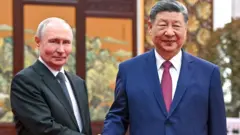
China-Russia Relations Deepen Amidst Global Geopolitical Shifts: Implications for the West
Recent diplomatic engagements between China and Russia have drawn significant international attention, particularly in light of the evolving geopolitical landscape. Various publications have reported on the meetings between Chinese President Xi Jinping and Russian President Vladimir Putin, highlighting both the progress and the complexities in their bilateral relations.
The BBC offers a vivid portrayal of the camaraderie between Xi and Putin, emphasizing the symbolic gestures that underscore their partnership. However, the article critically notes the absence of a finalized agreement on the 'Power of Siberia 2' gas pipeline, suggesting that China's reluctance to deepen energy dependency on Russia might be a strategic move to maintain leverage. For international markets, this signals potential volatility in energy supply chains and underscores the importance of diversified energy sources, particularly for the EU, which is recalibrating its energy strategy amidst tensions with Russia.
The New York Times emphasizes the economic and strategic dimensions of the China-Russia relationship. It highlights joint statements advocating for open trade and multilateralism, directly countering Western protectionist policies. This stance could influence global trade dynamics, especially as the US and EU grapple with protectionist pressures and the need to engage with emerging markets.
Xinhua and the Chinese Foreign Ministry focus on the positive outcomes of the meetings, such as the signing of multiple agreements aimed at enhancing cooperation in various sectors, including technology and infrastructure. These developments signal China's strategic intent to bolster its economic ties with Russia as a counterbalance to Western influence. For international observers, this could mean a shift in global supply chains and a potential reorientation of investment flows towards Asia.
The strategic implications of these developments are profound. For the US and its allies, the deepening China-Russia ties challenge the existing global order and necessitate a recalibration of foreign policy strategies to address the growing influence of non-Western powers. Furthermore, the emphasis on multilateral frameworks by China and Russia could lead to the creation of alternative institutions that may weaken Western-dominated bodies.
Overall, these articles collectively illustrate a nuanced picture of China-Russia relations, characterized by both cooperation and underlying tensions, with significant implications for global geopolitics and economic strategies.
Iran Evaluates US Negotiation Proposals Amidst Strategic Maritime Security Talks
Recent developments highlight Iran's ongoing assessment of the United States' latest negotiation proposals, as reported by CCTV and Sina. Both outlets indicate that Iran is currently evaluating the suggestions conveyed through Baghdad channels, aimed at ending ongoing conflicts. This diplomatic maneuver holds potential global implications, particularly for oil markets sensitive to Middle Eastern stability.
In a related vein, Sina reports on Iran's collaboration with Oman to establish a security mechanism for the strategic Hormuz Strait. This initiative seeks to ensure long-term stability and prevent actions detrimental to any nation's interests. The focus on maritime security underscores the significance of the Strait of Hormuz, a vital corridor for global oil shipments, affecting energy security and market dynamics worldwide.
The Iranian evaluation of US proposals and the concurrent maritime security discussions reflect a broader strategic calculus. For international markets and policymakers, these developments are pivotal. The potential for reduced regional tensions could stabilize oil prices and influence energy policies in the US, EU, and beyond. Additionally, the maritime security mechanism highlights Iran's strategic engagement with regional partners, which could recalibrate power dynamics in the Gulf, impacting global shipping and trade routes.
Severe Rainfall in Guangdong and Beijing: Implications for Global Supply Chains and Urban Planning
Recent reports from Sina News highlight the severe weather conditions affecting Guangdong province, with torrential rains impacting 34 towns and streets. The heaviest rainfall was recorded in Yangchun City, reaching up to 770.5 mm, leading to potential urban flooding and landslides. This severe weather event is significant not only for local communities but also for international markets, as Guangdong is a crucial hub in global supply chains. Disruptions here could affect manufacturing and shipping operations, influencing global trade flows.
Additionally, Jiangxi's Jinan City has issued a red alert for heavy rain, emphasizing the need for preparedness against potential urban flooding and landslides. Such extreme weather events call for enhanced urban planning and infrastructure resilience, which are critical issues for policymakers and investors worldwide, especially in regions reliant on China's supply chain.
In contrast, Beijing is experiencing moderate rainfall, with predictions indicating a shift to less severe weather conditions. While the immediate impact on global markets is less pronounced than in Guangdong, the situation in Beijing underscores the importance of weather preparedness in urban centers. As Beijing serves as a political and economic center, disruptions here could have broader implications for policy decisions and economic activities.
These weather patterns not only highlight the vulnerability of infrastructure to climate change but also stress the importance for international businesses and investors to factor in environmental risks when making strategic decisions. For policymakers, these events underline the urgency of climate adaptation strategies to mitigate future disruptions.
Arab League's Oil Pipeline Construction Nears Halfway: Strategic Implications Beyond Hormuz
Recent developments indicate that the Arab League's ambitious project to construct an oil pipeline bypassing the strategic Hormuz Strait has reached nearly 50% completion. This initiative is pivotal, as reported by CCTV and Sina, aiming to enhance energy export security by reducing dependence on this critical maritime chokepoint.
The pipeline's strategic significance cannot be understated, especially given the ongoing geopolitical tensions in the region. The completion of this project, expected by 2027, will potentially double the crude transportation capacity from the Fujairah port, a vital hub for global oil markets. This development is particularly relevant for international markets, as it could stabilize oil supply routes and mitigate risks associated with disruptions in the Strait of Hormuz, which currently handles a substantial volume of global oil traffic.
The implications for international businesses and investors are significant. By diversifying energy export routes, the Arab League aims to safeguard against regional conflicts that could impact oil prices and supply chains globally. For policymakers in the US, EU, and other regions, this project underscores the need to consider alternative energy strategies and reassess their dependence on traditional supply routes.
Furthermore, the reports highlight the broader strategic and economic implications of the pipeline. As noted by the Arab League, the project is a response to the global reliance on limited key maritime channels for energy transport. This move could inspire other regions to explore similar infrastructure projects, aiming to enhance energy security and reduce geopolitical vulnerabilities.
While the CCTV report provides a brief overview, the Sina article delves deeper into the operational aspects, including the challenges faced due to regional conflicts impacting infrastructure. The restoration of affected facilities is expected to take at least four months, emphasizing the ongoing instability in the area.
For readers outside China, understanding these developments is crucial as they reflect shifting dynamics in global energy logistics. As nations seek to fortify their energy security, the Arab League's pipeline serves as a potential model for reducing geopolitical risks associated with energy transportation.
China Strengthens Regulations on Strategic Mineral Resources with Global Implications
China has unveiled new regulations aimed at enhancing the management of its strategic mineral resources. These regulations, signed by Premier Li Qiang, are set to take effect on June 15 and aim to improve the reserve and emergency response systems for mineral resources, while imposing stricter penalties for illegal activities involving strategic minerals. The World Journal reports that the regulations are part of China's broader strategy to secure its mineral supply chain, which is crucial for its industrial sectors, including semiconductors and telecommunications.
This development is significant for international markets as it underscores China's intent to consolidate control over critical minerals like beryllium, essential for semiconductor and optical communication industries. The White House has previously highlighted the importance of such minerals, indicating potential supply chain vulnerabilities. For businesses and investors, this move signals a potential tightening of global mineral supplies, which could lead to increased prices and competition.
For the US and EU, these regulations could necessitate a reevaluation of their own supply chains and strategic reserves of critical minerals. This may also influence policy decisions related to trade and technology, especially in sectors heavily reliant on such resources. Internationally, these regulations emphasize the need for countries to diversify their mineral sourcing to mitigate risks associated with supply chain disruptions.
The broader strategic implications include China's continued leverage over global supply chains, particularly in sectors where it holds a dominant position in raw material production. This move could further intensify the tech competition between China and the West, as access to these strategic resources becomes a focal point in geopolitical negotiations.